Cosmetic$3000 - $8000⭐ KAHF Accredited Hospitals
Liposuction in Korea
Body-contouring surgery that removes localized fat deposits to refine and reshape targeted areas of the body.
Quick Answer
- Not a weight-loss tool — liposuction removes localized fat deposits that resist diet and exercise, improving proportion and silhouette rather than reducing overall body weight.
- Multiple techniques available — tumescent, power-assisted, and ultrasound-assisted liposuction are matched to the patient's tissue type and treatment area.
- Korea's cost range is $3,000–$8,000, covering surgeon's fee, facility, anesthesia, compression garment, and scheduled follow-up visits during the stay.
- Plan for ~5 days in Korea — most patients are cleared to fly home around day five once incisions are stable and swelling is settling.
At a Glance
| Procedure time | 1–3 hours (varies with areas treated) |
|---|---|
| Anesthesia | General or local anesthesia |
| Hospital stay | Same-day outpatient |
| Recommended stay in Korea | ~5 days |
| Recovery | Desk work within days; final contour clear over several months |
| Typical cost in Korea | $3,000–$8,000 |
Overview
Liposuction is a body-contouring procedure that removes stubborn fat from targeted areas to refine the body's shape.
It addresses localized deposits that resist diet and exercise — the abdomen, flanks, thighs, arms, back, or under the chin. It is a contouring procedure, not a weight-loss treatment, and works best on defined pockets of fat in people already near a stable weight.
Korean clinics are a well-established destination for this surgery because they emphasize even, smooth contouring and careful technique selection matched to each patient's tissue.
Several techniques are used. Tumescent liposuction infuses the area with a numbing fluid solution that shrinks blood vessels before suctioning, reducing bruising.
Power-assisted liposuction uses a rapidly vibrating cannula to loosen fat more efficiently, helpful in fibrous or larger areas, while ultrasound-assisted liposuction applies sound-wave energy to break down fat before removal and is often chosen for denser or previously treated zones.
The surgeon selects one technique, or a combination, based on the treatment area and tissue quality.
Surgery is performed under general or local anesthesia and generally takes one to three hours. A compression garment is fitted afterward to support the new contour and help the skin settle smoothly.
Wear your compression garment consistently
A compression garment fitted right after surgery and worn for the full recommended period strongly influences how smooth and even your final result looks as swelling settles over the following weeks.
Liposuction is not a weight-loss procedure
Candidates should already be near a stable weight. The goal is improved proportion in specific areas — not a reduction in overall body weight. Managing expectations before surgery leads to more satisfying results.
Technique is matched to your tissue
Your surgeon will assess the treatment area and tissue quality before selecting tumescent, power-assisted, or ultrasound-assisted liposuction — or a combination. There is no single 'best' method; fit matters more than the technique name.
Am I a Candidate?
Good candidates are adults in stable general health, near a steady weight, with localized fat deposits that have not responded to diet and exercise.
Good skin elasticity helps the skin retract smoothly after fat is removed. Suitability is therefore assessed with skin tone and tissue quality in mind during consultation.
Liposuction does not address: - General weight loss or obesity - Loose skin or stretch marks
Realistic expectations matter — the aim is improved proportion in specific areas, not a change in overall body weight.
Non-smokers, or those willing to stop before and after surgery, tend to heal more smoothly.
The procedure is generally postponed during: - Pregnancy - Active infection - Conditions affecting healing or bleeding that need review first
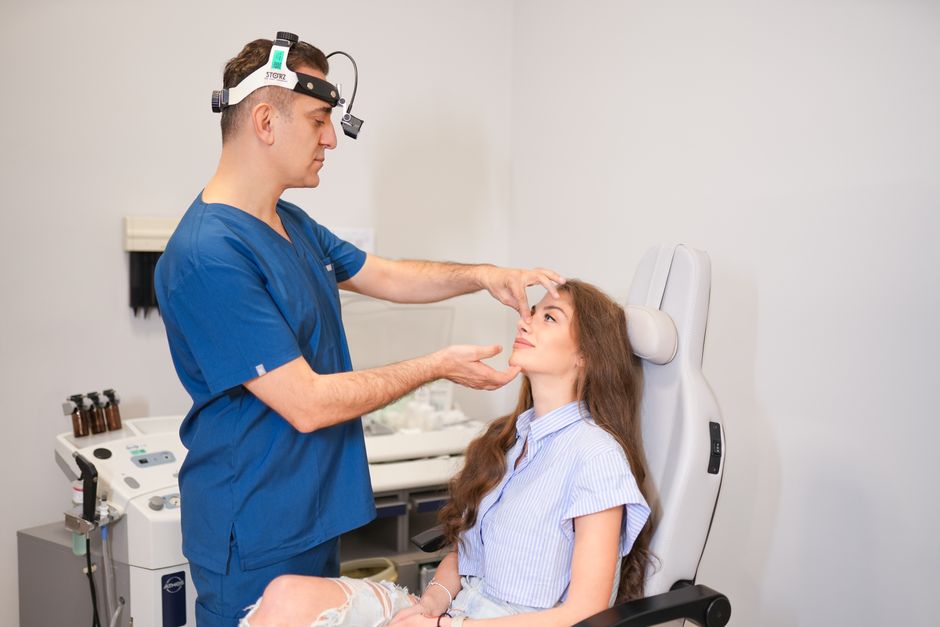
During consultation the surgeon examines the target areas, checks skin elasticity, and discusses which technique fits best. This assessment confirms whether liposuction is the right approach or whether another procedure would better meet the patient's goals.
How the Procedure Works
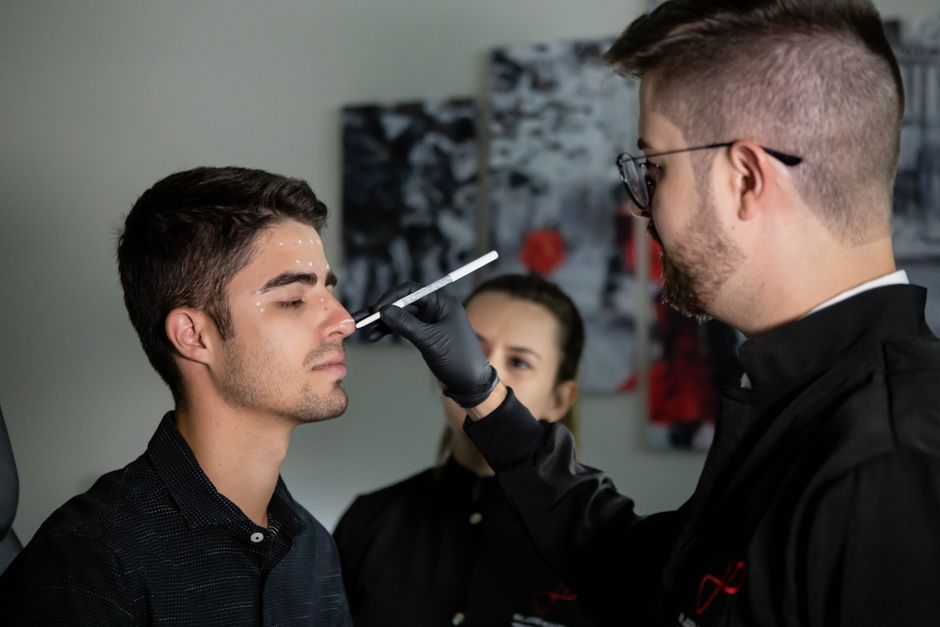
Planning starts with a consultation. The surgeon examines the target areas, marks the zones to be treated while the patient is standing, and confirms the technique. The marks guide even, symmetrical contouring during surgery.
The procedure is performed under general or local anesthesia depending on the number and size of areas.
Small, discreet incisions are made near each treatment zone. A tumescent solution is usually infiltrated first, numbing the tissue and shrinking blood vessels to limit bleeding and bruising.
A thin tube called a cannula is then inserted to suction the fat.
The method is chosen for the tissue: - Tumescent — fluid solution combined with manual suction. - Power-assisted — a vibrating cannula loosens fat more efficiently with less manual effort. - Ultrasound-assisted — sound-wave energy emulsifies fat before removal, useful in denser zones.
Techniques are often combined across different areas of the body.
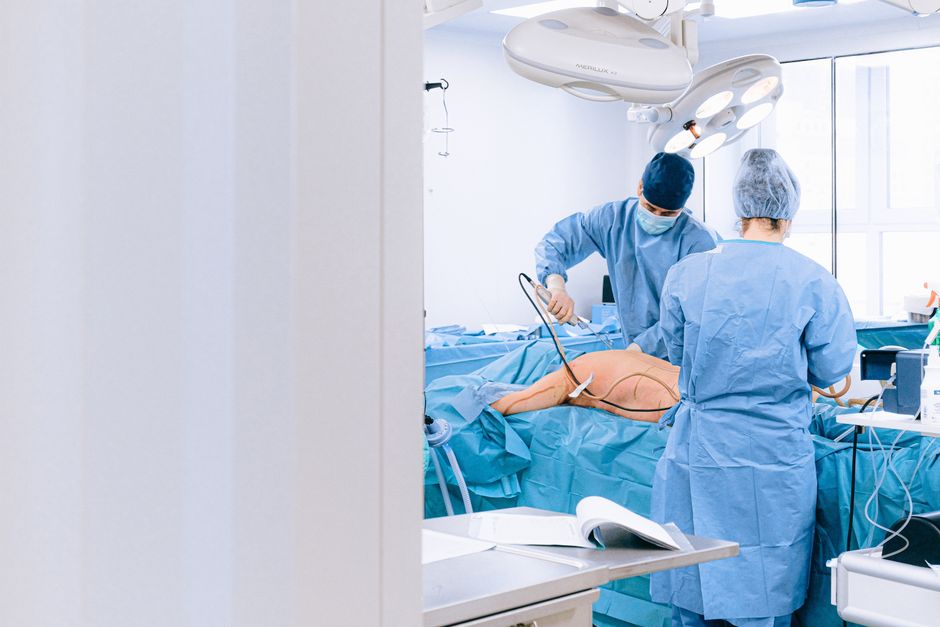
The surgeon works methodically to keep the result even and preserve a smooth transition between treated and untreated areas. Small incisions are either closed with fine sutures or left to drain. Treatment time is generally one to three hours, after which a compression garment is fitted before recovery.
Recovery Timeline
Recovery is planned around a stay in Korea of about five days.
After surgery the patient rests under observation. Expected in the first days: - Swelling, bruising, and soreness - Some fluid drainage from small incisions — this is normal
A compression garment is fitted right away and worn continuously to control swelling, support the tissue, and help the skin settle smoothly over the new contour.
During follow-up visits the surgeon checks incisions and confirms swelling is settling as expected.
Activity guidance: - Light walking is encouraged early to support circulation and reduce clot risk - Strenuous activity and heavy lifting are restricted - Desk-based work is often possible within a few days to a week
Flying home is generally cleared around day five, once incisions are stable and there are no concerns.
The compression garment continues to be worn for several weeks after returning home — consistent compression strongly influences the final smoothness of the result.
Swelling subsides gradually over the following weeks. The final contour becomes clearer over several months as tissue settles. Patients receive written aftercare instructions and remote follow-up contact for the period after returning home.

Cost Breakdown
Liposuction in Korea ranges from $3,000 to $8,000. The range reflects: - The number and size of areas treated - The technique used (tumescent, power-assisted, or ultrasound-assisted) - The complexity of the case - The clinic
What quoted packages generally include: - Surgeon's fee - Operating facility and anesthesia - First compression garment - Standard pre-operative assessment - Scheduled post-operative follow-up visits during the stay
A written quotation is provided after consultation so inclusions are clear before travel.
What typically falls outside the surgical quote: - International flights and accommodation - Local transport and meals - Interpretation services - Travel insurance - Extra compression garments or extended medication - Treatment of unrelated conditions found during assessment - Additional areas beyond those originally planned
Because the final figure reflects the areas and techniques agreed, patients receive an itemized estimate so the covers-versus-excludes breakdown is understood in advance.
| Item | Typical Cost in Korea (USD) |
|---|---|
| Single area (e.g., chin, arms, under-chin) | $3,000–$4,500 |
| Mid-size area (abdomen or flanks) | $4,000–$6,000 |
| Large or combined areas | $5,500–$8,000 |
| Power-assisted or ultrasound-assisted premium | $500–$1,500 extra |
Why Korea
Korea has built a structured medical-tourism system that makes it a practical destination for liposuction.
The Ministry of Health and Welfare regulates healthcare standards. The Korea Health Industry Development Institute (KHIDI), through its Medical Korea program, supports international patients seeking treatment in the country.
Hospitals and clinics treating foreign patients are registered under this national framework. Many pursue accreditation from the Korea Institute for Healthcare Accreditation (KOIHA), the domestic accreditation body that signals consistent safety and care standards — giving overseas patients an external reference point when comparing providers.
For body-contouring surgery, Korea offers: - Experienced plastic-surgery teams - Modern facilities with a full range of liposuction techniques - Technique selection matched to individual tissue and goals
International patient centers at many hospitals provide coordination, language assistance, and clear scheduling — which matters when traveling from Africa, the Middle East, or Asia — making the overall care pathway more straightforward.
Key Takeaways
- Liposuction refines localized fat deposits and improves body proportion — it is a contouring tool, not a substitute for weight loss.
- Korean clinics use tumescent, power-assisted, and ultrasound-assisted techniques, selecting the best fit for each patient's tissue and treatment area.
- A compression garment worn consistently after surgery is one of the most important factors in achieving a smooth, even final result.
- Quoted packages in Korea ($3,000–$8,000) typically cover the surgical fee, facility, anesthesia, compression garment, and follow-up visits — request an itemized estimate so you understand what falls outside the quote.
Frequently Asked Questions
Is liposuction a weight-loss procedure?
No. Liposuction removes localized fat deposits to improve body proportion and silhouette in specific areas. It works best for people already near a stable weight who have defined pockets of fat that have not responded to diet and exercise. It does not address overall body weight, loose skin, or stretch marks.
Which liposuction technique is best?
There is no single best technique — the right choice depends on the treatment area and your tissue quality. Tumescent liposuction is widely used for most areas. Power-assisted liposuction is often preferred for fibrous or larger areas. Ultrasound-assisted liposuction suits denser zones or areas treated previously. Your surgeon will assess your tissue during consultation and select the approach, or combination, that fits your case.
How long do I need to stay in Korea after liposuction?
A stay of approximately five days is typical. This allows for post-operative observation, scheduled follow-up visits to check incisions and swelling, and surgeon clearance before flying home. Traveling too soon after surgery is not recommended, and your surgeon will confirm you are ready before you travel.
When will I see my final results?
Swelling subsides gradually over the weeks following surgery. The treated areas continue to settle as tissue adjusts, and the final contour typically becomes clear over several months. Wearing your compression garment consistently during recovery, as instructed, plays a significant role in how smooth and even the result looks once swelling has fully resolved.
What does the quoted price in Korea include?
Most quoted packages cover the surgeon's fee, the operating facility, anesthesia, the first compression garment, standard pre-operative assessment, and scheduled follow-up visits during your stay. Items that typically fall outside the quote include flights, accommodation, local transport, meals, interpretation, travel insurance, and any additional areas or treatments not included in the original plan. Always request an itemized written estimate after consultation so inclusions are clearly defined before you travel.
Related Topics
Ready to Begin Your Journey?
Get matched with KAHF-accredited hospitals and receive a personalized treatment plan.
Quick Facts
Typical Cost
$3000 - $8000
Duration
5 days
Accredited Hospitals
3+ Available
Top Hospitals
Available Cities
Medical Information Disclaimer
The information provided on this page about Liposuction is for general educational and informational purposes only. It is not intended as, and should not be construed as, medical advice, diagnosis, or treatment recommendations.
Always seek the advice of a qualified healthcare professional regarding any medical condition or treatment. Never disregard professional medical advice or delay seeking it because of information found on this website. Individual treatment outcomes may vary. Costs shown are estimates and may differ based on individual circumstances.
KmedTour acts as a medical tourism facilitator and does not provide direct medical services. All treatments are performed by independently accredited healthcare providers in South Korea.