Neurosurgery
Brain Tumor Surgery in Korea
Brain tumor surgery in Korea uses image-guided microsurgery and awake mapping at Seoul's accredited neurosurgery centers.
Quick Answer
- Brain tumor surgery removes or reduces an abnormal mass in the brain, typically through a craniotomy performed by a specialist neurosurgical team.
- Leading Korean centers in Seoul and Gangnam combine microsurgery with intraoperative MRI, neuronavigation, and awake brain mapping to protect speech and movement.
- Plan to stay in Korea roughly 3–6 weeks for assessment, surgery, monitoring, and early follow-up before clearance to travel.
At a Glance
| Procedure time | Approx. 3–7 hours, depending on tumor size and location |
|---|---|
| Anesthesia | General anesthesia; selected cases use awake-asleep-awake technique |
| Hospital stay | Around 5–10 days, often with 1–2 days in intensive care |
| Recommended stay in Korea | Approx. 3–6 weeks for surgery and early follow-up |
| Recovery | Light activity at 4–6 weeks; fuller recovery over 3–6 months |
Overview
Brain tumor surgery aims to remove as much of an abnormal mass as is safely possible while preserving healthy brain function. The most common approach is a craniotomy, in which a section of skull is temporarily opened so the neurosurgeon can access the tumor with microsurgical tools.
In Korea, large hospitals in Seoul and the Gangnam district run dedicated neurosurgery and neuro-oncology programs. These teams typically combine a neurosurgeon, neuro-oncologist, neuroradiologist, anesthesiologist, and rehabilitation specialists.
Korean centers often use neuronavigation, intraoperative MRI, and functional brain mapping to localize the tumor precisely and avoid critical areas controlling speech and movement.
Not every brain tumor needs immediate surgery. The plan depends on whether the tumor is benign or malignant, its size and location, and your overall health. Surgery may be combined with radiotherapy or chemotherapy in a multidisciplinary plan.
Bring your full imaging history
Carry original MRI and CT files, prior pathology, and a medication list. Up-to-date scans let the Korean neurosurgical team give a more accurate plan and quote before you travel.
Am I a Candidate?
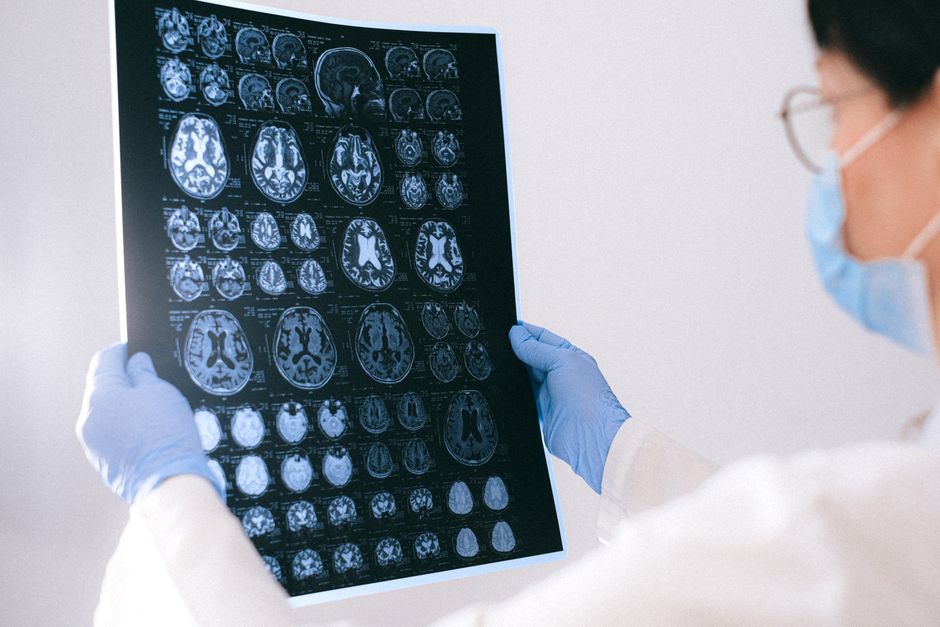
Whether brain tumor surgery is appropriate depends on detailed imaging and a specialist neurosurgical assessment. Surgery is generally considered when a tumor is accessible and removal is expected to help.
You may be a candidate if:
- Imaging (MRI/CT) shows a tumor that is surgically reachable with acceptable risk
- The tumor causes symptoms such as headaches, seizures, vision changes, or weakness
- A tissue diagnosis (biopsy) is needed to guide further treatment
- Reducing tumor bulk could relieve pressure or improve other therapies
Surgery may be less suitable or need extra planning when:
- The tumor sits in or near critical functional or deep brain regions
- There are multiple lesions or widespread disease
- General anesthesia carries high risk due to other health conditions
A responsible Korean team will review your records, may request updated scans, and discuss realistic goals. Some patients are offered awake craniotomy so neurological function can be tested during surgery.
How the Procedure Works
Brain tumor surgery is highly individualized, but the pathway in a Korean neurosurgery center generally follows these stages.
- Assessment: Updated MRI or CT, blood work, and consultations with neurosurgery and anesthesiology to confirm the plan.
- Planning: The team maps the tumor using neuronavigation and, where relevant, prepares for intraoperative monitoring.
- Anesthesia: Most cases use general anesthesia. For tumors near speech or motor areas, an awake-asleep-awake technique may be used so function can be tested.
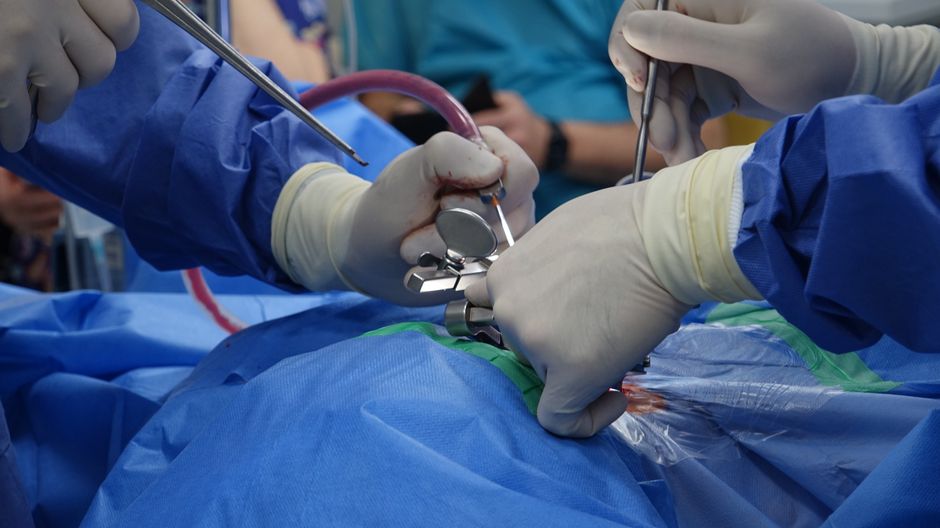
- Craniotomy: A section of skull is temporarily removed to expose the tumor under the operating microscope.
- Resection: The neurosurgeon removes as much tumor as is safely possible, guided by imaging and mapping.
- Closure: The skull section is replaced and secured, and the scalp is closed.
Removed tissue is sent for pathology to confirm the tumor type, which guides any further treatment.
Recovery Timeline
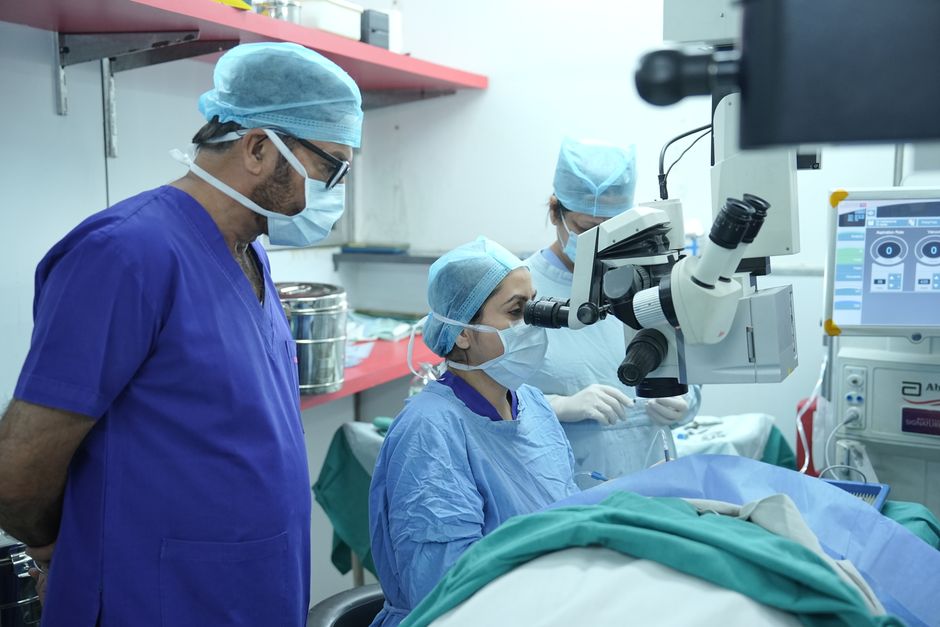
Recovery after brain tumor surgery is gradual and varies with tumor type, location, and your overall health. The phases below are general guidance, not a guarantee.
- First 1–2 days: Often monitored in intensive care, with frequent neurological checks to watch for swelling or bleeding.
- Days 3–10: Continued hospital recovery; postoperative swelling tends to peak around day three. Walking and basic activity are encouraged as tolerated.
- Weeks 1–6: Recovery at home or accommodation; many people return to light daily activity around 4–6 weeks.
- Months 3–6: Fuller functional recovery, including possible return to work or exercise, depending on your case.
Some patients need physical, occupational, or speech therapy to regain strength, coordination, or language. Your Korean team will set follow-up scans and explain warning signs that require urgent attention. Always follow your surgeon's specific instructions before traveling home.
Cost
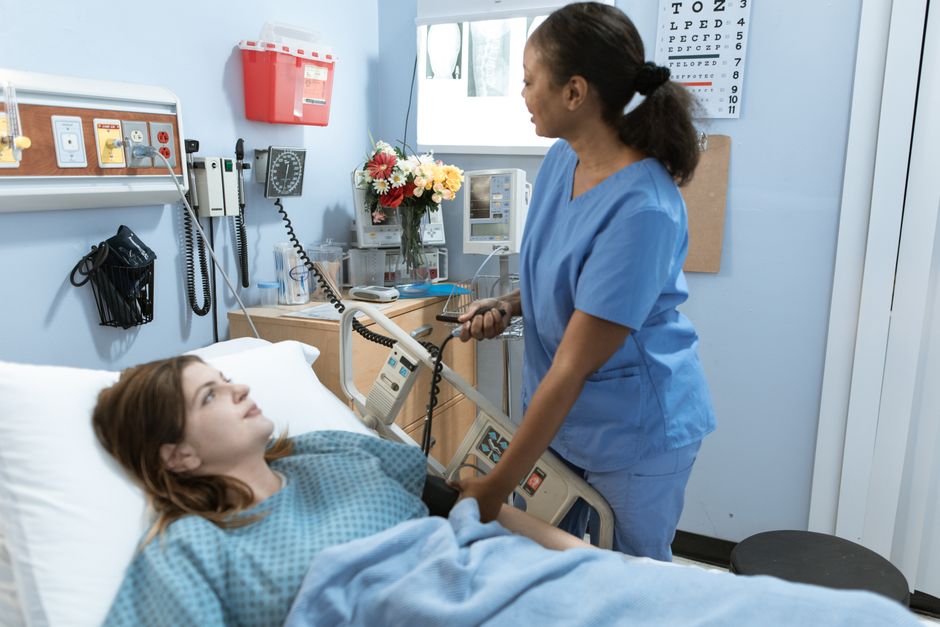
Costs vary by hospital and case. Ask the hospital for a written, itemised estimate before you decide.
Why Korea
Korea has become one of Asia's leading destinations for advanced medical care, with foreign patient numbers reaching record highs in recent years. For complex neurosurgery, several factors stand out.
- Concentrated expertise: Major teaching hospitals in Seoul and Gangnam run high-volume neurosurgery and neuro-oncology programs.
- Modern technology: Centers commonly offer intraoperative MRI, neuronavigation, and functional brain mapping.
- Regulatory oversight: Medicines and devices are regulated by the Ministry of Food and Drug Safety (MFDS), and several Seoul hospitals hold Joint Commission International (JCI) accreditation.
- Government support: KHIDI runs the official Medical Korea portal, which lists registered institutions for international patients.
Korea also requires registered international-patient institutions to carry malpractice liability coverage. For international patients, dedicated international offices can help coordinate scans, appointments, interpretation, and logistics across a longer treatment stay.
Key Takeaways
- Brain tumor surgery in Korea centers on image-guided craniotomy at accredited Seoul and Gangnam hospitals, often with intraoperative MRI and brain mapping.
- Plan an extended stay of roughly 3–6 weeks for surgery, monitoring, and early follow-up, and confirm rehabilitation and travel clearance with your surgeon.
Frequently Asked Questions
Is brain tumor surgery in Korea safe?
Major Korean neurosurgery centers in Seoul and Gangnam use modern technology such as neuronavigation and intraoperative MRI, and several hold Joint Commission International (JCI) accreditation. Medicines and devices are regulated by the Ministry of Food and Drug Safety (MFDS). As with any brain surgery, individual risk depends on tumor type and location and should be discussed with your surgeon.
How much does brain tumor surgery cost in Korea?
Costs vary widely with tumor type, size, location, and complexity. Always request an itemized written quote, since coverage of imaging, intensive care, and rehabilitation differs between hospitals.
How long should I stay in Korea for brain tumor surgery?
Most international patients plan to stay around 3–6 weeks. This allows time for assessment and updated imaging, the surgery itself, hospital recovery of roughly 5–10 days, and early follow-up before your surgeon clears you to fly home.
What is awake craniotomy and when is it used?
Awake craniotomy is a technique where part of the surgery is performed while you are awake so the team can test speech and movement in real time. It is considered for tumors near critical functional areas, helping the surgeon remove tumor tissue while protecting important brain functions.
Will I need treatment after surgery?
It depends on the pathology results. Some benign tumors may need only monitoring, while others may be followed by radiotherapy, chemotherapy, or both as part of a multidisciplinary plan. Your Korean neuro-oncology team will explain the recommended next steps based on your diagnosis.
Sources
International Patient Preparation Guides
Independent resources for international patients researching care in South Korea:
Unatafiti huduma nchini Korea?
KmedTour ni chanzo cha taarifa tu. Wasiliana na hospitali moja kwa moja, au tafuta hospitali iliyosajiliwa kutibu wagonjwa wa kigeni kwenye tovuti ya Medical Korea.
Quick Facts
Gharama
Omba makadirio ya maandishi kutoka hospitali
Duration
14 days
Korean Hospitals
1+ Available
Hospitali zinazotoa Brain Tumor Surgery
Available Cities
Medical Information Disclaimer
The information provided on this page about Brain Tumor Surgery is for general educational and informational purposes only. It is not intended as, and should not be construed as, medical advice, diagnosis, or treatment recommendations.
Always seek the advice of a qualified healthcare professional regarding any medical condition or treatment. Never disregard professional medical advice or delay seeking it because of information found on this website. Individual treatment outcomes may vary. Costs shown are estimates and may differ based on individual circumstances.
KmedTour is an independent information platform. It is not a medical provider or a registered foreign patient attraction agency, and it does not book treatment, take payment for treatment, or receive per-patient fees from hospitals. Treatment is arranged and paid for directly between you and the hospital.