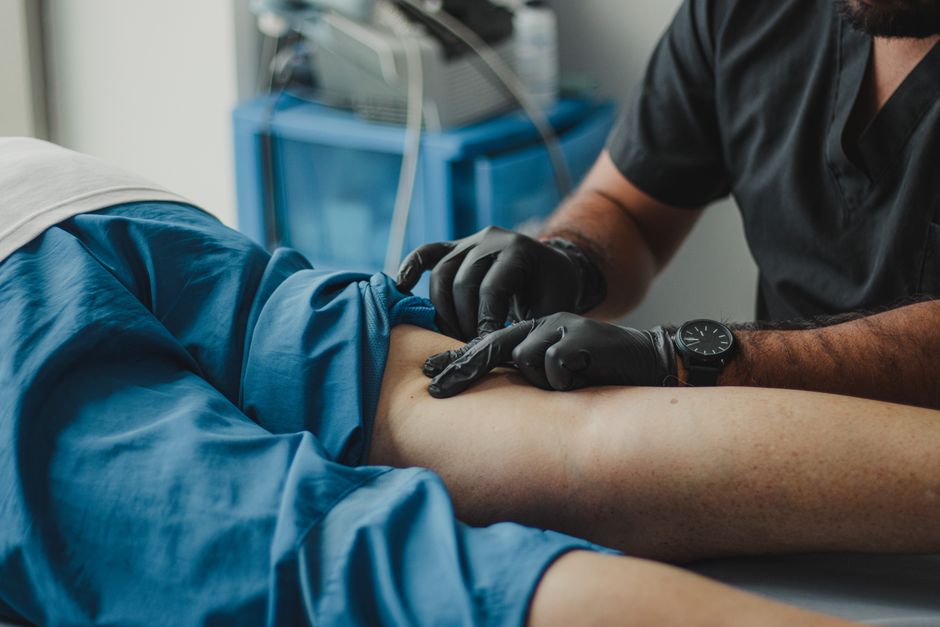
Vascular$2000 - $6000⭐ KAHF Accredited Hospitals
Varicose Vein Treatment in Korea
Minimally invasive varicose vein treatment in Korea — EVLA, RFA, VenaSeal and sclerotherapy at Seoul vein clinics, often same-day and walk-out.
Quick Answer
- Most varicose veins in Korea are treated with minimally invasive, outpatient techniques — endovenous laser ablation (EVLA), radiofrequency ablation (RFA), VenaSeal medical adhesive, or sclerotherapy — rather than open vein stripping.
- Procedures are usually done under local or tumescent anesthesia in about 30–60 minutes, with no overnight hospital stay and walking permitted the same day.
- Costs in Korea are typically a fraction of US prices — roughly $150–$300 per sclerotherapy session and several hundred to low-thousands of USD for laser or radiofrequency ablation, depending on the leg and technique.
- Korea pairs experienced vein specialists with a government-supported medical-tourism system (KHIDI / Medical Korea), most of it concentrated in Seoul's Gangnam district.
At a Glance
| Procedure time | About 30–60 minutes per leg (ablation); sclerotherapy sessions are shorter |
|---|---|
| Anesthesia | Local or tumescent anesthesia; VenaSeal often needs no tumescent anesthesia |
| Hospital stay | None — performed as an outpatient day procedure |
| Recommended stay in Korea | Around 5–10 days to allow consultation, ultrasound, treatment and a follow-up check |
| Recovery | Walking the same day; most return to normal activity within about a week |
| Typical cost in Korea | Roughly $150–$300 per sclerotherapy session; higher for EVLA/RFA/VenaSeal (approximate USD) |
Overview
Varicose veins are enlarged, twisted leg veins that develop when one-way valves weaken and blood pools instead of flowing back toward the heart. They can cause aching, heaviness, swelling, itching and visible bulging veins.
Korean vein clinics treat them mainly with minimally invasive, image-guided techniques rather than traditional open surgery. Treatment is selected after a clinical exam and duplex ultrasound that maps which veins are refluxing.
Common options include:
- Endovenous laser ablation (EVLA) — laser heat seals the faulty vein from inside.
- Radiofrequency ablation (RFA) — radiofrequency energy closes the vein.
- VenaSeal — a medical adhesive shuts the vein without heat.
- Sclerotherapy — an injected solution collapses smaller veins.
Most procedures are performed on an outpatient basis in Seoul, with many clinics in the Gangnam area experienced in serving international patients.
Get an ultrasound-based quote
Prices vary widely by technique, leg and number of veins. Ask for a written, itemized quote after your in-person duplex ultrasound rather than relying on a starting price.
Plan your flight around clot risk
Long flights and immobility after vein procedures can raise clot risk. Discuss return-flight timing, compression and any blood-clot precautions with your specialist before booking travel.
Am I a Candidate?
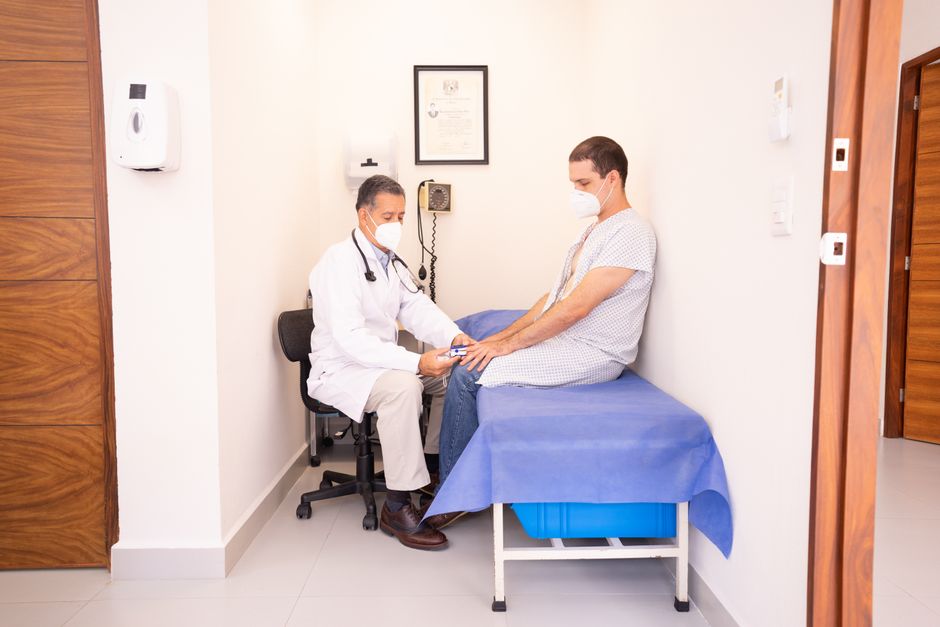
You may be a candidate if you have symptomatic varicose veins — aching, heaviness, swelling, skin changes or bulging veins — confirmed by ultrasound to involve vein reflux.
A Korean vascular or phlebology specialist typically reviews:
- The size, location and number of affected veins.
- Ultrasound findings showing which veins are refluxing.
- Skin condition, prior clots and overall vascular health.
- Whether symptoms are cosmetic, medical, or both.
The chosen technique depends on your anatomy. Larger truncal veins are often suited to EVLA, RFA or VenaSeal, while smaller surface and spider veins are commonly addressed with sclerotherapy.
People with active leg infection, certain clotting conditions, pregnancy, or specific medical histories may need to wait or pursue alternatives. Bring any prior ultrasound reports and a current medication list.
A remote consultation before travel helps confirm suitability and avoid an unnecessary trip.
How the Procedure Works
Treatment usually follows a clear sequence on the day of the procedure.
- Mapping — the specialist uses duplex ultrasound to mark the target veins on your leg.
- Anesthesia — local or tumescent anesthesia numbs the area; heat-based methods generally use tumescent anesthesia, while VenaSeal often does not.
- Access — a thin catheter or fine needle is placed into the vein, typically through a small puncture rather than an incision.
For EVLA and RFA, energy is delivered along the catheter as it is withdrawn, heating and sealing the vein closed. For VenaSeal, a small amount of medical adhesive is deposited to shut the vein. For sclerotherapy, a solution is injected to collapse smaller veins.
Blood naturally reroutes through healthy deep veins. A bandage or compression stocking is applied, and you are usually walking shortly afterward before going home the same day.
Recovery Timeline
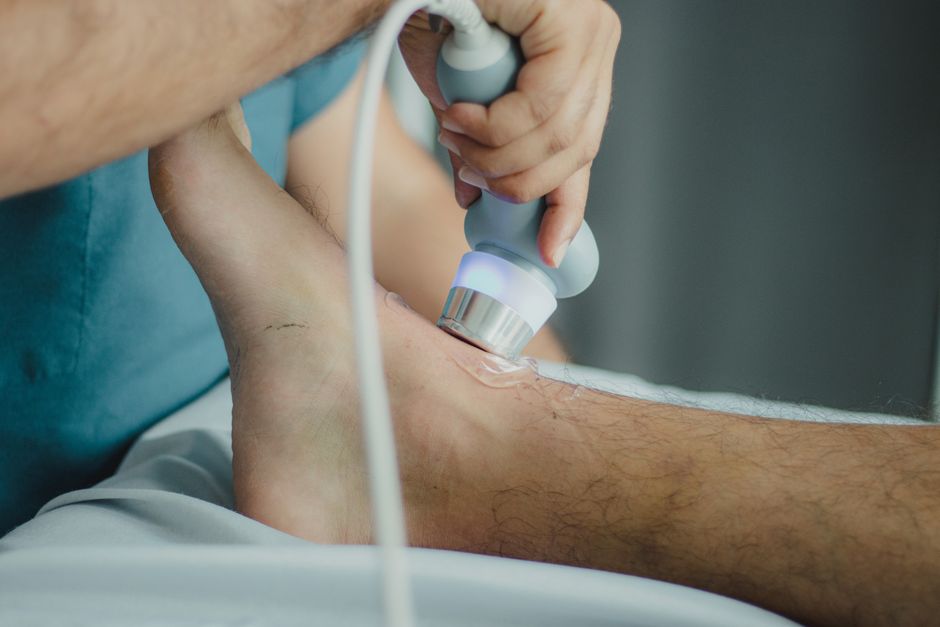
Recovery from minimally invasive vein treatment is generally quick, though it varies by technique and how many veins are treated.
- Day of procedure — walking is encouraged almost immediately; you go home the same day.
- First few days — minor bruising, tightness or soreness along the treated vein is common and usually mild.
- First week — many people resume normal daily activities; compression stockings are often worn as advised.
- Weeks to months — treated veins gradually fade as the body absorbs them.
Clinics typically advise regular walking, avoiding prolonged standing or sitting, and limiting strenuous exercise, long flights and hot baths for a short period.
A follow-up ultrasound or review before you leave Korea helps confirm the vein has closed. Because air travel and immobility carry clot risk, discuss flight timing and any blood-clot precautions with your specialist before booking your return.
Cost Breakdown
Costs in Korea are typically far lower than in the United States, where laser or radiofrequency ablation can run into the low thousands of dollars per leg.
In Korea, sclerotherapy commonly starts around $150–$300 per session, while EVLA, RFA and VenaSeal generally cost more and vary with the leg, the number of veins, and the technique used.
What shapes the final price:
- Technique — adhesive and energy-based ablation usually cost more than sclerotherapy.
- Number of legs and veins treated.
- Consultation, duplex ultrasound and follow-up visits.
- Compression garments and any medication.
For international patients, also budget for flights, accommodation in Seoul, local transport, and translation or coordination services where used.
Always request a written, itemized quote after your in-person ultrasound, since the published figures here are approximate USD ranges rather than fixed prices and individual cases differ.
| Item | Typical Cost in Korea (USD) |
|---|---|
| Specialist consultation + duplex ultrasound | $50–$200 |
| Sclerotherapy (per session) | $150–$300 |
| Endovenous laser ablation (EVLA), per leg | $1,000–$3,000 |
| Radiofrequency ablation (RFA), per leg | $1,200–$3,500 |
| VenaSeal medical adhesive, per leg | $1,500–$4,000 |
Why Korea
Korea has become a major destination for medical travel, drawing more than a million international patients in 2024, with the large majority treated in Seoul and a heavy concentration in the Gangnam district.
Reasons international patients consider Korea for vein care include:
- Experienced specialists at clinics focused on minimally invasive vein treatment.
- Modern, ultrasound-guided techniques such as EVLA, RFA and VenaSeal.
- Lower prices than many Western countries for comparable procedures.
- A government-supported medical-tourism framework through KHIDI and the Medical Korea / Visit Medical Korea program, including multilingual information and registered-provider systems.
Korean medical institutions and devices are regulated by the Ministry of Food and Drug Safety (MFDS).
Seoul's clinic density, English-speaking coordinators at many international clinics, and the city's transport and accommodation options make travel and follow-up relatively convenient. As with any procedure abroad, confirm the clinic's credentials and your specific treatment plan before committing.
Key Takeaways
- Korea treats varicose veins mainly with minimally invasive, outpatient methods — EVLA, RFA, VenaSeal and sclerotherapy — usually with no overnight stay and same-day walking.
- Costs are typically well below US prices, but depend on technique, number of legs and veins; always confirm with a written, ultrasound-based quote.
- Most vein care is concentrated in Seoul's Gangnam district within a government-supported medical-tourism system (KHIDI / Medical Korea), with devices regulated by the MFDS.
Frequently Asked Questions
Is varicose vein treatment in Korea done as surgery or a minimally invasive procedure?
Most Korean clinics use minimally invasive, ultrasound-guided techniques — endovenous laser ablation (EVLA), radiofrequency ablation (RFA), VenaSeal adhesive, or sclerotherapy — rather than traditional open vein stripping. These are typically performed as outpatient day procedures under local or tumescent anesthesia, with no overnight hospital stay.
How long should I stay in Korea for varicose vein treatment?
A stay of roughly 5–10 days is reasonable. That allows time for an in-person consultation and duplex ultrasound, the procedure itself, and a follow-up review or ultrasound before you travel home. Your specialist may adjust this based on how many veins and legs are treated and your flight plans.
How much does varicose vein treatment cost in Korea?
Costs are approximate and vary by technique and case. Sclerotherapy commonly starts around $150–$300 per session, while EVLA, RFA and VenaSeal generally cost more and depend on the leg and number of veins. These are typically lower than US prices. Request a written, itemized quote after your ultrasound.
What is recovery like after the procedure?
Recovery is generally quick. Most patients walk the same day and return to normal daily activities within about a week. Mild bruising, tightness or soreness along the treated vein is common at first. Clinics often advise compression stockings and limiting strenuous exercise, long flights and hot baths for a short period.
Why do international patients choose Korea for vein treatment?
Korea offers experienced vein specialists, modern ultrasound-guided techniques, and generally lower prices than many Western countries, much of it concentrated in Seoul's Gangnam district. A government-supported medical-tourism framework (KHIDI / Medical Korea) provides multilingual information and registered providers, and medical devices are regulated by the MFDS.
Related Topics
Sources
Ready to Begin Your Journey?
Get matched with KAHF-accredited hospitals and receive a personalized treatment plan.
Quick Facts
Typical Cost
$2000 - $6000
Duration
3 days
Accredited Hospitals
3+ Available
Top Hospitals
Available Cities
Medical Information Disclaimer
The information provided on this page about Varicose Vein Treatment is for general educational and informational purposes only. It is not intended as, and should not be construed as, medical advice, diagnosis, or treatment recommendations.
Always seek the advice of a qualified healthcare professional regarding any medical condition or treatment. Never disregard professional medical advice or delay seeking it because of information found on this website. Individual treatment outcomes may vary. Costs shown are estimates and may differ based on individual circumstances.
KmedTour acts as a medical tourism facilitator and does not provide direct medical services. All treatments are performed by independently accredited healthcare providers in South Korea.