
Cosmetic$8000 - $15000⭐ KAHF Accredited Hospitals
V-Line Surgery in Korea
Facial bone-contouring surgery that narrows the lower jaw and chin for a slimmer, tapered profile.
Quick Answer
- Korean V-line surgery costs USD 8,000–15,000 — roughly 40–60% less than comparable jaw-contouring in the US, UK, or Australia
- Surgery combines mandible angle contouring and genioplasty through internal (intraoral) incisions, leaving no visible facial scars
- Plan a 14-day stay in Korea: 3D CT planning, the 2–3 hour procedure, and monitored healing before the surgeon clears you to fly home
At a Glance
| Procedure Duration | 2–3 hours |
|---|---|
| Anesthesia | General anesthesia |
| Recovery Time | 14 days in Korea; 4–6 weeks for swelling to resolve |
| Hospital Stay | 1 night observation |
| Results Duration | Permanent (bone reshaping) |
| Cost Range | USD 8,000–15,000 |
Overview
V-line surgery is a facial bone-contouring procedure that reshapes the lower jaw and chin to create a slimmer, more tapered jawline. Korea is a well-established destination for this surgery because it is performed by oral and maxillofacial specialists working from detailed 3D imaging in hospitals experienced with international patients.
The procedure addresses a wide or square lower face by reshaping the underlying bone rather than soft tissue alone.
It combines two main elements: contouring of the mandible angle, the corner of the jaw near the ear, to reduce squareness, and a genioplasty, a reshaping of the chin bone to refine its width and projection.
Together these narrow the lower third of the face into the tapered V shape the procedure is named for.
This is bone surgery and is planned carefully. Korean centers typically use 3D CT imaging to map the jaw and chin, plan the exact cuts, and account for the position of the inferior alveolar nerve, which runs through the lower jaw and supplies sensation to the lip and chin.
Protecting this nerve is a central part of safe planning. The surgery is performed under general anesthesia, usually through incisions inside the mouth so there are no external scars.
The operation generally takes two to three hours, and the work is led throughout by an oral and maxillofacial specialty team.
V-line surgery in Korea carries a stated success rate above ninety-five percent and a price range of eight thousand to fifteen thousand US dollars. The longer fourteen-day stay allows monitored healing near a major nerve.
It is positioned as a precise, individualized option for international patients seeking a refined lower-face contour.
Important
Temporary numbness or altered sensation of the lower lip and chin can occur because the inferior alveolar nerve runs through the lower jaw. This typically resolves over weeks to months and is monitored at every follow-up visit.
All incisions are made inside the mouth. There are no external facial scars.
Am I a Candidate?
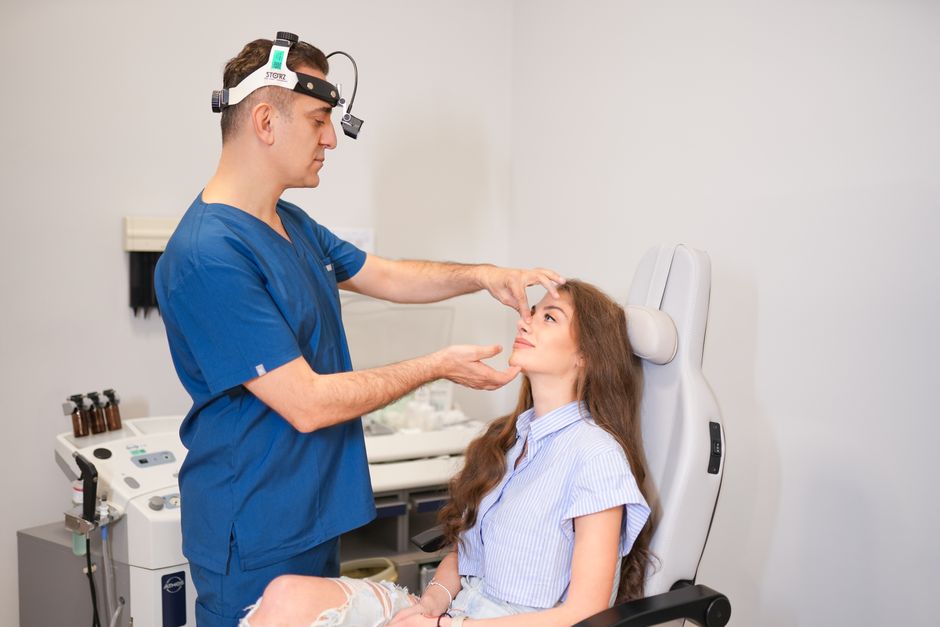
Good candidates are adults in stable general health who have completed facial bone growth and want to reshape a wide or square lower jaw and chin.
It suits people whose concern is the bone structure of the lower face rather than soft tissue or skin alone, since the procedure reshapes the mandible angle and chin bone.
Because this is bone surgery, suitability depends on jaw anatomy, bite alignment, and the position of the inferior alveolar nerve, all assessed using 3D CT imaging during planning. The surgeon checks that reshaping the bone will achieve the goal safely while preserving function and protecting the nerve.
The procedure is generally postponed during pregnancy, with an active infection, with untreated dental or gum disease, or when a bite or jaw-joint problem needs separate review first. Non-smokers, or those willing to stop before and after surgery, heal better.
A thorough consultation with an oral and maxillofacial specialist, including imaging, confirms whether V-line surgery is appropriate or whether another approach would better suit the patient's facial structure and goals.
How the Procedure Works
Planning begins with a consultation and 3D CT imaging, which maps the jaw and chin in detail. The surgeon uses this to plan the exact bone cuts and to locate the inferior alveolar nerve so it can be protected throughout.
This imaging-based planning is central to the procedure and is led by an oral and maxillofacial specialist.
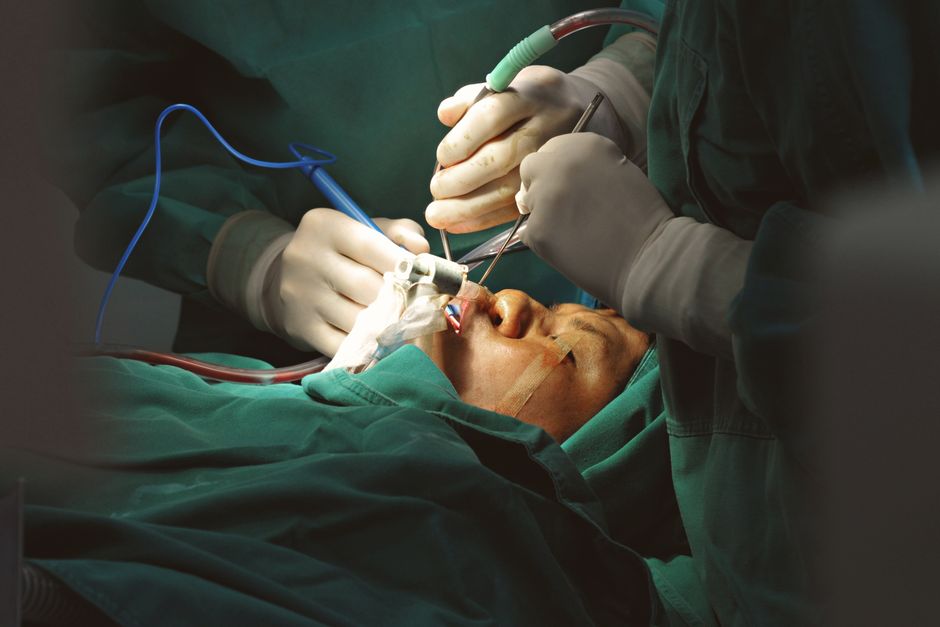
The surgery is performed under general anesthesia, with incisions made inside the mouth so there are no visible external scars. Two main steps are combined.
Mandible angle contouring reshapes the corner of the lower jaw to reduce squareness; this often includes an angle ostectomy to remove a portion of the angle, and may include cortical bone shaving to slim the outer surface of the jaw and give a smoother taper when viewed from the front.
The second step is a genioplasty, a reshaping of the chin. A narrowing genioplasty removes a central strip of chin bone and brings the sides together to reduce width, and the chin can also be adjusted in height or projection as planned.
These adjustments are fixed in their new position with small plates and screws.
Throughout, the surgeon works close to the inferior alveolar nerve and protects it, since it supplies sensation to the lower lip and chin. The combined work narrows the lower third of the face.
The incisions inside the mouth are closed with dissolvable sutures, and the operation generally takes two to three hours, after which the patient is monitored as recovery begins.
Recovery Timeline
Recovery is planned around a stay in Korea of about fourteen days, longer than for soft-tissue procedures because this is bone surgery near a major nerve.
After surgery the patient rests under close observation, with significant swelling and bruising of the lower face expected in the first days, along with tightness and difficulty opening the mouth fully.
A facial compression band is often worn to control swelling, and a soft or liquid diet is needed early while the mouth heals.
In the first one to two weeks the surgeon reviews healing at several follow-up visits, checks the intraoral incisions, monitors swelling, and confirms there are no concerns.
Temporary numbness or altered sensation of the lower lip and chin can occur because of the work near the inferior alveolar nerve, and this is reviewed at follow-up. Oral hygiene is managed carefully with prescribed rinses to keep the inside-mouth wounds clean.
Flying home is generally cleared around day fourteen, once the surgeon confirms the wounds are healing well and the early swelling has begun to settle. This longer monitored window is why the fourteen-day stay is structured this way.
Most of the visible swelling subsides over the following weeks, while the refined jawline emerges gradually over several months as the bone settles and residual swelling resolves. Patients receive written aftercare instructions and remote follow-up contact for the period after returning home.

Cost Breakdown
The price for V-line surgery ranges from eight thousand to fifteen thousand US dollars. The range reflects the extent of bone work, whether mandible angle contouring and genioplasty are both performed, the complexity of the anatomy, the 3D imaging and planning involved, and the hospital.
Quoted packages generally cover the surgeon's fee, the operating facility, anesthesia, 3D CT planning, the fixation plates and screws used, standard pre-operative assessment, and scheduled post-operative follow-up visits during the stay. A written quotation is provided after consultation and imaging review so the inclusions are clear before travel.
Items that typically sit outside the surgical quote include international flights, accommodation, local transport, meals, interpretation if required, and travel insurance. Extended medication, extra garments, dental treatment, or management of unrelated conditions found during assessment may also fall outside the quote.
Because this is a longer stay, accommodation across two weeks is an important part of the overall travel budget. Patients receive an itemized estimate so the covers-versus-excludes breakdown is understood in advance, alongside guidance on accommodation and travel costs for the longer stay.
| Item | Typical Cost in Korea (USD) |
|---|---|
| Mandible angle contouring (alone) | |
| Genioplasty (chin reshaping) | |
| Combined V-line package | |
| 3D CT planning |
Why Korea
Korea has built a structured medical-tourism system that makes it a practical destination for V-line surgery. The Ministry of Health and Welfare regulates healthcare standards, and the Korea Health Industry Development Institute, through its Medical Korea program, supports international patients seeking treatment in the country.
Hospitals that treat foreign patients are registered under this national framework, and many pursue accreditation. The Korea Institute for Healthcare Accreditation, KOIHA, oversees domestic accreditation that signals consistent safety and care standards, giving overseas patients an external reference point when comparing providers.
Facial bone contouring is a recognized area of expertise in Korea, performed by oral and maxillofacial specialists using 3D CT planning to map the jaw, plan precise bone cuts, and protect the inferior alveolar nerve. Modern surgical facilities and detailed imaging support careful, individualized planning.
International patient centers at many hospitals provide coordination, language assistance, and clear scheduling, which matters for a longer stay when traveling from Africa, the Middle East, or Asia.
Key Takeaways
- V-line surgery reshapes bone permanently — the result does not rely on fillers or implants and does not fade over time
- 3D CT imaging is mandatory for safe planning: it maps the exact jaw anatomy and locates the inferior alveolar nerve before any bone cuts are made
- The 14-day Korea stay is longer than most cosmetic procedures specifically because this is bone surgery near a critical nerve
Frequently Asked Questions
Will V-line surgery leave visible scars?
The incisions are usually made inside the mouth, so there are no visible external scars on the face. The intraoral wounds are closed with dissolvable sutures and managed with prescribed rinses to keep them clean while they heal. Because the work is done from inside, careful oral hygiene during early recovery is an important part of your aftercare.
Why is the stay fourteen days?
V-line surgery is bone surgery performed near the inferior alveolar nerve, so it needs a longer monitored recovery than soft-tissue procedures. The fourteen-day stay allows for imaging-based planning, the surgery, and several follow-up visits where the surgeon checks the intraoral incisions, monitors swelling, and confirms healing before clearing you to fly home around day fourteen.
Is the inferior alveolar nerve at risk?
This nerve runs through the lower jaw and supplies sensation to the lip and chin, so protecting it is a central part of planning. 3D CT imaging is used to locate it precisely before surgery. Temporary numbness or altered sensation can occur and is reviewed at follow-up. Careful planning by an oral and maxillofacial specialist is used to safeguard the nerve.
What does V-line surgery involve?
It combines mandible angle contouring, which reshapes the square corner of the lower jaw and may include shaving the outer bone, with a genioplasty that reshapes the chin, often narrowing it by removing a central strip of bone. Repositioned bone is fixed with small plates and screws. Together these narrow the lower third of the face into a tapered shape.
What does the price typically include?
Quotes generally cover the surgeon's fee, operating facility, anesthesia, 3D CT planning, the fixation plates and screws, pre-operative assessment, and follow-up visits during your stay. Flights, accommodation across the two-week stay, local transport, meals, and travel insurance are usually excluded. You receive an itemized written quotation after consultation so the inclusions are clear before you travel.
Related Topics
Sources
Ready to Begin Your Journey?
Get matched with KAHF-accredited hospitals and receive a personalized treatment plan.
Quick Facts
Typical Cost
$8000 - $15000
Duration
14 days
Accredited Hospitals
3+ Available
Top Hospitals
Available Cities
Medical Information Disclaimer
The information provided on this page about V-Line Surgery is for general educational and informational purposes only. It is not intended as, and should not be construed as, medical advice, diagnosis, or treatment recommendations.
Always seek the advice of a qualified healthcare professional regarding any medical condition or treatment. Never disregard professional medical advice or delay seeking it because of information found on this website. Individual treatment outcomes may vary. Costs shown are estimates and may differ based on individual circumstances.
KmedTour acts as a medical tourism facilitator and does not provide direct medical services. All treatments are performed by independently accredited healthcare providers in South Korea.