Spine$8000 - $18000⭐ KAHF Accredited Hospitals
UBE Spinal Surgery in Korea
Minimally invasive spinal surgery using two small portals — pioneered and refined by Korean spine surgeons for disc and stenosis conditions.
Quick Answer
- UBE (Unilateral Biportal Endoscopy) uses two 8–10 mm skin portals: one for the HD endoscope camera, one for surgical instruments, allowing full epidural-space access with no muscle stripping.
- Korea originated the modern UBE technique — the first published scientific descriptions and the UBE Society (est. 2017) both emerged from Korean spine surgery programs.
- Typical Korea cost range: $6,000–$18,000 USD depending on procedure type (decompression vs. fusion), versus $40,000–$100,000+ for comparable open surgery in the US.
- Most patients are walking within 24–48 hours after a decompression-only UBE procedure; hospital stay is typically 2–5 days.
At a Glance
| Procedure time | 45–120 minutes depending on single vs. multi-level and decompression vs. fusion |
|---|---|
| Anesthesia | General or spinal (epidural) anesthesia; surgeon and patient preference |
| Hospital stay | 2–5 days (decompression); 4–7 days (fusion/PLIF/TLIF) |
| Recommended stay in Korea | 10–21 days total to cover post-op checks and initial physiotherapy |
| Recovery | Light activity in 1–2 weeks; desk work in 3–6 weeks; full activity in 2–4 months |
| Typical cost in Korea | $6,000–$18,000 USD (decompression to fusion range) |
Overview
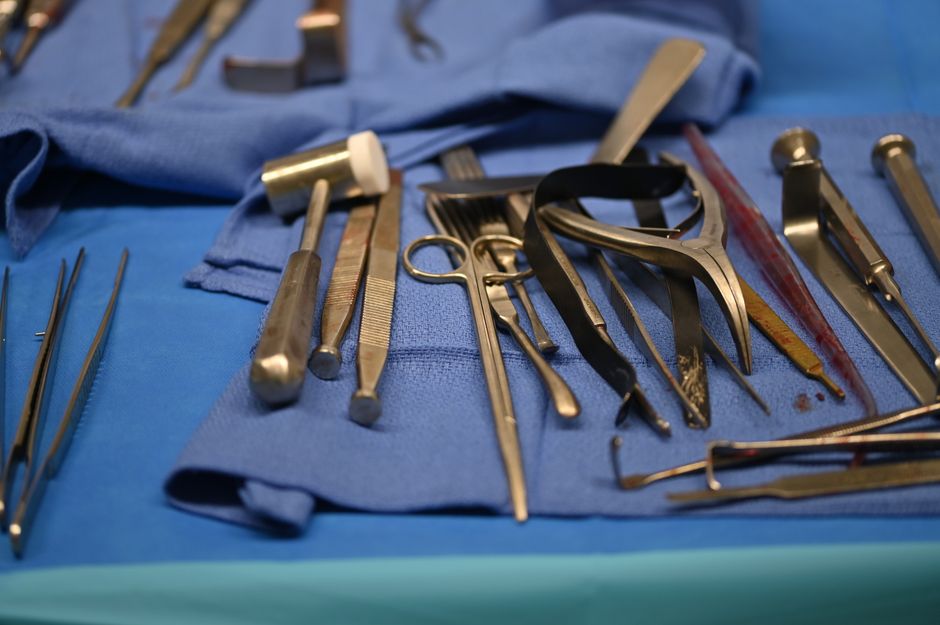
Unilateral Biportal Endoscopy (UBE) is a minimally invasive spinal technique that uses two small skin portals — typically 8 to 10 mm each — placed on the same side of the spine. One portal carries the HD endoscope and saline irrigation system; the other accommodates standard open-surgery instruments.
This two-channel design separates the visualization and working channels, giving surgeons an unrestricted field of view and the freedom to use conventional instruments rather than proprietary single-portal tools. The operative field is continuously irrigated, which keeps the endoscope clear, controls minor bleeding, and reduces thermal tissue damage.
UBE can address the full spectrum of common degenerative spinal conditions, including lumbar and cervical disc herniation, lumbar spinal stenosis, and even spinal fusion procedures such as PLIF (posterior lumbar interbody fusion) and TLIF (transforaminal lumbar interbody fusion).
Because no large muscle retractors are used, paraspinal muscle damage is substantially lower than in traditional open surgery. Patients typically experience less post-operative pain, smaller wound scars, and a faster return to mobility than with conventional approaches.
Korea is internationally regarded as the cradle of modern UBE. The first peer-reviewed descriptions of the biportal endoscopic technique for spinal stenosis decompression were published by Korean surgeons, and the UBE Society — the global professional organization for UBE practitioners — was formally established in Korea in 2017.
Bring your full imaging history
Korean spine surgeons will want to review your MRI (ideally within the past 6–12 months) and any prior surgical reports before confirming candidacy and quoting a price. Bring digital files on a USB or upload to the hospital patient portal in advance to avoid repeat scans and delays.
Am I a Candidate?
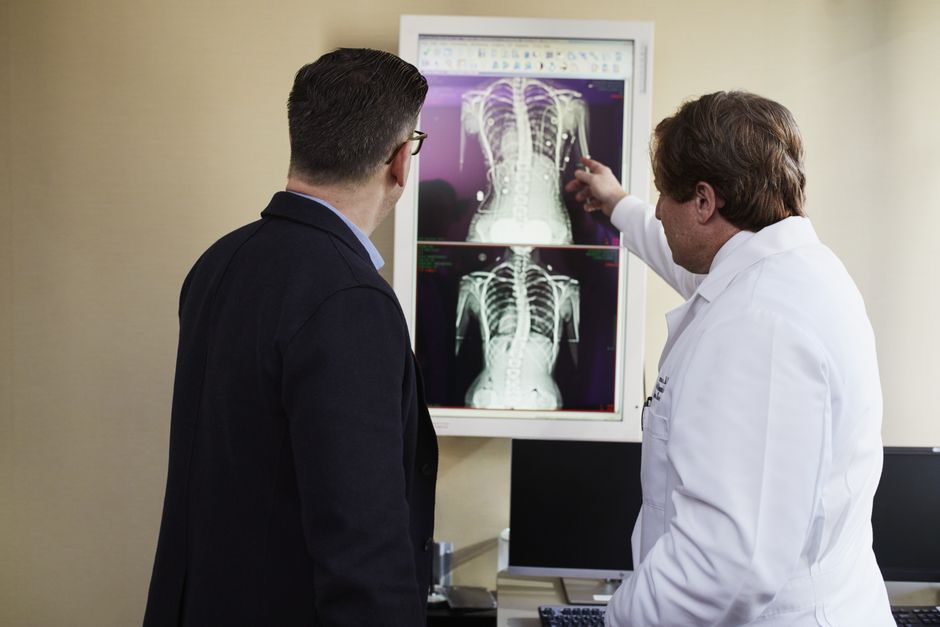
UBE is appropriate for a broad range of patients with degenerative spinal disease. A spine specialist will evaluate imaging (MRI and CT) alongside clinical history before recommending the technique.
Conditions that may benefit from UBE:
- Lumbar disc herniation causing leg pain (sciatica) or weakness
- Lumbar spinal stenosis — narrowing that compresses nerve roots or the cauda equina
- Cervical disc herniation with arm pain or myelopathy
- Degenerative spondylolisthesis (one vertebra slipping over another)
- Recurrent disc herniation after prior surgery, where endoscopic access avoids scar tissue disruption
- Multi-level stenosis amenable to biportal decompression
- Spinal instability requiring fusion (PLIF/TLIF via UBE approach)
Patients who generally are not suitable for UBE:
- Severe multilevel instability requiring extensive instrumentation
- Active spinal infection or tumor involvement
- Significant coagulopathy or inability to tolerate anesthesia
- Morbid obesity combined with severe anatomical complexity at the surgeon's discretion
Age itself is not a contraindication. Surgeons in Korean centers routinely perform UBE on older adults with significant stenosis when open surgery carries higher risk.
How the Procedure Works
The following describes the typical sequence for a single-level UBE lumbar decompression, which is the most common application.
Positioning and anesthesia. The patient lies prone under general or spinal anesthesia. Fluoroscopic guidance confirms the operative level before any incision.
Portal placement. Two stab incisions — each under 10 mm — are made in the skin and fascia, one above and one below the target interlaminar window on the same side. The endoscope is inserted through the cranial portal; instruments enter through the caudal portal.
Saline irrigation field. Continuous saline flow through the endoscope portal creates and maintains a fluid-distended working space in the epidural area, giving a high-definition view without tissue desiccation.
Bone and ligament work. Using standard kerrison rongeurs, drills, and curettes — the same tools used in open surgery — the surgeon removes the relevant portion of the ligamentum flavum, lamina, and any osteophytes compressing neural structures.
Disc fragment removal (if applicable). For disc herniation, the herniated nucleus pulposus fragment is identified and excised under direct endoscopic vision, decompressing the affected nerve root.
Fusion steps (if applicable). For PLIF or TLIF variants, pedicle screws and an interbody cage are placed through the same or an additional small portal with fluoroscopic guidance.
Closure. Portals are closed with one or two sutures. No drain is typically required for decompression-only cases.
Recovery Timeline
Recovery after UBE is generally faster than after traditional open spine surgery, though the timeline depends on whether decompression alone or fusion was performed.
Days 1–3 (in hospital). Pain is managed with oral and IV medication. Physical therapy staff assist with initial standing and walking, typically beginning within 24–48 hours of a decompression procedure. Wound checks and neurological assessments are performed daily.
Days 4–14 (early discharge phase). Most decompression patients are discharged in 2–5 days. Fusion patients may remain 5–7 days. Those staying in Korea continue outpatient physiotherapy and wound follow-up. Walking short distances, light self-care, and non-strenuous daily activities are usually permitted.
Weeks 2–6 (light activity). Sedentary work (desk or remote) is typically possible by 3–6 weeks. Patients are advised to avoid prolonged sitting, heavy lifting, and twisting through this phase.
Weeks 6–16 (progressive return). Core strengthening physiotherapy intensifies. Most patients resume moderate physical activity. Fusion patients have a longer timeline before full clearance.
Beyond 4 months. Full return to physically demanding work or sport is usually evaluated at the 3–6 month mark by the treating surgeon. Bone fusion in PLIF/TLIF cases is confirmed on CT imaging at 6–12 months.
- Avoid long-haul flights for at least 10–14 days post-surgery
- Korean centers typically provide a discharge summary in English for ongoing care at home
Cost Breakdown
Korea's spine surgery costs for foreign patients are substantially lower than comparable procedures in the United States, Western Europe, or Australia, without compromising equipment or surgical skill.
Why Korean costs are competitive. South Korea's national health system and specialist hospital volume create efficiencies that reduce overhead per procedure. Foreign (self-pay) patients are quoted all-in package prices that frequently include surgeon fees, anesthesia, hospital room, and post-operative physiotherapy.
What affects the final price.
- Single-level vs. multi-level procedure
- Decompression only vs. fusion (PLIF/TLIF adds implant costs)
- Private vs. shared room selection
- Duration of post-op physiotherapy included in the package
- Interpreter and coordination services
All prices are approximate USD ranges for self-pay foreign patients. Costs should be confirmed directly with the treating hospital through Medical Korea or KHIDI-registered medical tourism coordinators. Exact quotes require review of your MRI and clinical history.
KHIDI (Korea Health Industry Development Institute) and the Medical Korea program provide a framework for hospitals serving international patients, including price transparency guidance and coordination support for those traveling from Africa, GCC, and Southeast Asia.
| Item | Typical Cost in Korea (USD) |
|---|---|
| UBE lumbar decompression (single level) | $6,000–$10,000 |
| UBE lumbar decompression (two levels) | $9,000–$14,000 |
| UBE PLIF/TLIF fusion (single level) | $13,000–$18,000 |
| Pre-operative MRI + consultation | $300–$700 |
| Post-op physiotherapy package (per week, outpatient) | $200–$500 |
Why Korea
Korea's position as a global leader in UBE spinal surgery is grounded in the technique's own history: the first peer-reviewed publications describing biportal endoscopic decompression came from Korean spine surgeons, and the UBE Society was established in Korea in 2017, setting international training and standards.
Volume and specialization. Major Korean spine hospitals and university medical centers perform high volumes of UBE procedures annually. High procedural volume is consistently associated with refined surgical technique, reduced complication rates, and faster operating times — all of which benefit patients.
Technology and instrumentation. Korean hospitals use MFDS (Ministry of Food and Drug Safety)-approved endoscopic systems and implants, the same regulatory standard that governs all medical devices used in Korean clinical practice. Intraoperative fluoroscopy, neuromonitoring, and HD endoscope systems are standard in specialist centers.
Medical Korea program. The Korean government's Medical Korea initiative, administered in part through KHIDI, provides infrastructure for international patients: multilingual coordination, registered hospital listings, and dispute resolution mechanisms — reducing the logistical friction of traveling abroad for surgery.
Cost-to-quality ratio. Korean UBE costs for self-pay international patients are a fraction of US or Australian prices for equivalent procedures, with no compromise on hospital infrastructure or surgeon training. Many Korean spine surgeons have trained internationally and publish regularly in peer-reviewed journals.
Geographic access. Seoul and its Gangnam district host several well-known spine specialty hospitals within close proximity to Incheon International Airport, simplifying logistics for patients traveling from Africa, the Gulf, and Southeast Asia.
Key Takeaways
- UBE is a two-portal minimally invasive technique that preserves muscle, reduces recovery time, and is applicable to both decompression and fusion procedures.
- Korea originated the modern UBE technique and maintains high procedural volume, making it one of the best destinations globally for this surgery.
- Self-pay costs in Korea are substantially lower than comparable procedures in the US or Western Europe — rough range $6,000–$18,000 USD depending on procedure complexity.
- Plan for at least 10–21 days in Korea to cover surgery, initial recovery, wound checks, and early physiotherapy before a long-haul flight home.
Frequently Asked Questions
Is UBE surgery safe, and what are the main risks?
UBE is considered a safe minimally invasive technique with a complication profile broadly comparable to conventional endoscopic spine surgery. Possible risks include dural tear (causing a cerebrospinal fluid leak), incomplete decompression requiring revision, infection, and nerve injury — the same categories of risk present in open spine surgery. The continuous saline irrigation field provides good intraoperative visualization, which helps surgeons identify and protect neural structures. Discuss your specific anatomy and risk factors with your treating surgeon.
How does UBE differ from single-portal endoscopic spine surgery (PELD/TESSYS)?
Single-portal systems combine the camera and instruments in one channel, which restricts instrument freedom and field of view. UBE separates the two functions into independent portals, allowing surgeons to use conventional open-surgery instruments (kerrison rongeurs, standard drills) and to see a wider operative field. This makes UBE more adaptable for complex decompressions and fusion procedures that single-portal systems cannot easily address.
Can UBE be used for both lumbar and cervical spine problems?
Yes. UBE was initially developed and most commonly applied in the lumbar spine for disc herniation and stenosis. Korean surgeons have extended the technique to the cervical spine for posterior decompression of cervical radiculopathy and myelopathy, with published case series supporting its use. Thoracic applications exist but are less common. The suitability for your specific level and pathology is determined by MRI findings and surgeon assessment.
Will I need a companion or caregiver during my stay in Korea?
For the first 5–10 days after surgery it is strongly advisable to travel with a companion. Early post-operative mobility is limited and assistance with daily tasks, pharmacy visits, and transport to follow-up appointments significantly reduces stress and risk. Korean hospitals catering to international patients typically have English-speaking coordinators, but having a travel companion adds an important safety layer — especially for the first days after discharge from hospital.
Does Korea's Medical Korea program offer any protections for foreign surgical patients?
Yes. Hospitals listed under the Medical Korea program administered by KHIDI are registered and monitored facilities. The program provides coordination services, multilingual support, and a patient grievance mechanism. Choosing a Medical Korea-registered hospital gives foreign patients a baseline of institutional accountability that self-arranged care at unlisted facilities does not provide.
How far in advance should I plan a UBE surgery trip to Korea?
Most patients plan 4–8 weeks in advance. This allows time to gather and send your MRI and clinical records for remote review, receive a preliminary candidacy assessment and quote, arrange visa documentation if required, and book accommodation near the hospital. Some hospitals offer telemedicine pre-consultation with an English interpreter, which can accelerate the planning process.
Related Topics
Sources
Ready to Begin Your Journey?
Get matched with KAHF-accredited hospitals and receive a personalized treatment plan.
Quick Facts
Typical Cost
$8000 - $18000
Duration
5 days
Accredited Hospitals
0+ Available
Top Hospitals
Medical Information Disclaimer
The information provided on this page about UBE Spinal Surgery is for general educational and informational purposes only. It is not intended as, and should not be construed as, medical advice, diagnosis, or treatment recommendations.
Always seek the advice of a qualified healthcare professional regarding any medical condition or treatment. Never disregard professional medical advice or delay seeking it because of information found on this website. Individual treatment outcomes may vary. Costs shown are estimates and may differ based on individual circumstances.
KmedTour acts as a medical tourism facilitator and does not provide direct medical services. All treatments are performed by independently accredited healthcare providers in South Korea.