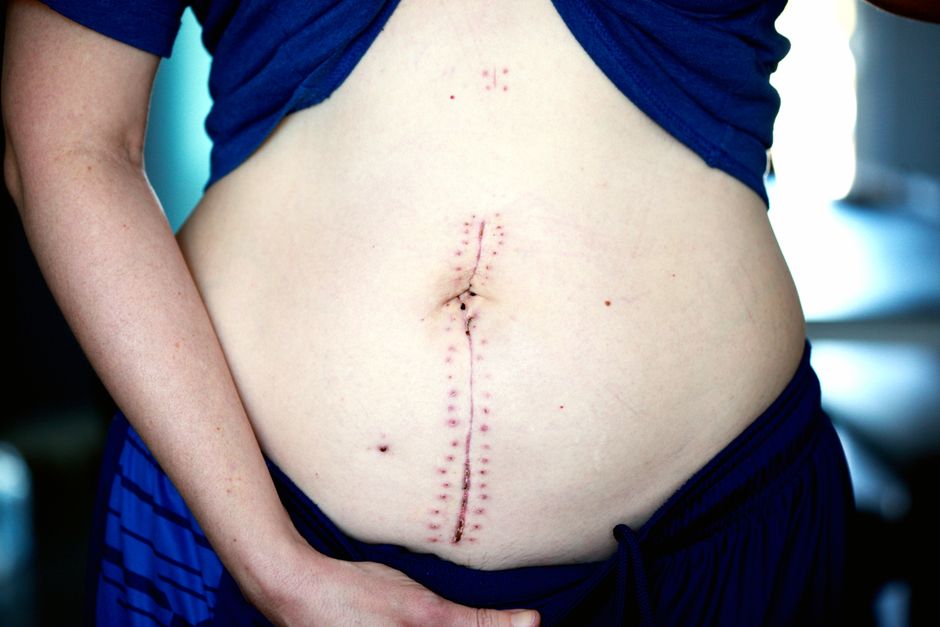
Cosmetic$5000 - $12000⭐ KAHF Accredited Hospitals
Tummy Tuck in Korea
Abdominoplasty in Seoul to remove loose lower-belly skin, repair separated muscles, and recontour the waistline.
Quick Answer
- A tummy tuck (abdominoplasty) removes excess lower-abdominal skin and fat and tightens stretched muscles that diet and exercise cannot fix.
- Korean surgeons commonly pair abdominoplasty with liposuction of the flanks and waist for a smoother overall contour.
- Typical cost in Korea runs about $6,000–$14,000 USD for a full tummy tuck, with mini versions lower.
- Plan to stay in Korea roughly 2–3 weeks for surgery, suture removal, and an early follow-up before flying home.
At a Glance
| Procedure time | Approximately 2–4 hours, longer if combined with liposuction |
|---|---|
| Anesthesia | General anesthesia |
| Hospital stay | Often 1–2 nights for a full abdominoplasty |
| Recommended stay in Korea | About 2–3 weeks |
| Recovery | 2–4 weeks off desk work; 6+ weeks before full activity |
| Typical cost in Korea | Approx. $6,000–$14,000 USD (mini tuck lower) |
Overview
Abdominoplasty, commonly called a tummy tuck, addresses loose abdominal skin, stretched muscles (diastasis recti), and stubborn lower-belly fat that cannot be resolved through diet and exercise alone.
It is particularly sought after following significant weight loss or pregnancy, when skin and the underlying muscle wall have been stretched beyond their ability to retract.
Korean plastic surgeons typically combine abdominoplasty with liposuction of the flanks and waist for a more comprehensive body contour rather than treating the front of the abdomen in isolation.
The operation reshapes the midsection in two ways at once:
- removing the excess skin and fat that hangs or folds below the navel
- tightening the abdominal wall so the waistline looks flatter and more defined
It is a body-contouring procedure, not a weight-loss method, and works best once weight has been stable for several months.
Many patients describe the goal as restoring a flatter, firmer profile that clothing and exercise alone could no longer deliver. The combination of skin removal and muscle repair is what distinguishes a tummy tuck from liposuction, which only removes fat.
Stabilize your weight first
A tummy tuck contours the abdomen but is not a weight-loss procedure. Surgeons generally advise reaching a stable weight, and waiting if you plan future pregnancies, so the muscle repair and skin removal last.
Budget for the full stay
Plan for roughly 2–3 weeks in Korea so sutures can be removed and you can attend an in-person follow-up before a long flight. Factor accommodation and recovery time into the total cost, not just the surgical fee.
Am I a Candidate?
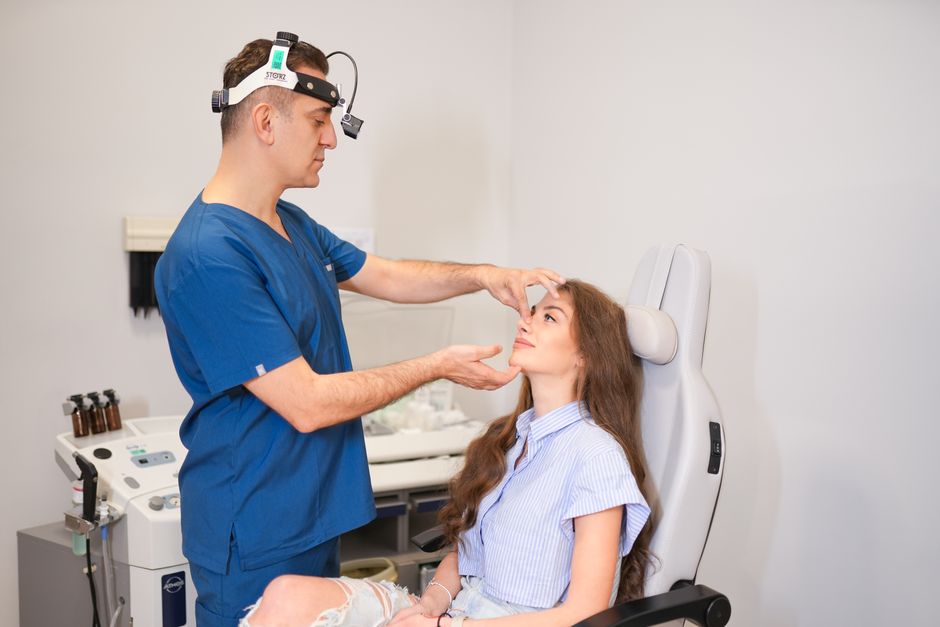
A tummy tuck suits adults who are at or near a stable weight and bothered by loose skin or a weakened abdominal wall that exercise has not corrected.
Good candidates often include:
- people who have had one or more pregnancies with separated abdominal muscles
- patients after major weight loss left with a skin apron or folds
- those with stubborn lower-belly laxity despite a consistent fitness routine
A Korean surgeon assesses the whole abdomen during consultation, including skin quality above the navel, the presence and degree of diastasis recti, and the position of the belly button.
That assessment guides whether a full abdominoplasty (correcting above and below the navel) or a mini version (limited to the area below the navel) fits your anatomy.
Women planning future pregnancies are usually advised to wait, since pregnancy can re-stretch the repaired muscle and skin. Non-smokers in good general health tend to heal more predictably.
How the Procedure Works
Abdominoplasty is performed under general anesthesia and usually takes around 2–4 hours, longer when liposuction is added.
The main steps generally include:
- a low, hip-to-hip incision placed where it can sit below the bikini or underwear line
- separating the skin and fat layer from the abdominal wall up toward the ribs
- repairing diastasis recti by stitching the separated muscles back toward the midline to firm the abdominal wall
- trimming the excess skin and fat, then redraping the remaining skin downward
- creating a new opening so the belly button is repositioned to look natural
When flanks and the waist are also contoured, liposuction is carried out in the same session.
Thin drains are sometimes placed to clear fluid, and a compression garment is fitted around the midsection before you leave the operating room to support the tissues and limit swelling.
Throughout the operation the surgeon balances how much skin to remove against keeping the closure comfortable and the scar as low as possible, which is why the precise plan is confirmed against your own anatomy on the day.
Recovery Timeline
A compression garment is standard aftercare and is worn around the midsection to ease discomfort and reduce swelling during healing.
A typical timeline looks like this:
- First days: rest with the upper body slightly bent to protect the muscle repair; short, gentle walks begin early
- First 1–2 weeks: sutures or drains are removed; swelling and bruising are most noticeable
- 2–4 weeks: most people return to desk work and light daily activity
- 6+ weeks: clearance for the gradual return to full exercise and heavier lifting
Final contour continues to refine over several months as residual swelling settles and the scar matures and fades.
For medical travelers, staying in Korea about 2–3 weeks allows for suture removal and at least one in-person follow-up before flying. Always follow your surgeon's specific guidance on garment wear, activity, and long-haul travel timing.
Healing varies from person to person, so use these windows as a general guide rather than a fixed schedule. Tell your care team promptly about unusual pain, swelling, redness, or fever rather than waiting for a scheduled visit.

Cost Breakdown
In Korea, a full abdominoplasty typically costs about $6,000–$14,000 USD, while a mini tummy tuck is generally lower because it treats a smaller area.
Several factors move the final price:
- whether the procedure is a full or mini abdominoplasty
- added liposuction of the flanks and waist
- the surgeon's experience and the clinic's location, with prestigious Gangnam (Seoul) clinics often priced higher
- anesthesia, facility fees, and post-operative care such as garments and follow-ups
Medical-tourism packages sometimes bundle the surgery with consultations, aftercare, and coordination, which raises the headline figure but can simplify planning.
All figures are approximate USD ranges and not quotes; your individual price depends on your anatomy and the agreed surgical plan.
When comparing destinations, weigh the total cost of surgery, accommodation, and the recommended recovery stay rather than the procedure fee alone.
It is also worth asking exactly what a quoted price includes, since anesthesia, garments, medications, and follow-up visits are sometimes itemized separately rather than bundled into the headline number.
| Item | Typical Cost in Korea (USD) |
|---|---|
| Mini tummy tuck (below-navel correction) | $3,500–$8,000 |
| Full abdominoplasty | $6,000–$14,000 |
| Abdominoplasty with flank/waist liposuction | $8,000–$16,000 |
| Compression garment and follow-up aftercare | $150–$600 |
Why Korea
South Korea is an established destination for cosmetic and body-contouring surgery, with a dense concentration of plastic-surgery clinics in Seoul, especially the Gangnam district.
Reasons international patients consider Korea include:
- surgeons who frequently perform body-contouring and combine abdominoplasty with liposuction for a cohesive result
- clinics oriented toward international medical travelers, often with language support and coordinated aftercare
- a regulatory framework in which medical devices and medicines are overseen by the Ministry of Food and Drug Safety (MFDS)
Korea's medical-tourism sector is also supported at a national level by the Korea Health Industry Development Institute (KHIDI), which promotes the country's healthcare services to overseas patients.
As with any destination, outcomes depend on the individual surgeon and clinic, not the country alone. Verify credentials, ask to see relevant before-and-after cases, and confirm aftercare arrangements before committing to travel.
Good questions to raise during a consultation include how often the surgeon performs abdominoplasty, what is and is not included in the price, and how follow-up care is handled once you return home.
Key Takeaways
- A tummy tuck removes loose lower-abdominal skin and fat and repairs separated muscles (diastasis recti); in Korea it is often combined with flank and waist liposuction.
- Expect about 2–4 weeks before returning to desk work and 6+ weeks before full activity, with a recommended Korea stay of roughly 2–3 weeks.
- Costs in Korea run approximately $6,000–$14,000 USD for a full abdominoplasty, with mini versions lower; final price depends on anatomy, added liposuction, and the clinic.
Frequently Asked Questions
What is the difference between a full and a mini tummy tuck?
A full abdominoplasty addresses the abdomen both above and below the navel and usually repairs the full length of separated muscles, while a mini tummy tuck treats only the area below the navel. A mini version is less invasive and generally lower in cost, but it suits patients with limited skin laxity. Your surgeon recommends the right type after assessing your skin quality, muscle separation, and belly-button position.
Does a tummy tuck repair separated abdominal muscles?
Yes. A core part of a full abdominoplasty is repairing diastasis recti, where the vertical abdominal muscles have separated, often after pregnancy. The surgeon stitches the muscles back toward the midline to firm the abdominal wall, which helps flatten the waistline. This muscle repair is one reason recovery requires several weeks of restricted activity.
How long should I stay in Korea for a tummy tuck?
Most international patients stay about 2–3 weeks. This allows time for the surgery, any drain or suture removal, and at least one in-person follow-up so your surgeon can confirm you are healing well before a long flight. Always follow your surgeon's specific advice on when long-haul travel is safe for you.
How much does a tummy tuck cost in South Korea?
A full abdominoplasty in Korea typically costs about $6,000–$14,000 USD, and a mini tummy tuck is generally lower. Adding liposuction of the flanks and waist increases the price, and clinics in prime areas such as Gangnam in Seoul may charge more. These are approximate ranges, not quotes; your individual cost depends on your anatomy and surgical plan.
Will I have a visible scar after a tummy tuck?
Yes, a full abdominoplasty leaves a low horizontal scar between the hips, typically placed so it can sit below the bikini or underwear line, plus a small scar around the repositioned belly button. The scar is permanent but usually fades and matures over several months. Following your surgeon's scar-care and garment instructions supports the best healing.
Related Topics
Ready to Begin Your Journey?
Get matched with KAHF-accredited hospitals and receive a personalized treatment plan.
Quick Facts
Typical Cost
$5000 - $12000
Duration
10 days
Accredited Hospitals
3+ Available
Top Hospitals
Available Cities
Medical Information Disclaimer
The information provided on this page about Tummy Tuck is for general educational and informational purposes only. It is not intended as, and should not be construed as, medical advice, diagnosis, or treatment recommendations.
Always seek the advice of a qualified healthcare professional regarding any medical condition or treatment. Never disregard professional medical advice or delay seeking it because of information found on this website. Individual treatment outcomes may vary. Costs shown are estimates and may differ based on individual circumstances.
KmedTour acts as a medical tourism facilitator and does not provide direct medical services. All treatments are performed by independently accredited healthcare providers in South Korea.