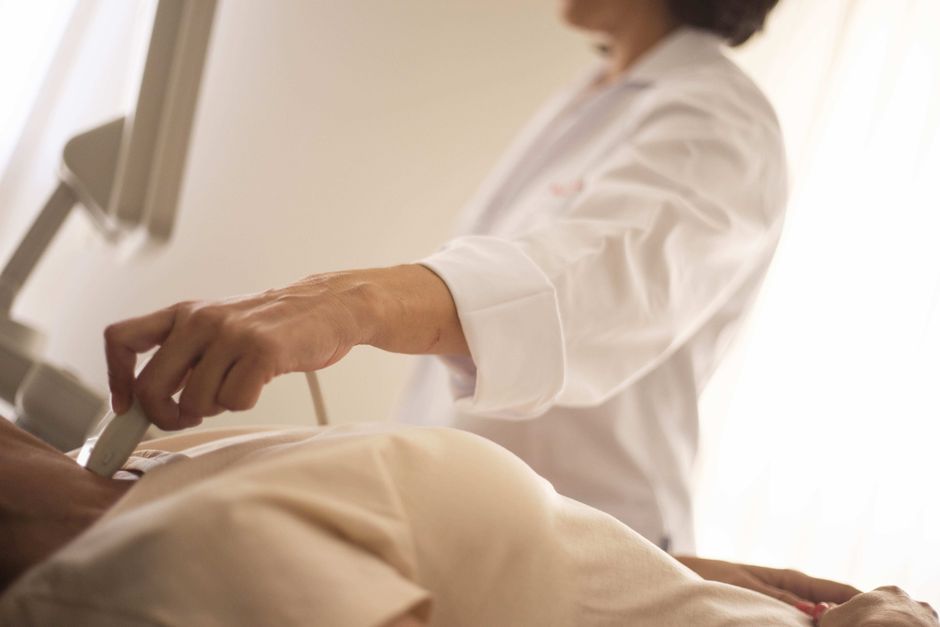
Endocrine$6000 - $15000⭐ KAHF Accredited Hospitals
Thyroid Surgery in Korea
Thyroidectomy in South Korea for nodules, goiter, and thyroid cancer, including scar-hiding robotic and transoral approaches at Seoul hospitals.
Quick Answer
- Thyroid surgery (thyroidectomy) removes part or all of the thyroid gland to treat cancer, large goiters, overactive nodules, or symptoms from compression.
- Korean hospitals are known for high-volume thyroid programs and remote-access techniques such as BABA robotic and transoral approaches that avoid a visible neck scar.
- Typical out-of-pocket costs for international patients in Korea generally fall in the range of roughly $7,700 to $16,000+, depending on the extent of surgery and technique.
- Most patients stay in Korea around 1 to 2 weeks to cover surgery, the short hospital stay, suture or drain removal, and an initial follow-up.
At a Glance
| Procedure time | Roughly 1.5 to 3 hours, longer for total thyroidectomy with neck dissection |
|---|---|
| Anesthesia | General anesthesia |
| Hospital stay | Often 1 to 3 nights |
| Recommended stay in Korea | About 1 to 2 weeks including follow-up |
| Recovery | Most daily activities within 1 to 2 weeks; avoid heavy lifting for about 2 weeks |
| Typical cost in Korea | Approximately $7,700 to $16,000+ USD |
Overview
Thyroid surgery, or thyroidectomy, removes part or all of the thyroid, the butterfly-shaped gland at the base of the neck that produces hormones controlling metabolism.
It is performed for several reasons, including thyroid cancer, suspicious or growing nodules, large goiters that press on the airway or esophagus, and some cases of overactive thyroid (hyperthyroidism) that do not respond to other treatment.
The extent of surgery varies. A lobectomy removes one lobe, while a total thyroidectomy removes the entire gland. When cancer is involved, the surgeon may also remove nearby lymph nodes in the central neck.
South Korea is a well-established destination for this surgery, with large hospitals in Seoul running dedicated thyroid centers and offering both conventional and scar-minimizing techniques. International patient services help with coordination, interpretation, and follow-up planning for travelers.
Bring your diagnosis with you
Send recent imaging, biopsy results, and thyroid lab work to the hospital before you travel. A confirmed diagnosis lets a Korean surgeon recommend the right approach and give an accurate quote, and it shortens your time on the ground.

Am I a Candidate?
You may be a candidate for thyroid surgery in Korea if a thyroid condition has been diagnosed and your care team recommends removal rather than monitoring or medication.
Common reasons to consider surgery include:
- Confirmed or strongly suspected thyroid cancer
- A nodule that is growing, biopsy-indeterminate, or causing concern
- A large goiter causing pressure, difficulty swallowing, or breathing symptoms
- Hyperthyroidism not controlled by medication or radioactive iodine
- Cosmetic or symptomatic concerns from an enlarging gland
Remote-access techniques that hide the scar, such as the bilateral axillo-breast approach (BABA) or transoral approach, are not suitable for everyone. Very large goiters, advanced cancers, or certain anatomy may make a conventional neck incision the safer choice.
Before traveling, share recent imaging, biopsy results, and lab work so a Korean surgeon can confirm whether you are a candidate and which approach fits. A pre-existing diagnosis from your home country speeds this review.
How the Procedure Works
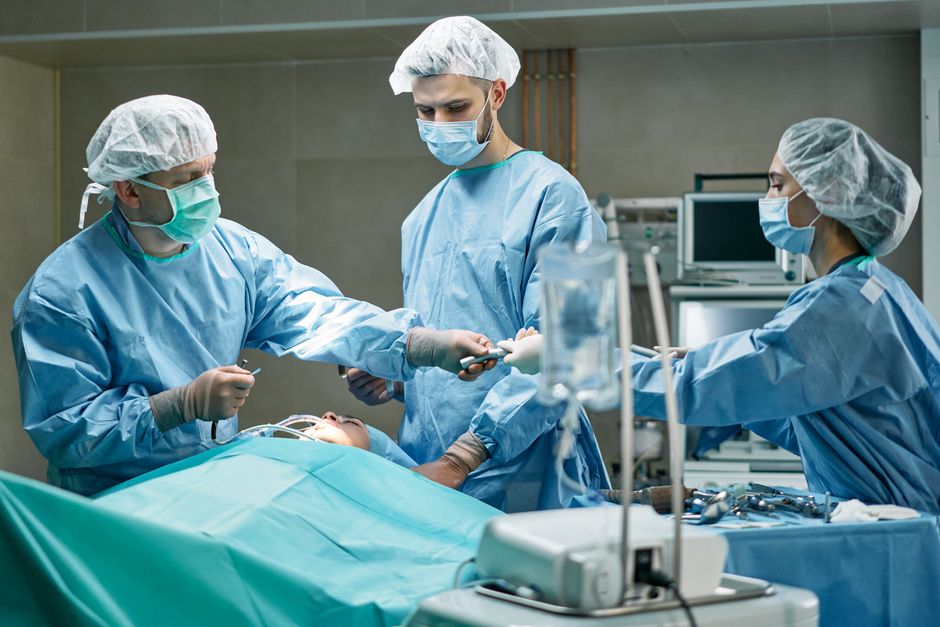
Thyroid surgery is performed under general anesthesia, so you are fully asleep, and a temporary breathing tube protects your airway during the operation.
The general sequence is:
- Pre-operative workup with blood tests, vocal cord and imaging checks, and anesthesia review.
- Access: a conventional approach uses a small incision in a lower neck crease; remote-access approaches reach the gland through hidden incisions (armpit and chest for BABA, or inside the mouth for transoral) to avoid a neck scar.
- Removal of one lobe or the whole gland, with care taken to protect the nerves that control the voice and the parathyroid glands that regulate calcium.
- Lymph node dissection if cancer requires it.
- Closure, sometimes with a temporary drain to prevent fluid buildup.
Robotic systems are often used for remote-access surgery in Korea, giving the surgeon a magnified, controlled view. The right approach depends on your diagnosis, anatomy, and surgeon recommendation.
Recovery Timeline
Recovery is usually steady, with most people back to normal activities within about two weeks.
- Day 0 to 1: You wake in recovery and may feel groggy with a sore throat from the breathing tube. A short hospital stay, often one to three nights, allows monitoring of calcium levels and any drain.
- First week: Sutures or the drain are removed, and you attend an initial follow-up. Neck stiffness and mild swallowing discomfort are common and improve.
- Around 2 weeks: Many people resume light work and daily routines. Heavy lifting and strenuous sport are typically avoided for about two weeks.
- Ongoing: If the whole thyroid is removed, you will need lifelong thyroid hormone replacement, with dosing adjusted by blood tests after you return home.
Plan your stay in Korea so you are present for suture or drain removal and at least one follow-up. Arrange continued thyroid and calcium monitoring with a doctor at home, since hormone levels are fine-tuned over the following weeks and months.
Cost Breakdown
Costs for thyroid surgery in Korea vary with the extent of the operation, the surgical technique, the hospital, and your length of stay. Robotic or transoral remote-access surgery generally costs more than a conventional neck-incision thyroidectomy.
Reported prices for international patients commonly fall in the range of roughly $7,700 to $16,000 or more USD for the surgical episode. A lobectomy sits toward the lower end, while a total thyroidectomy with lymph node dissection and a robotic approach sits higher.
Quotes from Korean hospitals usually bundle the surgeon, anesthesia, operating room, and inpatient stay, but you should confirm exactly what is included.
Budget separately for items often quoted outside the surgical price:
- Pre-operative consultations, imaging, and lab tests
- Pathology review of removed tissue
- Post-operative medications and thyroid hormone
- Interpretation and coordination services
- Flights, accommodation, and living costs for 1 to 2 weeks
Ask for a written, itemized estimate before you commit so you can compare offers fairly.
| Item | Typical Cost in Korea (USD) |
|---|---|
| Thyroid lobectomy (one lobe) | $7,700–$11,000 |
| Total thyroidectomy | $10,000–$14,000 |
| Robotic / remote-access thyroidectomy (scar-hiding) | $12,000–$16,000+ |
| Total thyroidectomy with central neck dissection | $13,000–$17,000+ |
| Pre-op tests, pathology and follow-up (typical add-ons) | $500–$2,000 |
Why Korea
South Korea has built a strong reputation for thyroid care, supported by large, high-volume hospitals in Seoul that run dedicated thyroid centers and treat many international patients each year.
Korean surgeons helped pioneer and refine remote-access thyroidectomy, including the bilateral axillo-breast approach (BABA) and the newer transoral approach, both designed to remove thyroid tissue without leaving a visible neck scar. This cosmetic advantage is a major reason travelers seek out Korean programs.
The medical tourism system is government-supported. The Korea Health Industry Development Institute (KHIDI), under the Ministry of Health and Welfare, runs the Medical Korea initiative and maintains a register of facilities authorized to treat foreign patients. Medicines and devices are regulated by the Ministry of Food and Drug Safety (MFDS).
Seoul districts such as Gangnam are hubs for international medical services, with English-language coordination, interpretation, and structured patient support that make planning a thyroid procedure from abroad more manageable.
Key Takeaways
- Korea offers conventional and scar-hiding (BABA robotic, transoral) thyroidectomy through high-volume Seoul hospitals with international patient services.
- Plan to stay roughly 1 to 2 weeks to cover surgery, the short hospital stay, drain or suture removal, and a first follow-up.
- Costs generally range from about $7,700 to $16,000+ USD depending on the extent of surgery and technique; always get an itemized estimate.
- If the whole thyroid is removed you will need lifelong hormone replacement, so arrange continued monitoring with a doctor at home.
Frequently Asked Questions
Will I have a visible scar on my neck after thyroid surgery in Korea?
Not necessarily. A conventional approach uses a small incision in a lower neck crease that usually fades over time. Korea is also known for remote-access techniques such as the bilateral axillo-breast approach (BABA) and the transoral approach, which reach the thyroid through hidden incisions and leave no scar on the neck. Whether these are suitable depends on your diagnosis and anatomy.
How long should I stay in Korea for thyroid surgery?
Most patients plan for about one to two weeks. This covers pre-operative tests, the surgery, a short hospital stay of roughly one to three nights, removal of any drain or sutures, and at least one follow-up visit before flying home. Your surgeon may adjust this based on the extent of surgery and your recovery.
How much does thyroid surgery cost in South Korea?
Reported prices for international patients commonly range from about $7,700 to $16,000 or more in USD. A single-lobe removal is toward the lower end, while a total thyroidectomy with lymph node dissection or a robotic scar-hiding approach is higher. Ask for a written, itemized quote that states exactly what is included.
Will I need to take medication after thyroid surgery?
If the entire thyroid is removed, you will need lifelong thyroid hormone replacement, taken as a daily tablet, with the dose fine-tuned by blood tests. After a lobectomy, the remaining lobe may produce enough hormone on its own, but this is checked with follow-up testing. Arrange ongoing monitoring with a doctor at home.
Is thyroid surgery in Korea safe for foreign patients?
Korea has a government-supported medical tourism system. The Korea Health Industry Development Institute (KHIDI), under the Ministry of Health and Welfare, runs the Medical Korea initiative and registers facilities authorized to treat international patients. Choosing a registered, experienced hospital and confirming that international patient services are available are good steps for a safer experience.
Sources
Ready to Begin Your Journey?
Get matched with KAHF-accredited hospitals and receive a personalized treatment plan.
Quick Facts
Typical Cost
$6000 - $15000
Duration
7 days
Accredited Hospitals
3+ Available
Top Hospitals
Available Cities
Medical Information Disclaimer
The information provided on this page about Thyroid Surgery is for general educational and informational purposes only. It is not intended as, and should not be construed as, medical advice, diagnosis, or treatment recommendations.
Always seek the advice of a qualified healthcare professional regarding any medical condition or treatment. Never disregard professional medical advice or delay seeking it because of information found on this website. Individual treatment outcomes may vary. Costs shown are estimates and may differ based on individual circumstances.
KmedTour acts as a medical tourism facilitator and does not provide direct medical services. All treatments are performed by independently accredited healthcare providers in South Korea.