Spine$10000 - $22000⭐ KAHF Accredited Hospitals
Spinal Decompression Surgery in Korea
Minimally invasive and open spinal decompression surgery in South Korea — real costs, recovery, and why Korea leads in spine care.
Quick Answer
- Cost in Korea: approximately $8,000–$22,000 USD depending on technique, levels treated, and hospital tier — typically 60–75% less than U.S. prices
- Reoperation rate for decompression in spinal stenosis cases: 4.0% based on Korean national health insurance cohort data — one of the lowest tracked figures for this procedure
- Hospital stay: 3–5 days for standard decompression; minimally invasive cases discharge in 2–3 days
- Techniques available: laminectomy, microdiscectomy, foraminotomy, and full-endoscopic spine surgery (FESS) — Korean spine centres are among Asia's most active in endoscopic approaches
At a Glance
| Procedure time | 1–3 hours depending on technique and number of spinal levels |
|---|---|
| Anesthesia | General anesthesia (open/MIS); some endoscopic cases use local + sedation |
| Hospital stay | 2–5 days |
| Recommended stay in Korea | 3–4 weeks (for wound check, physiotherapy start, and clearance to fly) |
| Recovery | Light activity at 4–6 weeks; return to desk work 4–8 weeks; full recovery 3–6 months |
| Typical cost in Korea | $8,000–$22,000 USD (technique- and level-dependent) |
Overview
Spinal decompression surgery is a group of procedures designed to relieve pressure on the spinal cord or nerve roots caused by conditions such as lumbar spinal stenosis, herniated discs, bone spurs (osteophytes), or thickened ligaments.
The core goal is to widen the spinal canal or the foramen — the small openings through which nerve roots exit — so that compressed tissue can recover normal function.
- Laminectomy: removal of part or all of the lamina (the bony roof of the vertebral arch) to expand the canal
- Discectomy / Microdiscectomy: excision of a herniated or bulging disc fragment pressing on a nerve
- Foraminotomy: enlargement of the foramen to free a pinched nerve root
- Full-endoscopic spine surgery (FESS): the least invasive approach, using a narrow working channel and camera through a small skin incision
Korea's spine surgery volume is among the highest per capita in Asia, which means surgical teams are highly experienced across all four technique categories.
Patients typically present with persistent leg pain (sciatica), neurogenic claudication (difficulty walking), numbness, or weakness that has not responded adequately to conservative care over 6–12 weeks.
Send your MRI before travelling
Korean spine centres routinely review MRI and CT images remotely and can confirm candidacy, recommend a specific technique, and provide a cost estimate — all before you book flights. This avoids unnecessary travel and surprises on arrival.
Am I a Candidate?
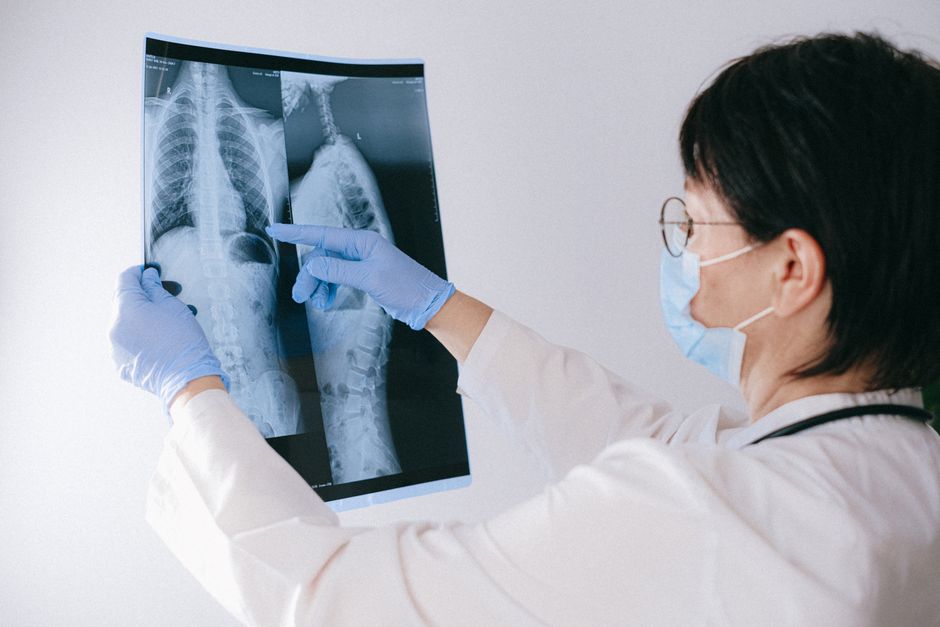
Good candidates for spinal decompression surgery have a confirmed structural cause of nerve compression — visible on MRI or CT — that matches their clinical symptoms.
Conditions typically treated:
- Lumbar spinal stenosis (central or lateral recess)
- Herniated nucleus pulposus (slipped or ruptured disc)
- Degenerative disc disease with foraminal narrowing
- Spondylosis with osteophyte formation
- Recurrent disc herniation after prior conservative treatment
Candidacy also depends on overall health. Surgeons will assess cardiovascular fitness, bone density (relevant for any concurrent fixation), diabetes control, and smoking history — all of which influence healing.
Patients who may not be suitable include those with severe osteoporosis without fixation planning, active spinal infection, or significant comorbidities that elevate anaesthetic risk.
A pre-operative consultation with the Korean spine team — which can begin remotely with MRI/CT image upload — typically determines candidacy within a few days and avoids unnecessary travel.
How the Procedure Works
The specific steps depend on which technique is chosen, but all approaches share a common sequence.
Pre-operative:
- Full neurological examination and imaging review (MRI mandatory; CT-myelogram in complex cases)
- Anaesthesia assessment; blood work and cardiac clearance if indicated
- Surgical plan confirmed: technique, number of levels, use of fluoroscopy or navigation
Intra-operative (laminectomy/microdiscectomy example):
- Patient positioned prone under general anaesthesia
- Small midline or paramedian incision; muscles gently retracted
- Surgical microscope or loupe magnification used to identify the lamina or disc
- Bone and/or disc material removed under direct or endoscopic vision
- Nerve root confirmed free of compression before closure
- Wound closed in layers; no drain required in most cases
Endoscopic (FESS):
- 7–8 mm skin incision; working channel inserted under fluoroscopic guidance
- High-definition camera and small instruments remove disc or bone through the channel
- Performed under local anaesthesia with sedation in selected centres
- Patient may walk within hours of the procedure
Intraoperative neurophysiological monitoring (IOM) — continuous EMG and evoked potentials — is standard at major Korean spine centres, adding a real-time safety layer.
Recovery Timeline
Recovery pace varies by technique, patient age, and the number of spinal levels treated.
Days 1–3 (hospital): Pain is managed with IV or oral analgesia. Physiotherapists begin gentle mobilisation on day 1 or 2. A short walking programme is started before discharge.
Week 1–2: Most patients walk independently with minimal aid. Wound check at 10–14 days. Sitting for extended periods is restricted; avoid bending and lifting.
Weeks 3–6: Gradual increase in walking distance and light stretching. Return to sedentary (desk) work is typically possible at 4–6 weeks depending on technique.
Weeks 6–12: Formal physiotherapy programme intensifies. Most patients report significant improvement in leg pain by week 6–8. Driving resumption varies by country legal standard and surgeon guidance.
3–6 months: Full functional recovery expected for the majority of patients. Core strengthening and postural correction exercises remain important throughout.
The 4.0% reoperation rate for decompression in spinal stenosis — drawn from Korean national health insurance cohort data — reflects short-to-medium-term outcomes; longer-term rates rise with age and comorbidities, which surgeons will discuss individually.

Cost Breakdown
Korean spine surgery pricing is bundled differently from Western models. Most international patient coordinators quote an all-in package covering pre-operative workup, the procedure itself, anaesthesia, hospital stay, and one post-operative follow-up.
What typically drives cost variation:
- Technique: Endoscopic (FESS) and microsurgical approaches carry higher instrument costs than standard open laminectomy
- Number of levels: A single-level decompression costs less than a two- or three-level procedure
- Hospital tier: University-affiliated and internationally accredited hospitals in central Seoul or Gangnam carry a premium over regional centres
- Implants: Decompression alone is less expensive than decompression combined with fixation hardware (cages, pedicle screws)
Compared to the United States — where an inpatient laminectomy can exceed $50,000–$80,000 before insurance — Korean pricing represents a substantial difference even after factoring in travel and accommodation.
Most Korean hospitals treating international patients provide itemised cost estimates after MRI review, before any commitment is made.
| Item | Typical Cost in Korea (USD) |
|---|---|
| Single-level standard laminectomy | $8,000–$13,000 |
| Microdiscectomy (lumbar, single level) | $9,000–$14,000 |
| Full-endoscopic spine surgery (FESS) | $10,000–$16,000 |
| Two-level decompression | $13,000–$19,000 |
| Decompression + instrumented fusion (single level) | $16,000–$22,000 |
Why Korea
Korea's reputation in spine surgery is built on volume, technology investment, and regulatory rigour — not marketing.
Volume and expertise: Korea consistently ranks among the top countries globally for spine surgery procedures per capita. High case volumes produce experienced surgical teams and efficient complication-management protocols.
Regulatory environment: Spinal implants and surgical devices must pass MFDS (Ministry of Food and Drug Safety) approval — Korea's equivalent of the U.S. FDA — including Korea Good Manufacturing Practice (KGMP) certification. Class III orthopaedic implants require pre-market approval and clinical evidence review.
Medical tourism infrastructure: Korea's KHIDI (Korea Health Industry Development Institute) oversees medical tourism quality and publishes verified hospital data through the Medical Korea portal. Hospitals treating international patients are subject to separate quality criteria.
Hospital accreditation: Leading spine centres in Seoul and the Gangnam district pursue KOIHA (Korea International Healthcare Accreditation) alongside domestic JCI-equivalent standards, providing an independent quality benchmark.
Endoscopic leadership: Korean spine surgeons have been among the most prolific contributors to the development of full-endoscopic spine surgery (FESS) protocols in Asia, with active training programmes attracting surgeons from across the region.
For international patients, the combination of transparent pricing, English-speaking coordinator services, and a concentrated cluster of high-volume centres in Seoul makes logistical planning straightforward.
Key Takeaways
- Korea offers single-level spinal decompression from approximately $8,000–$16,000 USD — typically 60–75% less than equivalent U.S. pricing
- The 4.0% reoperation rate for decompression in spinal stenosis cases is drawn from Korean national health insurance cohort data, not a marketing claim
- MFDS device regulation and KHIDI-overseen Medical Korea accreditation provide independent quality assurance for implants and facilities
- Most patients can expect significant improvement in leg pain and walking ability within 6–8 weeks; full recovery takes 3–6 months
Frequently Asked Questions
How do I know if I need decompression surgery or can continue with conservative treatment?
Surgery is generally considered when nerve compression is confirmed on MRI, symptoms have not improved after 6–12 weeks of conservative care (physiotherapy, injections, medication), and the pattern of pain or weakness matches the imaging findings. A Korean spine consultant can review your imaging remotely and give an initial opinion before you decide to travel.
Is full-endoscopic spine surgery (FESS) available in Korea, and is it suitable for everyone?
Yes — Korean spine centres are among the most active in Asia for FESS. It is suitable for single-level disc herniations and selected stenosis cases in patients without severe deformity or instability. Suitability is determined by the anatomy visible on MRI; your surgeon will advise whether FESS, microsurgical, or open technique gives the safest result for your specific case.
What does the 4.0% reoperation rate for spinal stenosis decompression mean?
It means that in tracked Korean national health insurance data, approximately 4 in 100 patients who had decompression surgery for spinal stenosis required a second operation. This is a short-to-medium-term figure; longer-term rates are higher and increase with age and comorbidities. Your surgeon will discuss your individual risk profile at consultation.
How long do I need to stay in Korea after spinal decompression surgery?
Most international patients plan a stay of 3–4 weeks. This allows time for hospital discharge (day 2–5), wound check at 10–14 days, a physiotherapy assessment, and surgeon clearance before a long-haul flight. Staying shorter risks missing early complications; staying longer improves the start of your rehabilitation.
Will I need physiotherapy after surgery, and can I arrange this at home?
Yes — physiotherapy is an essential part of recovery. Korean hospitals typically provide an initial programme during your stay and can supply written rehabilitation protocols for your physiotherapist at home. Starting physiotherapy within 4–6 weeks of surgery is generally recommended.
Are language and coordination services available for international patients?
Most Seoul and Gangnam spine centres serving international patients have dedicated medical coordinators who handle English-language communication, appointment scheduling, insurance paperwork assistance, and translation during consultations. The Medical Korea portal (medicalkorea.or.kr) lists hospitals officially registered for international patient services.
Related Topics
Sources
- Risk factors for reoperation after lumbar spine surgery — Korean national health insurance cohort (Nature Scientific Reports)
- Reoperation rate after surgery for lumbar spinal stenosis without spondylolisthesis — PubMed
- Frontiers in Medicine — Korean medicine treatment and surgery rates in lumbar spinal stenosis
- Medical Korea — Spine procedures portal
- MFDS medical device regulatory overview
Ready to Begin Your Journey?
Get matched with KAHF-accredited hospitals and receive a personalized treatment plan.
Quick Facts
Typical Cost
$10000 - $22000
Duration
7 days
Accredited Hospitals
0+ Available
Top Hospitals
Medical Information Disclaimer
The information provided on this page about Spinal Decompression Surgery is for general educational and informational purposes only. It is not intended as, and should not be construed as, medical advice, diagnosis, or treatment recommendations.
Always seek the advice of a qualified healthcare professional regarding any medical condition or treatment. Never disregard professional medical advice or delay seeking it because of information found on this website. Individual treatment outcomes may vary. Costs shown are estimates and may differ based on individual circumstances.
KmedTour acts as a medical tourism facilitator and does not provide direct medical services. All treatments are performed by independently accredited healthcare providers in South Korea.