Cancer$12000 - $25000⭐ KAHF Accredited Hospitals
Sphincter-Saving Procedure in Korea
Bowel-sparing rectal surgery in Korea that removes cancer while preserving natural continence — no permanent colostomy required.
Quick Answer
- Sphincter-saving procedures (low anterior resection, intersphincteric resection) remove rectal tumors while leaving the anal sphincter intact, avoiding a permanent stoma.
- Korean colorectal surgeons pioneered widespread adoption of double-stapling and coloanal anastomosis techniques, pushing sphincter-preservation rates to the upper range seen globally.
- Typical all-in cost at a Seoul private hospital for an international patient: roughly $8,000–$18,000 depending on approach (open, laparoscopic, or robotic) and hospital tier.
- KHIDI's Medical Korea programme and the KAHF accreditation mark help international patients verify that their chosen Korean hospital is legally registered and quality-audited for foreign patient care.
At a Glance
| Procedure time | 2–5 hours depending on approach (open, laparoscopic, or robotic) |
|---|---|
| Anesthesia | General anesthesia |
| Hospital stay | 5–10 days |
| Recommended stay in Korea | 3–5 weeks (includes pre-op workup, surgery, and early recovery check-ups) |
| Recovery | 4–8 weeks to resume light activity; bowel function normalises over 3–12 months |
| Typical cost in Korea | Approximately $8,000–$18,000 USD (varies by approach and hospital tier) |
Overview
Sphincter-saving (sphincter-preserving) surgery is the standard surgical approach for eligible rectal cancers, replacing the older abdominoperineal resection (APR) that required a permanent colostomy.
The two most common techniques are low anterior resection (LAR) — used for tumours in the upper and middle rectum — and intersphincteric resection (ISR) — used for tumours within 2–3 cm of the dentate line, where the surgeon removes part of the internal sphincter while preserving the external sphincter.
Both techniques aim to achieve clear oncological margins (R0 resection) while reconstructing the bowel using a colonic J-pouch, straight anastomosis, or coloplasty, allowing the patient to continue passing stool naturally.
Korea has been at the forefront of this evolution. Research tracking Korean rectal surgery outcomes across a decade documented a dramatic rise in sphincter-preservation rates as double-stapling and coloanal anastomosis techniques became routine at major centres.
Minimally invasive approaches — laparoscopic and robotic — are now widely available at accredited hospitals and are particularly valued for their precision in the narrow pelvic space.
A temporary diverting ileostomy is sometimes created at the time of surgery to protect the anastomosis while it heals, and is reversed in a second short procedure roughly 8–12 weeks later.
Ask about LARS management before surgery
Low anterior resection syndrome — frequent or urgent bowel movements after rectal reconstruction — is common and manageable. Ask your Korean surgical team about pelvic floor physiotherapy referrals and dietary protocols. Most patients see substantial improvement within 6–12 months.
Am I a Candidate?
Not every rectal tumour is suitable for a sphincter-saving approach. Surgeons at Korean centres typically assess:
- Tumour location: distance from the anal verge (generally ≥1–2 cm for ISR, higher for LAR)
- Tumour stage: T1–T3 tumours with favourable margins are best; T4 involvement of the sphincter complex may require APR
- Pre-operative staging: MRI pelvis, CT chest/abdomen/pelvis, and endorectal ultrasound are standard in Korea
- Sphincter function: patients must have adequate baseline continence for the procedure to be meaningful
- Neoadjuvant therapy response: many locally advanced tumours are downsized with chemoradiotherapy before surgery, potentially converting a patient from APR-only to a sphincter-saving candidate
- General fitness: laparoscopic and robotic platforms require the patient to tolerate steep Trendelenburg positioning under general anaesthesia
- Body habitus: narrow male pelvis or obesity increases technical complexity but does not automatically exclude robotic ISR
Final candidacy is confirmed after a multidisciplinary tumour board review, which is standard at Korean tertiary and secondary oncology hospitals.
How the Procedure Works
The surgical pathway at a Korean hospital typically unfolds as follows:
Pre-operative workup (1–3 days) - MRI pelvis, CT staging, colonoscopy, blood panels, anaesthesia assessment - Bowel preparation the evening before surgery
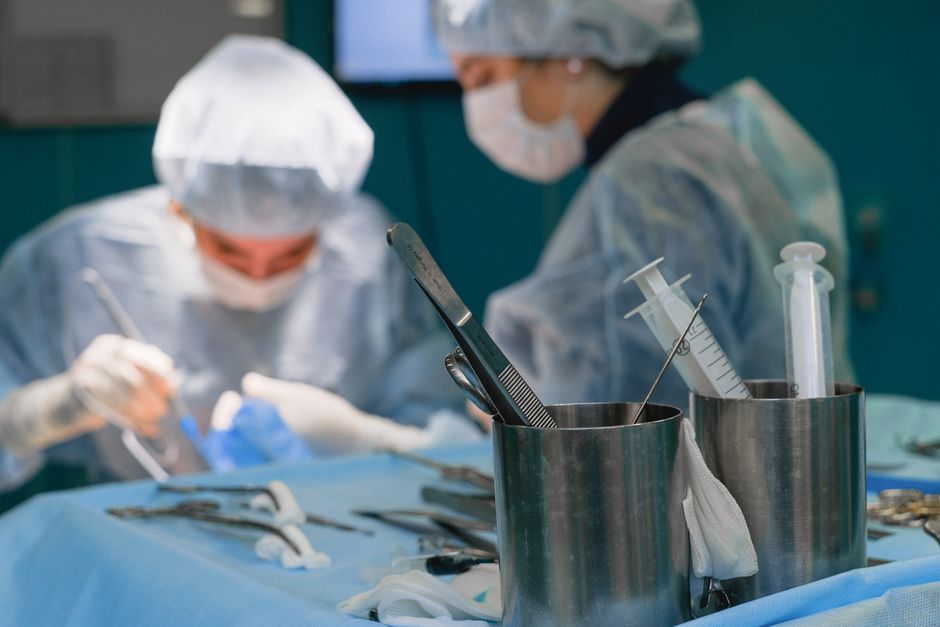
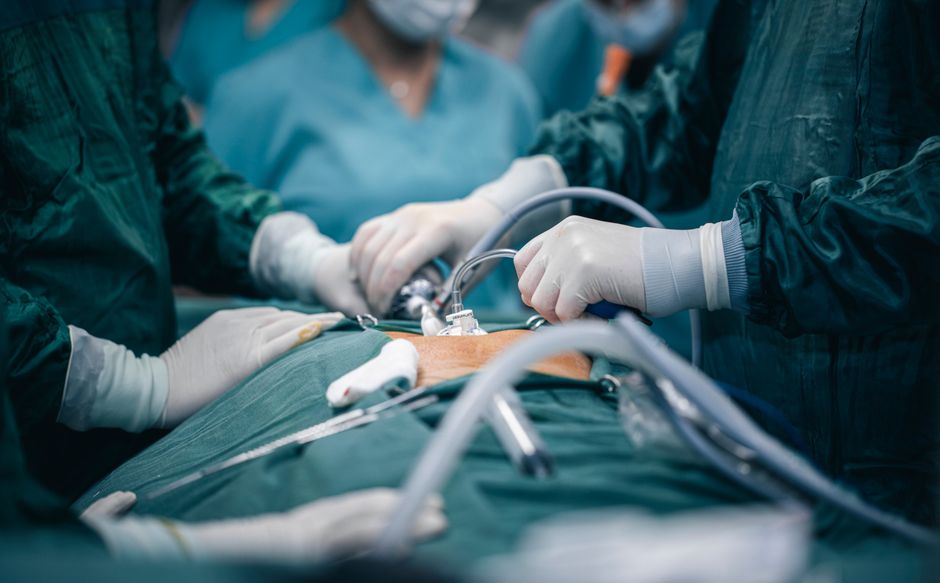
Intra-operative steps (LAR example): General anesthesia is given, with the patient in modified lithotomy. Laparoscopic or robotic ports are placed, or a midline incision for open surgery. In total mesorectal excision (TME), the rectum and its mesorectal envelope are dissected sharply along embryological planes for a complete margin.
The tumor-bearing segment is resected with a transverse stapler. A colonic conduit (J-pouch or straight) is anastomosed to the residual rectum or anorectal stump using a circular stapler (double-stapling technique) or a hand-sewn coloanal anastomosis.
A diverting loop ileostomy is fashioned if the anastomosis is low or tension is a concern. Air-leak and dye tests are performed intra-operatively to confirm anastomotic integrity.
For ISR the procedure extends into the intersphincteric plane; the internal sphincter (or part of it) is excised transanally, and coloanal anastomosis is performed at the level of the dentate line.
Robotic platforms — widely available at Korean university and general hospitals — offer three-dimensional magnified vision and wristed instruments that aid dissection in the confined pelvic space, particularly for male patients and obese patients.
Post-operatively patients are managed with enhanced recovery after surgery (ERAS) protocols: early mobilisation, oral feeding within 24–48 hours, and multimodal analgesia.
Recovery Timeline
Recovery proceeds in distinct phases:
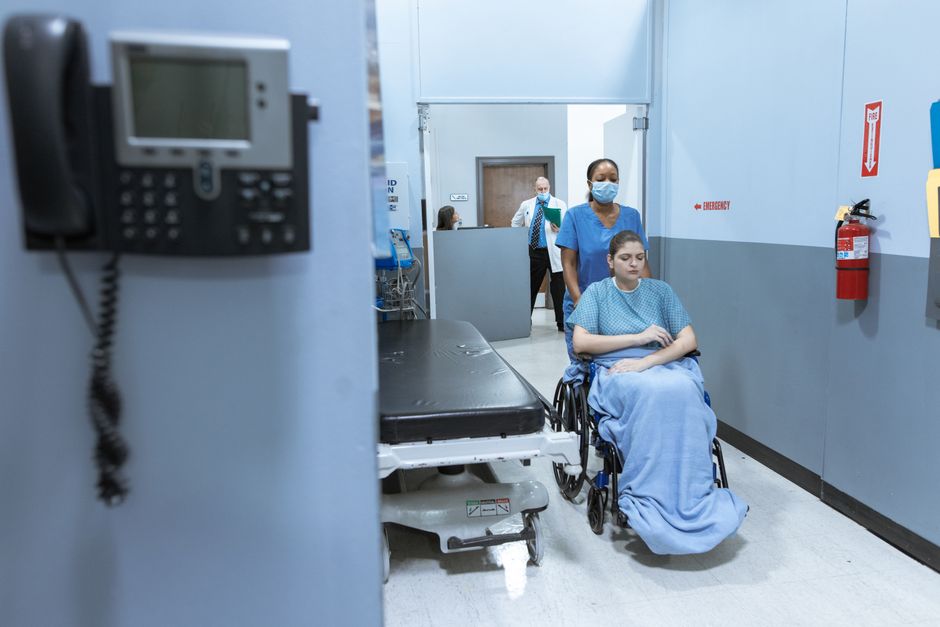
In-hospital (days 1–7 to 10) - Nasogastric tube removed day 1; clear fluids started early - Drain output monitored for anastomotic leak signs - Short walks begin day 1–2 under nursing supervision - If a diverting ileostomy was fashioned, stoma nurses provide education before discharge
Early recovery in Korea covers weeks 1–3 post-discharge. An outpatient visit at 1–2 weeks handles the wound check and pathology results; expect a soft, low-residue diet (temporarily avoiding raw vegetables and high-fiber foods), light walking, and restrictions on driving and strenuous activity.
Patients without a stoma may experience low anterior resection syndrome (LARS), frequent clustered bowel movements and urgency, a recognized consequence of rectal reconstruction that typically improves over months.
Return home (3–5 weeks post-surgery) - Ileostomy reversal (if applicable) scheduled 8–12 weeks after primary surgery — a second short Korea visit or local hospital procedure - Adjuvant chemotherapy may begin 4–6 weeks post-op if indicated - Pelvic floor physiotherapy and dietary fibre adjustment help manage LARS
Long-term (3–12 months) - Bowel function gradually normalises; most patients achieve socially acceptable continence - Oncological surveillance: CT and CEA every 3–6 months for first 2 years - Colonoscopy at 1 year post-resection
Cost Breakdown
Korean public hospitals treat patients under the National Health Insurance (NHI) system, but international patients generally access care at private international clinics or pay self-pay rates at public tertiary hospitals.
Cost drivers include the surgical approach (open is lower; robotic is higher), whether neoadjuvant chemoradiation is needed, length of hospital stay, and whether a two-stage procedure (primary surgery + ileostomy reversal) is required.
Korean national health data from 2020–2022 place mean curative colorectal resection costs (insurance-basis) in the $9,000–$9,200 USD range. International self-pay packages — which bundle pre-op diagnostics, the surgical procedure, anaesthesia, room, nursing, interpreter, and discharge medications — are priced higher to reflect uninsured overhead and premium service infrastructure.
Medical Korea and KHIDI publish guidance that patients should obtain itemised cost estimates in writing before committing; all registered hospitals are required to provide transparent cost disclosure to foreign patients.
| Item | Typical Cost in Korea (USD) |
|---|---|
| Pre-operative workup (MRI, CT, colonoscopy, labs) | $800–$2,000 |
| Sphincter-saving surgery (open or laparoscopic) | $7,000–$12,000 |
| Robotic sphincter-saving surgery (ISR) | $11,000–$18,000 |
| Hospital stay (5–10 days, private room) | $1,500–$3,500 |
| Ileostomy reversal (if required, second procedure) | $2,500–$5,000 |
Why Korea
Korea has built a globally recognised colorectal surgery ecosystem, supported by several structural advantages.
Volume and technique: Korean colorectal surgeons operate at high case volumes in concentrated urban hospital networks. The consistent adoption of total mesorectal excision (TME), double-stapling, and robotic ISR has been documented in peer-reviewed literature, with Korean centres contributing meaningfully to the evidence base on sphincter-preservation outcomes.
Minimally invasive infrastructure: Robotic surgical systems are available at numerous Korean hospitals, including facilities accredited under the KAHF programme managed by KHIDI (Korea Health Industry Development Institute). Laparoscopic colorectal surgery has been standard at tertiary centres for well over a decade.
Regulatory environment: The Ministry of Food and Drug Safety (MFDS) ensures that surgical devices, consumables, and implantable materials used in Korean hospitals meet rigorous standards. KHIDI's Medical Korea portal provides a searchable directory of legally registered hospitals authorised to treat foreign patients, allowing patients to verify credentials before travelling.
Medical tourism infrastructure: Korea surpassed one million foreign patient visits in 2024 (a 93.2% year-on-year increase). Seoul and Gangnam in particular concentrate internationally accredited hospitals with multilingual coordinators, dedicated international patient centres, and streamlined medical visa support.
Cost efficiency: Even at self-pay rates, sphincter-saving procedures at Korean hospitals are substantially more affordable than equivalent robotic or laparoscopic procedures in the United States or Western Europe, without sacrificing equipment quality or surgical training standards.
Key Takeaways
- Sphincter-saving procedures (LAR and ISR) eliminate the need for a permanent colostomy in most eligible rectal cancer patients, and Korean surgeons have strong evidence-backed experience with both techniques.
- Robotic ISR — the most technically demanding sphincter-saving approach — is widely available at Korean KAHF-accredited hospitals and is particularly suited to tumours close to the dentate line.
- International patients should verify their chosen hospital on the Medical Korea (KHIDI) portal and obtain a written itemised cost estimate before travel; all registered hospitals are required to provide transparent pricing.
- Post-operative bowel function takes time to normalise — planning for a 3–5 week Korea stay, and potentially a second short visit for ileostomy reversal, gives the best outcomes.
Frequently Asked Questions
Will I need a colostomy bag after sphincter-saving surgery?
Most patients who undergo LAR or ISR do not require a permanent colostomy. A temporary diverting ileostomy is sometimes created to protect the anastomosis while it heals; this is reversed in a second procedure 8–12 weeks later. Whether a permanent stoma is avoided depends on tumour location, surgeon assessment, and tissue healing — your Korean surgical team will confirm your specific situation after reviewing imaging.
How do I know if I am a candidate for sphincter-saving surgery rather than abdominoperineal resection (APR)?
Candidacy depends mainly on how far your tumour sits from the anal verge, the extent of sphincter involvement on MRI, your baseline continence, and your overall fitness. Korean centres routinely use high-resolution MRI pelvis and multidisciplinary tumour board review to make this determination. Neoadjuvant chemoradiotherapy can sometimes shrink a tumour enough to convert an APR-only case into a sphincter-saving candidate.
What is low anterior resection syndrome (LARS) and how long does it last?
LARS is a cluster of bowel symptoms — frequent, fragmented, or urgent stools — that occurs after rectal reconstruction because the reservoir function of the rectum is partly or fully removed. It is a recognised and common consequence, not a surgical error. Most patients experience significant improvement over 6–12 months through dietary adjustment, pelvic floor physiotherapy, and sometimes biofeedback therapy. Your Korean team should brief you on this before surgery.
Is robotic surgery better than laparoscopic for sphincter-saving procedures in Korea?
Robotic platforms offer enhanced three-dimensional vision and wristed instruments that aid precise dissection in the narrow pelvic space, which is particularly advantageous for ISR and deep pelvic TME. Laparoscopic approaches also produce excellent outcomes and are more widely available at lower cost. Your surgeon will recommend an approach based on your pelvis anatomy, tumour characteristics, and the hospital's platform expertise.
How do I verify that a Korean hospital is authorised to treat international patients?
Use the Medical Korea portal operated by KHIDI (Korea Health Industry Development Institute). It lists hospitals that hold the KAHF accreditation mark — granted by the Ministry of Health and Welfare — confirming they meet quality and patient safety standards for foreign patients. Only registered institutions are legally authorised to provide care to international medical tourists in Korea.
What should I plan for in terms of total time in Korea?
Plan for approximately 3–5 weeks for the primary procedure: 1–3 days pre-op workup, 5–10 days inpatient, and 2–3 weeks outpatient recovery before flying home. If an ileostomy reversal is needed, that is typically a separate trip 8–12 weeks later, requiring a shorter stay of roughly 5–10 days.
Related Topics
Sources
- Frontiers in Surgery: Cost-effectiveness of laparoscopic vs. open colorectal cancer surgery in South Korea (2025)
- PubMed: Changes in outcome with sphincter preserving surgery for rectal cancer in Korea, 1991–2000
- PubMed: Robotic intersphincteric resection for low rectal cancer
- PMC: Cost-effectiveness and readmission rates, laparoscopic vs. open colorectal surgery, South Korea
- Medical Korea — KAHF Accreditation Programme
- KHIDI — Korea Health Industry Development Institute
Ready to Begin Your Journey?
Get matched with KAHF-accredited hospitals and receive a personalized treatment plan.
Quick Facts
Typical Cost
$12000 - $25000
Duration
7 days
Accredited Hospitals
0+ Available
Top Hospitals
Medical Information Disclaimer
The information provided on this page about Sphincter-Saving Procedure is for general educational and informational purposes only. It is not intended as, and should not be construed as, medical advice, diagnosis, or treatment recommendations.
Always seek the advice of a qualified healthcare professional regarding any medical condition or treatment. Never disregard professional medical advice or delay seeking it because of information found on this website. Individual treatment outcomes may vary. Costs shown are estimates and may differ based on individual circumstances.
KmedTour acts as a medical tourism facilitator and does not provide direct medical services. All treatments are performed by independently accredited healthcare providers in South Korea.