Eye Care$2000 - $5000⭐ KAHF Accredited Hospitals
SMILE Eye Surgery in Korea
Flapless femtosecond laser vision correction for myopia in Korea — 3-day stay, both eyes, $2,000–$5,000.
Quick Answer
- SMILE is flapless: no large corneal flap is cut — a small keyhole incision (~a few mm) is the only surface opening.
- Corrects myopia and astigmatism only — not suitable for hyperopia (farsightedness).
- Both eyes treated in one session; vision begins clearing within the first day and refines over weeks.
- Cost in Korea: $2,000–$5,000 USD for both eyes, typically including pre-op scans and early follow-up.
At a Glance
| Procedure time | 15–30 minutes for both eyes (laser phase is brief) |
|---|---|
| Anesthesia | Topical anesthetic eye drops only — no general anesthesia |
| Hospital stay | Day procedure; no overnight admission required |
| Recommended stay in Korea | 3 days (treatment + next-day check + clearance to fly) |
| Recovery | Routine screens and work within 1–2 days; full visual refinement over several weeks |
| Typical cost in Korea | $2,000–$5,000 USD for both eyes |
Overview
SMILE — Small Incision Lenticule Extraction — is a flapless laser vision correction procedure. A femtosecond laser sculpts a lens-shaped disc of corneal tissue (the lenticule) entirely inside the cornea, then the surgeon removes it through a small keyhole incision of just a few millimetres.
Because no large flap is created, the corneal surface remains largely intact. This preserves more corneal surface nerves compared with flap-based procedures, which is why dry-eye symptoms tend to be less pronounced after SMILE.
The procedure corrects myopia (short-sightedness), with or without astigmatism. It does not correct hyperopia (farsightedness) — that distinction matters at candidacy assessment.
Success rates for achieving target vision sit above 95% in published refractive surgery literature. A 3-day stay in Korea is the standard itinerary: treatment on day one, confirmatory slit-lamp check on day two, and clearance to fly on day three.
Stop contact lenses before your screening appointment
Soft contact lenses typically need to be out for 1–2 weeks before corneal scans; rigid or gas-permeable lenses require longer. Your clinic will specify the exact interval. Wearing lenses right up to screening can cause inaccurate topography readings and delay your candidacy decision.
Bring your full prescription history
Prescription stability over the past one to two years is a core candidacy criterion. Carry records from your home optometrist or ophthalmologist — scans alone cannot confirm historical stability.
Am I a Candidate?
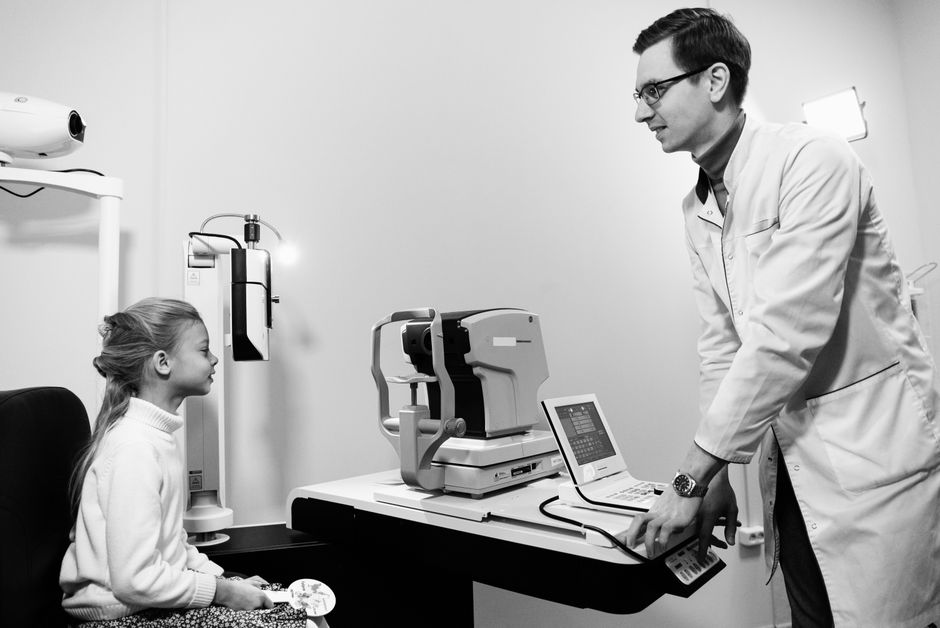
The ideal candidate is an adult whose myopia prescription has been stable for at least one to two years, with or without an astigmatism component. Hyperopia alone disqualifies a patient — SMILE cannot reshape the cornea in the direction required for farsightedness correction.
Eye health must be confirmed clear of keratoconus, significant corneal scarring, or active infection. Corneal thickness and topographic shape are measured during pre-op screening because minimum tissue requirements must be met before surgery can proceed.
Pregnancy and breastfeeding are contraindications; hormonal changes affect refraction and corneal hydration, making results unpredictable.
SMILE is particularly well-suited for people with naturally dry eyes or dry-eye tendency, those who play contact sports, and anyone in an occupation or lifestyle where a flap injury would be a safety concern.
Contact lens wearers must stop wearing lenses for a period before screening — your clinic will specify the exact interval based on lens type.
The consultation visit is the decisive step. Scans, not symptom history alone, determine whether you are a surgical candidate.
How the Procedure Works
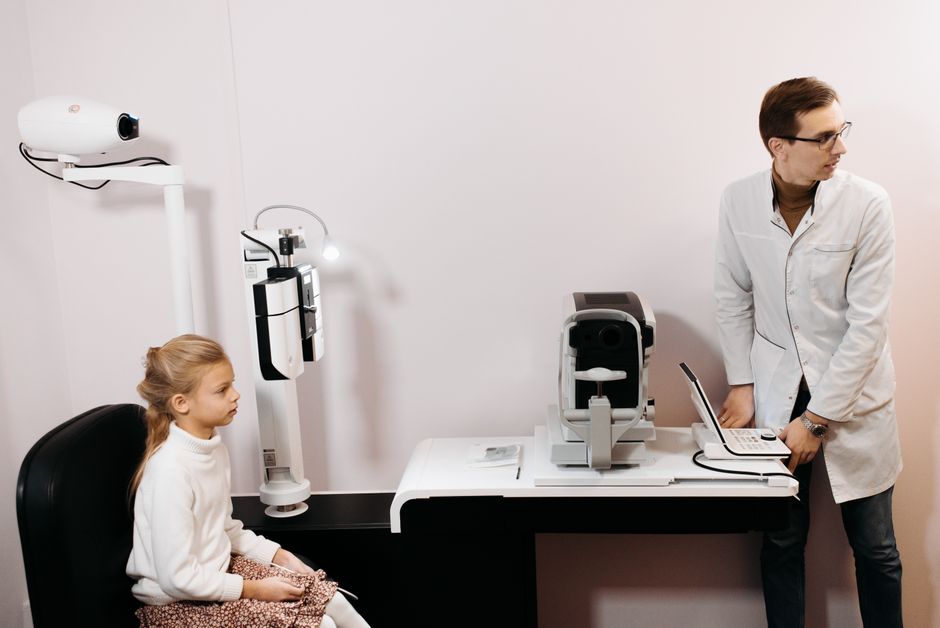
Anesthetic drops are applied to each eye — no injections, no sedation. A lid holder keeps the eye open and a fixation light gives you a point to focus on throughout.
The femtosecond laser then fires a pattern of pulses inside the cornea at two precisely calculated depths. This creates the upper and lower surfaces of the lenticule and, separately, a small keyhole incision at the corneal edge — the only opening that breaches the surface.
The surgeon inserts a thin instrument through the keyhole, separates the lenticule from surrounding tissue, and removes it in one piece. The keyhole incision seals naturally; no stitches are placed.
Both eyes are typically treated in the same session. The laser phase for each eye takes only seconds to minutes; the total time in the procedure room, including preparation, is usually under thirty minutes for both eyes.
Afterwards you rest briefly in the clinic while a slit-lamp examination confirms the cornea is sitting correctly. Protective sunglasses or shields are provided, along with antibiotic and lubricating drops, and written aftercare instructions.
Recovery Timeline
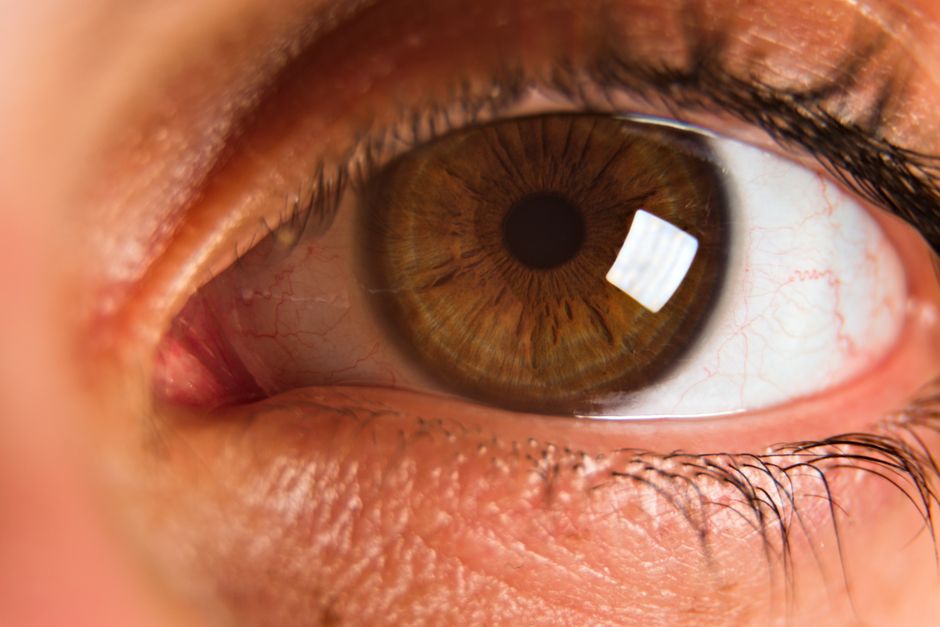
Vision begins to clear within the first several hours. Some patients describe mild haziness or a soft-focus quality on the day of surgery, which typically lifts by the morning after.
Day two in Korea is your scheduled post-operative check. The surgeon confirms healing, checks intraocular pressure, and reviews how vision is tracking. If everything is on course — which it almost always is — you receive clearance to fly home on day three.
Lubricating drops are used regularly for the first weeks. Dryness after SMILE is generally less pronounced than after flap-based procedures, but it can still occur and benefits from consistent drop use.
Routine screen use and desk work can typically resume within one to two days. The activities to avoid for longer include rubbing the eyes, swimming, applying eye makeup, and contact sports — your clinic will give you specific timeframes for each.
Vision continues to sharpen over the following weeks as the cornea settles. A follow-up visit with your local optometrist after returning home is strongly recommended to confirm final refraction and overall eye health.
Cost Breakdown
The total cost for SMILE eye surgery in Korea typically falls between $2,000 and $5,000 USD for both eyes. This range reflects differences in clinic tier, specific laser platform used, and what the package includes.
A standard package at an international-patient-oriented Korean refractive clinic usually covers: pre-operative corneal mapping and biometry scans; the surgical procedure itself for both eyes; initial post-operative medications (antibiotic drops, lubricating drops); and the follow-up check during your Korea stay.
Items to verify before committing: - Whether the initial consultation fee is credited against the procedure cost if surgery proceeds. - Whether enhancements (touch-up procedures) within a defined period are covered. - Whether translation or coordination services carry a separate charge.
Korea's pricing is generally transparent and itemized on request. Get the cost breakdown in writing — not just a headline figure — before you book travel.
| Item | Typical Cost in Korea (USD) |
|---|---|
| Pre-op corneal scans and topography mapping | Included in most packages |
| SMILE procedure — both eyes | $2,000–$5,000 |
| Post-operative medications (first supply) | Included in most packages |
| Follow-up check during Korea stay | Included in most packages |
| Initial consultation (if surgery does not proceed) | $50–$150 (clinic-dependent) |
| Enhancement / touch-up (if needed within warranty period) | Often included; confirm in writing |
Why Korea
Korean refractive surgery operates under oversight from the Ministry of Health and Welfare, with accreditation frameworks administered through bodies including KOIHA (Korea International Healthcare Association) and KHIDI (Korea Health Industry Development Institute).
Femtosecond laser platforms are standard equipment at accredited refractive centres — not premium add-ons. High-resolution corneal topography mapping is routine at pre-op, not an optional upgrade.
Korean ophthalmology clinics serving international patients have accumulated high procedure volumes over many years. Volume correlates with surgical precision and team efficiency in refractive surgery specifically.
Most major international-patient clinics in Seoul and Busan operate dedicated coordination desks with English-speaking staff who manage scheduling, translation of records, and airport transfer logistics.
Transparent, itemized pricing is a recognised characteristic of Korean medical tourism — it is common practice to receive a written cost breakdown at consultation rather than a bundled quote only.
Key Takeaways
- SMILE removes a corneal lenticule through a keyhole incision — no large flap, less surface disruption, and generally milder dry-eye impact than LASIK.
- It corrects myopia and astigmatism only; hyperopia is not treatable with this technology.
- A 3-day Korea itinerary covers the procedure, next-day healing check, and fly-home clearance.
- Total cost for both eyes runs $2,000–$5,000 at accredited Korean clinics; always get an itemized breakdown in writing.
Frequently Asked Questions
What is the difference between SMILE and LASIK?
LASIK cuts a large hinged flap in the corneal surface, applies the laser underneath, then replaces the flap. SMILE creates the entire correction inside the cornea and removes the tissue through a small keyhole incision a few millimetres wide — no large flap is made at all. Because more corneal surface nerves are preserved in SMILE, post-operative dry eye is typically less pronounced. Both procedures achieve comparable final vision outcomes for suitable candidates.
Can SMILE correct farsightedness (hyperopia)?
No. SMILE is approved and clinically validated for myopia (short-sightedness) with or without astigmatism only. If your primary refractive error is hyperopia, your ophthalmologist will discuss alternative procedures such as LASIK or LASEK, which can address farsightedness within certain prescription ranges.
Is SMILE a good option if I already have dry eyes?
It is generally considered the better laser option for people with dry-eye tendency. Because no large flap is created, more corneal surface nerves remain intact compared with flap-based procedures. This typically results in less disruption to the tear-film reflex. That said, dryness can still occur after SMILE, particularly in the first weeks, and lubricating drops are part of the standard post-operative regimen. Severe pre-existing dry eye may still disqualify a candidate — your screening assessment will include a tear-film evaluation.
Are stitches required to close the incision?
No stitches are used. The keyhole incision — typically just a few millimetres wide — seals on its own through natural tissue adhesion once the lenticule is removed. This self-sealing property is one of the structural advantages of the SMILE technique.
How quickly will my vision clear after surgery?
Most patients notice meaningful improvement within the first several hours. There may be mild haziness or a soft-focus quality on the day of surgery. By the morning after — when your follow-up check is scheduled — many patients can already read normal-sized text. Vision continues to refine gradually over the following weeks as the cornea stabilises.
Do I need to stay in Korea longer than 3 days?
For most patients, 3 days is sufficient: day one for the procedure, day two for the post-operative check, and day three for travel. Clinics will not clear you to fly until the next-day check confirms satisfactory healing. If the check raises any questions — which is uncommon — you may be asked to stay an additional day. Plan your flight home for day three or later and avoid booking a non-refundable same-day departure.
Related Topics
Sources
Ready to Begin Your Journey?
Get matched with KAHF-accredited hospitals and receive a personalized treatment plan.
Quick Facts
Typical Cost
$2000 - $5000
Duration
3 days
Accredited Hospitals
2+ Available
Available Cities
Medical Information Disclaimer
The information provided on this page about SMILE Eye Surgery is for general educational and informational purposes only. It is not intended as, and should not be construed as, medical advice, diagnosis, or treatment recommendations.
Always seek the advice of a qualified healthcare professional regarding any medical condition or treatment. Never disregard professional medical advice or delay seeking it because of information found on this website. Individual treatment outcomes may vary. Costs shown are estimates and may differ based on individual circumstances.
KmedTour acts as a medical tourism facilitator and does not provide direct medical services. All treatments are performed by independently accredited healthcare providers in South Korea.