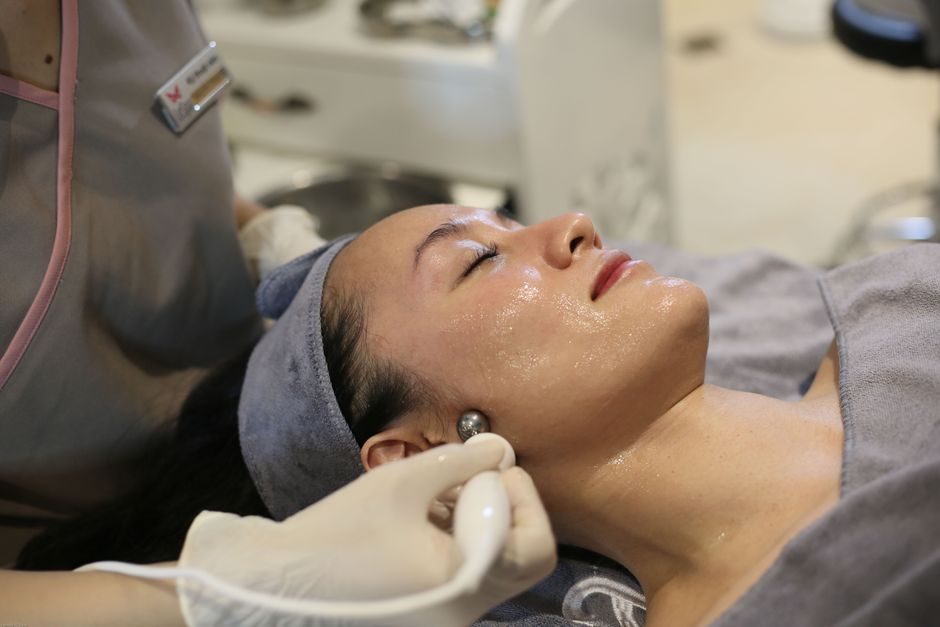
Cosmetic$500 - $2000⭐ KAHF Accredited Hospitals
Skin Whitening Treatment in Korea
Dermatologist-supervised skin brightening in Korea for melasma, dark spots, and uneven tone using laser toning, glutathione, and prescription topicals.
Quick Answer
- Skin brightening treatments in Korea cost USD 100–500 per session — Seoul clinics use laser toning, vitamin C IV drips, and prescription topicals in physician-supervised protocols
- Korean dermatologists treat hyperpigmentation and uneven skin tone using evidence-based approaches, with emphasis on safety for Asian skin phototypes
- Most brightening results are cumulative over 4–8 weekly sessions; a Korea trip can start your protocol and set up a maintenance plan for follow-up at home
At a Glance
| Procedure Duration | 30–60 minutes per session |
|---|---|
| Anesthesia | None — minimal discomfort |
| Recovery Time | Minimal; mild redness may persist a few hours |
| Hospital Stay | None — outpatient |
| Results Duration | Cumulative over 4–8 sessions; maintenance required |
| Cost Range | USD 100–500 per session |
Overview
Skin whitening in a responsible clinical context means dermatologist-supervised brightening of hyperpigmentation, melasma, dark spots, and uneven skin tone, not unsafe wholesale bleaching of the skin.
In Korean dermatology clinics the goal is to fade excess melanin where it is clustered, calm the triggers that drive pigment production, and restore a clearer, more even complexion that still matches your natural skin tone.
Common medically supervised approaches include laser toning with Q-switched Nd:YAG or picosecond lasers, prescription topicals such as tretinoin, azelaic acid, kojic acid, and tranexamic acid, chemical peels, and adjunctive antioxidant or glutathione support.
Melasma in particular is treated as a chronic, easily provoked condition, so reputable Korean clinics favor gentle, consistent, low-energy protocols over aggressive single sessions that can cause rebound darkening.
Korean dermatologists have deep experience with melanin-rich and diverse skin, which matters because darker skin types carry a higher risk of post-inflammatory hyperpigmentation if treatments are too harsh.
A proper plan begins with a consultation and skin analysis, often distinguishing surface pigment from deeper dermal pigment, then combines in-clinic procedures with daily home care and strict sun protection.
Realistic expectations are essential: brightening is gradual, usually visible after several sessions, and maintenance is part of the plan rather than a one-time fix. This approach treats the skin as a living organ to be supported, not lightened beyond its healthy baseline.
Important
Avoid unregulated skin-lightening products containing mercury or high-concentration hydroquinone. All treatments at licensed Korean dermatology clinics use products approved by the Ministry of Food and Drug Safety (MFDS).
"Skin whitening" is often used interchangeably with "skin brightening" or "pigmentation treatment." Korean clinics focus on even-toning and radiance rather than dramatic lightening of overall skin tone.
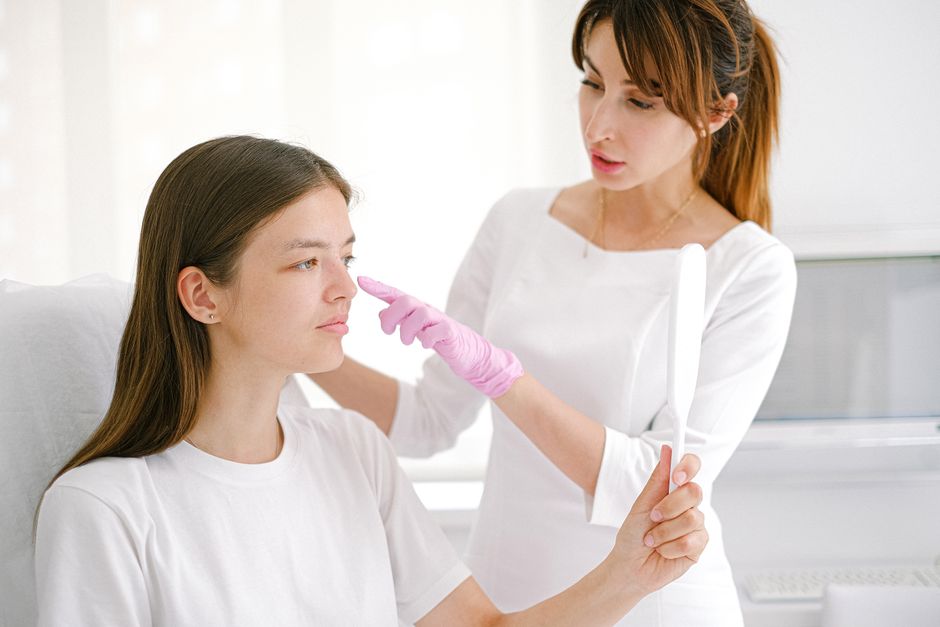
Am I a Candidate?
Good candidates are people bothered by melasma, sun-induced dark spots, freckles, post-inflammatory hyperpigmentation from acne or injury, or a generally uneven, dull-looking complexion, who want a medically supervised plan rather than over-the-counter shortcuts.
Candidacy depends on an in-person or photo-based skin assessment because the right treatment varies with the depth and cause of pigment, your skin type, and your history.
People with all skin tones can be treated, but those with naturally deeper, melanin-rich skin need clinicians experienced in pigmented skin to minimize the risk of post-inflammatory hyperpigmentation, which is exactly the expertise Korean dermatology clinics are known for.
You may not be a candidate, or may need to delay, if you are pregnant or breastfeeding, have active skin infections or open lesions in the area, have recently had significant sun exposure or a tan, take photosensitizing medications, or have a history of keloids or abnormal scarring.
Anyone seeking dramatic, unnatural lightening of healthy skin should reconsider, as that is neither safe nor the aim of legitimate care.
A thorough clinic will review your medical history, set realistic goals, explain that pigmentation often recurs without maintenance and sun protection, and may recommend a patch test or a conservative starting protocol before scaling up. The best candidates understand brightening is a managed process.
How the Procedure Works
The process typically begins with a consultation and skin analysis, where a dermatologist examines your pigmentation under specialized lighting or imaging to identify the type and depth of melanin involved and to rule out conditions that need different care.
Based on that assessment, a personalized plan is built, which may combine in-clinic procedures with prescription topicals and home care.
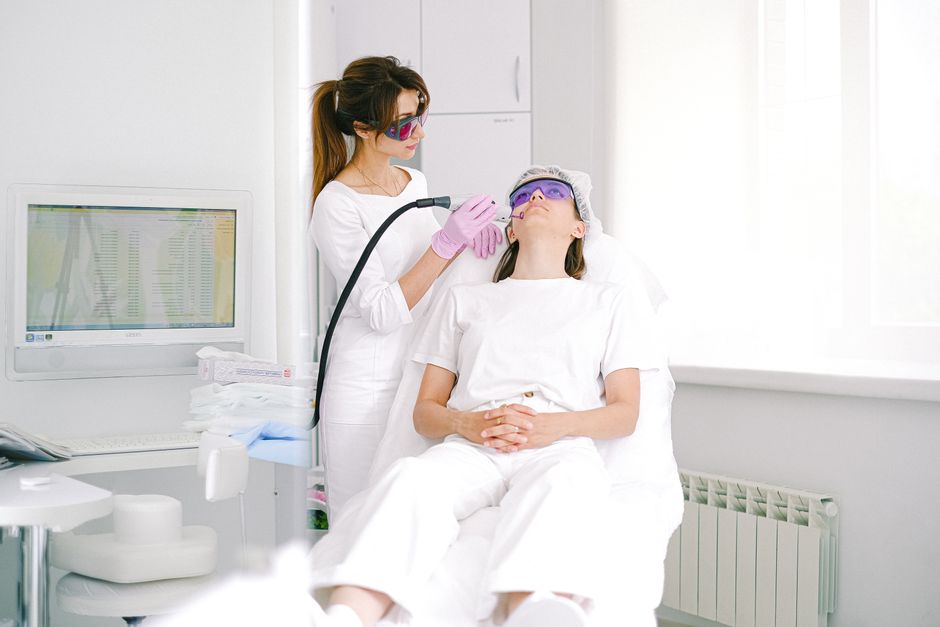
For laser toning, the skin is cleansed and a numbing cream may be applied for comfort, then the dermatologist passes a Q-switched or picosecond laser over the area in multiple gentle, low-energy passes designed to break melanin into smaller particles the body can clear, while protecting the surrounding skin.
A single session is usually quick, often well under an hour, and is generally described as tolerable rather than painful. Chemical peels involve applying a controlled solution to encourage surface turnover, and prescription creams are dispensed for daily use between visits.
Antioxidant or glutathione support, where offered, is delivered under medical supervision as an adjunct rather than a standalone cure. Because pigmentation responds gradually, treatment is delivered as a series spaced a few weeks apart, with the clinician adjusting intensity based on your response.
Throughout, strict daily sunscreen and sun-avoidance are treated as part of the procedure itself, since unprotected sun exposure can undo progress and trigger new pigment.
Recovery Timeline
Recovery from supervised brightening procedures is generally mild, which is part of their appeal for travelers. After laser toning, you may notice temporary redness, warmth, mild swelling, or a tingling sensation, and these typically settle within hours to a day.
Some people see a slight, temporary darkening of the treated pigment before it fades, which is an expected part of how the laser works rather than a setback.
Most patients can return to normal daily activities quickly, often the same day, while keeping the skin gently moisturized and avoiding harsh products. After chemical peels, light flaking or dryness may occur for several days as the skin renews.
Diligent sun protection is the single most important part of recovery, because freshly treated skin is more vulnerable to pigment rebound; broad-spectrum sunscreen, hats, and shade are essential, especially in sunny climates.
Visible brightening is usually gradual rather than instant, with many people noticing meaningful improvement after roughly three to five sessions spaced weeks apart. Melasma in particular tends to require ongoing maintenance because it is a chronic, recurrence-prone condition.
For medical travelers, this means planning either a treatment course during a longer stay or coordinating follow-up and home care remotely with your provider. If you experience unusual prolonged darkening, blistering, or persistent irritation, contact the clinic promptly, as protocols can be adjusted to protect your skin.
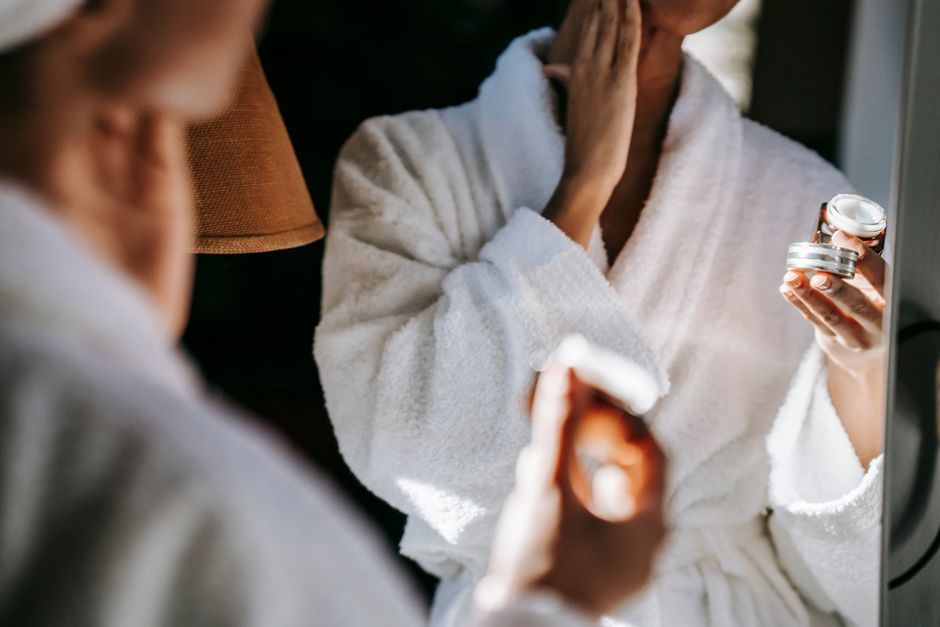
Cost Breakdown
Costs vary by clinic, the technology used, the number of sessions, and the severity of pigmentation, so the figures below are approximate USD ranges rather than fixed quotes.
Korea wins on price. A single laser toning session in Korea commonly runs roughly 55 to 300 US dollars, with many mid-range clinics clustering around the lower-to-middle portion of that band.
The same treatment in some Western countries can run roughly 300 to 600 US dollars per session, part of why Korea is attractive for value.
Because pigmentation usually needs a series, budgeting for multiple sessions is realistic, and clinics often offer package pricing that lowers the per-session cost. Consultation and skin analysis fees are typically modest, often around 15 to 35 US dollars, and frequently waived if you proceed with treatment.
Prescription brightening or anti-pigmentation creams may add roughly 25 to 75 US dollars. Adjunctive antioxidant or glutathione support, where medically appropriate, is priced separately.
Medical travelers should also factor in flights, accommodation, local transport, and time, and should ask each clinic for an itemized, written estimate that lists the device used, number of recommended sessions, included follow-up, and aftercare products.
Be cautious of prices that look unusually low, as legitimate care uses registered, traceable equipment and qualified dermatologists. A transparent clinic will explain why a plan costs what it does and will not promise guaranteed or permanent results.
| Item | Typical Cost in Korea (USD) |
|---|---|
| Low-fluence Q-switch laser toning (1 session) | |
| Vitamin C IV brightening drip | |
| Prescription topical lightening protocol (set) | |
| Combination brightening package (4 sessions) |
Why Korea
Korea, and Seoul in particular, has become one of the world's leading destinations for skin care, with the Gangnam district widely known as a hub of dermatology clinics.
According to the Korea Health Industry Development Institute, dermatology has surged to become one of the country's top draws for foreign patients, reflecting both demand and a deep concentration of clinical experience. Several factors make Korea compelling for pigmentation and brightening care.
First, Korean dermatologists treat a high volume of patients with diverse and melanin-rich skin, building real expertise in minimizing the post-inflammatory hyperpigmentation risk that makes brightening tricky in darker skin tones.
Second, regulatory oversight is meaningful: the Ministry of Food and Drug Safety regulates medical devices, and clinics are expected to use registered, traceable equipment rather than refurbished or parallel-imported machines.
Third, the government-backed Medical Korea initiative, supported by KHIDI, promotes international patient services and provides verification pathways so visitors can confirm a facility is properly registered for medical tourism.
For travelers from Africa and elsewhere, this combination of clinical experience with varied skin, device regulation, value pricing, and structured international support is reassuring.
Before booking, confirm the clinic is registered with the relevant authorities, that a licensed dermatologist leads your care, and that your plan is honest about gradual results and maintenance.
Key Takeaways
- Physician-supervised brightening at Korean dermatology clinics uses MFDS-approved treatments — a safer alternative to unregulated over-the-counter lightening products
- Results are cumulative and maintenance-dependent; expect a protocol of several sessions over weeks, not a one-time fix
- Low-fluence laser toning is a particularly popular Korean technique for hyperpigmentation that has gained wide adoption across Asia
Frequently Asked Questions
Is skin whitening the same as bleaching my skin lighter than my natural tone?
No. Responsible, dermatologist-supervised brightening targets areas of excess pigment such as melasma, dark spots, and post-inflammatory hyperpigmentation to even out your complexion. The goal is a clearer, more uniform version of your own skin tone, not unsafe bleaching of healthy skin beyond its natural baseline. Reputable Korean clinics do not pursue or promise that, and unregulated skin-lightening products that do can be harmful.
Is laser toning safe for darker or melanin-rich skin?
It can be, when performed by clinicians experienced with pigmented skin using gentle, low-energy protocols. Darker skin carries a higher risk of post-inflammatory hyperpigmentation if treatments are too aggressive, which is why experienced Korean dermatologists favor conservative, consistent sessions and often a patch test or cautious starting plan. Always ensure a qualified dermatologist assesses your skin type first and explains the specific risks for your skin.
How many sessions will I need and when will I see results?
Pigmentation responds gradually, so brightening is delivered as a series spaced a few weeks apart. Many people notice meaningful improvement after roughly three to five sessions, though this varies with the type and depth of pigment. Melasma in particular is chronic and usually needs ongoing maintenance rather than a one-time fix, so realistic expectations and a maintenance plan are part of good care.
What is recovery like, and can I keep working or sightseeing?
Downtime is usually minimal. After laser toning you may have temporary redness, mild swelling, or brief darkening of the pigment before it fades, typically settling within hours to a day, and most people resume normal activities quickly. Diligent broad-spectrum sun protection afterward is essential to protect results and prevent pigment rebound, especially in sunny conditions.
How do I verify a Korean clinic is legitimate before booking?
Confirm the facility is registered as a medical institution and, for international patients, registered for medical tourism through Korea's official verification pathways supported by KHIDI and the Medical Korea initiative. Check that a licensed dermatologist leads your care, that the clinic uses registered, traceable devices, and that you receive a written, itemized plan. Be wary of guaranteed results or unusually cheap pricing.
Related Topics
Sources
Ready to Begin Your Journey?
Get matched with KAHF-accredited hospitals and receive a personalized treatment plan.
Quick Facts
Typical Cost
$500 - $2000
Duration
3 days
Accredited Hospitals
2+ Available
Medical Information Disclaimer
The information provided on this page about Skin Whitening Treatment is for general educational and informational purposes only. It is not intended as, and should not be construed as, medical advice, diagnosis, or treatment recommendations.
Always seek the advice of a qualified healthcare professional regarding any medical condition or treatment. Never disregard professional medical advice or delay seeking it because of information found on this website. Individual treatment outcomes may vary. Costs shown are estimates and may differ based on individual circumstances.
KmedTour acts as a medical tourism facilitator and does not provide direct medical services. All treatments are performed by independently accredited healthcare providers in South Korea.