Fertility$5000 - $12000⭐ KAHF Accredited Hospitals
Single Port Laparoscopic Surgery in Korea
Single-incision surgery through one umbilical port — less scarring, faster recovery, performed across Korea's advanced surgical centers.
Quick Answer
- One small umbilical incision replaces the 3–5 cuts used in standard laparoscopy, leaving a scar hidden inside the navel after healing.
- Common procedures include cholecystectomy, appendectomy, colectomy, hysterectomy, myomectomy, and nephrectomy.
- Korean hospitals pair SPLS with da Vinci SP robotic assistance for complex cases, with documented high adoption of single-port robotic techniques.
- Approximate cost in Korea ranges from $3,000–$12,000 USD depending on procedure complexity, well below equivalent Western pricing.
At a Glance
| Procedure time | 45 min – 3 hours (varies by procedure) |
|---|---|
| Anesthesia | General anesthesia |
| Hospital stay | 1–3 nights (simple) / 3–7 nights (complex colorectal or gynecologic) |
| Recommended stay in Korea | 7–14 days |
| Recovery | Return to light activity in 1–2 weeks; full recovery 3–6 weeks |
| Typical cost in Korea | $3,000–$12,000 USD depending on procedure |
Overview
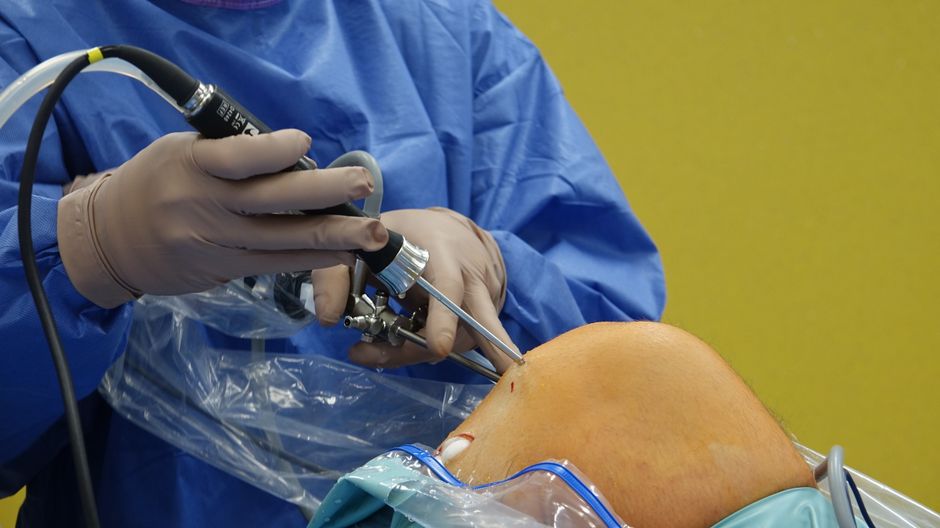
Single Port Laparoscopic Surgery (SPLS) — also called Single Incision Laparoscopic Surgery (SILS) — is a minimally invasive technique in which the entire operation is performed through one small incision, typically 1.5–2.5 cm, placed at or inside the navel.
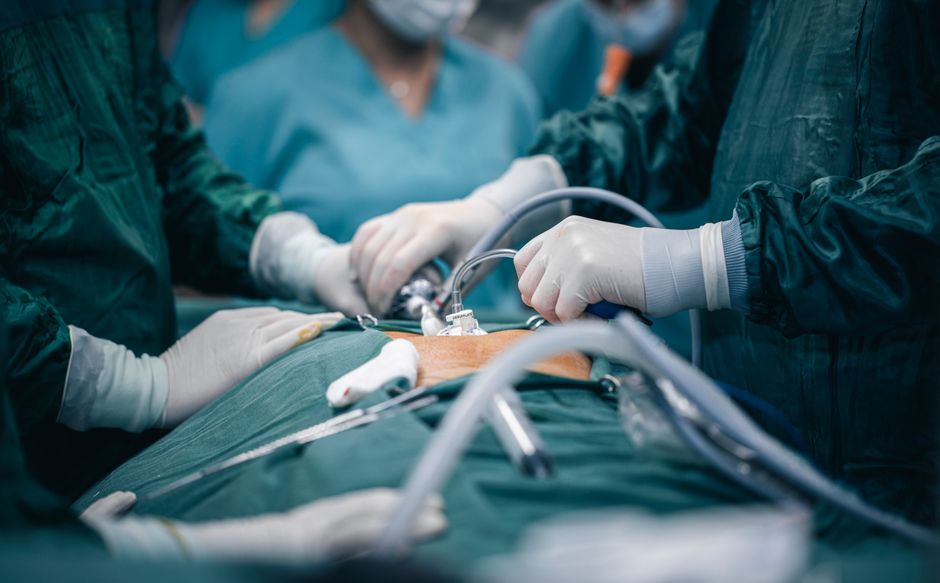
A specialized multi-channel port is inserted through this single opening. The surgeon then passes a camera and multiple instruments through the same port, navigating inside the abdominal or pelvic cavity to complete the procedure.
Because the incision is hidden within the natural contours of the umbilicus, post-healing scarring is virtually invisible — a significant advantage over conventional laparoscopy, which requires 3–5 separate skin punctures.
SPLS is used across general surgery, gynecology, urology, and colorectal surgery. Applicable procedures include gallbladder removal (cholecystectomy), appendectomy, sigmoid colectomy, hysterectomy, myomectomy, and nephrectomy.
Some Korean surgical centers combine SPLS with robotic assistance using the da Vinci SP platform, which provides articulating instruments specifically engineered for single-port access — addressing the triangulation challenges inherent to conventional SPLS.
Ask about conversion policy before booking
Even with an experienced surgeon, any SPLS case can be converted to conventional multi-port laparoscopy if anatomy or bleeding requires it. Confirm with your hospital that conversion is always available and that the quoted price covers it — so there are no unexpected costs if the approach changes intraoperatively.

Am I a Candidate?
SPLS suits patients who are good candidates for standard laparoscopy but who also place high value on cosmetic outcome, reduced post-operative pain, or faster return to activity.
General eligibility criteria:
- Elective or semi-elective surgical indications (e.g., symptomatic gallstones, benign ovarian cysts, uterine fibroids, early-stage colorectal disease)
- BMI within a range acceptable to the surgical team — higher BMI may require conventional laparoscopy or conversion
- No extensive prior abdominal surgery causing dense adhesions at the umbilicus
- Medically fit for general anesthesia
- Tumor stage and size (for oncologic cases) within the range documented as safe for the single-port approach
SPLS may not be suitable for:
- Patients with previous periumbilical hernia repair with mesh
- Advanced malignancy requiring wide lymph node dissection beyond documented SPLS parameters
- Emergent presentations where speed of access is critical
The operating surgeon's experience level is a key determinant. SPLS demands advanced laparoscopic skill due to instrument crowding and reduced angulation, so patient selection is made jointly with the surgical team after reviewing imaging and clinical history.
How the Procedure Works
Before surgery, patients undergo standard pre-operative assessment: blood work, imaging (ultrasound or CT), anesthesia consultation, and bowel preparation if colorectal surgery is planned.
On the day of surgery:
- General anesthesia is administered.
- A 1.5–2.5 cm incision is made at or within the umbilicus.
- A specialized multichannel port (e.g., SILS port, GelPOINT, or robotic SP port) is placed through the single opening.
- A high-definition laparoscopic camera and two or more working instruments are introduced through the same port.
- The abdominal cavity is insufflated with carbon dioxide gas to create working space.
- The surgeon performs the target procedure — dissecting, removing, repairing, or reconstructing tissue — using the instruments and camera feed displayed on a monitor.
- For robotic-assisted cases, the da Vinci SP system is docked at the port; the surgeon operates from a console, controlling articulating robotic arms.
- The specimen is removed through the same umbilical opening, which is then closed with absorbable sutures.
- Total operative time varies: roughly 45–90 minutes for a cholecystectomy or appendectomy, up to 2–3 hours for a hysterectomy or colectomy.
Conversion to conventional multi-port laparoscopy is always available if anatomy or bleeding requires it.
Recovery Timeline
Recovery follows a predictable arc and is generally faster than open surgery, comparable to or slightly faster than standard multi-port laparoscopy.
Day 0–1 (hospital): - Patient wakes in recovery, monitored for pain, nausea, and vital signs - Light oral fluids introduced; IV analgesia transitioned to oral pain relief - Short walks encouraged by evening of surgery day
Days 1–3 (hospital stay, simple procedures): - Diet advances to light solids - Drain management if applicable - Wound check at the umbilical site
Days 3–7 (hotel or serviced accommodation in Korea): - Short supervised walks; avoid strenuous activity - Oral analgesia only; wound dressing changes - Follow-up consultation with surgical team
Weeks 2–3 (may return home): - Light desk work or sedentary activity possible for most patients - No driving until cleared by surgeon - Avoid lifting >5 kg
Weeks 4–6: - Return to most normal activities - Full physical activity (exercise, heavy lifting) cleared at 6-week check
Colorectal and gynecologic cases follow a longer inpatient timeline (5–7 nights) and may require 4–6 weeks before full recovery.
Cost Breakdown
Korea's surgical costs for SPLS are substantially lower than in the United States, United Kingdom, or Australia for comparable procedures, without a corresponding reduction in equipment or training standards.
Why costs are lower in Korea:
- Lower labor and facility overhead relative to Western markets
- Government-supported medical tourism infrastructure via KHIDI and the Medical Korea program
- High surgical volume, which sustains competitive pricing
Approximate procedure cost ranges (surgeon + hospital + anesthesia, USD):
- Cholecystectomy: $3,000–$5,500
- Appendectomy: $2,800–$4,500
- Hysterectomy (benign): $5,500–$9,000
- Colectomy / sigmoid resection: $7,500–$12,000
- Robotic-assisted SPLS (da Vinci SP): add approximately $1,500–$3,000 above standard SPLS pricing
These are approximate ranges. Final quotes depend on hospital tier, surgeon seniority, anesthesia duration, room grade, and any add-on diagnostics.
Patients should request itemized written quotes from the hospital's international patient center before booking.
| Item | Typical Cost in Korea (USD) |
|---|---|
| SPLS Cholecystectomy | $3,000–$5,500 |
| SPLS Appendectomy | $2,800–$4,500 |
| SPLS Hysterectomy (benign) | $5,500–$9,000 |
| SPLS Colectomy / Sigmoid Resection | $7,500–$12,000 |
| Robotic-Assisted SPLS (da Vinci SP) add-on | $1,500–$3,000 |
Why Korea
Korea has built one of the world's most concentrated ecosystems for minimally invasive surgery, driven by a combination of government investment, high surgical volume, and a culture of rapid technology adoption in operating rooms.
Regulatory and institutional framework:
The Korea Health Industry Development Institute (KHIDI) manages the Medical Korea program, which registers and monitors hospitals serving foreign patients under Ministry of Health and Welfare oversight.
The Ministry of Food and Drug Safety (MFDS) governs medical device approvals, ensuring that platforms like the da Vinci SP system are evaluated under a rigorous national framework before clinical deployment.
Technology adoption:
Korean hospitals have invested heavily in single-port robotic systems. The da Vinci SP platform was validated in Korean academic centers and is now available at major university and tertiary hospitals across Seoul and other cities.
Surgical volume and training:
High case volume is the single most important driver of SPLS outcomes. Korean surgical teams at major centers perform SPLS across general surgery, colorectal, gynecology, and urology within the same institutional framework, allowing cross-specialty learning and protocol standardization.
Patient experience infrastructure:
Hospitals registered with Medical Korea typically provide dedicated international patient coordinators, multilingual support, and care navigation services. Korea's urban infrastructure — transport, accommodation, pharmacy access — supports a comfortable recovery stay near major surgical centers in Seoul, Busan, and Incheon.
Key Takeaways
- SPLS performs the entire operation through one umbilical incision, leaving a scar hidden in the navel after healing.
- Korea's adoption of single-port robotic systems (da Vinci SP) is documented at scale, with major university hospitals offering both pure SPLS and robotic-assisted single-port options.
- Costs in Korea are broadly 40–60% lower than equivalent procedures in the US or UK, supported by KHIDI's Medical Korea program for foreign patients.
- Patient selection, surgeon experience, and the specific procedure all heavily influence outcomes — review your imaging and medical history with the surgical team before confirming candidacy.
Frequently Asked Questions
How is SPLS different from standard laparoscopic surgery?
Standard laparoscopy uses 3–5 separate incisions for the camera and instruments. SPLS uses a single specialized port placed at the umbilicus, through which all instruments and the camera are passed simultaneously. This reduces the number of skin incisions to one and leaves the post-healed scar hidden inside the navel.
Is single-port surgery safe for cancer cases such as colorectal or gynecologic cancer?
SPLS has been studied for early-stage colorectal cancer and selected gynecologic oncology cases in peer-reviewed literature, including Korean multicenter data. Safety and oncologic adequacy depend on tumor stage, location, and surgeon experience. Your surgical team will review staging imaging and determine whether SPLS meets oncologic safety criteria for your specific case.
Will I have visible scarring after SPLS?
The umbilical incision heals within the natural folds of the navel, making the resulting scar largely invisible once fully healed — typically within 3–6 months. Individual healing varies based on skin type and post-operative wound care compliance.
What is the da Vinci SP system and does every Korean hospital offer it?
The da Vinci SP is a robotic surgical platform designed specifically for single-port access. It uses a single arm with a camera and three articulating instruments, all entering through one port. It is available at major tertiary and university-affiliated hospitals in Korea but is not universal. Ask the hospital's international patient center directly whether robotic single-port capability is available for your procedure.
How long must I stay in Korea after SPLS?
A minimum stay of 7–14 days in Korea is generally recommended. Simple procedures like cholecystectomy may allow hotel discharge after 1–2 hospital nights, with a follow-up visit at 5–7 days before flying. Colorectal or complex gynecologic cases require longer inpatient stays and a correspondingly longer in-country recovery period before air travel is medically appropriate.
How do I verify a Korean hospital's credentials for SPLS?
Start with the official Medical Korea portal, managed by KHIDI under the Ministry of Health and Welfare. Registered hospitals have met government standards for treating foreign patients. You can also ask the hospital for its MOHW Certificate of Registration for Foreign Patient Attraction and confirm whether the facility holds accreditation from a recognized body such as the Korean Hospital Accreditation Program (KOIHA).
Related Topics
Sources
Ready to Begin Your Journey?
Get matched with KAHF-accredited hospitals and receive a personalized treatment plan.
Quick Facts
Typical Cost
$5000 - $12000
Duration
3 days
Accredited Hospitals
0+ Available
Top Hospitals
Medical Information Disclaimer
The information provided on this page about Single Port Laparoscopic Surgery is for general educational and informational purposes only. It is not intended as, and should not be construed as, medical advice, diagnosis, or treatment recommendations.
Always seek the advice of a qualified healthcare professional regarding any medical condition or treatment. Never disregard professional medical advice or delay seeking it because of information found on this website. Individual treatment outcomes may vary. Costs shown are estimates and may differ based on individual circumstances.
KmedTour acts as a medical tourism facilitator and does not provide direct medical services. All treatments are performed by independently accredited healthcare providers in South Korea.