Spine$20000 - $50000⭐ KAHF Accredited Hospitals
Scoliosis Correction Surgery in Korea
Spinal fusion and deformity correction surgery for scoliosis in South Korea — world-class technique at a fraction of Western costs.
Quick Answer
- Posterior spinal fusion (PSF) is the standard surgical approach for curves above 45–50° Cobb angle; vertebral column resection (VCR) is reserved for severe rigid deformities above 90°.
- Costs in Korea range from approximately $14,000 to $60,000 USD, depending on curve severity, levels fused, and implant complexity — roughly 60–75% less than US prices.
- Intraoperative neuromonitoring (IONM) is used as standard of care at leading Korean spine centers, continuously tracking spinal cord function during correction.
- Hospital stay is typically 7–12 days, with a recommended total Korea stay of 3–4 weeks for initial wound checks and physical therapy before flying home.
At a Glance
| Procedure time | 3–8 hours (varies by curve severity and levels fused) |
|---|---|
| Anesthesia | General anesthesia with continuous IONM |
| Hospital stay | 7–12 days |
| Recommended stay in Korea | 3–4 weeks |
| Recovery | Return to light activity in 6–8 weeks; full recovery 6–12 months |
| Typical cost in Korea | $14,000–$60,000 USD (all-inclusive packages available) |
Overview
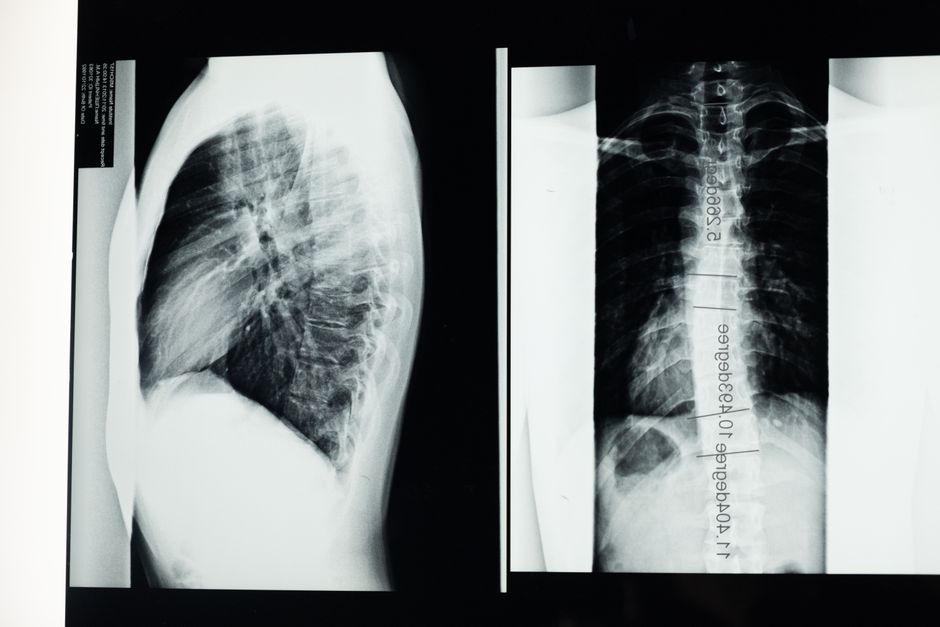
Scoliosis correction surgery addresses abnormal lateral curvature of the spine, most commonly adolescent idiopathic scoliosis (AIS) and adult degenerative scoliosis. Surgery is generally recommended when the Cobb angle exceeds 45–50° and bracing has failed or is no longer appropriate.
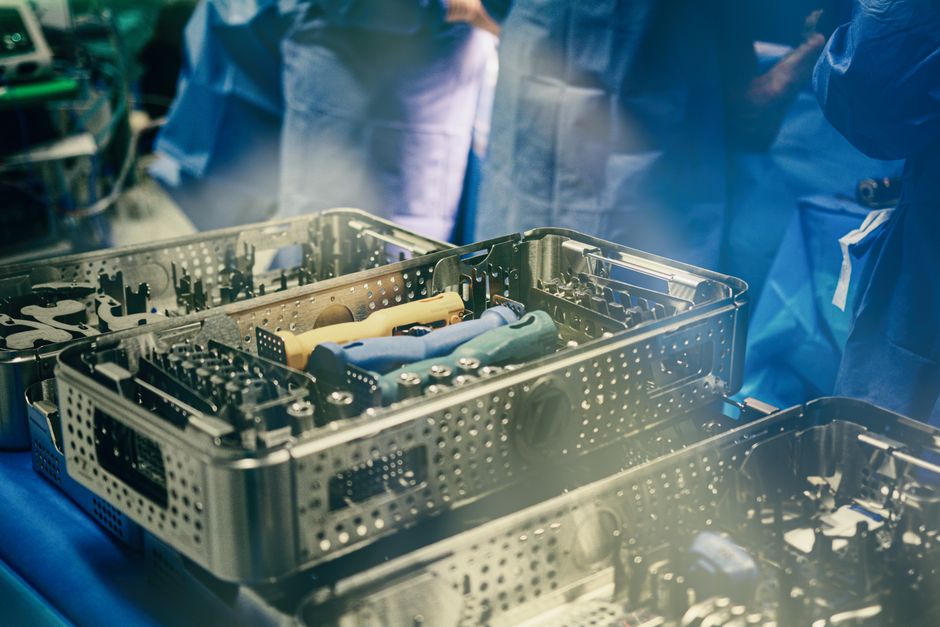
The most widely performed technique is posterior spinal fusion (PSF), in which titanium pedicle screws and rods are anchored to the vertebrae and the spine is incrementally realigned before bone graft material fuses the segment permanently.
For severe, rigid curves exceeding roughly 90°, vertebral column resection (VCR) allows a more dramatic correction by removing one or more vertebral bodies and their posterior elements entirely.
South Korea's leading spine centers integrate robotic spine surgery platforms and intraoperative neurophysiological monitoring (IONM) as standard practice. IONM tracks motor-evoked and somatosensory-evoked potentials in real time so the surgical team can detect and respond to any neurological change before permanent damage occurs.
Research contributions from institutions such as Asan Medical Center in Seoul and Korea University Guro Hospital appear regularly in peer-reviewed spine journals, reflecting active clinical scholarship alongside high surgical volume.
Request an itemised quote before travel
Ask for a written breakdown separating surgeon fees, anaesthesia, implants, hospital stay, and outpatient visits. This makes cost comparisons accurate and avoids surprise charges on discharge.
Am I a Candidate?
Candidates for surgical scoliosis correction generally meet one or more of the following criteria:
- Adolescent idiopathic scoliosis (AIS) with a Cobb angle above 45–50° in a growing patient, or above 50° in a skeletally mature patient
- Adult degenerative scoliosis causing progressive neurological symptoms, intractable pain, or significant functional limitation not responsive to conservative management
- Curves that have progressed despite bracing, physical therapy, or other non-surgical treatment
- Congenital scoliosis with documented curve progression and structural vertebral anomalies
- Patients who are medically fit for general anesthesia and prolonged surgery
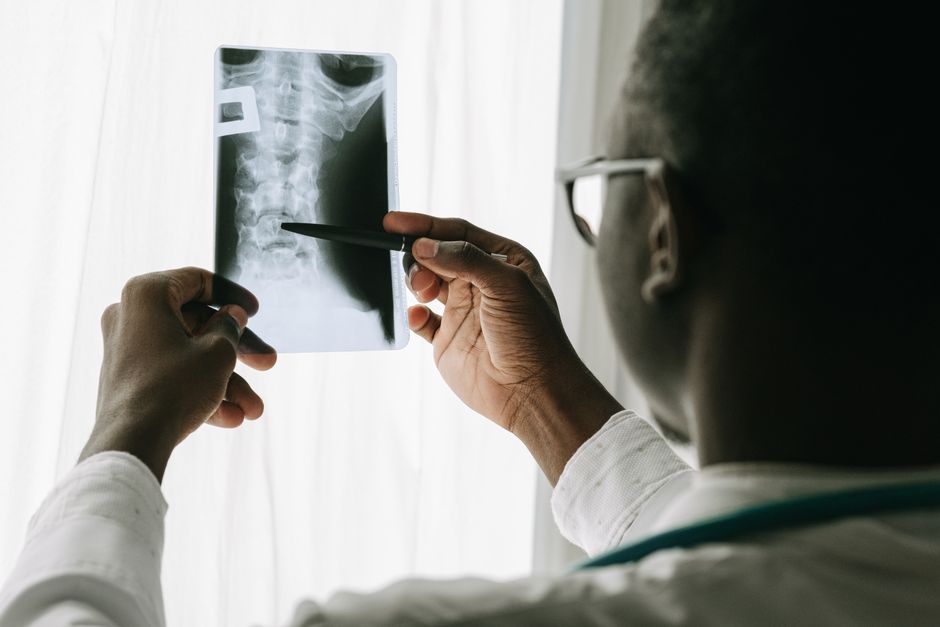
Candidates who are NOT suitable may include those with severe cardiopulmonary compromise, active infection, or very low bone density that cannot support instrumentation. A thorough preoperative evaluation — including full-length standing X-rays, MRI, CT, and DEXA scan where appropriate — is carried out before any surgical plan is confirmed.
How the Procedure Works
The surgical pathway at a Korean spine center typically follows this sequence:
Preoperative planning. Full-length EOS or digital standing radiographs are taken to calculate Cobb angle, sagittal balance, and rotational deformity. 3D CT reconstruction assists in planning screw trajectories, especially for robotic-guided placement.
Anaesthesia and IONM setup. General anaesthesia is induced and IONM electrodes are placed to monitor motor-evoked potentials (MEPs) and somatosensory-evoked potentials (SSEPs) throughout the case.
Posterior spinal fusion (standard). The surgeon makes a midline posterior incision, exposes the vertebrae, and places pedicle screws under robotic or fluoroscopic guidance. Contoured titanium rods are then attached and the spine is progressively derotated and realigned.
Autograft bone (often harvested from the iliac crest) or allograft is packed along the decorticated posterior elements to promote fusion.
Vertebral column resection (severe curves). For rigid curves above approximately 90°, one or more complete vertebral segments — including the vertebral body and posterior elements — are excised. A temporary rod maintains stability during resection. Anterior column support (cage or structural graft) is placed before final rod fixation.
Wound closure and ICU or HDU care. A drain is placed and the wound is closed in layers. Most patients spend the first night in a high-dependency or intensive care unit for neurological observation.
Recovery Timeline
Recovery follows a broadly predictable timeline, though individual variation is significant based on the number of levels fused and the patient's age and baseline fitness.
Days 1–3 (in hospital). Pain is managed with IV and oral analgesia. Patients are mobilised — standing or sitting in a chair — as early as the first postoperative day with physiotherapist guidance. IONM findings and wound output are monitored closely.
Days 4–12 (continuing inpatient). Drain is removed, wound is inspected, and a structured physiotherapy programme begins. Patients learn safe log-rolling, posture, and early walking technique. Most are discharged within 7–12 days.
Weeks 2–4 (Korea recovery stay). Outpatient wound checks, X-ray assessment of hardware position, and continued physiotherapy are completed before the patient is cleared for long-haul flight. A back brace is typically worn for 3–6 months.
Weeks 6–8. Return to desk work and light daily activities for most patients. Driving timelines vary by surgeon instruction.
Months 3–6. Progressive return to low-impact exercise. X-rays monitor early fusion consolidation.
Months 6–12. Full fusion is confirmed radiographically for most patients. Return to sport or physically demanding work discussed with the treating team.
Cost Breakdown
Scoliosis correction surgery in South Korea ranges from approximately $14,000 to $60,000 USD, with the wide range reflecting differences in curve complexity, number of levels fused, implant grade, and hospital tier.
A straightforward PSF covering 8–10 levels at a well-regarded Seoul hospital typically falls in the $20,000–$35,000 USD range. Complex cases requiring VCR, revision surgery, or advanced robotic systems may approach or exceed $50,000–$60,000 USD.
Many hospitals offer all-inclusive medical tourism packages covering surgery, anaesthesia, implants, hospitalization, post-op medications, and a set number of follow-up visits. Translation services and patient coordination support are often included.
For reference, comparable procedures in the United States commonly run $100,000–$150,000 USD or more when implants, facility fees, and anaesthesia are itemised separately.
All cost ranges quoted here are approximate. Final pricing depends on the individual surgical plan confirmed after a formal evaluation, and patients should request an itemised quote from the treating facility before committing.
| Item | Typical Cost in Korea (USD) |
|---|---|
| Posterior spinal fusion (6–10 levels, straightforward AIS) | $20,000–$35,000 |
| Posterior spinal fusion (10+ levels or adult degenerative) | $30,000–$45,000 |
| Vertebral column resection (severe/rigid curve) | $45,000–$60,000 |
| Implants and hardware (titanium rods, pedicle screws — often bundled) | $5,000–$15,000 |
| Post-op physiotherapy and outpatient follow-up (Korea stay) | $800–$2,500 |
Why Korea
South Korea has built a globally recognised reputation in complex spinal surgery over several decades, combining high surgical volume with investment in precision technology.
Regulatory and institutional quality. Korea's medical system is overseen by the Ministry of Food and Drug Safety (MFDS) for devices and pharmaceuticals, and the Korea Health Industry Development Institute (KHIDI) coordinates the country's Medical Korea initiative, which sets standards for international patient services.
Major hospitals hold international accreditations and publish surgical outcome data in peer-reviewed journals.
Technology. Robotic spine surgery platforms, O-arm 3D intraoperative imaging, and AI-assisted surgical planning are operational at leading centres in Seoul and the Gangnam district. IONM is standard practice, not an optional add-on, at top-tier spine units.
Surgical volume. Korea's spine surgery centres handle exceptionally high caseloads compared to smaller markets. High volume is consistently associated in the spine literature with lower complication rates for complex procedures like VCR.
Cost access. Even at premium hospital tiers in Seoul, scoliosis surgery costs a fraction of equivalent procedures in the United States, United Kingdom, or Australia, without meaningful compromise on implant quality or anaesthetic standards.
Patient services. Gangnam and central Seoul hospitals serving international patients typically provide English-speaking coordinators, interpretation, airport transfers, and curated recovery accommodation near the hospital.
Key Takeaways
- Scoliosis correction surgery in Korea costs roughly 60–75% less than equivalent procedures in the United States, with no reduction in implant quality or safety monitoring standards.
- IONM is standard practice at leading Korean spine centres, providing real-time spinal cord safety data throughout the correction and derotation manoeuvres.
- Plan for a total stay of 3–4 weeks: the first 7–12 days inpatient, and the remainder for wound review, physiotherapy, and clearance for long-haul travel.
- Full spinal fusion consolidation takes 6–12 months; return to light work is typically possible within 6–8 weeks of surgery.
Frequently Asked Questions
What Cobb angle typically qualifies a patient for scoliosis surgery?
Surgery is generally considered when the Cobb angle exceeds 45–50° in adolescents who are still growing or 50° in skeletally mature patients, particularly when the curve is progressing or causing significant symptoms. For adult degenerative scoliosis, symptom burden and functional impact matter as much as the angle measurement.
How long does scoliosis correction surgery take?
Operative time ranges from roughly 3 hours for a shorter-segment posterior fusion to 7–8 hours or more for vertebral column resection in a severe rigid curve. Complex revision cases can take longer. The surgical team will give an estimate specific to your imaging and planned approach.
Is the surgical hardware permanent?
In most cases, yes — the titanium rods and pedicle screws remain in place permanently and are not routinely removed once fusion is confirmed. They are MRI-compatible. Hardware removal is occasionally considered if implant-related pain develops, but this is not common.
Can I fly home after surgery?
Most surgeons recommend staying in Korea for 3–4 weeks before a long-haul flight. By that point, the wound is healed, hardware position has been confirmed on X-ray, and the patient has completed initial physiotherapy. Blood clot prevention (anticoagulation, compression stockings, regular movement) is important during the flight.
What is the difference between PSF and VCR?
Posterior spinal fusion (PSF) is the standard technique: screws and rods are used to hold the spine in a corrected position while bone graft fuses the segments. Vertebral column resection (VCR) goes further — one or more complete vertebral segments are surgically removed to allow correction of very severe or rigid curves that cannot be adequately addressed with instrumentation alone. VCR carries higher technical complexity and is reserved for selected cases.
Does scoliosis surgery in Korea include a language interpreter?
Most internationally oriented spine centres in Seoul and Gangnam employ dedicated patient coordinators who speak English, and many also support Arabic, Chinese, and other languages. Interpretation is typically included in the medical tourism package or available at minimal additional cost. Confirm this with the hospital's international patient department before booking.
Related Topics
Sources
Ready to Begin Your Journey?
Get matched with KAHF-accredited hospitals and receive a personalized treatment plan.
Quick Facts
Typical Cost
$20000 - $50000
Duration
10 days
Accredited Hospitals
0+ Available
Top Hospitals
Medical Information Disclaimer
The information provided on this page about Scoliosis Correction Surgery is for general educational and informational purposes only. It is not intended as, and should not be construed as, medical advice, diagnosis, or treatment recommendations.
Always seek the advice of a qualified healthcare professional regarding any medical condition or treatment. Never disregard professional medical advice or delay seeking it because of information found on this website. Individual treatment outcomes may vary. Costs shown are estimates and may differ based on individual circumstances.
KmedTour acts as a medical tourism facilitator and does not provide direct medical services. All treatments are performed by independently accredited healthcare providers in South Korea.