Transplantation$50000 - $100000⭐ KAHF Accredited Hospitals
Robotic Transplant Surgery in Korea
Minimally invasive kidney and liver transplantation using the da Vinci robotic system — performed at leading Korean transplant centers.
Quick Answer
- Robotic transplant surgery applies the da Vinci Xi platform to kidney and liver transplants, replacing the large incisions of open surgery with small ports and robotic arms.
- Korea performed its first robotic kidney transplant and pioneered fully robotic living-donor liver graft implantation at Seoul National University Hospital, establishing it as an early-adopter leader.
- Hospital stays are shorter with robotic transplantation — typically 3–7 days versus the longer recoveries common in open surgery, with less blood loss and lower postoperative pain.
- Total costs in Korea for robotic organ transplantation are broadly estimated in the range of $25,000–$60,000 USD depending on organ, donor type, and hospital tier — significantly below equivalent US pricing.
At a Glance
| Procedure time | 4–8 hours (varies by organ and donor type) |
|---|---|
| Anesthesia | General anesthesia |
| Hospital stay | 3–7 days (recipient); donor stay similar or shorter |
| Recommended stay in Korea | 4–6 weeks for follow-up and immunosuppression monitoring |
| Recovery | Return to light activity in 4–6 weeks; full recovery 3–6 months |
| Typical cost in Korea | ~$25,000–$60,000 USD (organ and donor type dependent) |
Overview
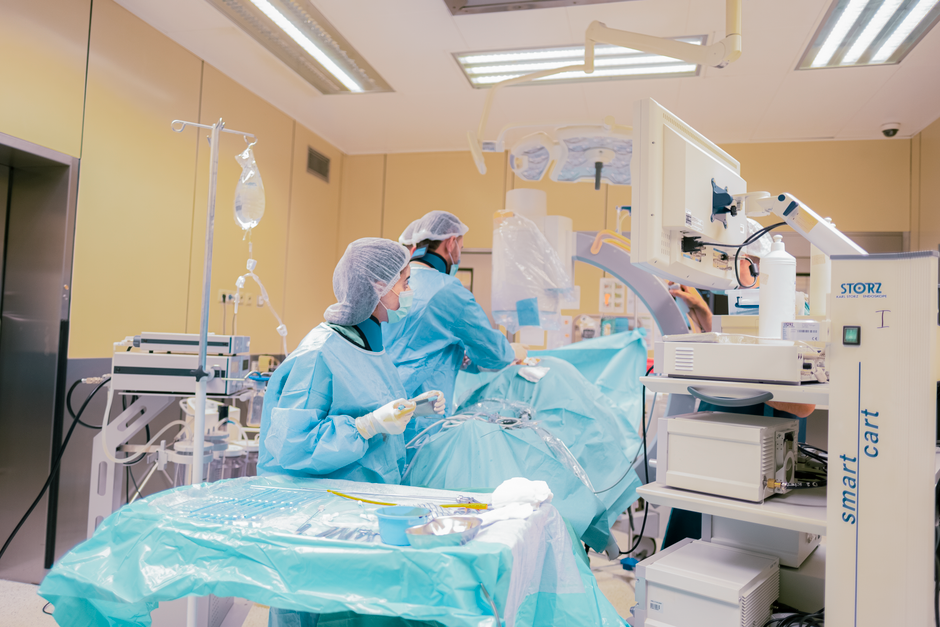
Robotic transplant surgery applies minimally invasive robotic technology — primarily the da Vinci Xi system — to organ transplantation procedures that have historically required large open incisions.
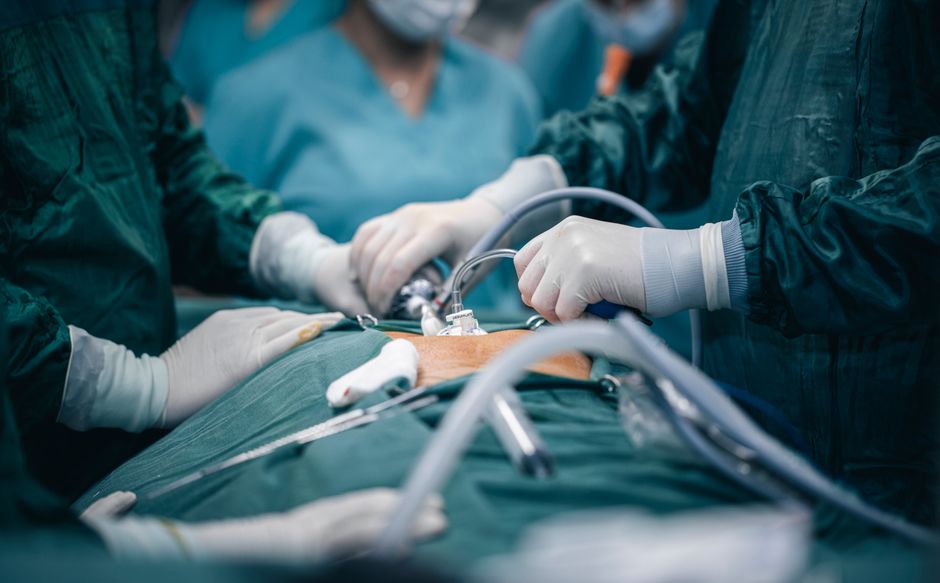
In kidney transplantation, the robot allows the surgeon to make several small port incisions in the lower abdomen rather than a long flank or midline cut, then precisely suture the donor kidney's vessels and ureter under 3D high-definition magnification.
In living-donor liver transplantation, robotic assistance has been used for both the donor hepatectomy (partial liver removal) and, in pioneering cases, recipient implantation.
The robotic approach gives surgeons a stable, tremor-free instrument set with a full range of wrist motion inside a very confined operative field — critical in the pelvis for kidney placement and in the right upper quadrant for liver work.
South Korea has been among the first countries to document and publish robotic kidney transplant case series and to perform fully robotic donor hepatectomy with robotic recipient liver graft implantation.
Korean transplant programs have built multi-disciplinary teams combining transplant surgeons, robotic surgery specialists, anesthesiologists, and dedicated coordinators to support international patients through the full journey.
This approach does not change the fundamental biology of transplantation — patients still require lifelong immunosuppression, rigorous matching, and close follow-up — but it changes the surgical experience by reducing trauma to surrounding tissues, shortening hospital stay, and improving cosmetic outcomes.
Bring your donor
Korean robotic transplant programs accept living-related donors from abroad. Coordinating your donor's evaluation alongside your own workup during the pre-operative visit saves significant time and reduces the total stay required.
Immunosuppression supply
Before departure, confirm with your Korean transplant coordinator exactly how many weeks of post-operative immunosuppression medications will be dispensed. Arrange with your home-country specialist to continue prescriptions on the same protocol on return.
Am I a Candidate?
Not every transplant candidate qualifies for the robotic approach. Suitability is determined through a thorough evaluation before any procedure is scheduled.
Patients who may be good candidates include:
- Adults with end-stage renal disease awaiting kidney transplantation with a living or deceased donor
- Living liver donors who meet hepatic volume and anatomy criteria for robotic donor hepatectomy
- Recipients with a BMI within an acceptable range for robotic pelvic access
- Patients without extensive prior abdominal surgery that would make robotic port placement unsafe
- Patients medically stable enough for general anesthesia of 4–8 hours duration
Factors that may shift the plan toward conventional open surgery:
- Prior multiple abdominal or pelvic surgeries creating dense adhesions
- Severe cardiovascular or pulmonary comorbidities limiting anesthesia tolerance
- Recipient anatomy or donor organ characteristics that make robotic vessel suturing higher risk
- Emergency re-transplantation scenarios where speed outweighs minimally invasive benefits
The decision is made by the transplant team after reviewing imaging, donor-recipient compatibility panels, and overall organ function. International patients should expect a detailed pre-operative workup period before any surgery date is confirmed.
How the Procedure Works
The robotic transplant procedure follows a structured sequence, though exact steps differ between kidney and liver transplantation.
Pre-operative phase
- Comprehensive compatibility workup: blood typing, cross-match, tissue typing, imaging of recipient vessels
- Donor evaluation (for living-donor cases): CT volumetry, hepatic or renal function panels, psychosocial assessment
- Anesthesia assessment and bowel preparation
- Immunosuppression induction started before or at surgery
Operative phase — robotic kidney transplant
- Patient positioned supine; the da Vinci robotic system is docked at the patient's side
- Three to four small port incisions placed in the lower abdomen
- Robotic arms used to prepare the iliac vessels (the target vessels for donor kidney attachment)
- Donor kidney placed through a small extension of one port; robotic instruments suture the renal artery, renal vein, and ureter under magnified 3D vision
- Hemostasis confirmed robotically; ports closed
Operative phase — robotic liver (donor hepatectomy)
- Robotic dissection of the right or left lobe of the liver
- Precise division of hepatic parenchyma and vessels under robotic control
- Graft passed off for back-table preparation; recipient implantation follows
Intraoperative monitoring
- Continuous blood pressure, urine output (for kidney cases), and Doppler flow checks once anastomoses are complete to confirm graft perfusion
Immediate post-operative
- Patient moved to transplant ICU or high-dependency unit for 12–24 hours
- Immunosuppression protocol initiated; creatinine or liver function labs checked every few hours
Recovery Timeline
Recovery from robotic transplant surgery proceeds in phases, with kidney and liver recipients following broadly similar timelines at different intensities.
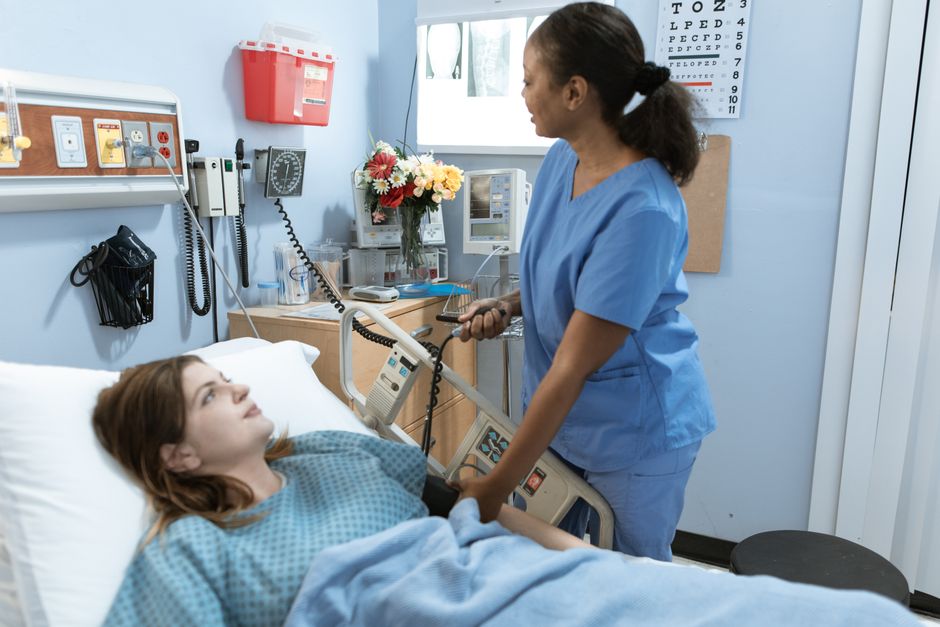
Days 1–3 (in hospital)
- Monitoring in transplant unit; IV immunosuppression and anti-rejection medications titrated
- Early mobilization encouraged within 24–48 hours — walking with support as soon as tolerated
- Liquid diet advancing to soft foods once bowel sounds return
- Drain and urinary catheter management; lab values (creatinine, liver enzymes) checked multiple times daily
Days 4–7 (hospital discharge for uncomplicated cases)
- Transition to oral immunosuppression; patient education on medication schedule, signs of rejection, and infection precautions
- Wound check; small port sites typically require no suture removal (absorbable sutures)
- Pain at this stage usually managed with non-opioid oral analgesics
Weeks 2–4 (outpatient in Korea)
- Twice-weekly clinic visits for blood draws and drug level monitoring
- Immunosuppression doses adjusted to therapeutic windows
- Gradually increasing walking; no driving or heavy lifting
- Diet and fluid instructions specific to organ type
Weeks 5–6 (pre-departure evaluation)
- Stable patients cleared for return travel with a summary of all drug protocols
- Home country nephrologist or hepatologist briefed with full records
- Emergency contact protocol established with Korean transplant team
Months 2–6 (home country follow-up)
- Monthly labs; return-to-work timeline assessed individually
- Full physical recovery typically 3–6 months; graft function monitored lifelong
Cost Breakdown
Robotic transplant surgery in South Korea is priced significantly below equivalent procedures in the United States or Western Europe, though it remains a major medical investment. Costs depend on organ type (kidney vs. liver), donor source (living vs. deceased), hospital tier, and length of stay.
The figures below reflect approximate ranges for international self-pay patients and do not constitute a quotation. Exact pricing is issued only after a formal pre-operative assessment.
What is typically included in a Korean transplant package:
- Pre-operative workup (imaging, labs, cross-match)
- Surgeon and anesthesia fees for recipient and (in living-donor cases) donor surgery
- Robotic system use fees
- Hospital stay and transplant unit monitoring
- Immunosuppression initiation and inpatient medications
- Post-operative coordinator support and translation services
What is typically billed separately:
- Living donor's independent medical and legal evaluation
- Long-term immunosuppression medications beyond the inpatient stay
- Accommodation for patient companion
- Visa and medical coordination fees
| Item | Typical Cost in Korea (USD) |
|---|---|
| Robotic kidney transplant (living donor) | $25,000–$40,000 |
| Robotic liver transplant — donor hepatectomy | $15,000–$25,000 |
| Robotic liver transplant — recipient implantation | $30,000–$50,000 |
| Pre-operative workup (imaging, labs, cross-match) | $2,000–$5,000 |
| Post-operative outpatient monitoring (4–6 weeks) | $2,000–$6,000 |
Why Korea
South Korea has built a verifiable foundation for robotic transplant excellence through institutional investment, regulatory support, and published clinical experience.
Early adoption of robotic platforms
Korea adopted the da Vinci robotic system across major academic medical centers well ahead of most Asian nations. Korean hospitals collectively operate multiple robotic systems and have logged among the highest per-center robotic surgery case volumes in the world.
This volume translates directly into surgical team experience and refined protocols for complex procedures like transplantation.
Regulatory and governmental support
The Ministry of Food and Drug Safety (MFDS) operates a fast-track pathway for innovative medical devices — compressing approval timelines from nearly 490 days to 80–140 days for qualifying technologies.
The Korea Health Industry Development Institute (KHIDI) designates innovative medical technologies and supports international patient programs through the Medical Korea initiative, which coordinates quality standards and international patient services across accredited hospitals.
Transplant training infrastructure
Korean hospitals run robotic surgery training centers that attract physicians from across Asia and beyond. The concentration of training activity raises in-house skill levels continuously.
Programs such as the one at Seoul National University Hospital have published landmark case reports — including the first fully robotic donor hepatectomy combined with robotic recipient liver graft implantation — validating Korean centers as credible pioneers in the field.
Cost competitiveness and care coordination
Korea offers international patients structured coordination through KHIDI-affiliated programs, providing interpreter services, dedicated international patient centers, and standardized pre-departure documentation.
Combined with pricing well below US or European equivalents, this makes Korea a rational destination for patients who have identified a living donor and seek a minimally invasive transplant option with a documented clinical track record.
Key Takeaways
- Robotic transplant surgery uses the da Vinci Xi robotic system to perform kidney and liver transplants through small port incisions, reducing blood loss, postoperative pain, and hospital stay compared to open surgery.
- South Korea documented its first robotic kidney transplant and pioneered fully robotic living-donor liver procedures, backed by high-volume robotic surgery centers and a supportive regulatory environment under MFDS and KHIDI.
- Estimated costs in Korea range from approximately $25,000–$40,000 for robotic kidney transplant and $45,000–$75,000 for combined robotic liver donor and recipient procedures — well below comparable US pricing.
- International patients require a minimum 4–6 week stay in Korea for surgery, transplant unit monitoring, and outpatient follow-up before being cleared for return travel.
- Robotic transplantation does not eliminate the need for lifelong immunosuppression; patients must have a confirmed home-country specialist to manage ongoing care before traveling for the procedure.
Frequently Asked Questions
Can I bring my own living donor from my home country for robotic transplant surgery in Korea?
Yes. Korean transplant programs routinely work with living donors who travel from abroad. The donor will undergo an independent medical and psychosocial evaluation at the Korean hospital before surgery is approved. Coordinating your donor's pre-operative workup during the same visit as your own is the most efficient approach.
How does robotic kidney transplant differ from open kidney transplant in terms of scarring and pain?
Open kidney transplant typically requires a long curved incision in the lower abdomen. The robotic approach uses three to four small port incisions, resulting in significantly less visible scarring. Postoperative pain is generally lower with the robotic technique, and most patients are mobilized within 24–48 hours of surgery.
Is robotic liver transplantation available for deceased-donor grafts, or only living-donor cases?
Published experience worldwide — including from Korean centers — is primarily with living-donor cases, where the donor hepatectomy can be planned and timed carefully. Deceased-donor robotic implantation is technically more complex due to time pressure and is performed at very few centers globally. Living-donor robotic liver transplant is the more established pathway.
What immunosuppression will I need after robotic transplant surgery, and can I manage it at home?
All organ transplant recipients require lifelong immunosuppression regardless of surgical technique. Your Korean transplant team will establish your initial regimen and drug levels during the inpatient stay and outpatient follow-up period. Before you travel home, you must have a confirmed specialist in your home country who can continue monitoring drug levels and adjusting doses.
How long must I remain in Korea after robotic transplant surgery before I can fly home?
Most uncomplicated cases require a minimum of 4–6 weeks in Korea. This covers the inpatient stay (typically 3–7 days), then intensive outpatient monitoring with twice-weekly blood draws while immunosuppression is being titrated. Your Korean transplant coordinator will provide a clearance letter for travel once labs are stable and your home-country care plan is confirmed.
Does robotic transplant surgery affect the long-term function of the transplanted organ?
Current published evidence does not indicate that the robotic approach negatively affects long-term graft function compared to open surgery. The anastomoses and organ handling principles are the same; the robotic system changes the access route, not the fundamental transplant biology. Long-term graft survival depends on immunosuppression adherence, rejection monitoring, and management of comorbidities.
Related Topics
Sources
- First robotic kidney transplantation in Korea — PMC case report
- Pioneering fully robotic donor hepatectomy and robotic recipient liver graft implantation — PMC
- Robot-assisted versus conventional open kidney transplantation meta-analysis — PMC
- Comparison of open and robot-assisted kidney transplantation outcomes — PMC
- Medical Korea — Official International Patient Services
Ready to Begin Your Journey?
Get matched with KAHF-accredited hospitals and receive a personalized treatment plan.
Quick Facts
Typical Cost
$50000 - $100000
Duration
14 days
Accredited Hospitals
0+ Available
Top Hospitals
Medical Information Disclaimer
The information provided on this page about Robotic Transplant Surgery is for general educational and informational purposes only. It is not intended as, and should not be construed as, medical advice, diagnosis, or treatment recommendations.
Always seek the advice of a qualified healthcare professional regarding any medical condition or treatment. Never disregard professional medical advice or delay seeking it because of information found on this website. Individual treatment outcomes may vary. Costs shown are estimates and may differ based on individual circumstances.
KmedTour acts as a medical tourism facilitator and does not provide direct medical services. All treatments are performed by independently accredited healthcare providers in South Korea.