Fertility$8000 - $18000⭐ KAHF Accredited Hospitals
Robotic Reproductive Surgery in Korea
Robotic-assisted minimally invasive surgery for fibroids, endometriosis, and fertility preservation, performed at South Korea's advanced gynecologic centers.
Quick Answer
- Da Vinci robotic systems are the dominant platform used across Seoul's major gynecologic hospitals for procedures such as myomectomy, endometriosis excision, and uterine reconstruction.
- Typical cost in Korea: $10,000–$22,000, roughly 40–60% less than comparable procedures in the United States.
- Hospital stay is generally 1–3 days for most robotic reproductive procedures; full recovery is 2–6 weeks depending on the procedure.
- Korea's OB/GYN centers combine MFDS-regulated implants, internationally trained surgeons, and KOIHA-quality frameworks to serve growing inbound patient demand.
At a Glance
| Procedure time | 1.5–4 hours depending on procedure complexity |
|---|---|
| Anesthesia | General anesthesia |
| Hospital stay | 1–3 days |
| Recommended stay in Korea | 7–14 days |
| Recovery | Light activity in 1–2 weeks; full recovery in 4–6 weeks |
| Typical cost in Korea | $10,000–$22,000 USD |
Overview
Robotic reproductive surgery in South Korea refers to minimally invasive gynecologic procedures performed using robotic surgical systems — most commonly the da Vinci platform — to treat conditions that affect a woman's reproductive organs and fertility.
Common indications include uterine fibroids (leiomyomata), endometriosis, uterine adhesions (Asherman's syndrome), fallopian tube repair, and certain uterine anomalies. The robotic approach allows surgeons to operate through small incisions using wristed instruments that far exceed the range of motion of the human hand.
South Korea has seen a marked increase in robotic gynecologic procedures over the past decade, driven in part by the rising average age of pregnancy and a corresponding rise in uterine leiomyoma patients who need fertility-preserving surgery before attempting conception.
Korean OB/GYN specialists broadly prioritize minimally invasive techniques over open surgery, reducing organ damage, blood loss, scarring, and recovery time. This philosophy aligns well with the needs of international reproductive medicine patients who want to minimize downtime while preserving maximum fertility potential.
Hospitals in Seoul — particularly in the Gangnam and Sinchon districts — are equipped with multiple da Vinci systems and dedicated robotic surgery suites staffed by fellowship-trained gynecologic surgeons with high case volumes in robotic procedures.
Bring Your Imaging From Home
Arriving with a recent pelvic MRI (within 6 months) can eliminate the need for repeat imaging in Korea and allow your surgical team to plan the procedure before your first in-person consultation, saving both time and cost.

Am I a Candidate?
Ideal candidates for robotic reproductive surgery in Korea include:
- Women with diagnosed uterine fibroids (leiomyomata) who wish to preserve their uterus and fertility
- Patients with moderate-to-severe endometriosis, including deep infiltrating endometriosis affecting bowel or bladder
- Women with uterine adhesions or structural anomalies limiting conception or causing recurrent pregnancy loss
- Patients whose prior open or laparoscopic surgeries have resulted in scar tissue requiring careful robotic excision
- Women seeking fallopian tube reversal after prior sterilization
Candidates are generally assessed through pelvic ultrasound, MRI, and hormonal blood panels prior to surgery. Korean clinics typically offer pre-operative consultation packages that include these diagnostics.
Patients with very large fibroid burden (multiple fibroids over 10 cm), uncontrolled systemic illness, or conditions precluding general anesthesia may be directed toward alternative approaches. A board-certified gynecologic surgeon will determine suitability after reviewing full medical history and imaging.
International patients are encouraged to share prior operative reports, imaging studies, and fertility treatment history before arrival to allow the surgical team to plan the procedure precisely.
How the Procedure Works
The standard workflow for robotic reproductive surgery at a Korean gynecologic hospital follows these phases:
Pre-operative phase Patients undergo blood work, pelvic MRI or ultrasound, anesthesia assessment, and a detailed surgical planning consultation. International patients often complete imaging in their home country and share records digitally before arrival.
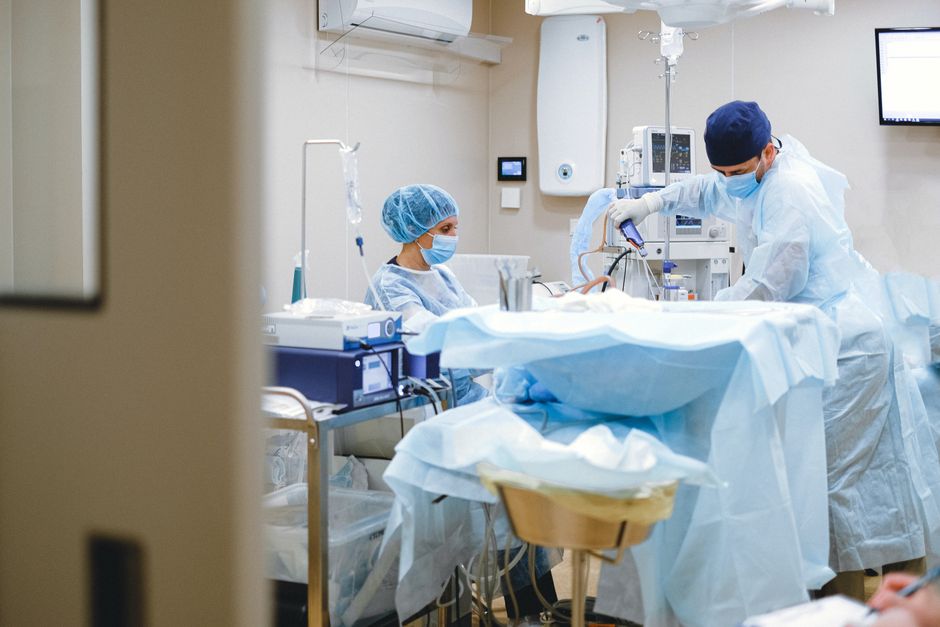
Setup and docking Under general anesthesia, the patient is positioned in a modified lithotomy position. The surgical team makes three to five small port incisions (typically 8–12 mm) in the abdomen. The robotic system is then docked to the patient, with the lead surgeon controlling the console.
Robotic operative phase Using wristed instruments with 7 degrees of freedom and 3D high-definition visualization, the surgeon performs the planned procedure — excising fibroids, removing endometriotic implants, reconstructing the uterine wall, or repairing fallopian tubes.
The robotic platform filters hand tremor and scales instrument movements for precision on delicate reproductive tissue.
Suturing and closure Uterine reconstruction after myomectomy involves layered suturing. Korean surgeons with high robotic case volumes consider this a key advantage of robotic over conventional laparoscopic technique, as the wristed instruments make deep-tissue suturing far more ergonomic.
Recovery room and ward Patients typically spend 1–2 hours in recovery before transferring to a private or semi-private room. Most are ambulatory within 24 hours.
Recovery Timeline
Recovery from robotic reproductive surgery is notably shorter than open surgery and generally follows this timeline:
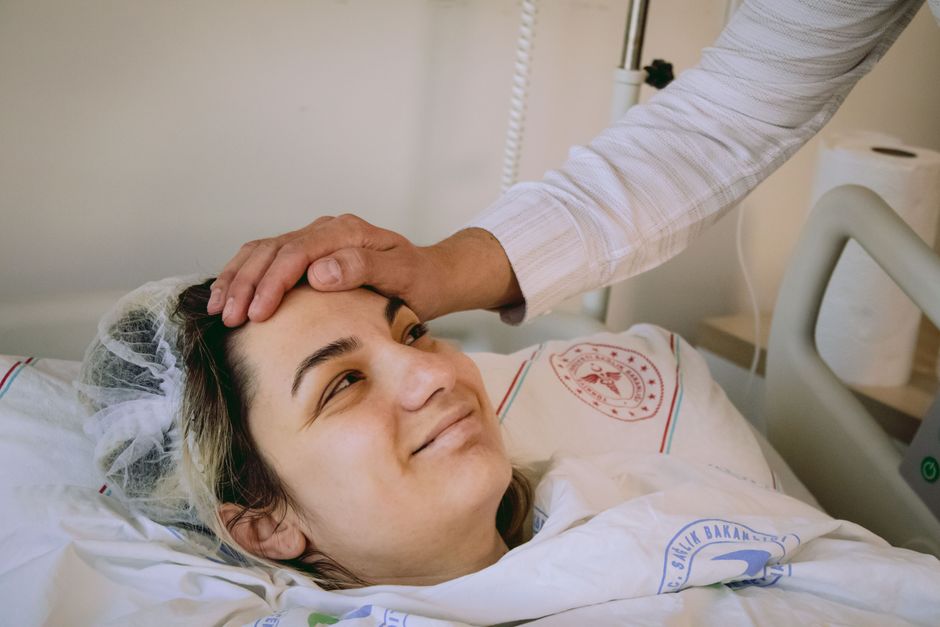
Days 1–3 (hospital) Patients are monitored for pain, bleeding, and bowel function. Most are mobile within 24 hours. Discharge typically occurs on day 2 or 3 for straightforward cases.
Days 4–14 (in-country recovery) Light walking is encouraged. Patients should avoid strenuous activity, lifting over 5 kg, and sexual intercourse. Korean hospitals typically schedule a follow-up visit at day 5–7 to assess wound healing and remove any sutures.
Weeks 3–4 Most patients resume desk work and gentle daily activity. Abdominal discomfort, mild bloating, and fatigue are common and expected.
Weeks 5–6 Full return to exercise and normal activity for most patients. Fertility-specific restrictions (e.g., waiting before attempting pregnancy after myomectomy) are given by the surgeon based on the extent of uterine reconstruction — typically 3–6 months.
- Avoid heavy lifting for at least 6 weeks
- Pelvic rest (no intercourse) for 4–6 weeks post-operatively
- Follow-up imaging (ultrasound or MRI) is often scheduled at 6–8 weeks to confirm healing
- International patients are advised to remain in Korea for at least 7–14 days before flying
Cost Breakdown
Robotic reproductive surgery in Korea is substantially more affordable than equivalent procedures in the United States, United Kingdom, or Australia, even when travel costs are factored in.
Typical all-in procedure costs in Korea range from $10,000 to $22,000 USD, depending on the complexity of the case (number of fibroids, extent of endometriosis, whether tube repair is included), the hospital tier, and the length of hospital stay.
For comparison, a robotic myomectomy in the United States averages around $40,000 before insurance, making Korea a destination where patients can save $15,000–$25,000 even after accounting for flights and accommodation.
Breakdown of typical cost components:
- Surgeon and anesthesia fees are generally bundled into the hospital package at most Korean medical centers
- Pre-operative diagnostics (pelvic MRI, bloodwork, consultation) are often quoted separately at $500–$1,500
- Medications and in-hospital meals are usually included in the room rate
- Translation and international patient coordination services are offered by most major hospitals at no additional charge
Patients should confirm whether the quoted price includes operating room fees, robotic system usage fees, hospital stay, and follow-up consultations, as itemization practices vary between facilities.
| Item | Typical Cost in Korea (USD) |
|---|---|
| Robotic myomectomy (fibroid removal) | $10,000–$18,000 |
| Robotic endometriosis excision | $11,000–$22,000 |
| Pre-operative diagnostics (MRI, labs, consult) | $500–$1,500 |
| Hospital stay (per night, private room) | $200–$600 |
| Follow-up consultation and imaging | $150–$400 |
Why Korea
South Korea has built one of the most advanced gynecologic surgical ecosystems in Asia, and robotic reproductive surgery sits at the center of that strength.
Regulatory and quality oversight Korea's Ministry of Food and Drug Safety (MFDS) regulates medical devices including robotic surgical systems, ensuring that equipment used in Korean hospitals meets stringent safety standards.
The Korean Health Industry Development Institute (KHIDI) promotes outbound and inbound medical tourism programs and maintains quality benchmarks for participating facilities.
High surgical volume and specialization Korean OB/GYN surgeons operating in tertiary hospitals and specialized women's clinics accumulate high case volumes in robotic procedures — a well-established proxy for surgical outcomes.
The rise in delayed pregnancy across South Korea has driven a particularly strong subspecialty focus on fertility-preserving techniques including robotic myomectomy.
Medical Korea program The Medical Korea program, operated under KHIDI, certifies hospitals and coordinates services for international patients including visa support, interpreter services, and cost-transparent pricing. Patients traveling through this program have access to dispute resolution and consumer protection mechanisms.
Technology infrastructure Major hospitals in Seoul's Gangnam and Sinchon districts operate dedicated robotic surgery suites with the latest da Vinci platforms. Many Korean gynecologic centers have also invested in 4K imaging and fluorescence-guided surgery capabilities that enhance visualization during complex reproductive procedures.
International patient services Korean hospitals serving international patients typically offer English-language coordination, airport pickup, accommodation partnerships, and telemedicine pre-consultation, reducing the friction for patients traveling from Africa, the GCC, and Southeast Asia.
Key Takeaways
- Robotic reproductive surgery in Korea costs approximately $10,000–$22,000 USD — roughly 40–60% less than equivalent procedures in the United States.
- The da Vinci robotic platform is widely used at Seoul's major gynecologic hospitals, with high-volume surgeons specializing in fertility-preserving techniques.
- The Medical Korea program (KHIDI) provides quality oversight, patient coordination, and dispute resolution for international patients.
- Most patients can safely return home after 7–14 days in Korea following robotic reproductive surgery.
Frequently Asked Questions
How long do I need to stay in Korea after robotic reproductive surgery?
Most patients are discharged from hospital within 1–3 days. Korean hospitals generally recommend staying in-country for 7–14 days total to attend a post-operative follow-up visit and allow initial healing before a long-haul flight. Your surgical team will advise based on the complexity of your procedure.
Is robotic reproductive surgery in Korea safe for fertility preservation?
Robotic myomectomy and endometriosis excision are performed specifically to preserve or improve fertility. The precision of robotic instruments allows Korean surgeons to remove fibroids or excise endometriotic lesions while minimizing damage to surrounding healthy uterine tissue. Patients planning pregnancy after surgery are given individualized guidance on how long to wait before attempting conception.
What is the Medical Korea program and how does it protect patients?
Medical Korea is a government-backed initiative managed by the Korean Health Industry Development Institute (KHIDI) that certifies hospitals accepting international patients, coordinates care services, and provides dispute resolution mechanisms. Hospitals participating in the program offer transparent pricing, interpreter services, and dedicated international patient coordinators.
How does robotic surgery compare to conventional laparoscopy for reproductive procedures?
Both are minimally invasive approaches, but robotic surgery offers greater instrument articulation, 3D visualization, and tremor filtration. For suture-intensive procedures like uterine reconstruction after myomectomy, Korean gynecologic surgeons note that robotic suturing is more ergonomic and precise than conventional laparoscopic suturing. Recovery timelines are broadly similar between the two approaches.
Will I need a separate consultation before the surgical date?
Yes. Korean hospitals typically schedule an in-person or telemedicine consultation to review your imaging, discuss your fertility goals, and confirm the surgical plan before booking an operating room. Many clinics offer pre-arrival telemedicine consultations to minimize the number of days needed in Korea.
Related Topics
Ready to Begin Your Journey?
Get matched with KAHF-accredited hospitals and receive a personalized treatment plan.
Quick Facts
Typical Cost
$8000 - $18000
Duration
5 days
Accredited Hospitals
0+ Available
Top Hospitals
Medical Information Disclaimer
The information provided on this page about Robotic Reproductive Surgery is for general educational and informational purposes only. It is not intended as, and should not be construed as, medical advice, diagnosis, or treatment recommendations.
Always seek the advice of a qualified healthcare professional regarding any medical condition or treatment. Never disregard professional medical advice or delay seeking it because of information found on this website. Individual treatment outcomes may vary. Costs shown are estimates and may differ based on individual circumstances.
KmedTour acts as a medical tourism facilitator and does not provide direct medical services. All treatments are performed by independently accredited healthcare providers in South Korea.