Cosmetic$3000 - $8000⭐ KAHF Accredited Hospitals
Rhinoplasty in Korea
Surgical reshaping of the nose to refine the bridge, tip, or nostrils and improve breathing.
Quick Answer
- Rhinoplasty in Korea reshapes the bridge, tip, or nostrils; Korean surgeons specialize in augmentation rhinoplasty for lower bridges and softer cartilage.
- Typical cost is about $3,000–$8,000, often well below US and European pricing for comparable work.
- Plan a ~7-day trip: consultation, surgery, then splint removal around day 5–7 before flying home.
- The basic new shape is visible on departure, but the refined final result settles over several months as swelling resolves.
At a Glance
| Procedure time | About 2–3 hours, depending on complexity |
|---|---|
| Anesthesia | General (sedation with local for limited cases) |
| Hospital stay | Outpatient — most patients go home the same day |
| Recommended stay in Korea | About 7 days (through splint removal) |
| Recovery | Desk work in 1–2 weeks; final result over several months |
| Typical cost in Korea | $3,000–$8,000 |
Overview
Rhinoplasty is surgery to reshape the nose, adjusting the bridge, tip, nostrils, or internal structures to change appearance, correct an injury, or improve breathing.
Patients travel to Korea because Korean surgeons perform a very high volume of nasal procedures and have particular experience with the structural needs of patients whose noses have lower bridges and softer cartilage, which calls for careful augmentation rather than only reduction.
The operation is tailored to your face. Some patients want a higher, more defined bridge; others want a refined, less bulbous tip or narrower nostrils. Many cases combine several of these goals in one surgery.
Because the nose sits at the center of the face, small changes in millimeters produce visible differences, so planning during consultation matters as much as the surgery itself.
Korean clinics commonly use the patient's own cartilage, often taken from the nasal septum or ear, to build or support the tip and bridge.
Silicone or Gore-Tex implants are also used for bridge augmentation, and the choice between cartilage and implant is discussed openly based on your tissue, goals, and whether you have had previous nasal surgery.
For international patients, rhinoplasty is usually planned around a single trip of about 7 days. Final results continue to settle over many months as residual swelling resolves, but most patients leave Korea with the visible shape already taking form and clear written aftercare instructions.
Plan around splint removal
Book your return flight for after day 7. Surgeons usually clear you to fly once the splint comes off around day 5–7, and KmedTour schedules that visit before your departure date.
Am I a Candidate?
Good candidates are adults in general good health whose facial growth is complete, who have a specific concern about nasal shape or breathing, and who hold realistic expectations.
Thick skin, prior nasal trauma, or previous rhinoplasty are not barriers, but they affect technique and predictability, so they should be discussed honestly during consultation.
You may be a good candidate if: - Your facial growth is complete and you are in general good health. - You have a specific, realistic goal for the bridge, tip, nostrils, or breathing. - You are a non-smoker, or can stop for several weeks before and after surgery.
Rhinoplasty may not be advisable if: - You have an active sinus or skin infection in the area. - You have an uncontrolled bleeding disorder or unstable chronic illness. - You expect a different person's nose rather than a result that suits your own bone and cartilage.
If you take blood thinners, have a clotting condition, or have had keloid scarring, tell the clinic before travel. An honest consultation, including photographs reviewed in advance, helps confirm whether you are a suitable candidate before you book flights.
How the Procedure Works
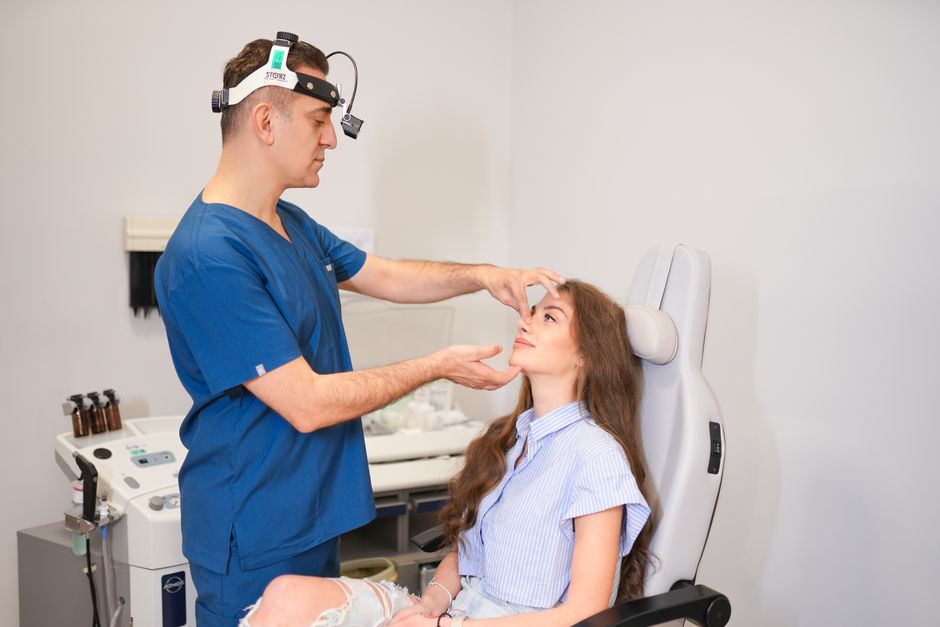
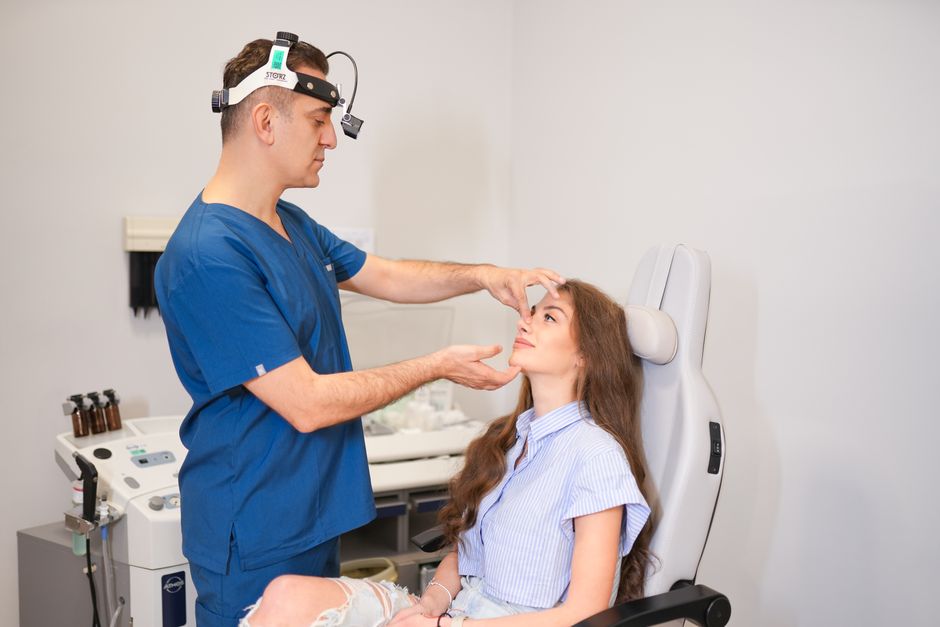
Care begins with a consultation, often started remotely with photos and completed in person in Korea. The surgeon examines your nasal structure, skin thickness, and breathing, discusses your goals, and agrees on a plan, including whether to use your own cartilage, an implant, or both.
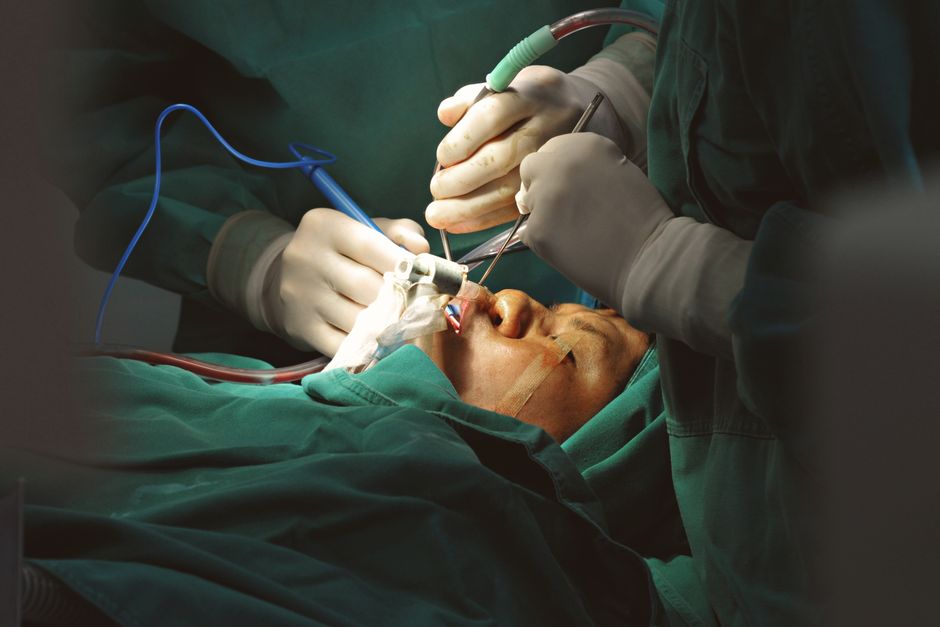
Rhinoplasty is performed under general anesthesia or, for limited cases, sedation with local anesthesia. The two main approaches are closed rhinoplasty, where all incisions are hidden inside the nostrils, and open rhinoplasty, which adds a small incision across the columella for fuller access to reshape the tip and structure.
Open technique leaves a tiny scar that usually fades; closed technique leaves none externally but offers less direct exposure.
For augmentation, the surgeon either places a silicone or Gore-Tex implant along the bridge or grafts cartilage harvested from your septum or ear. Tip refinement uses sutures and cartilage grafts to reshape and support the tip, and nostril narrowing is done through small incisions at the base of the nose.
The operation typically takes around two to three hours. At the end, a splint or cast is applied to hold the new shape, and most rhinoplasty patients go home the same day rather than staying overnight.
Recovery Timeline
Recovery is gradual, and planning your stay around the splint-removal visit is the key logistic for international patients.
- Days 1–3: Bruising and swelling peak, especially around the eyes and cheeks. You breathe partly through your mouth and sleep with your head elevated. Discomfort is usually pressure rather than sharp pain.
- Days 5–7: The splint and any external sutures are removed at a follow-up visit. Most patients are cleared to fly home, which matches the ~7-day stay. The basic new shape is visible.
- Weeks 3–4: Most visible swelling subsides; you can return to desk work and gentle activity. Strenuous exercise, contact sports, and resting glasses on the bridge are avoided.
- Several months: Residual swelling, especially at the tip, settles gradually and the refined final result becomes clear.
KmedTour coordinators help arrange your splint-removal appointment before departure and pass any later questions to the clinic, so you are not navigating follow-up alone once you are back home.

Cost Breakdown
The range of $3,000 to $8,000 reflects the variation between a focused single-goal rhinoplasty and a more involved case combining bridge augmentation, tip work, and nostril refinement, or a revision of previous surgery.
The figure typically covers the surgeon's fee, anesthesia, the operating facility, standard pre-operative checks, the splint, and scheduled follow-up visits during your stay.
It generally does not include flights, accommodation, optional cartilage graft harvesting that adds operative time, extended revision work, or unrelated treatments. Always confirm in writing what your personal quote includes before you travel.
Korea is competitive on price partly because the high volume of nasal surgery supports efficient, well-equipped clinics, and because facility and staffing costs differ from those in the United States and parts of Europe.
KmedTour provides an itemized quote so you can compare like for like rather than headline numbers alone.
| Item | Typical Cost in Korea (USD) |
|---|---|
| Primary rhinoplasty (single focus — tip or bridge) | $3,000–$5,000 |
| Combined bridge, tip & nostril refinement | $5,000–$8,000 |
| Revision rhinoplasty | from $6,000 |
| Usually included in the quote | Surgeon, anesthesia, facility, splint, in-stay follow-ups |
Why Korea
Korea performs a large volume of facial cosmetic surgery, and rhinoplasty is among the most commonly requested procedures, so surgeons accumulate broad experience across many nose types, including the augmentation-focused work often needed for patients from Africa, the Middle East, and Asia.
This concentration of practice supports refined techniques in tip shaping, cartilage grafting, and revision surgery.
Korean clinics are typically well equipped, with established protocols for anesthesia, sterilization, and aftercare. The medical tourism sector is supported by the Ministry of Health and Welfare and promoted through KHIDI's Medical Korea program, and accreditation frameworks such as KOIHA recognize facilities that meet defined standards for international patient care.
For patients traveling from abroad, this combination matters: specialized surgical experience, modern facilities, and an established system for hosting international patients, including interpretation and coordinated scheduling. KmedTour connects you with accredited hospitals and helps verify a facility's credentials so your decision rests on real standards rather than marketing alone.
Key Takeaways
- Korean surgeons' high nasal-surgery volume suits the augmentation-focused noses common in African, Middle Eastern, and Asian patients.
- Clinics often use your own septal or ear cartilage, with silicone or Gore-Tex as an implant option — chosen case by case.
- Budget a ~7-day stay; you fly home after splint removal with the new shape already visible.
- Confirm an itemized written quote and the clinic's accreditation (KOIHA / Medical Korea) before booking.
Frequently Asked Questions
Is a 7-day stay long enough for rhinoplasty recovery?
For most patients, yes. The roughly 7-day stay covers consultation, surgery, the first days of swelling, and splint removal around day 5 to 7, which is when surgeons typically clear you to fly. You travel home with the new shape visible, though residual swelling continues to settle gradually over the following months.
When is it safe to fly home after the surgery?
Most patients are cleared to fly once the splint is removed and the surgeon confirms healing is on track, usually around day 5 to 7. Flying earlier is discouraged because cabin pressure and the risk of bumping the nose are best avoided in the first days. Your coordinator schedules the splint-removal visit before your departure date.
Will there be language support during my treatment?
Yes. KmedTour works with hospitals that provide interpretation for international patients, and coordinators help with appointments, consent forms, and aftercare instructions in a language you understand. Tell us your preferred language in advance so the clinic can arrange an interpreter for your consultation, surgery preparation, and follow-up visits.
What happens if I need a revision or have questions after I return home?
Aftercare does not end when you fly home. KmedTour relays your later questions to the treating clinic and helps coordinate any revision discussion, which for rhinoplasty is usually considered only after swelling has fully settled, often many months later. Keep your operative notes and follow-up instructions, and contact us if any concern arises during healing.
How painful is rhinoplasty?
Most patients describe pressure, congestion, and tenderness rather than sharp pain, and it is typically well controlled with prescribed medication. The first two to three days, when swelling peaks, are usually the most uncomfortable. Breathing through your nose is limited at first because of internal swelling, which eases as the days pass and the splint comes off.
Sources
Ready to Begin Your Journey?
Get matched with KAHF-accredited hospitals and receive a personalized treatment plan.
Quick Facts
Typical Cost
$3000 - $8000
Duration
7 days
Accredited Hospitals
3+ Available
Top Hospitals
Available Cities
Medical Information Disclaimer
The information provided on this page about Rhinoplasty is for general educational and informational purposes only. It is not intended as, and should not be construed as, medical advice, diagnosis, or treatment recommendations.
Always seek the advice of a qualified healthcare professional regarding any medical condition or treatment. Never disregard professional medical advice or delay seeking it because of information found on this website. Individual treatment outcomes may vary. Costs shown are estimates and may differ based on individual circumstances.
KmedTour acts as a medical tourism facilitator and does not provide direct medical services. All treatments are performed by independently accredited healthcare providers in South Korea.