
Respiratory$3000 - $10000⭐ KAHF Accredited Hospitals
Pulmonary Treatment in Korea
Lung disease treatment in South Korea — lung cancer surgery, COPD management, pulmonary fibrosis, and advanced respiratory care at Seoul tertiary centers.
Quick Answer
- Korea's top tertiary hospitals offer VATS and robotic thoracic surgery, targeted therapy, immunotherapy, and antifibrotic regimens for a full range of lung conditions.
- Lung cancer surgical treatment typically costs $18,000–$45,000 USD at major Seoul hospitals, significantly lower than comparable US care.
- The Korean Academy of Tuberculosis and Respiratory Diseases publishes national clinical guidelines followed at all accredited centers, including those serving international patients.
- Foreign patients benefit from dedicated international departments with English-speaking coordinators, visa support, and translation services at leading Seoul hospitals.
At a Glance
| Procedure time | 1–6 hours depending on type (bronchoscopy, VATS lobectomy, open resection, or infusion therapy) |
|---|---|
| Anesthesia | General anesthesia for surgical procedures; conscious sedation for bronchoscopy |
| Hospital stay | 3–10 days for surgery; outpatient or short admission for medical management and infusions |
| Recommended stay in Korea | 3–6 weeks for surgical oncology or complex workup; 1–2 weeks for diagnostic evaluation or medication initiation |
| Recovery | 4–8 weeks to return to light activity after minimally invasive resection; longer for open surgery or multimodal cancer treatment |
| Typical cost in Korea | $18,000–$60,000 USD depending on condition, staging, and treatment modality |
Overview
Pulmonary treatment in South Korea encompasses the diagnosis and management of the full spectrum of lung and respiratory diseases — from early-stage lung cancer to advanced COPD, pulmonary fibrosis, bronchiectasis, and rare interstitial lung diseases.
Korea's tertiary referral hospitals combine high-volume procedural experience with multidisciplinary respiratory teams that include pulmonologists, thoracic surgeons, oncologists, and radiologists working in coordinated tumor boards.
Video-assisted thoracoscopic surgery (VATS) has become the dominant surgical approach for resectable lung cancer at major Seoul centers. Robotic-assisted thoracic surgery is increasingly available, offering precision for anatomically complex cases.
For non-surgical conditions such as COPD, pulmonary fibrosis, and interstitial lung disease, Korea follows evidence-based protocols developed by the Korean Academy of Tuberculosis and Respiratory Diseases (KATRD), with access to globally approved antifibrotic agents like pirfenidone and nintedanib.
Korea's drug regulatory body, the Ministry of Food and Drug Safety (MFDS), has approved a broad formulary of targeted therapies and immunotherapy agents used in lung cancer — many accessible to international patients through the hospital's oncology pharmacy.
Bring complete records before travelling
Bring all prior CT scans, PET-CT images (on CD or digital transfer), pathology reports, spirometry results, and a list of current medications. Korean centers can start advanced diagnostics on Day 1 if records are complete, reducing your in-country stay significantly.
Am I a Candidate?
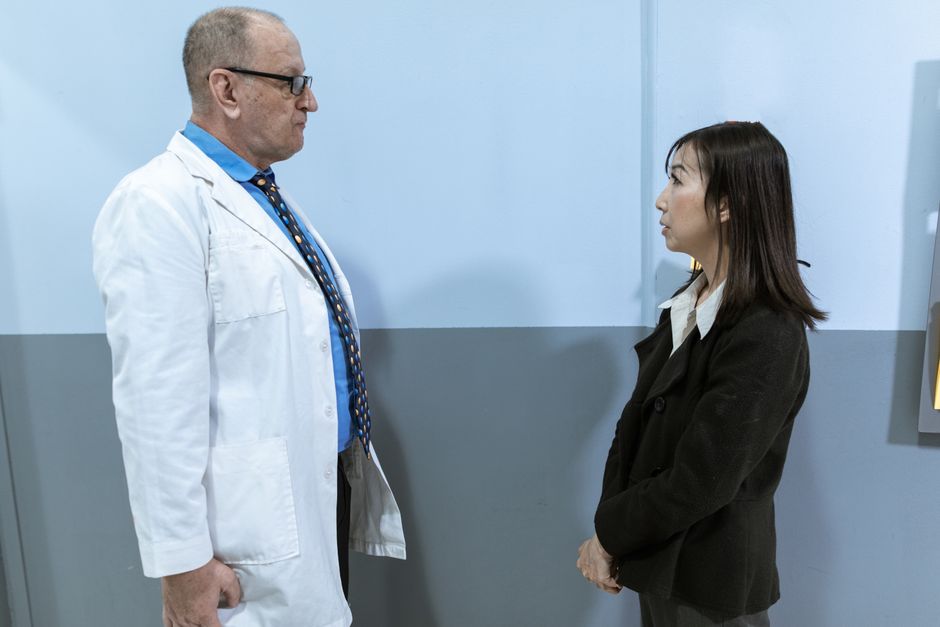
Not every patient is a candidate for surgical or interventional pulmonary treatment. A thorough workup at a Korean tertiary center will determine the most appropriate pathway.
Likely candidates for surgical lung cancer treatment: - Stage I–III non-small cell lung cancer (NSCLC) with adequate cardiopulmonary reserve - Solitary pulmonary nodules requiring resection and definitive diagnosis - Patients who have not responded to initial treatments elsewhere and seek a second opinion
Candidates for medical/targeted management: - Advanced NSCLC or small cell lung cancer requiring chemotherapy, targeted therapy, or immunotherapy - EGFR-, ALK-, ROS1-, or PD-L1-positive tumors suitable for precision oncology agents - Idiopathic pulmonary fibrosis (IPF) or progressive fibrosing interstitial lung disease requiring antifibrotic therapy
Candidates for bronchoscopic or rehabilitation-based care: - Severe COPD patients with hyperinflation who may benefit from bronchoscopic lung volume reduction - Patients needing structured pulmonary rehabilitation following surgery or exacerbation
Patients with significant comorbidities (heart failure, poor functional status) may be directed toward palliative or supportive care pathways instead.
How the Procedure Works
The clinical pathway varies by condition. The following describes the typical sequence for a foreign patient seeking pulmonary care at a Korean tertiary center.
Initial assessment (Days 1–3): - Pulmonologist consultation and review of prior imaging, pathology, and records - High-resolution CT scan of the chest (HRCT), PET-CT for cancer staging if needed - Pulmonary function tests (spirometry, diffusion capacity) - Laboratory work and, where indicated, bronchoscopy with BAL or biopsy
Multidisciplinary review: - Thoracic surgery, oncology, radiology, and pathology teams review findings in a tumor board or ILD board - A treatment plan is communicated to the patient, typically within 48–72 hours
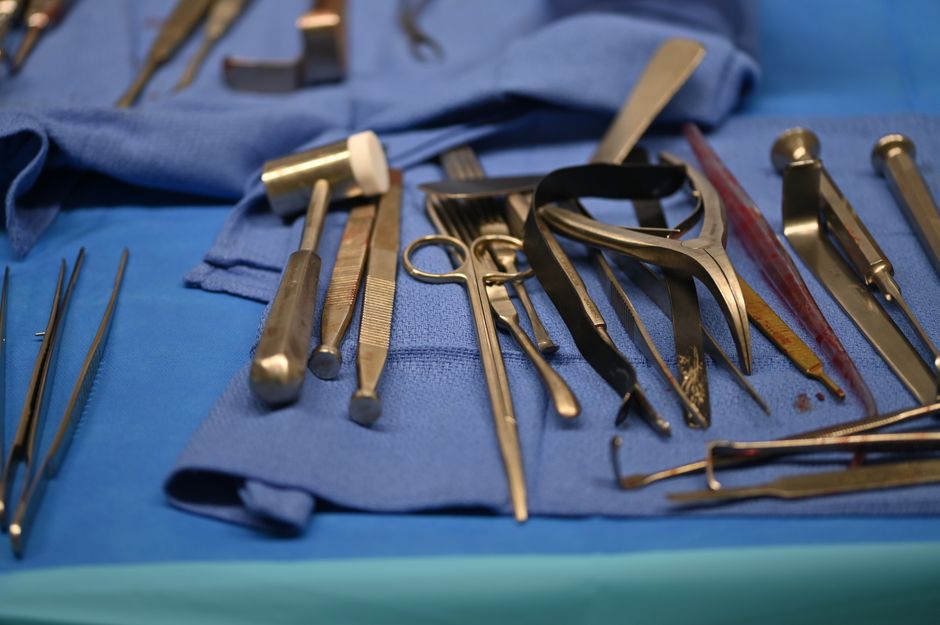
Surgical pathway (VATS or robotic lobectomy/segmentectomy): - General anesthesia with single-lung ventilation - 2–4 small port incisions; the lung lobe or segment is excised with a stapler - Chest drain placed and removed within 2–5 days - Pathology confirms resection margins
Medical pathway (targeted therapy / antifibrotic / immunotherapy): - Molecular profiling of tumor tissue (NGS panel) determines targeted agent selection - Infusion or oral therapy initiated under oncology supervision - Response evaluated at 6–8 week intervals with imaging
Bronchoscopic procedures: - Endobronchial valve placement for emphysema/LVRS performed under conscious sedation or general anesthesia - Same-day or overnight admission
Recovery Timeline
Recovery depends heavily on the treatment modality chosen.
Recovery after VATS lobectomy or segmentectomy is staged. Days 1–3 keep the chest drain in situ with multimodal analgesia and early mobilization; days 3–7 see the drain removed once the air leak resolves, plus physiotherapist breathing exercises.
Weeks 1–4 in-country cover follow-up, wound check, and chest X-ray; weeks 4–8 at home allow light activities (no heavy lifting), with CT and oncology review at 3 months.
After robotic or open resection: - Hospital stay extends to 7–14 days; total in-Korea stay of 4–6 weeks recommended
After antifibrotic or targeted therapy initiation: - Most patients can return home within 1–2 weeks after confirming drug tolerance - Ongoing monitoring via telemedicine and periodic return visits
Pulmonary rehabilitation (all pathways): - Structured breathing exercises and aerobic conditioning begin before discharge - Program typically continues at home or locally for 8–12 weeks post-discharge
Cost Breakdown
Korea's pulmonary care is substantially more affordable than equivalent-quality care in the US, UK, or Japan — without sacrificing technology or expertise.
Surgical oncology costs (all-in estimates for foreign patients): - VATS lobectomy for early lung cancer: $18,000–$35,000 USD, including surgeon fees, anesthesia, 5–10 days inpatient, and pathology - Robotic-assisted resection: $30,000–$50,000 USD - Open pneumonectomy (large tumors): $40,000–$60,000 USD
Medical oncology costs: - Molecular profiling (NGS panel): $1,500–$3,000 USD - Targeted therapy per cycle (EGFR/ALK inhibitors): variable; hospitals can provide a course-of-treatment estimate - Immunotherapy infusion cycles: $3,000–$8,000 USD per cycle, depending on agent
Non-oncology respiratory care: - Comprehensive COPD or ILD diagnostic workup: $2,000–$5,000 USD - Antifibrotic drug initiation program (1-week inpatient): $4,000–$8,000 USD - Bronchoscopic lung volume reduction: $8,000–$18,000 USD
Most major hospitals have an international patient center that provides itemized estimates before treatment begins. Korea's Health Insurance Review and Assessment Service (HIRA) sets quality benchmarks that hospitals must meet regardless of patient nationality.
| Item | Typical Cost in Korea (USD) |
|---|---|
| VATS lobectomy (lung cancer, early stage) | $18,000–$35,000 |
| Robotic-assisted thoracic resection | $30,000–$50,000 |
| Comprehensive diagnostic workup (CT, PET-CT, biopsy, NGS) | $3,000–$7,000 |
| Antifibrotic therapy initiation (IPF/ILD, 1-week program) | $4,000–$8,000 |
| Bronchoscopic lung volume reduction (COPD/emphysema) | $8,000–$18,000 |
Why Korea
Korea has invested heavily in respiratory and thoracic medicine infrastructure, driven partly by domestic demand — lung cancer is one of Korea's leading causes of cancer mortality — and by national health policy that mandates high-volume centers to meet KATRD evidence-based guidelines.
Surgical volume and technology: Large Seoul tertiary centers perform thousands of thoracic resections annually. High procedural volume is consistently linked to better outcomes in thoracic surgery. VATS is the standard, and robotic thoracic surgery capacity has expanded significantly, with robotic procedures surpassing open surgery in volume at leading centers.
Precision oncology access: All MFDS-approved targeted agents for NSCLC — including third-generation EGFR inhibitors and ALK inhibitors — are available at major centers. Comprehensive genomic profiling (NGS) is routine for newly diagnosed lung cancer, ensuring patients are matched to the most effective therapy.
National guideline adherence: The Korean Academy of Tuberculosis and Respiratory Diseases and its ILD Study Group publish regularly updated guidelines for IPF, COPD, and interstitial lung disease that Korean hospitals must follow. This creates consistent, evidence-based care quality.
International patient infrastructure: Korea's Korea Health Industry Development Institute (KHIDI) and the Medical Korea program under the Ministry of Health and Welfare support foreign patient services at accredited hospitals, including facilitating medical visas and patient coordination.
Cost-to-quality ratio: Medical procedures in Korea typically cost 30–70% less than equivalent care in the United States, while hospitals consistently appear in global best-hospital rankings.
Key Takeaways
- Korea's top tertiary hospitals offer VATS and robotic thoracic surgery, molecular oncology, antifibrotic therapy, and bronchoscopic interventions under national KATRD clinical guidelines.
- Lung cancer surgery costs $18,000–$50,000 USD — roughly 40–70% less than comparable US care with equivalent technology.
- A full diagnostic workup — including NGS molecular profiling — can typically be completed within the first 3–5 days, allowing rapid treatment planning.
- International patients should plan a minimum 3-week stay for surgical pathways and 1–2 weeks for diagnostic evaluation or medication initiation.
Frequently Asked Questions
What types of lung conditions are treated at Korean tertiary hospitals for foreign patients?
Korean tertiary centers treat the full spectrum of pulmonary disease — lung cancer (NSCLC and SCLC), COPD and emphysema, idiopathic pulmonary fibrosis (IPF), other interstitial lung diseases (ILD), bronchiectasis, and pulmonary hypertension. Both surgical and non-surgical pathways are available, and the treatment plan is determined after a multidisciplinary team review.
Is VATS (minimally invasive) lung surgery the standard in Korea?
Yes. VATS is the dominant approach for anatomical lung resections (lobectomy, segmentectomy) at high-volume Korean thoracic surgery centers. Robotic-assisted thoracic surgery is also increasingly available for complex or anatomically challenging cases. Open surgery is reserved for tumors that cannot be safely addressed minimally invasively.
How long do I need to stay in Korea for lung cancer surgical treatment?
Plan for a minimum of 3–5 weeks in country. The first week covers diagnostic workup and surgical preparation; surgery itself requires a 5–10 day inpatient stay; and 2–3 weeks of post-operative outpatient follow-up are needed before it is safe to fly home. Patients with additional chemotherapy or radiation may need a longer stay.
Can I access targeted therapy or immunotherapy for lung cancer in Korea if I was diagnosed abroad?
Yes. Korean oncology centers perform comprehensive molecular profiling (next-generation sequencing panels) on tumor tissue to identify actionable mutations such as EGFR, ALK, ROS1, and PD-L1. MFDS-approved targeted agents and immunotherapy drugs are available at major hospitals, and the oncology team will design a treatment plan based on your molecular profile. Patients can initiate treatment in Korea and continue at home with a local oncologist.
What is the cost difference between lung cancer treatment in Korea versus the United States?
Korea typically costs 40–70% less than the US for equivalent surgical and oncological procedures. A VATS lobectomy in the US may exceed $80,000–$120,000; the same procedure at a Seoul tertiary center ranges from roughly $18,000–$35,000 for international patients. Medical oncology treatment costs (targeted therapy cycles) are also substantially lower, though ongoing drug costs depend on the specific regimen.
Are antifibrotic drugs for pulmonary fibrosis available in Korea?
Yes. Both pirfenidone and nintedanib — the two main MFDS-approved antifibrotic agents for idiopathic pulmonary fibrosis — are available at accredited Korean centers. The Korean Academy of Tuberculosis and Respiratory Diseases and its ILD Study Group have published national guidelines for IPF and progressive fibrosing ILD that Korean hospitals follow, ensuring patients receive evidence-based antifibrotic therapy.
Related Topics
Sources
- Korean Guidelines for Diagnosis and Management of Interstitial Lung Diseases — PMC
- Robotic lobectomy for lung cancer: initial experience of a single institution in Korea — PMC
- Revised (2018) COPD Clinical Practice Guideline of the Korean Academy of Tuberculosis and Respiratory Diseases — PMC
- Nationwide epidemiologic study for fibrosing interstitial lung disease in South Korea — PMC
- Early Outcomes of Robotic Versus VATS Anatomical Resection for Lung Cancer — PMC
Ready to Begin Your Journey?
Get matched with KAHF-accredited hospitals and receive a personalized treatment plan.
Quick Facts
Typical Cost
$3000 - $10000
Duration
7 days
Accredited Hospitals
1+ Available
Top Hospitals
Available Cities
Medical Information Disclaimer
The information provided on this page about Pulmonary Treatment is for general educational and informational purposes only. It is not intended as, and should not be construed as, medical advice, diagnosis, or treatment recommendations.
Always seek the advice of a qualified healthcare professional regarding any medical condition or treatment. Never disregard professional medical advice or delay seeking it because of information found on this website. Individual treatment outcomes may vary. Costs shown are estimates and may differ based on individual circumstances.
KmedTour acts as a medical tourism facilitator and does not provide direct medical services. All treatments are performed by independently accredited healthcare providers in South Korea.