Obstetrics$3000 - $10000⭐ KAHF Accredited Hospitals
Prenatal Care Package in Korea
An ongoing antenatal care package in Korea — scheduled OB visits, ultrasounds, NIPT and lab screening across all three trimesters, often with English-speaking coordination in Seoul.
Quick Answer
- A prenatal care package bundles your trimester-by-trimester OB visits, ultrasounds, blood work and genetic screening (including NIPT) into one coordinated plan instead of pay-per-visit billing.
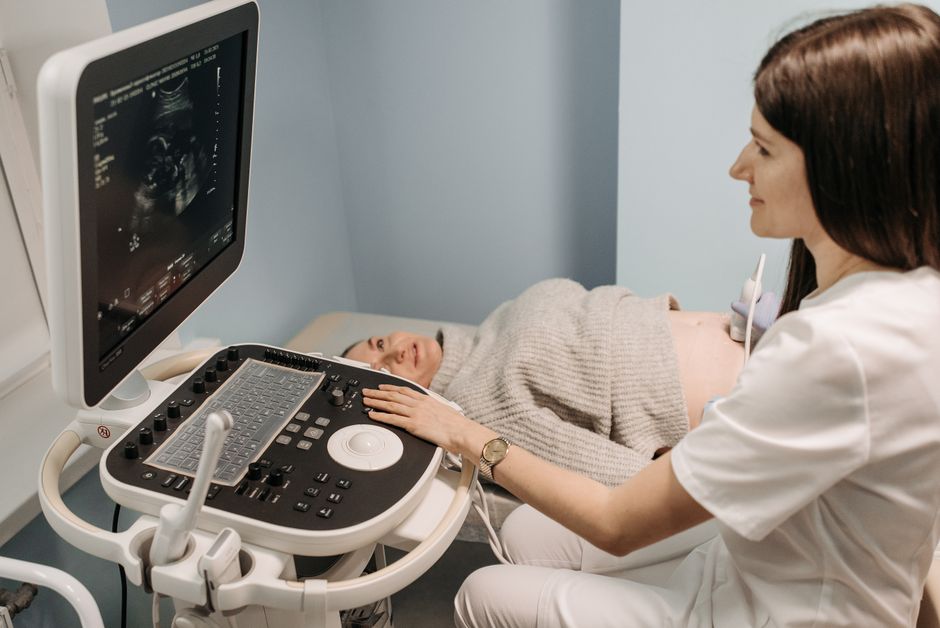
- Korea follows the standard schedule: every 4 weeks until 28 weeks, every 2 weeks from 28–36 weeks, then weekly until delivery — Korean OB practice is known for frequent, high-resolution ultrasound.
- For self-paying international patients, a full prenatal package typically runs about $1,500–$3,400 USD, with delivery and postpartum care priced separately.
- Many Seoul and Gangnam clinics run dedicated international desks with English-speaking OB-GYNs and care coordinators for expats and visiting patients.
At a Glance
| Visit duration | Routine checkup ~20–40 min; longer for the detailed anatomy scan |
|---|---|
| Anesthesia | Not applicable (non-surgical, outpatient antenatal care) |
| Hospital stay | None for prenatal visits; admission only at delivery |
| Recommended stay in Korea | Varies by plan — short-stay for screening windows, or relocation for full pregnancy + delivery |
| Recovery | N/A during pregnancy; postpartum recovery follows after birth (often a sanhujoriwon stay) |
| Typical cost in Korea | ~$1,500–$3,400 USD for a full prenatal package (delivery separate) |
Overview
A prenatal care package is an ongoing program, not a single procedure. It groups the regular obstetric visits, ultrasound scans, blood and urine tests, and optional genetic screening you need across roughly 40 weeks of pregnancy into one coordinated plan.
In Korea, prenatal care is delivered by OB-GYN clinics and women's hospitals. Korean obstetric practice is widely noted for frequent, technology-intensive ultrasound monitoring compared with some other systems.
Packages are designed to give you predictable scheduling and pricing rather than booking and paying for each test separately.
Key components usually include:
- Pregnancy confirmation and dating scan
- First-trimester screening (NT ultrasound plus blood tests)
- NIPT (non-invasive prenatal testing) where elected
- The detailed 20–24 week anatomy scan
- Routine growth scans and lab work in later trimesters
Many Seoul clinics, especially in Gangnam, operate international patient desks with English-speaking staff.
Plan travel around screening windows
Several tests have fixed gestational-age windows — for example the NT scan at 11–13 weeks and the anatomy scan at 20–24 weeks. If you are coming to Korea specifically for care, book your trips around these dates so you don't miss a screening window.
Confirm what the package includes
Inclusions vary widely between clinics. Ask in writing whether NIPT, the detailed anatomy scan, gestational-diabetes screening, and delivery are part of the quoted price, or billed separately.

Am I a Candidate?
A prenatal care package suits anyone who is pregnant or planning to be and wants structured, scheduled monitoring through to delivery.
It is a good fit if you:
- Are an expat or international resident in Korea wanting English-language OB care
- Prefer bundled, predictable scheduling and pricing over pay-per-visit
- Want access to frequent ultrasound and modern screening such as NIPT
Some pregnancies are classed as higher-risk and may need a hospital with specialist maternal-fetal medicine support. Factors include advanced maternal age, multiple pregnancy (twins or more), pre-existing conditions such as diabetes or hypertension, or a complicated obstetric history.
For higher-risk cases, large university hospitals in Seoul are often recommended over smaller clinics.
If you are visiting Korea specifically for care, timing matters: several screening tests have fixed gestational-age windows (for example NT at 11–13 weeks), so plan travel around them.
Discuss your history with an OB-GYN before enrolling so the plan matches your needs.
How the Procedure Works
Prenatal care follows a recognised visit schedule. A typical package maps to the trimesters like this.
First trimester (weeks ~6–13)
- Pregnancy confirmation, dating ultrasound, baseline blood and urine tests
- First-trimester screening: NT ultrasound plus blood markers at 11–13 weeks
- NIPT may be offered from around 10 weeks
Second trimester (weeks ~14–27)
- Visits roughly every 4 weeks
- The detailed anatomy scan (Level II ultrasound) at 20–24 weeks
- Glucose screening for gestational diabetes
Third trimester (weeks ~28–40)
- Visits every 2 weeks from 28 to 36 weeks, then weekly to delivery
- Growth scans, group B strep screening, and birth planning
Each routine visit generally covers weight and blood pressure, urine testing, measuring the bump, listening to the fetal heartbeat, and an ultrasound check. The exact mix of tests varies by clinic and by your individual pregnancy.
Recovery Timeline
Because this is care during pregnancy rather than surgery, the timeline is about pregnancy milestones, not post-operative recovery.
- Weeks 11–13: first-trimester screening window; NT scan and early genetic testing
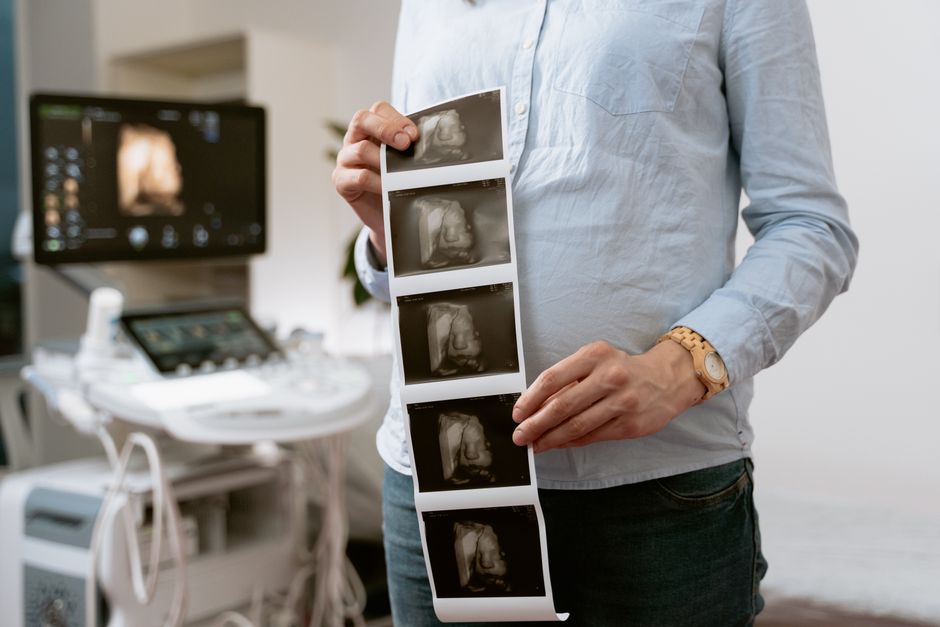
- Weeks 20–24: detailed anatomy scan — a key checkpoint for fetal development
- Weeks 24–28: gestational diabetes screening
- Weeks 36+: weekly visits and final delivery planning
After birth, postpartum recovery begins. In Korea, many families use a sanhujoriwon (postpartum care center) for a stay of around two weeks, where mother and baby receive recovery support, feeding help and monitoring.
Vaginal delivery typically involves a short hospital admission; a cesarean involves a longer stay and a more gradual recovery.
Postpartum follow-up usually includes a check at roughly six weeks. Your OB-GYN will advise on timing based on how your delivery went and your individual recovery.
Cost Breakdown
Costs depend on the clinic tier, the tests you choose, and whether you have National Health Insurance Service (NHIS) coverage.
For self-paying international patients without NHIS, a full prenatal package (monthly checkups plus basic labs) commonly falls around $1,500–$3,400 USD, varying by hospital and delivery type.
Approximate component costs:
- Routine checkup per visit: ~$35–$75 USD
- Initial confirmation plus first labs: ~$75–$185 USD
- Ultrasound session: ~$40–$110 USD
- NIPT: ~$300–$700 USD (often not insurance-covered)
Residents enrolled in NHIS pay much less out of pocket, and the government's pregnancy support card subsidises pregnancy-related expenses.
Delivery is priced separately from the prenatal package, and postpartum care center stays are a further cost.
Use package quotes as planning estimates and confirm exactly what is included in writing before you commit, since inclusions differ between clinics.
| Item | Typical Cost in Korea (USD) |
|---|---|
| Routine prenatal checkup (per visit, self-pay) | $35–$75 |
| Initial pregnancy confirmation + first labs | $75–$185 |
| Ultrasound session | $40–$110 |
| NIPT (non-invasive prenatal testing) | $300–$700 |
| Full prenatal package (checkups + basic labs) | $1,500–$3,400 |
Why Korea
Korea is a major medical-tourism destination, and its obstetric and women's health services are a notable draw for international patients.
Reasons families consider Korea for prenatal care:
- Frequent, high-resolution ultrasound is a hallmark of Korean obstetric practice
- Strong concentration of women's hospitals and OB-GYN clinics in Seoul, especially Gangnam
- Dedicated international patient services with English-speaking staff and coordinators at many clinics
- Care is typically priced well below comparable care in the US, Japan or Western Europe
Korea's medical-tourism sector is actively supported at the national level. The Korea Health Industry Development Institute (KHIDI) and the Medical Korea program promote and help coordinate care for foreign patients, and the Ministry of Food and Drug Safety (MFDS) regulates medicines and devices.
Korea also recorded its first year surpassing one million foreign patients in 2024.
As always, choose an accredited facility and confirm that its services match your pregnancy's needs.
Key Takeaways
- A prenatal care package bundles trimester-by-trimester OB visits, ultrasounds, NIPT and lab screening into one coordinated plan rather than pay-per-visit billing.
- Korea uses the standard 4-/2-/1-week visit cadence and is known for frequent ultrasound; full self-pay packages commonly run about $1,500–$3,400 USD with delivery and postpartum care priced separately.
- Many Seoul and Gangnam clinics offer English-speaking OB-GYNs and international coordination; higher-risk pregnancies may be better served by large university hospitals.
Frequently Asked Questions
How often will I have prenatal visits in Korea?
The standard schedule is a visit roughly every 4 weeks until 28 weeks, every 2 weeks from 28 to 36 weeks, and then weekly until delivery. Your OB-GYN may adjust this based on your individual pregnancy, and higher-risk pregnancies often need more frequent monitoring.
Is NIPT available in Korea, and is it included?
Yes, NIPT (non-invasive prenatal testing) is widely available, usually from around 10 weeks of pregnancy. It is often not covered by insurance and is frequently priced separately from the base package, so confirm whether it is included in your quote.
Can I get prenatal care in English in Seoul?
Many clinics, particularly in Gangnam, run international patient desks with English-speaking OB-GYNs and care coordinators. Availability varies by clinic, so it is worth confirming language support and whether an interpreter is provided when you book.
Does the package include delivery?
Not usually. Prenatal packages cover the antenatal visits, scans and lab tests during pregnancy. Delivery (vaginal or cesarean) and any postpartum care center stay are typically billed separately. Ask each clinic exactly what its package covers.
What if my pregnancy is high-risk?
Higher-risk pregnancies — for example advanced maternal age, twins, or pre-existing conditions — may be better managed at a large university hospital with maternal-fetal medicine specialists rather than a smaller clinic. Discuss your history with an OB-GYN so your care plan matches your needs.
Will my home insurance or Korean NHIS cover prenatal care?
Residents enrolled in Korea's National Health Insurance Service pay much less out of pocket, and a government pregnancy support card subsidises pregnancy-related costs. Self-paying international patients should budget for full package prices and check whether their own travel or health insurance reimburses overseas maternity care.
Related Topics
Sources
Ready to Begin Your Journey?
Get matched with KAHF-accredited hospitals and receive a personalized treatment plan.
Quick Facts
Typical Cost
$3000 - $10000
Duration
270 days
Accredited Hospitals
3+ Available
Top Hospitals
Medical Information Disclaimer
The information provided on this page about Prenatal Care Package is for general educational and informational purposes only. It is not intended as, and should not be construed as, medical advice, diagnosis, or treatment recommendations.
Always seek the advice of a qualified healthcare professional regarding any medical condition or treatment. Never disregard professional medical advice or delay seeking it because of information found on this website. Individual treatment outcomes may vary. Costs shown are estimates and may differ based on individual circumstances.
KmedTour acts as a medical tourism facilitator and does not provide direct medical services. All treatments are performed by independently accredited healthcare providers in South Korea.