Dental$800 - $2500⭐ KAHF Accredited Hospitals
Porcelain Veneers in Korea
Thin custom ceramic shells bonded to front teeth to reshape color, alignment, and proportion.
Quick Answer
- Porcelain veneers in Korea cost USD 250–600 per tooth — roughly 40–60% less than US or Australian cosmetic dental prices for comparable all-ceramic work
- Korean dental labs produce ultra-thin ceramic veneers (as thin as 0.3 mm) using CAD/CAM technology, enabling precise shade and shape matching in 3–7 days
- A full veneer treatment takes 3–7 days total — preparation visit, lab fabrication, and bonding — making Korea a practical destination for dental cosmetic work
At a Glance
| Procedure Duration | 2–3 visits over 3–7 days |
|---|---|
| Anesthesia | Local anesthesia for tooth preparation |
| Recovery Time | Minimal; temporary sensitivity for 1–2 weeks |
| Hospital Stay | None — outpatient dental clinic |
| Results Duration | 10–20 years with proper maintenance |
| Cost Range | USD 250–600 per veneer |
Overview
Porcelain veneers are thin ceramic shells bonded to the visible surface of front teeth to refine their shape, shade, length, and spacing.
Patients travel to Korea for this work because Korean cosmetic-dental clinics pair digital smile design with in-house ceramic milling, which keeps planning, fabrication, and fitting under one roof and shortens the overall timeline to roughly five days.
The treatment is most often chosen for discoloration that does not respond to whitening, small chips or worn edges, minor crowding or gaps, and uneven tooth proportions.
Each veneer is made for a single tooth, so a smile makeover may involve anywhere from two to ten or more units depending on how many teeth show when you talk and smile.
It is important to be honest about one point: preparing a tooth for a porcelain veneer usually removes a thin layer of enamel, and enamel does not grow back. This makes the procedure irreversible, and a prepared tooth will always need some form of covering afterward.
A skilled team removes as little structure as possible, and in selected cases very conservative or no-preparation designs are possible, but for most patients some reduction is part of the plan.
The priced range of 800 to 2,500 US dollars reflects per-tooth cost, which varies with the ceramic system used and how many teeth are treated.
Most patients are satisfied with the fit and appearance, and clinics report a high rate of veneers performing well over time when patients follow care guidance. Veneers improve appearance and can protect a worn surface, but they do not treat gum disease or decay, which must be resolved first.
Minimal-prep and no-prep veneers preserve more natural tooth enamel than traditional veneers. Ask your Korean dentist whether these options suit your case.
Important
Porcelain veneers are irreversible — tooth preparation removes a thin layer of enamel that cannot be replaced. Make sure you understand this commitment before proceeding.
Am I a Candidate?
You are generally a good candidate if your front teeth are structurally sound, your gums are healthy, and your main concern is cosmetic: color, shape, length, small gaps, or mild crowding.
Veneers suit people who want a lasting change that whitening or bonding cannot deliver, and who understand that a thin layer of enamel is usually removed in the process.
Some conditions need attention before veneers are placed. Active gum disease, untreated decay, and loose teeth must be resolved first, because veneers sit on the existing tooth and cannot fix an unhealthy foundation. Heavily broken-down or root-canal-treated teeth may be better served by crowns, which cover the whole tooth.
People who clench or grind their teeth can still have veneers, but they carry a higher risk of chipping and are normally advised to wear a protective night guard. Heavy biting habits such as opening packaging with the teeth or chewing ice should be avoided.
Because enamel removal is irreversible, anyone undecided about a permanent change should take time to consider alternatives first, including whitening or conservative bonding. A consultation, photographs, and digital previews help confirm whether veneers match your goals before any preparation begins.
How the Procedure Works
Treatment starts with a consultation, photographs, and impressions or a digital scan of your teeth.
From these, the clinic produces a digital smile design, a software preview that maps the proposed shape, length, and proportion of each tooth so you can see and adjust the plan before any work is done.
Next comes preparation. For most teeth a thin layer of enamel is reduced to make room for the ceramic so the finished veneer sits flush and looks natural. The amount removed is small and tailored to each tooth.
In selected cases where teeth are slightly undersized or set back, a minimal-preparation or no-preparation approach may be possible, avoiding enamel removal altogether.
With in-house milling, the ceramic veneers can be designed and fabricated on site rather than sent to an outside lab, which is what allows the work to be completed within a short trip. Temporary veneers may be placed while the final units are made.
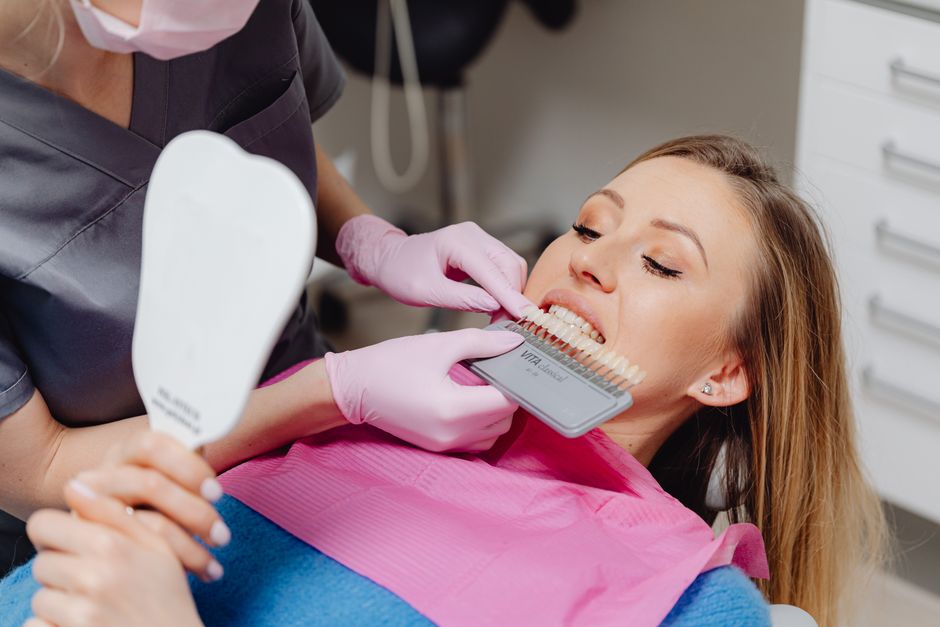
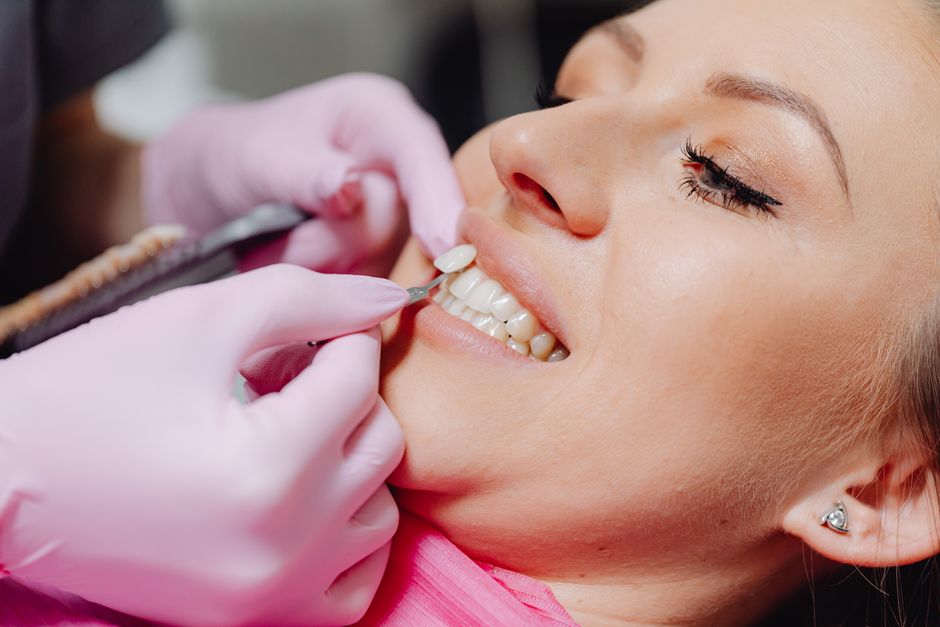
Before anything is permanently bonded, the clinic performs a try-in: the veneers are placed without adhesive so you and the team can check color, shape, fit, and how they look when you smile. Adjustments are made at this stage.
Once approved, each veneer is bonded with a curing adhesive, the bite is checked and refined, and edges are polished. If you grind your teeth, a custom night guard is made to protect the new veneers.
Recovery Timeline
Veneer treatment involves little downtime, which fits well within a five-day stay. Most discomfort is mild and short-lived. After preparation, teeth can feel sensitive to hot and cold for a few days to a couple of weeks; this usually settles on its own.
Gums near newly bonded veneers may feel tender for a day or two.
A typical schedule has the consultation, digital design, and preparation early in the visit, fabrication and try-in in the middle days, and final bonding and bite adjustment toward the end. This leaves a day or so afterward to confirm comfort and make minor refinements before you travel.
You can eat normally soon after bonding, though it is sensible to favor softer foods and avoid very hard or sticky items for the first few days while you adjust to the new bite. Avoid biting directly into hard objects with the veneered teeth.
Flying is generally fine within a day or two of final bonding, once the team confirms the bite is settled and you have no ongoing sensitivity. Before you leave, the clinic should provide care instructions, a cleaning routine, and, for grinders, a night guard.
Longer term, veneers are cared for like natural teeth: regular brushing, flossing, and routine dental check-ups at home. Avoiding habits such as chewing ice or using teeth as tools helps protect the bonded edges over the years.
Cost Breakdown
Porcelain veneers are priced from 800 to 2,500 US dollars, and this figure is per tooth rather than for a whole smile. Your total depends on how many teeth are treated and which ceramic system is selected, with more advanced materials sitting at the higher end of the range.
Because veneers are counted per unit, a small correction of two front teeth costs far less than a full makeover spanning eight or ten visible teeth. During the consultation the clinic confirms how many units your goals require, so you can see the full figure before committing.
Quotes usually cover the digital smile design, tooth preparation, fabrication of the veneers, the try-in stage, and final bonding. Ask whether a protective night guard, follow-up adjustments, and any whitening of neighboring teeth are included or billed separately.
When comparing prices, factor in your travel and accommodation for the five-day stay alongside the dental fee. Many patients find that the combined cost remains competitive against equivalent cosmetic work at home, while keeping planning, milling, and fitting within a single trip.
Treat any quote as an estimate until the clinic has examined your teeth and confirmed the number of units and material.
| Item | Typical Cost in Korea (USD) |
|---|---|
| Single porcelain veneer (standard) | |
| Single veneer (premium e.max/Zirconia) | |
| Full smile (8–10 veneers) | |
| Consultation and shade matching |
Why Korea
Korea has built a strong reputation in cosmetic dentistry, supported by clinics that combine digital smile design with in-house ceramic milling. Keeping design, fabrication, and fitting under one roof is what allows veneer treatment to be completed within a short, focused visit rather than spread across multiple trips.
Care in Korea operates within a regulated framework. The Ministry of Health and Welfare oversees medical and dental standards, and bodies such as KHIDI and KOIHA support the international patient sector and accreditation of facilities that serve overseas visitors.
Many clinics offer coordination for international patients, including language assistance and help arranging appointments around your stay.
For cosmetic dental work specifically, the appeal is precision and speed: digital previews let you agree on the result before any enamel is touched, and on-site milling means the ceramics are made to that exact plan.
Combined with transparent per-tooth pricing and the option to address several teeth in one visit, this makes Korea a practical destination for patients traveling from Africa, the Middle East, and Asia who want a planned, well-supported cosmetic outcome.
Key Takeaways
- Porcelain veneers are a permanent cosmetic commitment — enamel reduction cannot be reversed, so careful selection of a skilled and experienced dentist is essential
- Korea's dental labs produce thin, high-quality ceramic veneers quickly using CAD/CAM technology, making a 1-week trip realistic for a complete veneer procedure
- Cost savings of 40–60% versus Western markets are most significant when placing multiple veneers — a full smile makeover can save thousands of dollars
Frequently Asked Questions
Are porcelain veneers reversible?
No. Preparing most teeth for veneers removes a thin layer of enamel, and enamel does not grow back. A prepared tooth will always need some form of covering afterward. In selected cases a minimal or no-preparation design avoids enamel removal, but for most patients some reduction is part of the plan, which is why the decision should be considered carefully.
How long does treatment take in Korea?
Treatment is usually arranged within a five-day stay. The consultation, digital smile design, and tooth preparation happen early, fabrication and try-in in the middle days, and final bonding and bite adjustment toward the end. In-house milling makes this short timeline possible by keeping design and production on site rather than sending work to an outside lab.
Will I feel pain during or after the procedure?
The procedure itself is comfortable, with local anesthetic used during preparation. Afterward, teeth can feel sensitive to hot and cold for a few days to a couple of weeks, and the gums may be tender briefly. This usually settles on its own. Over-the-counter pain relief is generally enough if any discomfort arises.
What is the cost, and is it per tooth?
Veneers are priced from 800 to 2,500 US dollars per tooth, not per smile. Your total depends on how many teeth show when you smile and which ceramic system is chosen. A two-tooth correction costs far less than a full eight or ten unit makeover. The clinic confirms the number of units at consultation so you see the full figure beforehand.
What if I grind my teeth at night?
You can still have veneers, but grinding raises the risk of chipping, so a custom night guard is normally recommended to protect them while you sleep. The clinic can make one as part of your treatment. Avoiding habits such as chewing ice or biting hard objects also helps the bonded edges last over the years.
Sources
Ready to Begin Your Journey?
Get matched with KAHF-accredited hospitals and receive a personalized treatment plan.
Quick Facts
Typical Cost
$800 - $2500
Duration
5 days
Accredited Hospitals
0+ Available
Top Hospitals
Medical Information Disclaimer
The information provided on this page about Porcelain Veneers is for general educational and informational purposes only. It is not intended as, and should not be construed as, medical advice, diagnosis, or treatment recommendations.
Always seek the advice of a qualified healthcare professional regarding any medical condition or treatment. Never disregard professional medical advice or delay seeking it because of information found on this website. Individual treatment outcomes may vary. Costs shown are estimates and may differ based on individual circumstances.
KmedTour acts as a medical tourism facilitator and does not provide direct medical services. All treatments are performed by independently accredited healthcare providers in South Korea.