Cardiac$8000 - $18000⭐ KAHF Accredited Hospitals
Percutaneous Coronary Intervention in Korea
Minimally invasive coronary stent procedure in South Korea — world-class cardiac care at significantly lower cost than Western hospitals.
Quick Answer
- PCI (coronary angioplasty + stenting) opens blocked heart arteries using a catheter — no open-chest surgery required.
- Procedure time is typically 1–2 hours; most patients stay 2–4 nights in hospital before discharge.
- Cost in South Korea runs approximately $12,000–$19,000 USD for single-vessel stenting, versus ~$45,000 in the US.
- South Korea performs over 80,000 PCI procedures annually, with top Seoul centres holding JCI and KAHF accreditation.
At a Glance
| Procedure time | 1–2 hours (elective); emergency cases may be longer |
|---|---|
| Anesthesia | Local anesthesia with conscious sedation — general anesthesia not usually required |
| Hospital stay | 2–4 nights (uncomplicated single-vessel); longer for complex multi-vessel cases |
| Recommended stay in Korea | 7–10 days to allow post-procedure monitoring and follow-up imaging |
| Recovery | Light activity resumable within 1 week; full activity within 2–4 weeks depending on clinical outcome |
| Typical cost in Korea | Approximately $12,000–$19,000 USD (single-vessel, drug-eluting stent); higher for multi-vessel |
Overview
Percutaneous Coronary Intervention — commonly called PCI or coronary angioplasty — is a catheter-based procedure used to treat narrowed or blocked coronary arteries caused by atherosclerotic plaque.
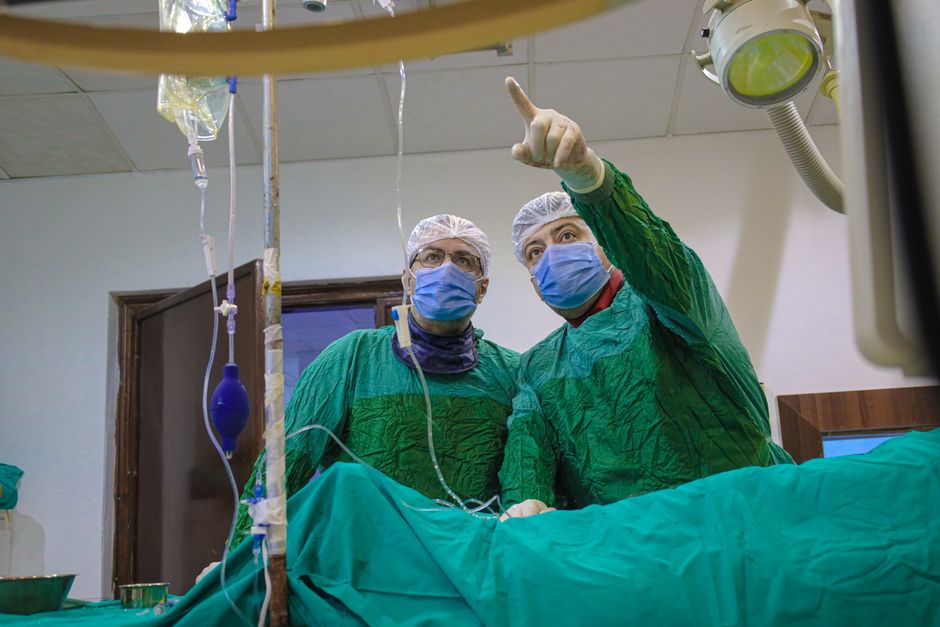
A cardiologist threads a thin, flexible tube (catheter) through a small incision in the wrist (radial access) or groin (femoral access) and advances it to the site of the blockage under real-time X-ray guidance (fluoroscopy).
Once in position, a tiny balloon on the catheter tip is inflated to compress the plaque against the artery wall. In the vast majority of cases, a drug-eluting stent (DES) — a mesh tube coated with medication to prevent re-narrowing — is then deployed to keep the artery open permanently.
PCI is used both as an elective procedure for stable coronary artery disease and as an emergency intervention for acute myocardial infarction (heart attack). The emergency form is called primary PCI (pPCI) and is performed as rapidly as possible to restore blood flow.
The procedure does not require opening the chest, which dramatically shortens recovery time compared to surgical bypass grafting.
Bring all cardiac records from home
Bring previous ECGs, stress test results, echocardiograms, and any prior angiography reports to your first consultation in Korea. This reduces duplicate testing, lowers your overall cost, and allows the cardiologist to plan the intervention more precisely.
Am I a Candidate?
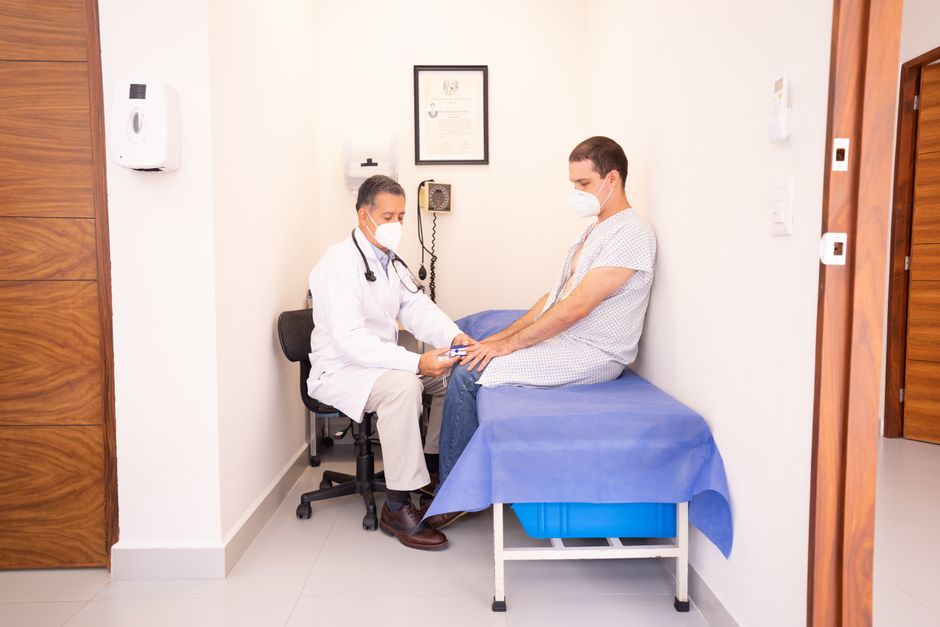
PCI is considered when coronary arteries are significantly narrowed and blood flow to the heart muscle is compromised.
Common indications include: - Stable angina that does not respond adequately to medication - Unstable angina or acute coronary syndrome requiring prompt intervention - ST-elevation myocardial infarction (STEMI) — emergency primary PCI - Non-ST-elevation myocardial infarction (NSTEMI) with high-risk features - Significant single-vessel or selected multi-vessel coronary artery disease
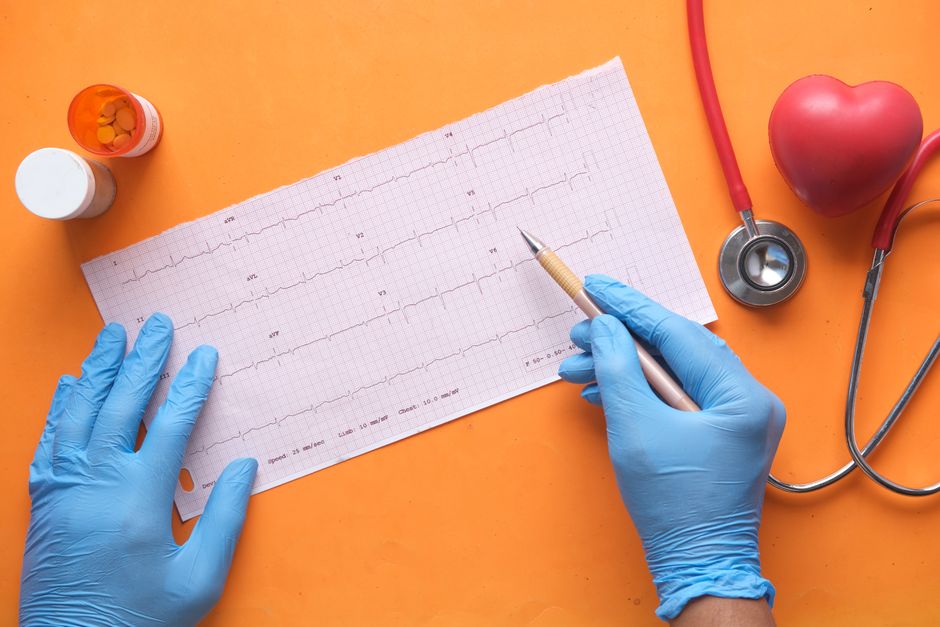
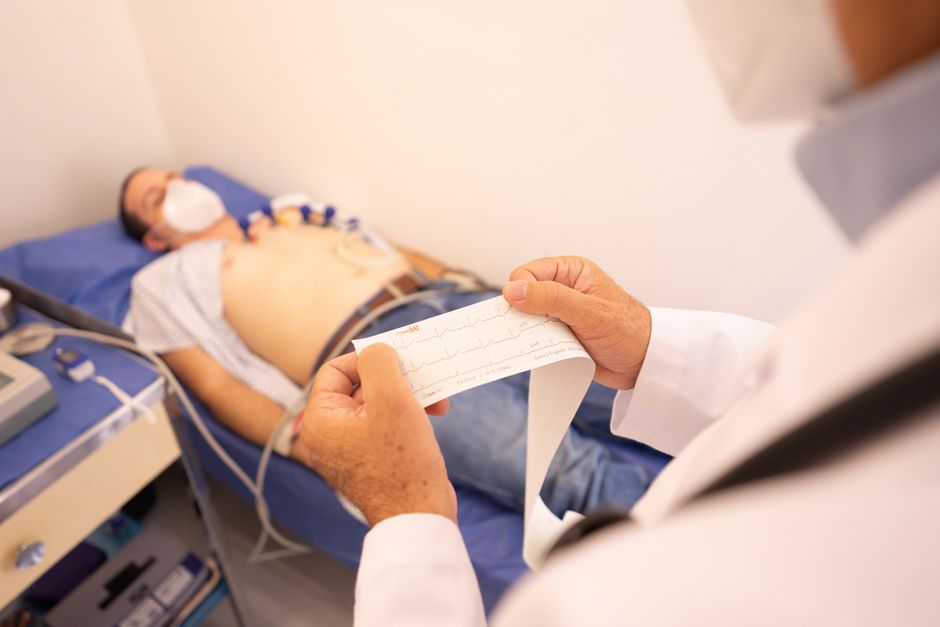
A cardiologist evaluates suitability through coronary angiography, stress testing, echocardiography, and sometimes cardiac CT angiography.
PCI may not be the preferred choice when blockages are highly complex, involve the left main coronary artery with significant branching, or when multi-vessel disease with reduced heart function makes surgical bypass (CABG) a more durable option.
Candidacy assessment in Korea typically begins with a diagnostic coronary angiogram, which informs the interventional strategy.
How the Procedure Works
The standard sequence for elective PCI in a Korean cardiac catheterisation laboratory (cath lab) follows internationally established protocols.
Pre-procedure preparation - Fasting for several hours before the procedure - Review of medications — antiplatelet agents (aspirin plus a P2Y12 inhibitor) are loaded in advance - IV access established; ECG monitoring attached - Local anaesthetic injected at the access site (typically the radial artery at the wrist)
Catheter advancement and angiography - A sheath is inserted into the artery - A guiding catheter is advanced under fluoroscopy to the coronary ostia - Contrast dye is injected to visualise the blockage
Balloon dilatation - A guidewire is crossed through the blockage - A balloon catheter is advanced over the wire and inflated at the narrowing
Stent deployment - A drug-eluting stent mounted on a balloon is advanced to the lesion and expanded precisely - The balloon is deflated and withdrawn; the stent remains permanently in place - Final angiography confirms adequate blood flow
Post-procedure - The sheath is removed; the access site is compressed or closed - The patient moves to a monitored recovery unit for several hours
Recovery Timeline
Recovery after PCI is significantly faster than open-heart surgery, though careful monitoring and medication adherence remain essential.
Day 0–1 (in hospital) Patients rest in a monitored cardiac ward. With radial (wrist) access — now the preferred approach in Korea — bed-rest requirements are shorter than with femoral access. ECG and vital signs are observed continuously.
Days 2–4 (in hospital / pre-discharge) The care team assesses heart function, checks the access site, confirms no procedural complications, and finalises the antiplatelet regimen. Most uncomplicated patients are discharged within 2–4 days.
Days 4–10 (staying in Korea) An outpatient follow-up appointment reviews blood tests, medications, and any symptoms. This window is important for international patients before travelling home.
Weeks 1–4 are spent at home. Light walking is encouraged from the first week, but avoid heavy lifting and strenuous exercise for 2–4 weeks.
Dual antiplatelet therapy (DAPT), typically aspirin plus a P2Y12 inhibitor, continues as prescribed, often for 6–12 months, and patients should not stop these medications without cardiology advice.
Cardiac rehabilitation, lifestyle modification (diet, exercise, smoking cessation), and regular follow-up with a home cardiologist are strongly recommended after returning home.
Cost Breakdown
South Korea's PCI pricing is considerably lower than comparable procedures in the United States, United Kingdom, or Singapore, while maintaining internationally benchmarked clinical standards.
Approximate USD cost ranges in South Korea
- Single-vessel PCI with one drug-eluting stent: $12,000–$15,000
- Two-vessel PCI (two stents): $15,000–$19,000
- Complex multi-vessel or bifurcation PCI: $19,000–$28,000
- Diagnostic coronary angiogram (if done separately): $1,500–$3,000
- Post-procedure cardiac imaging (echocardiogram, stress test): $500–$1,200
Typical package inclusions at major Seoul centres cover pre-procedure consultation, the catheterisation procedure itself, drug-eluting stent(s), 2–4 nights of ward accommodation, standard medications, and one follow-up visit.
Costs vary by: - Number of stents required - Hospital tier (tertiary academic centre vs. specialist cardiac clinic) - Need for advanced intravascular imaging (IVUS or OCT) - Emergency versus elective setting
For comparison, single-vessel PCI in the United States averages around $45,000 USD.
International patients should confirm exactly what is included in quoted packages and budget separately for translation services, accommodation outside the hospital, and return airfare. Most major Korean hospitals have international patient centres that provide itemised estimates.
| Item | Typical Cost in Korea (USD) |
|---|---|
| Diagnostic coronary angiogram | $1,500–$3,000 |
| Single-vessel PCI (1 drug-eluting stent) | $12,000–$15,000 |
| Two-vessel PCI (2 stents) | $15,000–$19,000 |
| Complex / multi-vessel PCI | $19,000–$28,000 |
| Post-procedure echocardiogram / stress test | $500–$1,200 |
Why Korea
South Korea has developed one of the highest-volume and most technically advanced interventional cardiology programmes in Asia, supported by consistent national investment in medical infrastructure and research.
Volume and experience Korea performs over 80,000 PCI procedures per year. High procedural volume at individual centres is associated with well-trained multidisciplinary cardiac teams and optimised cath-lab workflows.
National registry and quality tracking The K-PCI Registry — a nationwide database tracking PCI outcomes across Korean hospitals — enables ongoing quality monitoring and benchmarking. Published K-PCI data covering multiple cohort years provides transparently reported in-hospital outcomes.
Regulatory framework Korea's medical device and pharmaceutical ecosystem is overseen by the Ministry of Food and Drug Safety (MFDS), ensuring that stents and cardiac equipment meet rigorous safety standards before clinical use.
Medical tourism infrastructure The Korea Health Industry Development Institute (KHIDI) coordinates the Medical Korea programme, which registers and audits hospitals serving international patients.
The KAHF accreditation programme (Korean Accreditation for Hospitals serving Foreign patients), administered under the Ministry of Health and Welfare, evaluates 35 standards and 149 items covering clinical quality and patient services.
Seoul and Gangnam access Major cardiac centres are concentrated in Seoul, with the Gangnam district and surrounding areas offering high-density clusters of tertiary hospitals, specialist clinics, and international patient support services. Seoul accounts for the large majority of foreign medical tourist visits in Korea.
Radial access adoption Korean cath labs have progressively adopted radial (wrist) access for PCI, which is associated with fewer access-site complications and shorter recovery periods compared to femoral access.
Key Takeaways
- PCI is a catheter-based, minimally invasive procedure — no open-chest surgery — with a typical 1–2 hour procedure time and 2–4 night hospital stay.
- South Korea performs over 80,000 PCI procedures annually and tracks national outcomes through the K-PCI Registry, supporting transparent quality benchmarking.
- Approximate cost in Korea is $12,000–$19,000 USD for single-to-two-vessel stenting, significantly lower than comparable Western pricing.
- International patients should plan to stay 7–10 days in Korea for post-procedure monitoring before flying home, and must continue prescribed antiplatelet medication as directed.
Frequently Asked Questions
Is PCI the same as open-heart surgery?
No. PCI is a minimally invasive catheter procedure performed through a small puncture at the wrist or groin. Open-heart surgery (coronary artery bypass grafting, or CABG) involves opening the chest and creating new bypass routes around blockages. PCI has a much shorter recovery time but is not always the preferred choice for complex multi-vessel disease — your cardiologist will recommend the appropriate approach based on your angiogram findings.
How long do coronary stents last?
Modern drug-eluting stents are designed to be permanent implants. The drug coating prevents scar tissue (restenosis) from re-narrowing the stent in the first 12 months, after which the vessel wall has typically healed around the metal mesh. Stents do not wear out, but the underlying coronary artery disease can progress elsewhere, making ongoing lifestyle management and medication adherence important.
What medications will I need after PCI?
Most patients are prescribed dual antiplatelet therapy (DAPT) — typically aspirin combined with a P2Y12 inhibitor — for a period determined by your cardiologist, commonly 6–12 months after drug-eluting stent placement. You should never stop these medications without consulting your cardiologist, as early discontinuation increases the risk of stent thrombosis. Additional medications for blood pressure, cholesterol, and other cardiac risk factors are also commonly prescribed.
Is it safe to fly home shortly after PCI?
Most interventional cardiologists advise against long-haul flights for at least 7–10 days after an uncomplicated elective PCI. This allows for post-procedure monitoring, access-site healing, and assessment of the antiplatelet regimen. For patients who have had emergency PCI for a heart attack, the recommended wait before flying is typically longer and is determined case-by-case. Korea's Medical Korea-registered hospitals can provide medical clearance documentation and discharge summaries in English.
Does Korea use the same stent technology as the US or Europe?
Yes. South Korea's Ministry of Food and Drug Safety (MFDS) regulates the approval of medical devices including coronary stents. Major Korean cardiac centres use internationally recognised drug-eluting stent platforms from established global manufacturers. The K-PCI Registry also tracks outcomes associated with specific devices, supporting evidence-based stent selection.
Will my home insurance cover PCI in South Korea?
Coverage varies significantly by insurer and policy. Some international health insurance plans, travel insurance riders with medical coverage, and corporate health schemes do cover planned overseas procedures with prior authorisation. Check with your insurer before travelling — Korean hospitals can typically provide pre-admission estimates and clinical documentation to support insurance pre-authorisation requests.
Related Topics
Sources
Ready to Begin Your Journey?
Get matched with KAHF-accredited hospitals and receive a personalized treatment plan.
Quick Facts
Typical Cost
$8000 - $18000
Duration
2 days
Accredited Hospitals
0+ Available
Top Hospitals
Medical Information Disclaimer
The information provided on this page about Percutaneous Coronary Intervention is for general educational and informational purposes only. It is not intended as, and should not be construed as, medical advice, diagnosis, or treatment recommendations.
Always seek the advice of a qualified healthcare professional regarding any medical condition or treatment. Never disregard professional medical advice or delay seeking it because of information found on this website. Individual treatment outcomes may vary. Costs shown are estimates and may differ based on individual circumstances.
KmedTour acts as a medical tourism facilitator and does not provide direct medical services. All treatments are performed by independently accredited healthcare providers in South Korea.