
Pediatrics$5000 - $15000⭐ KAHF Accredited Hospitals
Pediatric Surgery in Korea
Surgical care for infants and children in Korea, from hernia repair to laparoscopic and robotic abdominal and thoracic procedures.
Quick Answer
- Pediatric surgery in Korea covers a wide range of children's conditions, with about half of cases at leading centres done minimally invasively (laparoscopy, thoracoscopy, robotic surgery).
- Common procedures such as inguinal hernia repair, umbilical hernia repair, and appendectomy are routinely performed on children, often with same-day or short-stay recovery for simple cases.
- Costs are typically far lower than in the US: an appendectomy commonly runs roughly $5,200–$9,500 and a hernia repair from about $1,000 upward, varying by technique and complexity.
- Korea's major Seoul centres offer multilingual international patient services and child-focused surgical teams, with treatment often scheduled within days to weeks.
At a Glance
| Procedure time | ~45 min to 3 hrs depending on the operation |
|---|---|
| Anesthesia | General (pediatric anesthesia team) |
| Hospital stay | Day-case to 3–4 days; 5–7 days for complex cases |
| Recommended stay in Korea | About 1–3 weeks including consultation and follow-up |
| Recovery | Days to a few weeks; most children return to normal activity within 2–4 weeks |
| Typical cost in Korea | ~$1,000–$9,500+ depending on procedure |
Overview
Pediatric surgery is a specialty focused on the surgical care of infants, children, and adolescents, whose anatomy, physiology, and recovery differ meaningfully from adults. It spans a broad range of conditions, from common problems like hernias and appendicitis to more complex congenital and abdominal conditions.
Korea has well-established pediatric surgery programs. Leading Seoul university hospitals run dedicated divisions, and at major centres a large share of operations are now performed minimally invasively.
Common techniques include:
- Laparoscopy for many abdominal operations
- Thoracoscopy for chest procedures
- Robotic surgery, used at select centres for suitable cases
Minimally invasive approaches aim to reduce scarring, lower post-operative pain, and support faster recovery in children. Care is delivered by surgical teams alongside dedicated pediatric anesthesia and nursing staff, with international patient offices at larger hospitals supporting families travelling from abroad.
Because children differ from adults in size, growth, and how they respond to anesthesia and recovery, pediatric surgery is treated as its own discipline rather than a smaller version of adult surgery. The right procedure, timing, and approach are always decided case by case after a thorough assessment.
Send records before you travel
Share your child's medical history, imaging, and any prior reports with the hospital's international office in advance. A pre-travel review helps confirm whether surgery is appropriate and which approach suits your child before you book the trip.
Urgent cases need local care
Conditions like suspected appendicitis are emergencies. Seek immediate local treatment rather than planning medical travel — Korea is best suited to planned, electively scheduled pediatric procedures.
Am I a Candidate?
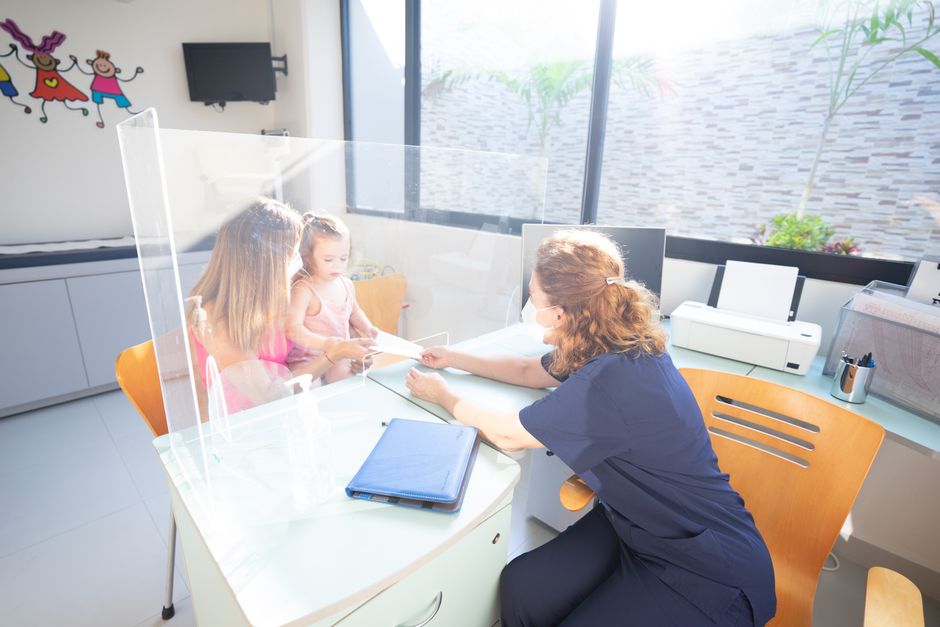
Whether a child is a candidate for surgery, and which approach is appropriate, depends entirely on the diagnosis and the child's individual health. A pediatric surgeon and anesthesia team assess each case before any procedure.
A child may be considered for surgical treatment when:
- A condition such as a hernia, appendicitis, or another diagnosed problem requires operative repair
- Conservative or non-surgical management is unsuitable or has not resolved the issue
- The child is medically stable enough to undergo general anesthesia safely
- The family has reviewed the risks, benefits, and alternatives with the surgical team
Minimally invasive surgery is not suitable for every case. The surgeon decides between open and laparoscopic, thoracoscopic, or robotic approaches based on the child's age, size, anatomy, and the specific condition.
For international families, a pre-travel review of medical records and imaging helps confirm suitability before arranging the trip. Urgent conditions such as suspected appendicitis usually require local emergency care rather than planned medical travel.
How the Procedure Works
The exact steps depend on the specific operation, but most planned pediatric procedures follow a similar pathway.
- Consultation and assessment – the surgeon reviews history, examines the child, and orders any needed imaging or blood tests.
- Pre-operative preparation – fasting instructions, an anesthesia review, and parent consent are completed before the day of surgery.
- Anesthesia – a pediatric anesthesia team administers general anesthesia and monitors the child throughout.
- The operation – for minimally invasive cases, small incisions allow a camera and instruments; open surgery uses a single larger incision when needed.
- Closure and recovery – incisions are closed, and the child is monitored in a recovery area as the anesthesia wears off.
For common conditions, simple hernia repairs may be performed as short-stay or day cases, while appendectomy and more complex operations typically involve a hospital admission. The surgical team explains what to expect for the specific procedure beforehand.

Recovery Timeline
Recovery varies widely by procedure, the child's age, and whether an open or minimally invasive approach was used. The surgical team provides instructions specific to your child.
A general pattern for common operations:
- First 24–48 hours – monitored in hospital or discharged the same day for simple cases; pain is managed with age-appropriate medication.
- First week – wound care, gradual return to light activity, and avoiding rough play; short follow-up visits may be scheduled.
- Weeks 2–4 – most children return to school and normal routines; strenuous activity and sports are reintroduced as the surgeon advises.
- Longer term – follow-up to confirm healing, with timing depending on the condition treated.
Minimally invasive procedures generally involve smaller wounds and can support a quicker, more comfortable recovery. For complex or perforated cases, hospital stays and overall recovery are longer. Families travelling from abroad should plan enough time in Korea to complete at least one post-operative review before flying home.

Cost Breakdown
Costs in Korea depend heavily on the procedure, the surgical technique, the hospital tier, and the complexity of the case. Pediatric surgery covers many different operations, so prices range widely.
Approximate guide figures reported for Korea:
- Inguinal hernia repair – from roughly $1,000 upward
- Umbilical hernia repair – around $3,000, with packages reported higher
- Appendectomy – roughly $5,200–$9,500, higher if the appendix has perforated
Reported pricing for procedures such as appendectomy generally includes the surgery, hospital stay, and diagnostic imaging, though exact inclusions vary by hospital. Complex or congenital conditions are quoted individually after assessment.
For international patients, total spend should also account for consultation fees, anesthesia, medications, accommodation, and travel. Korea is widely reported to offer substantial savings compared with the US for many procedures.
Always request a written, itemised quote from the treating hospital, since these figures are indicative ranges rather than fixed prices.
Keep in mind that the cheapest quote is not always the best value. The surgeon's experience with your child's specific condition, the hospital's accreditation, and the quality of post-operative care all matter. Factor any return visits or extended recovery time into your overall budget as well.
| Item | Typical Cost in Korea (USD) |
|---|---|
| Inguinal hernia repair (child) | $1,000–$2,000 |
| Umbilical hernia repair (child) | $3,000–$6,000 |
| Appendectomy (child) | $5,200–$9,500 |
| Consultation & pre-op imaging | $150–$600 |
| Complex/congenital procedures | Quoted after assessment |
Why Korea
Korea has become a major medical tourism destination, with international patient numbers surpassing one million in 2024 according to the Korea Health Industry Development Institute (KHIDI). Seoul, including the Gangnam district, along with Busan and Daegu, hosts internationally recognised hospitals.
Reasons families consider Korea for pediatric surgery include:
- Established pediatric surgery programs at leading Seoul university hospitals, with dedicated divisions and high case volumes
- Advanced minimally invasive capability, including laparoscopy, thoracoscopy, and robotic surgery at select centres
- Strong regulation and accreditation – healthcare is overseen by the Ministry of Health and Welfare, with hospitals certified under JCI or Korea's accreditation program for institutions serving foreign patients
- International patient services with multilingual support at major centres
- Short waiting times, with treatment often scheduled within days to weeks of consultation
The Ministry of Food and Drug Safety (MFDS) regulates medical devices and pharmaceuticals used in care. Families should confirm a hospital's accreditation and its experience with the specific pediatric condition before committing.
Key Takeaways
- Korea offers established pediatric surgery programs, with a large share of cases at leading Seoul centres performed minimally invasively to reduce scarring and speed recovery.
- Costs vary widely by procedure — from around $1,000 for a hernia repair to roughly $5,200–$9,500 for an appendectomy — and are generally well below US prices.
- Korea's hospitals are regulated by the Ministry of Health and Welfare and many hold JCI or national accreditation, with multilingual international patient services.
- Always obtain an itemised written quote and confirm the hospital's experience with your child's specific condition before travelling.
Frequently Asked Questions
Is minimally invasive surgery available for children in Korea?
Yes. At leading Seoul centres a large share of pediatric operations are performed minimally invasively, using laparoscopy, thoracoscopy, or robotic surgery where appropriate. The surgeon decides whether a minimally invasive or open approach is suitable based on the child's age, size, and condition.
How much does pediatric surgery cost in Korea?
It depends on the procedure. Reported figures include roughly $1,000 and up for inguinal hernia repair, around $3,000 for umbilical hernia repair, and about $5,200–$9,500 for an appendectomy. Complex or congenital conditions are quoted after assessment. Always request an itemised written quote from the hospital.
How long should we stay in Korea for a child's surgery?
For planned procedures, families generally allow about one to three weeks to cover consultation, surgery, and at least one post-operative review before flying home. Complex cases may require longer. Your hospital's international office can advise based on the specific procedure.
How long is the hospital stay?
Simple cases such as some hernia repairs may be day-case or short-stay. An appendectomy typically involves a few days in hospital, and perforated or complex cases can require five to seven days. The surgical team gives an estimate before the procedure.
Are Korean hospitals safe and accredited for international children?
Korean healthcare is regulated by the Ministry of Health and Welfare, and many hospitals hold Joint Commission International (JCI) accreditation or Korea's national accreditation for institutions serving foreign patients. Major centres offer multilingual international patient services. Confirm a hospital's accreditation and experience with your child's condition before booking.
Can we plan emergency pediatric surgery as medical travel?
No. Urgent conditions such as suspected appendicitis require immediate local emergency care. Medical travel to Korea is best suited to planned, electively scheduled procedures where records can be reviewed in advance.
Related Topics
Sources
Ready to Begin Your Journey?
Get matched with KAHF-accredited hospitals and receive a personalized treatment plan.
Quick Facts
Typical Cost
$5000 - $15000
Duration
7 days
Accredited Hospitals
1+ Available
Top Hospitals
Available Cities
Medical Information Disclaimer
The information provided on this page about Pediatric Surgery is for general educational and informational purposes only. It is not intended as, and should not be construed as, medical advice, diagnosis, or treatment recommendations.
Always seek the advice of a qualified healthcare professional regarding any medical condition or treatment. Never disregard professional medical advice or delay seeking it because of information found on this website. Individual treatment outcomes may vary. Costs shown are estimates and may differ based on individual circumstances.
KmedTour acts as a medical tourism facilitator and does not provide direct medical services. All treatments are performed by independently accredited healthcare providers in South Korea.