Cardiac$8000 - $20000⭐ KAHF Accredited Hospitals
Pacemaker Implantation in Korea
Pacemaker implantation in South Korea: world-class cardiac care at USD 8,000–21,500, with advanced leadless options and short recovery.
Quick Answer
- Typical cost in Korea: USD 8,000–21,500 depending on device type (single-chamber, dual-chamber, or leadless/Micra)
- Hospital stay: 3–5 days; recommended time in Korea is 7–10 days for cardiac clearance before flying
- Korea's leading cardiac centres offer leadless pacemakers (Micra platform) delivered via catheter — no chest incision required
- Regulation: Cardiac devices must be approved by Korea's MFDS (Ministry of Food and Drug Safety), equivalent to FDA-class oversight
At a Glance
| Procedure time | 1–2.5 hours (conventional); under 30 minutes for leadless approach |
|---|---|
| Anesthesia | Local anesthesia with sedation (conventional); conscious sedation for leadless/catheter approach |
| Hospital stay | 3–5 days |
| Recommended stay in Korea | 7–10 days post-procedure before flying |
| Recovery | Light activity in 2–4 weeks; full return to normal activity in 4–6 weeks; avoid heavy lifting for 4 weeks |
| Typical cost in Korea | USD 8,000–21,500 (device type and hospital tier dependent) |
Overview
A pacemaker is a small implantable device that monitors the heart's electrical activity and delivers timed electrical impulses to maintain a safe, regular rhythm. It is prescribed when the heart beats too slowly (bradycardia), pauses unpredictably, or cannot coordinate its chambers properly.
Korea has offered pacemaker implantation services to both domestic and international patients for over three decades. Leading Seoul cardiac programs have accumulated large case volumes, and the country's regulatory body — the MFDS — enforces strict approval pathways for all implantable cardiac devices.
Two main device categories are available in Korea. Conventional pacemakers use one or more leads (thin wires) threaded through a vein and anchored inside the heart, connected to a generator placed beneath the skin near the collarbone.
Leadless pacemakers (such as the Micra platform) are capsule-sized, delivered entirely via a catheter through the femoral vein, and anchored directly to the right ventricular wall, eliminating the subcutaneous pocket and leads.
Korea's cardiac centers also offer cardiac resynchronization therapy (CRT) devices and implantable cardioverter-defibrillators (ICDs) for patients with more complex rhythm disorders. Choosing the right device depends on a full pre-operative cardiac evaluation.
Book a cardiac pre-screening before you travel
Request that your Korean hospital reviews your most recent ECG, echocardiogram, and Holter report before you fly. This allows the electrophysiology team to confirm device selection and flag any additional diagnostics needed — reducing surprises on arrival and keeping your total stay as short as possible.
Am I a Candidate?
Pacemaker implantation is appropriate for patients whose hearts cannot maintain safe rhythm without device support. Typical qualifying conditions include:
- Sick sinus syndrome — the heart's natural pacemaker fires too slowly or erratically
- High-degree or complete heart block — electrical signals between atria and ventricles are partially or fully interrupted
- Persistent symptomatic bradycardia — chronic slow heart rate causing fatigue, near-syncope, or fainting
- Atrial fibrillation with slow ventricular response — especially after ablation or AV-node modification
- Neurocardiogenic syncope — recurrent fainting unresponsive to other treatment
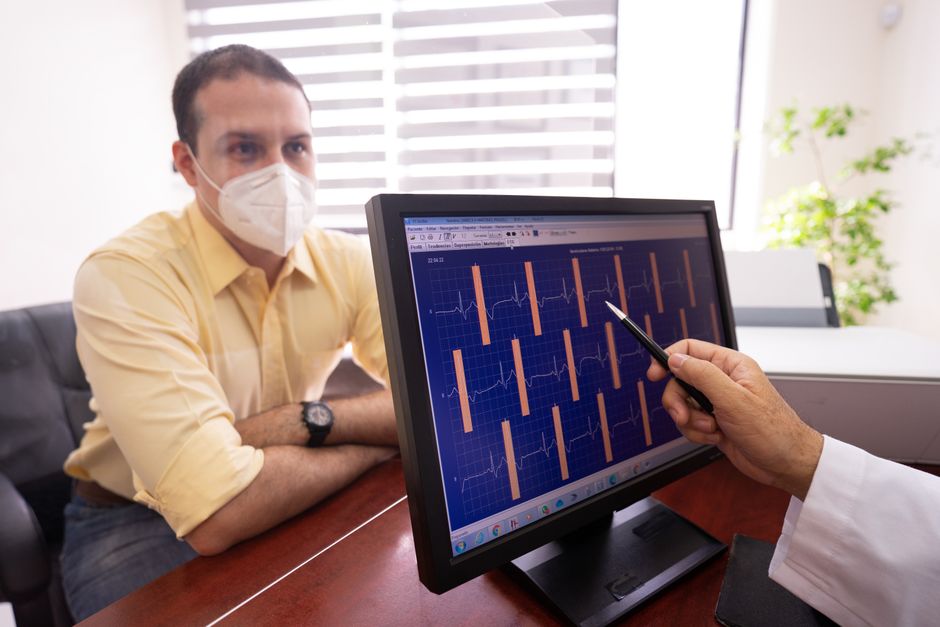
Candidacy is confirmed through a cardiology evaluation including a 12-lead ECG, 24–48-hour Holter monitor, echocardiogram, and sometimes an electrophysiology (EP) study. Korean cardiac teams typically perform these work-ups within 1–2 days for international patients.
Leadless pacemakers are not suitable for all patients — body size, venous anatomy, and specific arrhythmia type all factor into the selection. Your cardiologist will advise on the appropriate platform.
How the Procedure Works
Conventional pacemaker (most common approach):
- Performed under local anesthesia with IV sedation; patient remains conscious but relaxed
- A small incision (~5 cm) is made below the left or right collarbone
- One or two leads are threaded through the subclavian or cephalic vein into the heart chambers under real-time fluoroscopy (X-ray guidance)
- Electrical thresholds are tested to confirm secure lead placement
- The pulse generator is placed in a subcutaneous pocket, leads connected, and the incision closed
- Procedure time: approximately 1–2.5 hours
Leadless pacemaker (catheter-delivered):
- Patient receives conscious sedation; a catheter is introduced through the femoral vein in the groin
- The capsule device is advanced to the right ventricle and anchored to the septal or apical wall
- Electrical parameters are confirmed, and the delivery catheter is removed
- No incision near the chest; no subcutaneous pocket
- Procedure time: typically under 30 minutes
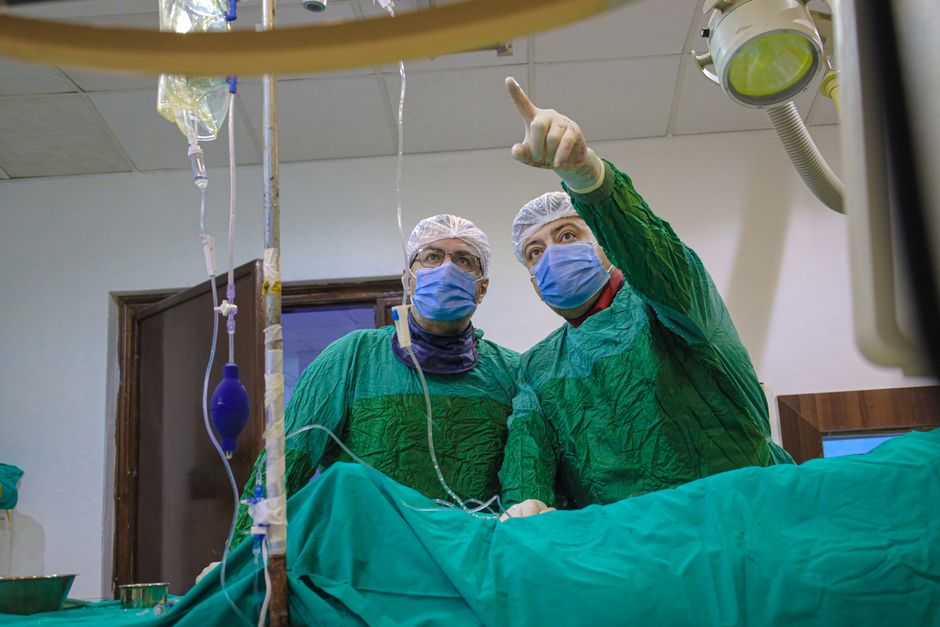
Both approaches are performed in a dedicated cardiac catheterization laboratory. Post-procedure, a chest X-ray and ECG confirm device position before the patient moves to the ward.
Recovery Timeline
Days 1–2 (in-hospital): - Telemetry monitoring for rhythm stability and lead integrity - Chest X-ray and ECG on day 1 to confirm device position - Mild soreness at the incision site; managed with oral analgesics
Days 3–5 (discharge): - Most patients are discharged with a pacemaker ID card, device settings summary, and a follow-up appointment - Wound care instructions provided; dressing changed before discharge - Arm on the implant side must be kept below shoulder height for 2–4 weeks
Week 1–2 (in Korea, outpatient): - Wound inspection visit; suture removal if non-absorbable sutures were used - Device interrogation (remote or in-clinic) to verify sensing and pacing thresholds - Light walking encouraged; no driving, swimming, or strenuous arm movement
Weeks 3–4: - Most patients resume desk work and gentle daily activities - Avoid heavy lifting (>5 kg) and overhead arm movement until cleared - Recommended minimum stay in Korea before flying: 7–10 days for stable patients
Weeks 4–6: - Full return to normal non-strenuous activity for most patients - Long-haul flying is generally safe after 6–8 weeks; confirm with your cardiologist - First remote or in-person device check in home country arranged before departure
Cost Breakdown
Korea's all-in pacemaker cost typically ranges from USD 8,000 to USD 21,500, varying by device type, hospital tier, and length of stay. The package at most internationally-oriented Seoul hospitals includes:
- Pre-operative cardiac work-up (ECG, echo, Holter)
- Surgeon and electrophysiology team fees
- Anesthesia and catheterization laboratory charges
- The pacemaker device itself (single-chamber, dual-chamber, or leadless)
- 3–5 nights standard ward or cardiac monitoring bed
- Device programming and post-operative interrogation before discharge
- Discharge documentation and pacemaker ID card
Not typically included: - International airfare and hotel accommodation - Additional nights for extended recovery - Translation and coordination service fees (USD 200–500 at some facilitators) - Follow-up remote device monitoring subscriptions after return home - Treatment of any pre-existing secondary cardiac conditions identified during work-up
For context, equivalent procedures in the United States commonly list at USD 30,000–100,000+ depending on device complexity and facility, making Korea a cost-efficient option even after factoring in travel.
| Item | Typical Cost in Korea (USD) |
|---|---|
| Single-chamber pacemaker (full package) | $8,000–$12,000 |
| Dual-chamber pacemaker (full package) | $12,000–$17,000 |
| Leadless pacemaker / Micra (full package) | $15,000–$21,500 |
| Pre-operative cardiac work-up (ECG, echo, Holter) | $400–$900 |
| Hotel accommodation (7–10 nights, mid-range Seoul) | $700–$1,400 |
Why Korea
Korea's cardiac infrastructure has been built over several decades, with major Seoul teaching hospitals operating dedicated arrhythmia and electrophysiology programs that treat both Korean nationals and international patients in high volumes.
KHIDI and the Medical Korea brand: Korea's Health Industry Development Institute (KHIDI) administers the Medical Korea initiative, which since 2009 has coordinated international patient services, quality benchmarking, and support infrastructure across accredited hospitals. South Korea surpassed one million foreign patient visits for the first time in 2024, spanning 201 countries.
MFDS device regulation: All cardiac implantable devices used in Korea must receive approval from the MFDS (Ministry of Food and Drug Safety), Korea's equivalent of the US FDA.
This includes conformity reviews, post-market surveillance, and mandatory adverse event reporting — the same global device platforms (Medtronic, Abbott, Boston Scientific) are used, subject to local regulatory oversight.
Leadless pacemaker outcomes: Korean clinical data on leadless pacemakers, including the Micra platform, has shown low acute complication rates reflecting the concentrated case volume at specialized centers.
Seoul and Gangnam district: Gangnam-gu hosts several internationally recognized cardiology facilities with dedicated international patient departments, English-speaking care coordinators, and streamlined pre-admission pathways for overseas visitors.
Proximity to Incheon International Airport (ICN) and established medical concierge infrastructure make the logistics straightforward for patients traveling from Africa, the GCC, or Southeast Asia.
Cost efficiency: Medical procedures in Korea are generally priced 30–70% below equivalent US costs while using comparable device platforms, surgical techniques, and post-operative monitoring protocols.
Key Takeaways
- Korea offers pacemaker implantation at USD 8,000–21,500, substantially below US pricing, using the same internationally approved device platforms regulated by the MFDS.
- Leadless pacemaker (catheter-delivered, no chest incision) is available at leading Seoul cardiac centers with favorable Korean clinical data.
- Plan for 7–10 days in Korea after the procedure before flying; bring all prior cardiac records to expedite pre-operative evaluation.
- KHIDI's Medical Korea program provides accreditation oversight and international patient support infrastructure across participating hospitals.
Frequently Asked Questions
How long do I need to stay in South Korea after pacemaker implantation?
Most patients are medically cleared to travel after 7–10 days. Hospital discharge typically occurs on day 3–5, and the remaining days allow for a wound check, device interrogation, and confirmation of stable pacing before a long-haul flight. Your cardiologist will confirm your specific travel clearance.
Is the pacemaker device used in Korea the same brand as in the US or Europe?
Yes. Korean hospitals use the same globally sourced devices from major manufacturers such as Medtronic, Abbott, and Boston Scientific. All devices must be approved by Korea's MFDS before clinical use, so you are not receiving an off-brand alternative.
What is a leadless pacemaker and is it available in Korea?
A leadless pacemaker is a capsule-sized device delivered directly into the heart via a catheter through the femoral vein — no chest incision, no subcutaneous pocket, and no wire leads. It is available at specialized cardiac centers in Korea. Not all patients are candidates; suitability depends on your arrhythmia type and anatomy.
Will I need to replace the pacemaker battery, and how does that work if I had surgery in Korea?
Pacemaker batteries typically last 8–15 years depending on usage. Battery replacement (generator change) is a routine procedure that can be performed by any qualified electrophysiology center in your home country — you do not need to return to Korea. Before leaving, you will receive full device documentation including model, serial number, and programmed settings.
What cardiac evaluations are done before the procedure?
Standard pre-operative assessment includes a 12-lead ECG, 24–48-hour Holter monitor, transthoracic echocardiogram, and blood work. If your arrhythmia is complex, an electrophysiology (EP) study may also be performed. Korean hospitals serving international patients can typically complete this work-up within 1–2 days of arrival.
Does the MFDS regulatory standard compare to international medical device standards?
The MFDS (Ministry of Food and Drug Safety) is Korea's national regulatory authority for medical devices and operates a review and approval process broadly comparable to the US FDA and EU MDR frameworks. All implantable cardiac devices used in Korean hospitals must clear MFDS conformity assessments before clinical use.
Related Topics
Sources
Ready to Begin Your Journey?
Get matched with KAHF-accredited hospitals and receive a personalized treatment plan.
Quick Facts
Typical Cost
$8000 - $20000
Duration
5 days
Accredited Hospitals
4+ Available
Top Hospitals
Medical Information Disclaimer
The information provided on this page about Pacemaker Implantation is for general educational and informational purposes only. It is not intended as, and should not be construed as, medical advice, diagnosis, or treatment recommendations.
Always seek the advice of a qualified healthcare professional regarding any medical condition or treatment. Never disregard professional medical advice or delay seeking it because of information found on this website. Individual treatment outcomes may vary. Costs shown are estimates and may differ based on individual circumstances.
KmedTour acts as a medical tourism facilitator and does not provide direct medical services. All treatments are performed by independently accredited healthcare providers in South Korea.