Cardiac$30000 - $80000⭐ KAHF Accredited Hospitals
Neonatal Heart Surgery in Korea
Open-heart repair for life-threatening congenital defects in newborns, performed at Korea's specialized pediatric cardiac centers in Seoul.
Quick Answer
- Neonatal heart surgery corrects structural defects (such as transposition of the great arteries, hypoplastic left heart, or critical pulmonary stenosis) present at birth, often required within days or weeks of delivery.
- Typical cost in Korea: $25,000–$65,000 USD depending on defect complexity, NICU duration, and whether staged procedures are needed — significantly lower than comparable US or European costs.
- Korea's leading pediatric cardiac centers perform approximately 500–1,000 cardiothoracic cases per year with reported short-term survival rates above 96%, supported by KHIDI-regulated quality standards.
- NICU and total hospital stay commonly ranges from 3 to 8 weeks for complex neonatal repairs; families typically plan a Korea stay of 6–12 weeks to cover surgery, NICU discharge, and follow-up clearance.
At a Glance
| Procedure time | 3–8 hours depending on defect complexity and whether cardiopulmonary bypass is required |
|---|---|
| Anesthesia | General anesthesia (pediatric cardiothoracic anesthesiologist); continuous intraoperative monitoring |
| Hospital stay | 3–8 weeks (NICU/PICU post-op); complex staged repairs may extend beyond 8 weeks |
| Recommended stay in Korea | 6–12 weeks to cover surgery, NICU stabilization, and pre-departure cardiac clearance |
| Recovery | Full functional recovery takes months; milestone feeding, weight gain, and cardiac function targets guide discharge readiness |
| Typical cost in Korea | $25,000–$65,000 USD (single-stage repair); staged multi-procedure courses higher |
Overview
Neonatal heart surgery addresses congenital cardiac defects diagnosed in newborns — most commonly within the first 30 days of life.
These conditions range from ventricular septal defects (VSD) and atrial septal defects (ASD) to more complex malformations such as transposition of the great arteries (TGA), tetralogy of Fallot, hypoplastic left heart syndrome (HLHS), and total anomalous pulmonary venous return (TAPVR).
In many cases the defect is life-threatening and requires surgical intervention before the infant gains significant weight or reaches developmental milestones. Korea's specialized pediatric cardiac centers have extensive experience operating on very low birth weight infants, with documented cases of successful surgery on neonates weighing under 1 kg.
Cardiopulmonary bypass is the cornerstone technique: the surgeon temporarily takes over the heart-lung function using a bypass machine, allowing operation on a still, bloodless field. For certain defect types, deep hypothermic circulatory arrest lowers the infant's core temperature to protect organ function during the most complex repair phases.
Modern Korean centers also use 3D echocardiography, cardiac MRI, and cardiac CT in the preoperative planning phase to map the exact anatomy before the first incision. This imaging-first approach reduces intraoperative surprises and supports precise repair.
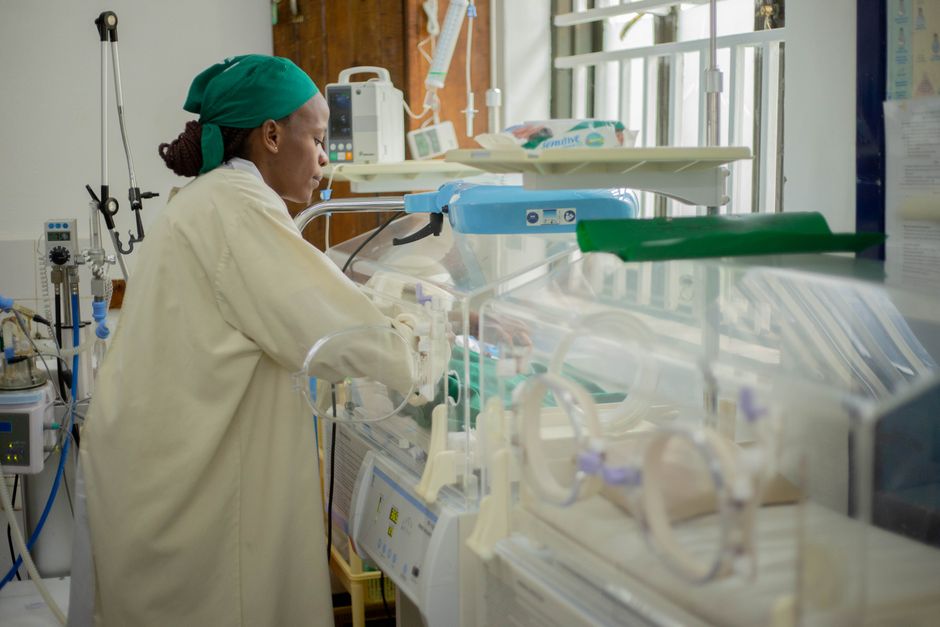
Post-surgical care moves immediately to a dedicated neonatal or pediatric intensive care unit (NICU/PICU), where a multidisciplinary team — cardiac surgeons, pediatric cardiologists, neonatologists, and intensivists — monitors hemodynamics, ventilation, and end-organ perfusion around the clock.
Request telemedicine pre-assessment before traveling
Korean pediatric cardiac centers can review echocardiography images, catheterization reports, and birth records remotely. Confirming candidacy and surgical timing before departure avoids costly travel for a neonate who is not yet surgically stable.
Am I a Candidate?
Neonates referred for cardiac surgery typically fall into one of three urgency categories: emergent (within 24–72 hours of birth), urgent (within the first two weeks), or elective-neonatal (within the first month, before pulmonary hypertension becomes fixed).
Common diagnoses that prompt neonatal surgery include:
- Transposition of the great arteries (TGA) — arterial switch operation usually performed in the first 1–2 weeks
- Hypoplastic left heart syndrome (HLHS) — staged Norwood / Glenn / Fontan palliation pathway
- Critical aortic or pulmonary stenosis requiring open valvotomy or balloon dilation
- Total anomalous pulmonary venous return (TAPVR) with obstruction
- Truncus arteriosus and interrupted aortic arch
- Large VSD or ASD with signs of heart failure not controlled medically
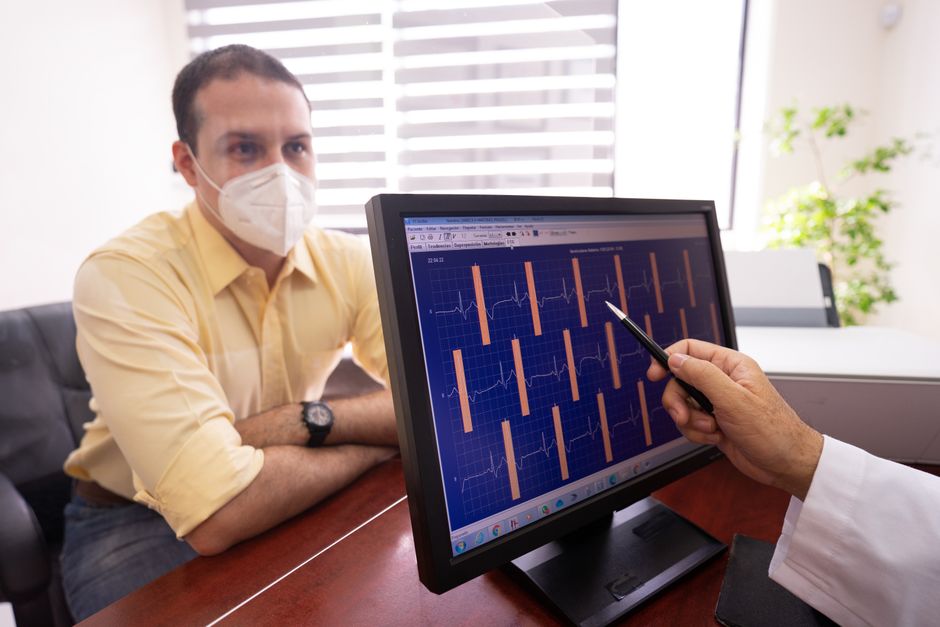
Candidacy is determined by a pediatric cardiologist and cardiothoracic surgeon reviewing echocardiography, cardiac catheterization data (where indicated), and the infant's overall clinical status. Premature infants or those with significant comorbidities (chromosomal syndromes, lung immaturity, sepsis) may need medical stabilization before the surgical window opens.
For international families, a telemedicine pre-assessment with the Korean team — sharing echo images, catheterization reports, and birth records — is typically arranged before travel is confirmed. This step is critical for logistical planning and ensures the team is prepared before arrival.
How the Procedure Works
The surgical approach varies by defect but shares a common framework at Korean pediatric cardiac centers.
Preoperative preparation
- Echocardiography, cardiac CT or MRI for anatomical mapping
- Anesthesia assessment; weight-appropriate drug dosing calculated
- Prostaglandin E1 infusion maintained in duct-dependent lesions until bypass is established
Surgical access
Most neonatal repairs are performed through a midline median sternotomy — a vertical incision through the breastbone. This gives the widest exposure and is standard for complex defects. Minimally invasive access is occasionally used for isolated simpler defects once the infant is older, but not typically for neonatal-stage repairs.
Cardiopulmonary bypass and core cooling
- The surgeon cannulates the aorta and right atrium and connects the bypass circuit
- Core temperature is lowered (often to 18–22°C) to reduce metabolic demand
- The heart is arrested with cardioplegia solution
Intracardiac repair
- The specific defect is corrected: septal patches are placed, great vessels are transposed or reconstructed, valves are repaired or widened, obstructed vessels are opened
- For HLHS, only the first-stage Norwood is performed neonatally; subsequent Glenn and Fontan stages follow at 4–6 months and 2–4 years respectively
Weaning and closure
- Bypass is gradually discontinued; the surgeon assesses cardiac function with intraoperative echocardiography
- The sternum may be left open temporarily (delayed sternal closure) if myocardial edema is anticipated — this is a deliberate, safe practice in complex neonatal cases
- Chest drains are placed; the infant is transferred to NICU on ventilatory support
Recovery Timeline
Neonatal cardiac recovery is measured in weeks, not days, and progresses through distinct phases.
Days 1–5: Immediate post-bypass stabilization
- Ventilator support, vasopressor infusions, continuous cardiac monitoring
- Delayed sternal closure performed at 24–72 hours if the chest was left open
- Diuresis to offload bypass-related fluid accumulation
- Target: stable hemodynamics, improving lactate, urine output
Days 6–14: Extubation and early feeding
- Gradual weaning from ventilator toward extubation
- Introduction of enteral feeding (nasogastric or oral) once gut motility recovers
- Ongoing echocardiographic monitoring of repair integrity and ventricular function
Weeks 3–6: NICU/PICU step-down
- Progressive withdrawal of IV medications; transition to oral cardiac medications
- Weight gain and feeding volume targets become primary discharge criteria
- Developmental assessments begin
Weeks 6–12 and beyond
- Discharge from hospital once feeding, weight gain, and cardiac stability are sustained
- Pre-departure echocardiogram and cardiology clearance required before international travel
- Long-term follow-up (cardiologist visits, repeat echo) continues for years post-repair
Single-ventricle physiology patients (HLHS staged pathway) will require additional surgeries and lifelong specialized cardiology follow-up regardless of where initial surgery is performed.
Cost Breakdown
Neonatal heart surgery cost in Korea varies substantially based on defect complexity, length of NICU stay, and whether single-stage or staged repairs are required. The figures below are approximate USD ranges drawn from publicly available medical tourism data and should be verified directly with the treating center.
What drives cost variation:
- Complexity of the defect (simple VSD closure vs. arterial switch vs. Norwood stage I)
- Duration of cardiopulmonary bypass and deep hypothermic arrest
- Length of NICU stay — this is often the largest single cost driver
- Need for delayed sternal closure, re-exploration, or additional catheter-based interventions
- Implantable materials: patches, conduits, valved homografts
- Interpreter and medical coordination services
Korea's overall cardiac surgery costs are typically 30–60% lower than comparable procedures in the United States or Western Europe, while operating within KHIDI-regulated quality frameworks. MFDS (Ministry of Food and Drug Safety) oversight applies to all medical devices and implants used during surgery, ensuring regulatory consistency.
All estimates below exclude international airfare, family accommodation in Seoul/Gangnam, and domestic transportation. Families should budget separately for parent accommodation in Gangnam-gu or Songpa-gu, near major cardiac centers.
| Item | Typical Cost in Korea (USD) |
|---|---|
| Neonatal open-heart repair (single-stage, e.g. VSD/ASD closure or arterial switch) | $25,000–$45,000 |
| Complex single-ventricle palliation (Norwood Stage I) | $45,000–$65,000 |
| NICU stay (per week, variable by acuity) | $3,000–$8,000 |
| Preoperative cardiac imaging package (CT, MRI, echo) | $1,500–$3,500 |
| Post-discharge outpatient cardiology follow-up visits | $200–$600 per visit |
Why Korea
Korea has built a documented pediatric cardiac surgery infrastructure that is among the most active in Asia. A few reasons international families choose Korean centers for neonatal cardiac care:
Volume and specialization
Leading Seoul centers perform hundreds of pediatric and congenital cardiac surgeries per year. High surgical volume is consistently linked in cardiac surgery literature to better institutional outcomes. Dedicated neonatal cardiac ORs and NICU bays are standard at tertiary centers.
Multidisciplinary team structure
Korea's top cardiac centers integrate pediatric cardiologists, cardiothoracic surgeons, neonatologists, cardiac anesthesiologists, cardiac imaging specialists, and cardiac nurses into a single team. Fetal echocardiography clinics at several Seoul hospitals diagnose more than 200 congenital heart disease cases per year, creating a pipeline where surgical teams know the anatomy before birth.
Regulatory and accreditation framework
- KHIDI (Korea Health Industry Development Institute) sets and monitors quality standards for hospitals treating international patients under the Medical Korea program
- MFDS (Ministry of Food and Drug Safety) governs all medical devices, implants, and pharmaceuticals used in procedures
- The Medical Korea portal (medicalkorea.or.kr) publishes KAHF/KOIHA-accredited facilities, giving families a verified starting point for hospital selection
Cost-effectiveness
Procedure costs in Korea are substantially lower than in the United States or UK without requiring families to compromise on facility technology or surgical team depth. NICU infrastructure — including oscillatory ventilators, continuous renal replacement therapy, nitric oxide delivery — matches international standards at accredited centers.
Geographic access
Seoul is a major hub with direct flights from many African, GCC, and Southeast Asian cities — the primary patient-origin regions for medical tourism to Korea. Gangnam and Songpa districts concentrate the largest academic cardiac centers within a short distance of international-standard accommodation.
Key Takeaways
- Neonatal heart surgery in Korea is performed at high-volume tertiary centers in Seoul under KHIDI-regulated quality standards, with reported short-term cardiac surgery survival rates above 96%.
- Costs typically range from $25,000 to $65,000 USD depending on defect complexity and NICU duration — substantially below comparable US and European pricing.
- Families should plan a Korea stay of 6–12 weeks to cover surgery, NICU stabilization, and mandatory pre-departure cardiac clearance before international travel with a post-operative neonate.
- The Medical Korea portal (medicalkorea.or.kr) and KHIDI accreditation lists are the recommended starting points for verifying hospital credentials — never rely on unverified third-party listings alone.
Frequently Asked Questions
How soon after birth does neonatal heart surgery need to happen?
Timing depends entirely on the defect. Duct-dependent lesions such as transposition of the great arteries typically require surgery within the first 1–2 weeks of life. Other defects allow a slightly wider window of days to weeks. The surgical team determines urgency after echocardiographic diagnosis and clinical assessment.
Can a family fly to Korea with a newborn who needs heart surgery?
This depends on the infant's stability. Some families travel with a medically stable neonate following diagnosis, coordinating directly with the Korean center beforehand. Others have surgery locally to stabilize the infant, then travel to Korea for a subsequent staged procedure. The Korean team's telemedicine pre-assessment helps determine which scenario is appropriate for each case.
What is delayed sternal closure and should families be concerned?
Delayed sternal closure means the breastbone is intentionally left open after surgery and closed 24–72 hours later once myocardial swelling resolves. It is a planned, standard practice in complex neonatal repairs at experienced centers — not a complication. The open chest is fully covered with sterile dressings and the infant remains in the NICU.
Does KHIDI accreditation mean the hospital meets international standards?
KHIDI accreditation means the hospital meets Korean government-defined standards for treating international patients, including quality, safety, and interpreter services. It operates under the Ministry of Health and Welfare. Families can verify accreditation status through the official Medical Korea portal at medicalkorea.or.kr.
Are staged procedures (such as the Norwood pathway for HLHS) all done in Korea, or just the first one?
This is a case-by-case decision made with the surgical team. Some families complete all staged procedures in Korea; others return home between stages and travel back for each subsequent surgery. Korean centers are experienced in both pathways and can coordinate records transfer and pre-surgical imaging for families who travel between stages.
What language support is available at Korean pediatric cardiac centers for international families?
KHIDI-accredited hospitals under the Medical Korea program are required to provide medical interpreter services for international patients. English-language coordination is available at major Seoul centers; Arabic, French, and other languages can typically be arranged through the hospital's international patient department. Confirm interpreter availability for your specific language when booking.
Related Topics
Sources
- Medical Korea — Heart Procedures (Official Portal)
- Fetal echocardiography and congenital heart disease costs in Korea — Frontiers in Pediatrics
- World Database for Pediatric and Congenital Heart Surgery — South Korea participation (PubMed)
- Infantile mortality of important congenital heart defects in Korea — PMC
- Clinical outcomes of neonatal cardiac surgery — tertiary center experience (PMC)
Ready to Begin Your Journey?
Get matched with KAHF-accredited hospitals and receive a personalized treatment plan.
Quick Facts
Typical Cost
$30000 - $80000
Duration
21 days
Accredited Hospitals
0+ Available
Top Hospitals
Medical Information Disclaimer
The information provided on this page about Neonatal Heart Surgery is for general educational and informational purposes only. It is not intended as, and should not be construed as, medical advice, diagnosis, or treatment recommendations.
Always seek the advice of a qualified healthcare professional regarding any medical condition or treatment. Never disregard professional medical advice or delay seeking it because of information found on this website. Individual treatment outcomes may vary. Costs shown are estimates and may differ based on individual circumstances.
KmedTour acts as a medical tourism facilitator and does not provide direct medical services. All treatments are performed by independently accredited healthcare providers in South Korea.