Pediatrics$5000 - $20000⭐ KAHF Accredited Hospitals
Neonatal Care in Korea
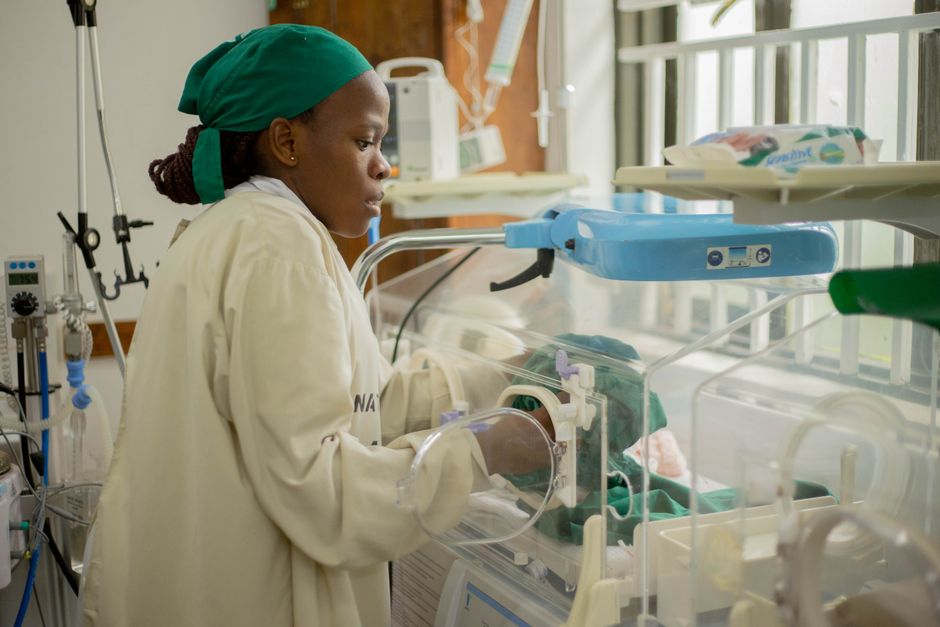
NICU and neonatal surgery services at Korean tertiary hospitals — specialized care for premature infants, congenital conditions, and critically ill newborns.
Quick Answer
- Korea's NICU network spans roughly 100 units nationwide, with the highest density and lowest mortality in Seoul's tertiary hospitals.
- Korean Neonatal Network hospitals have enrolled over 25,600 very low birth weight infants cumulatively, providing a strong data-driven quality benchmark.
- Level III NICUs at Seoul tertiary centers care for infants from as early as 23 weeks gestation, using therapeutic hypothermia, neonatal surgery teams, and maternal-fetal medicine specialists.
- Typical NICU costs in Korea are substantially lower than in the US or Western Europe, though stays for extremely premature infants can still be significant.
At a Glance
| Typical NICU stay | 2–16+ weeks depending on gestational age and diagnosis |
|---|---|
| Care level | Level II–III NICUs at Korean tertiary hospitals; Level III at major Seoul centers |
| Hospital stay | Until infant reaches stable weight and feeding milestones (typically corrected age ~36–40 weeks) |
| Recommended stay in Korea | Duration of NICU admission; family typically stays nearby for daily visitation and care training |
| Recovery | Ongoing developmental follow-up for 2 years post-discharge; early intervention where indicated |
| Typical cost in Korea | Approx. $8,000–$60,000+ USD depending on gestational age, length of stay, and interventions |
Overview
Neonatal intensive care in Korea has developed into one of Asia's most structured systems, anchored by a national Korean Neonatal Network that collects outcomes data from roughly 70–100 participating hospitals each year.
Korean tertiary hospitals offer Level III NICU services — the highest designation — covering care for extremely premature infants, complex congenital anomalies, neonatal surgical conditions, and newborns requiring respiratory or cardiac support.
Seoul's major university-affiliated hospitals lead the system. They combine dedicated neonatology divisions, maternal-fetal medicine, neonatal surgery, and developmental follow-up under one roof.
For international families — particularly those from regions with limited NICU infrastructure — Korean centers offer access to Level III capabilities, neonatal surgical teams, and multi-specialist coordination that may not be available at home.
Plan before delivery whenever possible
Because neonatal emergencies are time-critical, families with high-risk pregnancies achieve the best outcomes by coordinating with a Korean tertiary hospital's international department before the birth — not after. Pre-arranged care pathways reduce delays in admission and specialist mobilization.
Am I a Candidate?
Families who may seek neonatal care in Korea typically include:
- Pregnant women with known high-risk pregnancies (preterm labor before 32 weeks, fetal anomalies detected prenatally, twin-to-twin transfusion syndrome)
- Newborns requiring immediate surgical intervention for congenital conditions (intestinal atresia, diaphragmatic hernia, cardiac defects)
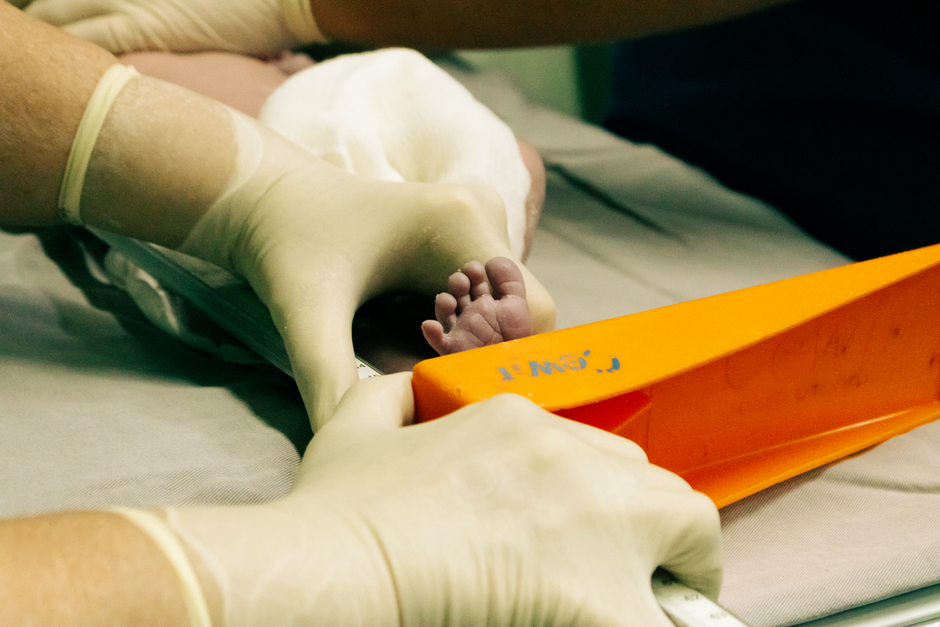
- Infants born very preterm (under 32 weeks) or with very low birth weight (under 1,500 g) who need Level III care
- Newborns with hypoxic-ischemic encephalopathy (HIE) requiring therapeutic hypothermia (cooling therapy)
- Families from regions where local NICU capacity is limited or Level III units are unavailable
- Infants needing neonatal neurosurgery, ophthalmology (for retinopathy of prematurity), or cardiac surgery as part of a coordinated NICU stay
Note: Because neonatal care is time-critical, most planned admissions involve pre-birth transfers or coordination with a Korean hospital before delivery, rather than post-birth international transport.
How the Procedure Works
Care in a Korean Level III NICU follows a structured clinical pathway adapted to each infant's gestational age and diagnosis.
Admission and stabilization
- Initial resuscitation and thermal stabilization in the delivery room or transport incubator
- Respiratory support — ranging from nasal CPAP to high-frequency oscillatory ventilation depending on lung maturity
- Central venous and arterial line placement for monitoring and nutrition
- Comprehensive blood work, imaging (cranial ultrasound, chest X-ray, echocardiography)
Ongoing NICU management
- Total parenteral nutrition transitioning to enteral feeds (breast milk preferred; donor milk where available)
- Surfactant therapy for respiratory distress syndrome in premature lungs
- Infection surveillance and antibiotic stewardship
- Therapeutic hypothermia for eligible HIE infants (33.5°C for 72 hours per international protocol)
- Daily multidisciplinary rounds: neonatologist, neonatal nurse, dietitian, physiotherapist, social worker
Neonatal surgery (when indicated)
- Surgical teams are embedded within or closely linked to major NICU centers
- Common procedures: patent ductus arteriosus ligation, bowel resection, repair of diaphragmatic hernia, gastroschisis closure, VP shunt placement
Transition and discharge preparation
- Oral feeding competency and weight gain milestones must be met
- Family education in infant CPR, feeding, and home monitoring
- Outpatient developmental follow-up schedule arranged before discharge
Recovery Timeline
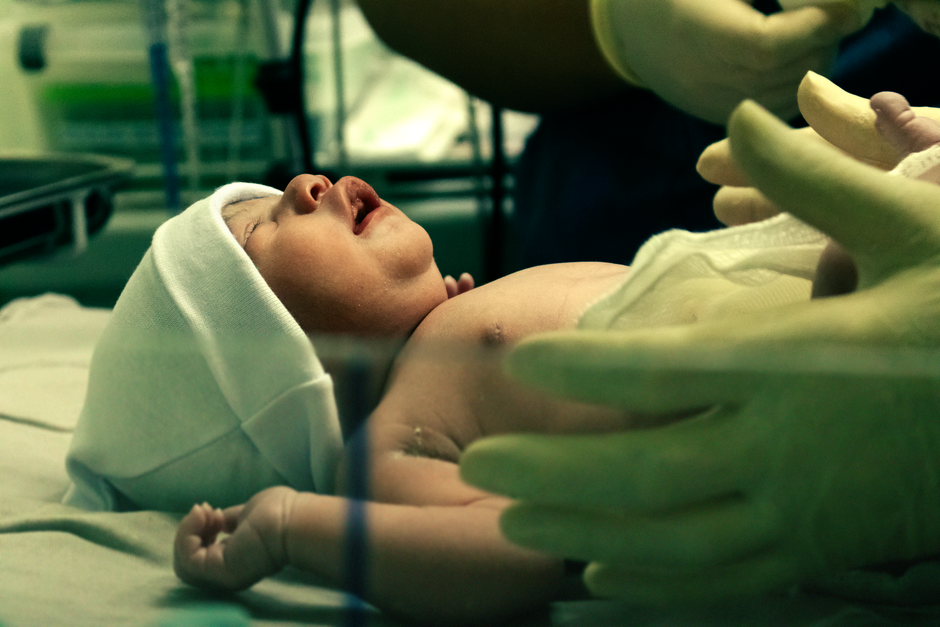
Recovery does not follow a single timeline — it tracks the infant's corrected gestational age and clinical milestones.
Phase 1 — Acute stabilization (days 1–14)
- Respiratory and cardiovascular stability achieved
- Nutrition established via IV then nasogastric feeds
- Surgical procedures, if needed, completed in this window
Phase 2 — Growth and development (weeks 2 through discharge)
- Progressive oral feeding introduction
- Weaning from supplemental oxygen
- Neurodevelopmental monitoring: brain ultrasounds, ophthalmology screening for retinopathy of prematurity
- For extremely premature infants (under 28 weeks), this phase may extend 10–16 weeks
Phase 3 — Pre-discharge (final 1–2 weeks)
- Room-air tolerance confirmed
- Full oral feeding without tube supplementation
- Hearing screen and metabolic screening completed
- Family training completed; home equipment (if needed) arranged
Phase 4 — Post-discharge follow-up
- Developmental pediatrics clinic at 3, 6, 12, and 24 months corrected age
- Physical and occupational therapy referrals where indicated
- For families returning abroad, Korean hospitals can coordinate handover documentation and telemedicine follow-up
Cost Breakdown
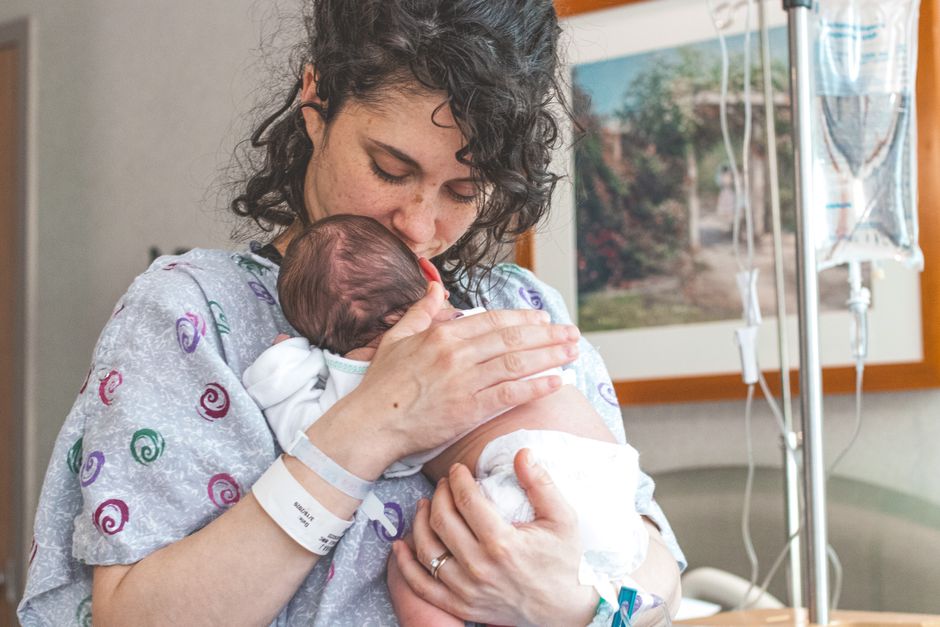
Korean NICU costs are covered in part by the National Health Insurance Service (NHIS) for Korean nationals. For international patients paying out-of-pocket, costs are substantially lower than comparable US or UK private care.
Key cost drivers:
- Gestational age at birth — a 24-week infant requires far more resources than a 34-week infant
- Length of NICU stay — daily bed rates vary by unit designation and interventions required
- Procedures — neonatal surgery, cardiac catheterization, or neurosurgical intervention each add discrete costs
- Specialist consultations — neonatal cardiology, ophthalmology, and neurology consultations billed separately at most centers
Practical note for international families:
Korea's NHIS policy reforms, including zero-deductible incubator admission and raised guaranteed fees, were designed to stabilize hospital economics and improve access. International patients negotiate directly with the hospital's international health department. Most major Seoul tertiary hospitals have dedicated international patient centers that provide itemized estimates prior to admission.
| Item | Typical Cost in Korea (USD) |
|---|---|
| NICU daily bed rate (Level III, tertiary hospital) | $400–$900 |
| Neonatal surgery (moderate complexity) | $5,000–$18,000 |
| Therapeutic hypothermia course (72-hour protocol) | $3,000–$7,000 |
| Total hospitalization — moderately preterm (32–34 weeks, ~3–4 week stay) | $8,000–$22,000 |
| Total hospitalization — extremely preterm (<28 weeks, 12–16 week stay) | $35,000–$80,000+ |
Why Korea
Korea's neonatal infrastructure has grown from a single pioneering unit in the 1950s into a nationally coordinated system backed by government health policy and continuous quality improvement.
Korean Neonatal Network
Korea operates a formal national outcomes registry — the Korean Neonatal Network — that tracks very low birth weight infants across participating hospitals. This kind of systematic data collection drives quality improvement in ways that isolated centers cannot replicate.
Regionalized care and perinatal centers
Korea has regionalized neonatal care so that the highest-acuity infants are routed to Level III centers. Seoul leads in NICU bed density and has the lowest NICU mortality among Korean regions.
Government oversight and accreditation
The Ministry of Food and Drug Safety (MFDS) and KHIDI (Korea Health Industry Development Institute) together govern hospital standards. The Korean Institute for Healthcare Accreditation (KOIHA) runs the domestic hospital accreditation program that tertiary hospitals must meet — a rigorous peer-reviewed standard.
Advanced capabilities at tertiary centers
- Therapeutic hypothermia protocols for HIE
- High-frequency oscillatory ventilation
- Inhaled nitric oxide therapy
- Dedicated neonatal surgery teams
- Retinopathy of prematurity laser treatment on-site
Cost accessibility
For families from countries where private NICU care is either unavailable or costs multiples of what Korean centers charge, Korea offers a genuinely accessible alternative with internationally recognized outcomes data to support the decision.
Key Takeaways
- Korea's Level III NICUs at Seoul tertiary hospitals offer regionalized, data-tracked neonatal intensive care for premature and critically ill newborns at costs significantly below comparable Western facilities.
- The Korean Neonatal Network provides a national outcomes registry covering 70–80% of very low birth weight births annually — a transparency benchmark that supports informed family decision-making.
- Neonatal surgery, therapeutic hypothermia, and retinopathy screening are integrated into major NICU centers rather than requiring separate facility transfers.
- International families should engage a hospital's international patient center early — ideally before delivery — to arrange admissions protocols, cost estimates, and post-discharge follow-up documentation.
Frequently Asked Questions
Can international families bring a premature infant to Korea for NICU care?
It is medically possible but logistically complex. Extremely premature infants are rarely stable enough for international air transport immediately after birth. The more practical path is for high-risk pregnant women to travel to Korea before delivery under the care of a maternal-fetal medicine specialist, then deliver at a tertiary hospital with an attached Level III NICU. Post-stabilization transfers for specific surgical procedures are arranged case-by-case.
How do Korean NICU costs compare to the United States?
US NICU stays can average $70,000 or more for a moderately preterm infant, with complex cases exceeding $500,000. Korean tertiary hospital costs for international patients, while not inexpensive, are typically a fraction of equivalent US private rates. Exact figures depend on gestational age, length of stay, and procedures required; Korean hospitals provide itemized estimates through their international patient departments.
What accreditation standards do Korean NICU hospitals meet?
Korean tertiary hospitals are accredited through the Korean Institute for Healthcare Accreditation (KOIHA), the domestic standard managed under the Ministry of Health and Welfare. KHIDI (Korea Health Industry Development Institute) oversees healthcare industry standards more broadly. These are Korea-specific standards distinct from JCI (Joint Commission International), though several major Korean hospitals also hold JCI accreditation.
Does Korea have neonatal surgeons integrated into NICU centers?
Yes. Major Seoul tertiary hospitals maintain neonatal surgery teams — pediatric surgeons specializing in newborn procedures — in close coordination with NICU teams. Conditions such as congenital diaphragmatic hernia, intestinal atresia, and gastroschisis can be managed surgically within the same facility rather than requiring inter-hospital transport.
What is therapeutic hypothermia and is it available in Korea?
Therapeutic hypothermia (cooling therapy) is a treatment for hypoxic-ischemic encephalopathy (HIE) — brain injury caused by oxygen deprivation around the time of birth. The infant's core temperature is carefully lowered to approximately 33.5°C for 72 hours to limit secondary brain cell death. Korean Level III NICU centers at tertiary hospitals implement this protocol for eligible infants, consistent with international neonatal care guidelines.
What language support is available for non-Korean families in Korean NICUs?
Major Seoul tertiary hospitals listed on the Medical Korea (medicalkorea.or.kr) portal operate international patient centers staffed with medical interpreters and case coordinators. English is the most commonly supported language; Arabic, Chinese, and other languages are available at larger centers. Families should confirm interpreter availability and 24-hour communication protocols before selecting a facility.
Related Topics
Sources
- Moving Forward to Improve Safety and Quality of Neonatal Intensive Care in Korea — PMC
- Regionalization of neonatal intensive care in Korea — PMC
- The Korean Neonatal Network: An Overview — PMC
- Variations in survival outcomes at 22–23 weeks by NICU quality level in Korea — Nature Scientific Reports
- Rising public costs of preterm infant hospitalization in South Korea — Nature Scientific Reports
- Medical Korea — Accredited Hospitals
- KHIDI — Korea Health Industry Development Institute
Ready to Begin Your Journey?
Get matched with KAHF-accredited hospitals and receive a personalized treatment plan.
Quick Facts
Typical Cost
$5000 - $20000
Duration
30 days
Accredited Hospitals
1+ Available
Top Hospitals
Available Cities
Medical Information Disclaimer
The information provided on this page about Neonatal Care is for general educational and informational purposes only. It is not intended as, and should not be construed as, medical advice, diagnosis, or treatment recommendations.
Always seek the advice of a qualified healthcare professional regarding any medical condition or treatment. Never disregard professional medical advice or delay seeking it because of information found on this website. Individual treatment outcomes may vary. Costs shown are estimates and may differ based on individual circumstances.
KmedTour acts as a medical tourism facilitator and does not provide direct medical services. All treatments are performed by independently accredited healthcare providers in South Korea.