Fertility$3000 - $8000⭐ KAHF Accredited Hospitals
Microsurgical TESE in Korea
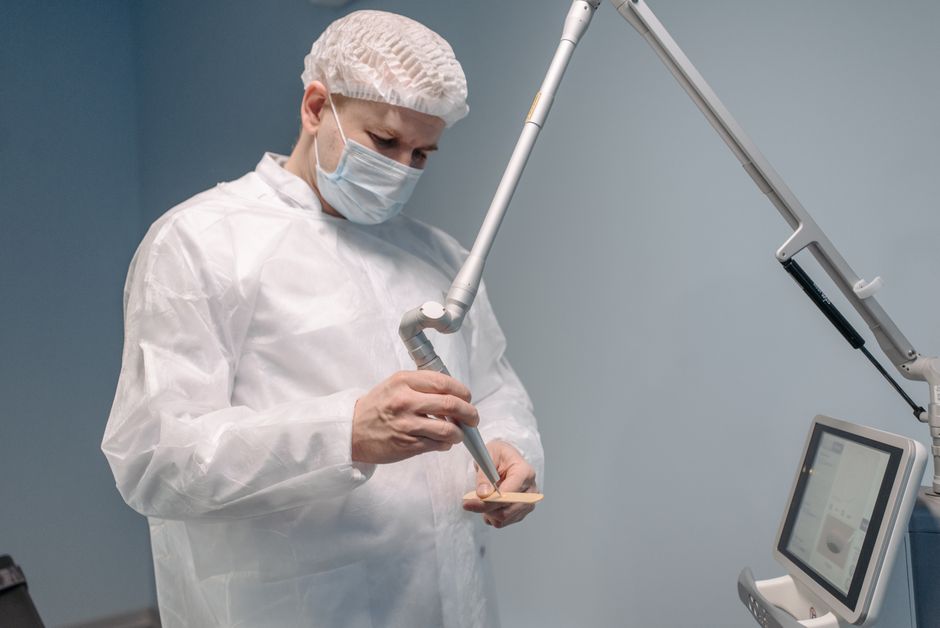
Gold-standard surgical sperm retrieval for non-obstructive azoospermia, performed under high-power operating microscope at Korean urology centers.
Quick Answer
- Micro-TESE uses a surgical microscope at 16–25× magnification to selectively biopsy seminiferous tubules most likely to contain sperm, minimizing testicular damage.
- Retrieved sperm are used with ICSI (intracytoplasmic sperm injection) as part of an IVF cycle — making biological fatherhood possible even in severe azoospermia cases.
- Korea advantage: government-registered urology and andrology centers operate under KAHF accreditation standards, with coordinated fertility teams covering both male and female sides of IVF in one facility.
- Approximate cost in Korea for the surgical retrieval alone ranges $2,500–$5,500 USD, substantially below comparable Western-country pricing.
At a Glance
| Procedure time | 2–4 hours under general or spinal anesthesia |
|---|---|
| Anesthesia | General anesthesia (most common) or spinal block |
| Hospital stay | Same-day discharge; short-stay observation 4–6 hours post-op |
| Recommended stay in Korea | 7–14 days (includes pre-op workup, procedure, embryology coordination, and follow-up) |
| Recovery | Return to light activity in 3–5 days; avoid strenuous activity for 2–4 weeks |
| Typical cost in Korea | $2,500–$5,500 USD (surgical retrieval); full IVF/ICSI cycle adds $4,000–$8,000 |
Overview
Microsurgical testicular sperm extraction — commonly written micro-TESE — is the gold-standard technique for retrieving sperm from men diagnosed with non-obstructive azoospermia (NOA), a condition where the testes produce little or no sperm due to impaired spermatogenesis rather than a physical blockage.
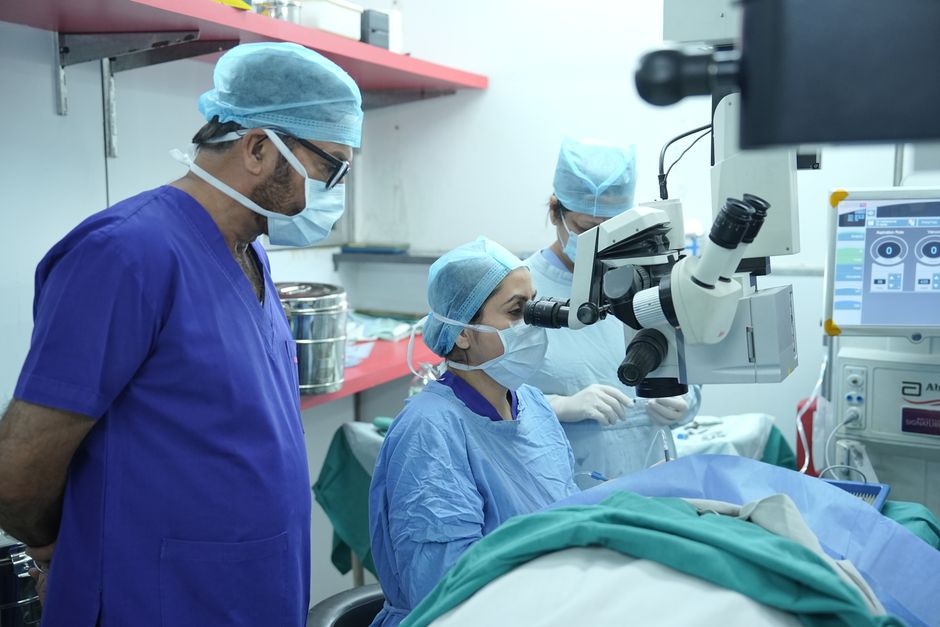
Unlike conventional TESE, which takes multiple blind core biopsies, micro-TESE uses an operating microscope at 16–25× magnification. The surgeon examines the seminiferous tubules directly, looking for subtle visual cues — slight dilation and whitish opacity — that indicate active sperm production. Only those targeted tubules are removed.
This selective approach retrieves sperm while removing far less testicular tissue than conventional biopsy. Sperm retrieval is confirmed by an embryologist in real time in the adjacent lab.
Viable sperm are either used fresh with ICSI the same day as the female partner's egg retrieval, or cryopreserved for a future frozen IVF cycle.
For couples where male-factor infertility has been the barrier to parenthood, micro-TESE combined with ICSI represents the most clinically established surgical pathway currently available.
Coordinate timing with your partner's IVF cycle
Discuss with your Korean fertility center whether fresh or frozen sperm will be used. Same-day retrieval and egg collection requires precise calendar coordination, and some centers prefer a freeze-all approach to reduce scheduling pressure on both sides.

Am I a Candidate?
Micro-TESE is appropriate for men who:
- Have been diagnosed with non-obstructive azoospermia confirmed by semen analysis and hormone evaluation
- Show elevated FSH or LH suggesting primary testicular failure, including conditions such as Klinefelter syndrome, Y-chromosome microdeletion (AZFc), or cryptorchidism history
- Have had prior failed conventional TESE and wish to attempt a more targeted retrieval
- Are planning ICSI-IVF with a female partner or gestational carrier
- Are in reasonable general health to tolerate general or spinal anesthesia
Men with AZFa or AZFb deletions are generally not candidates, as sperm retrieval is extremely unlikely regardless of technique. A genetics consultation and karyotype test are standard before proceeding.
A coordinating urologist or andrologist will review hormone panels (FSH, LH, testosterone), testicular volume, and prior biopsy history before recommending micro-TESE.
How the Procedure Works
The procedure begins with a pre-operative assessment — blood work, hormone profile, semen confirmation, and anesthesia clearance — usually completed 1–2 days before surgery.
On the day of the procedure:
- Anesthesia is administered (general anesthesia is standard; spinal block is used at some centers by patient preference)
- A single midline scrotal incision exposes the tunica albuginea
- The operating microscope is brought to 16–25× magnification
- The surgeon systematically surveys the testicular parenchyma, scanning tubule fields for dilated, whitish seminiferous tubules indicating local spermatogenesis
- Targeted tubule samples — typically small fragments of 2–5 mg — are excised and handed to the waiting embryologist
- The embryologist immediately processes each sample, searching for motile or viable sperm
- Both testes may be examined sequentially if the first yields insufficient sperm
- The tunica albuginea and scrotal layers are closed in anatomical layers
- The entire procedure takes approximately 2–4 hours depending on surgical findings
The patient recovers in a monitored ward for 4–6 hours and is typically discharged the same day with oral analgesics and a scrotal support garment.
Recovery Timeline
Recovery from micro-TESE is generally well tolerated. The selective nature of the dissection limits tissue disruption compared to conventional biopsy.
Days 1–3: Scrotal swelling, bruising, and mild-to-moderate discomfort are expected. Oral pain medication is usually sufficient. Ice packs applied intermittently reduce swelling. Rest and minimal movement recommended.
Days 4–7: Most patients transition to over-the-counter analgesics. Scrotal support garment continues. Short walks are acceptable. Avoid sitting for prolonged periods without a cushioned surface.
Week 2: Swelling subsides significantly. Light desk work or non-physical activities are generally manageable. Driving resumes when pain allows and if not on prescription opioids.
Weeks 3–4: Gradual return to normal activity. Strenuous exercise, cycling, and sexual activity are typically cleared at the 3–4 week post-op mark after surgeon review.
- Follow-up ultrasound or hormone check may be scheduled at 4–6 weeks to confirm testicular recovery
- Testosterone levels are monitored; transient dips post-operatively are expected and typically normalize within 3–6 months
Cost Breakdown
Costs in Korea are quoted in approximate USD ranges and vary by facility type (university hospital vs. private specialist center), whether cryopreservation is included, and the scope of pre-operative testing bundled into the package.
Korean facilities accessed through the Medical Korea portal or KAHF-registered institutions typically offer internationally competitive pricing. International patients are not eligible for Korea's national health insurance (NHIS) subsidy on fertility procedures, so costs reflect private self-pay rates.
The micro-TESE surgical fee itself covers surgeon time, operating room use, anesthesiologist, intraoperative embryology lab support, and basic post-operative care. Sperm cryopreservation, if sperm are frozen for a future cycle, is typically an additional line item.
Budgeting for the full treatment journey — including pre-op diagnostics, the surgical retrieval, ICSI-IVF at a partnered fertility clinic, and potential embryo freezing — is advisable.
Korean fertility centers commonly offer bundled consultation packages for international patients, and coordinators registered under the KHIDI medical tourism framework can assist with logistics and pricing transparency.
| Item | Typical Cost in Korea (USD) |
|---|---|
| Pre-operative workup (hormones, karyotype, semen analysis) | $300–$700 |
| Micro-TESE surgical procedure (OR, surgeon, anesthesia, embryology) | $2,500–$5,500 |
| Sperm cryopreservation (if freezing for future cycle) | $300–$600 |
| ICSI-IVF cycle (if proceeding in same visit) | $4,000–$8,000 |
| International patient coordination & translation | $200–$500 |
Why Korea
Korea's strengths in micro-TESE trace to the structure of its healthcare system and the depth of specialist training in urology and andrology.
Regulatory framework: The Ministry of Food and Drug Safety (MFDS) oversees pharmaceutical and medical device standards used in fertility procedures. The Korea Health Industry Development Institute (KHIDI) administers the Medical Korea program, which registers and evaluates hospitals serving foreign patients.
KAHF accreditation — the Korean Accreditation Program for Hospitals Serving Foreign Patients — applies quality and safety standards across participating institutions.
Integrated fertility teams: Major Seoul medical centers combine andrology, reproductive endocrinology, and embryology under one roof. This means the micro-TESE surgeon and the IVF embryologist coordinate directly, reducing logistical gaps during sperm retrieval and ICSI.
Cost efficiency: Even at private international rates, micro-TESE in Korea is typically priced well below equivalent procedures in North America, the UK, or Australia — without sacrificing equipment quality. Operating microscopes, embryology lab standards, and cryopreservation infrastructure at accredited centers meet internationally recognized benchmarks.
Established infrastructure for international patients: English-language coordination, visa support letters, and dedicated international patient departments are common at Medical Korea-registered fertility centers, reducing friction for patients traveling from Africa, GCC countries, and Southeast Asia.
Key Takeaways
- Micro-TESE is the most targeted surgical sperm retrieval technique for non-obstructive azoospermia, using operating-microscope magnification to protect testicular tissue while maximizing the chance of finding viable sperm.
- Korea's KAHF-accredited, KHIDI-registered fertility centers offer integrated andrology and IVF teams with competitive international pricing, typically 40–60% below North American rates.
- A full micro-TESE journey in Korea — including pre-op workup, surgery, and ICSI-IVF — generally requires a 7–14 day stay; sperm can also be cryopreserved for a future cycle if same-trip IVF is not feasible.
- Genetic screening (karyotype, Y-chromosome microdeletion panel) before booking is essential — results directly determine whether micro-TESE is appropriate and set realistic retrieval expectations.
Frequently Asked Questions
What is the difference between micro-TESE and conventional TESE?
Conventional TESE takes one or more blind core biopsies from the testis without visual guidance, removing relatively large tissue samples. Micro-TESE uses an operating microscope at 16–25× magnification to visually identify and selectively remove only the seminiferous tubules most likely to harbor sperm — typically those that appear slightly dilated and whitish. This selective approach reduces the volume of tissue removed and minimizes disruption to testicular blood supply and hormone-producing Leydig cells.
Will micro-TESE affect my testosterone levels long term?
A transient dip in testosterone is common in the weeks following micro-TESE due to surgical stress on the testicular tissue. In most men this normalizes within three to six months. Because micro-TESE is more tissue-sparing than conventional TESE, the impact on Leydig cell function is generally less than with blind multi-site biopsy. Your Korean urologist will typically schedule a hormone check at four to six weeks post-operatively to monitor recovery.
What happens if no sperm are found during the procedure?
The embryologist examines each tubule sample in real time during surgery, and if one area yields no sperm, the surgeon explores other regions of both testes. If no sperm are found after thorough bilateral exploration, the cycle cannot proceed to ICSI with fresh sperm. Depending on your situation, your team may discuss a repeat micro-TESE later, donor sperm, or adoption. Your coordinator and care team should raise this possibility before the procedure so you have a clear contingency plan.
Can I freeze sperm from micro-TESE for a future IVF cycle rather than doing IVF immediately?
Yes. If viable sperm are retrieved, they can be cryopreserved (frozen) and stored for use in a future IVF-ICSI cycle. This is a common approach for couples who are not yet ready to proceed with IVF, whose female partner needs more preparation time, or who prefer to confirm sperm availability before the female partner begins ovarian stimulation. Korean fertility centers with on-site embryology labs routinely offer sperm cryopreservation as part of the micro-TESE package.
How long do I need to stay in Korea for micro-TESE?
If you are doing micro-TESE only with sperm cryopreservation, a stay of approximately 5–7 days typically covers pre-operative assessment, the procedure, and a brief recovery check before travel. If you are coordinating micro-TESE with a same-trip IVF cycle for your partner, plan for 10–14 days to accommodate both timelines, embryo culture, and transfer if applicable.
Is micro-TESE suitable for men with Klinefelter syndrome?
Men with Klinefelter syndrome (47,XXY) have non-obstructive azoospermia due to primary testicular failure, and micro-TESE is the recommended retrieval approach for those who wish to attempt biological fatherhood. Sperm retrieval is possible in a subset of Klinefelter patients, though success cannot be guaranteed. Genetic counseling before proceeding is strongly advised, as offspring genetic implications and embryo options (including preimplantation genetic testing) should be discussed with your fertility team.
Related Topics
Sources
Ready to Begin Your Journey?
Get matched with KAHF-accredited hospitals and receive a personalized treatment plan.
Quick Facts
Typical Cost
$3000 - $8000
Duration
1 days
Accredited Hospitals
0+ Available
Top Hospitals
Medical Information Disclaimer
The information provided on this page about Microsurgical TESE is for general educational and informational purposes only. It is not intended as, and should not be construed as, medical advice, diagnosis, or treatment recommendations.
Always seek the advice of a qualified healthcare professional regarding any medical condition or treatment. Never disregard professional medical advice or delay seeking it because of information found on this website. Individual treatment outcomes may vary. Costs shown are estimates and may differ based on individual circumstances.
KmedTour acts as a medical tourism facilitator and does not provide direct medical services. All treatments are performed by independently accredited healthcare providers in South Korea.