Transplantation$50000 - $100000⭐ KAHF Accredited Hospitals
Living-Donor Liver Transplantation in Korea
Partial liver graft from a living relative restores function for patients with end-stage liver disease.
Quick Answer
- A living donor liver transplant replaces a failing liver with a portion donated by a living relative; because the liver regenerates, both the transplanted portion and the donor's remainder grow toward normal size within weeks.
- Best candidates have end-stage liver disease from cirrhosis, certain liver cancers within accepted limits, biliary or metabolic disease, or acute liver failure — assessed alongside a suitable, willing, healthy living relative who passes their own full evaluation.
- Both donor and recipient undergo surgery on the same day, coordinated by separate teams; Korean law requires documented proof of family relationship and ethics-committee approval before any living donation can proceed.
- The recipient takes lifelong immunosuppression medication to prevent rejection; arranging a reliable supply and local follow-up before travel is essential, as these medicines must not be interrupted after surgery.
At a Glance
| Procedure type | Two coordinated operations on the same day (donor and recipient) |
|---|---|
| Anesthesia | General anaesthesia for both donor and recipient |
| Hospital stay | ICU followed by transplant ward; pairs typically remain several weeks for follow-up |
| Recommended stay in Korea | Several weeks (individual, team-confirmed) |
| Recovery | Recipient needs lifelong immunosuppression; donor recovers from partial hepatectomy; ongoing follow-up required |
| Cost estimate | Itemised quote required; confirm whether donor surgery is included |
Overview
A living donor liver transplant replaces a failing liver with a portion of a healthy liver donated by a living relative. Korea is internationally recognized for its experience and volume in living-donor liver transplantation, having developed much of its surgical practice in a setting where deceased-donor organs are scarce.
Because the liver regenerates, both the section given to the recipient and the remaining portion in the donor grow toward normal size over the weeks that follow surgery.
This procedure is considered for patients whose liver can no longer perform its essential work because of cirrhosis, certain liver cancers within accepted limits, biliary or metabolic disease, or acute liver failure.
The decision rests on a full assessment of how advanced the disease is, whether other organs are healthy enough to withstand major surgery, and whether a suitable, willing living donor is available.
For patients travelling from Africa, the Middle East, and Asia, Korean transplant centres coordinate the recipient's evaluation alongside the donor's, since the two surgeries are planned together.
The pre-transplant workup typically includes imaging of the liver and its blood vessels, blood typing and cross-matching, infection screening, and review by a multidisciplinary team that includes hepatology, surgery, anaesthesia, and transplant coordination.
A living donor transplant offers the advantage of scheduled, planned surgery rather than waiting for an unpredictable deceased-donor offer.
It is, however, a major operation for two people, and outcomes vary by case depending on the recipient's condition at the time of surgery, the quality of the donor graft, and the recovery that follows.
The care team will explain the specific benefits and risks for your situation before any decision is made.
Ethics-committee approval is mandatory before surgery
Korean transplant law requires documented proof of family relationship and an ethics-committee review confirming the donation is voluntary and unpaid before any living-donor transplant can proceed. This is standard practice — prepare identity documents and relationship proof in advance so the approval process does not delay your admission.
Am I a Candidate?
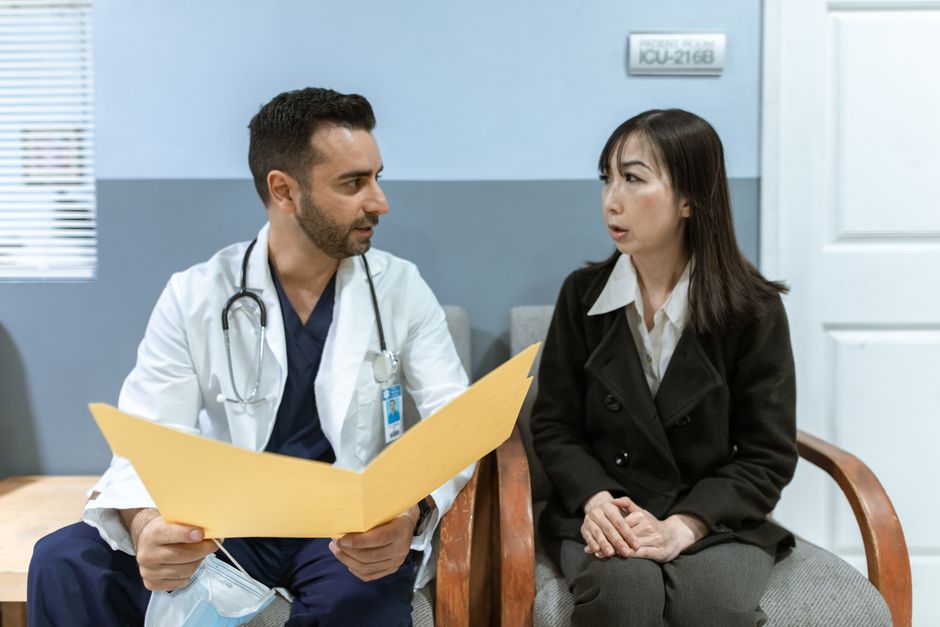
A living liver donor is usually a close family member who is healthy, of suitable age, and has a compatible or workable blood type. Donors undergo their own thorough evaluation, including liver imaging to confirm that the portion remaining after donation will be enough to keep them well.
Conditions such as significant liver disease, uncontrolled medical problems, or certain infections may rule a person out as a donor.
The donor and recipient must travel together and plan their stay as a pair, because both operations are scheduled for the same admission and both people recover under the same transplant team.
Korean transplant law requires a documented relationship between donor and recipient and approval from a hospital ethics committee before surgery can proceed. This safeguards the donor, confirms the donation is voluntary and unpaid, and is a routine, expected part of the process rather than an obstacle.
Be prepared to provide identity documents, proof of family relationship, and consent paperwork that the centre will review.
Recipient candidacy depends on how far the liver disease has progressed, whether any cancer falls within accepted transplant criteria, and whether the heart, lungs, and kidneys can tolerate the surgery. Some patients need treatment to stabilise their condition before they can be listed.
The transplant team makes this assessment individually and will tell you honestly whether transplant is the right path.
How the Procedure Works
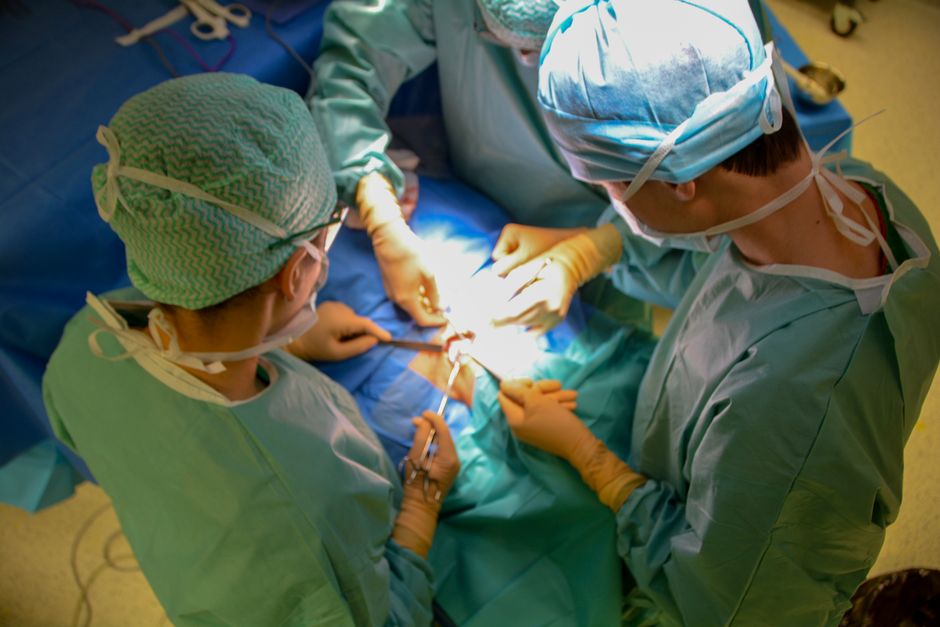
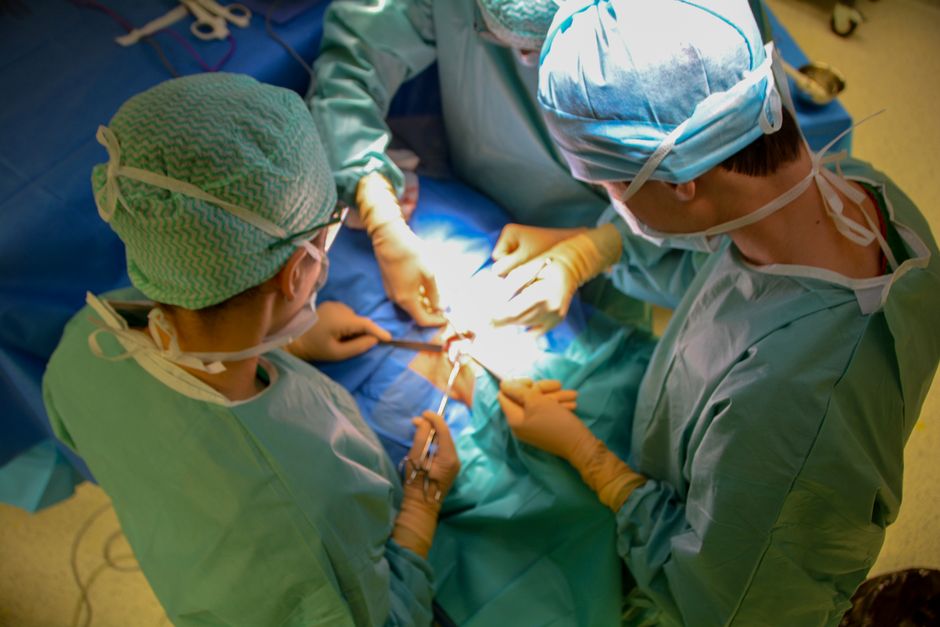
Living donor liver transplant involves two coordinated operations performed by separate surgical teams on the same day. In the donor, surgeons most often perform a right-lobe hepatectomy, removing a portion of the healthy liver while carefully preserving the blood vessels and bile ducts that the remaining liver needs.
The exact portion taken depends on the recipient's size and the anatomy seen on pre-operative imaging.
In the recipient operation, the diseased liver is removed and the donated graft is implanted in its place.
The surgeon connects the graft's blood supply by joining the hepatic artery and portal vein, restores venous outflow to the main vein returning blood to the heart, and reconstructs the bile duct so that bile can drain normally.
These connections are delicate and are the main technical focus of the surgery.
Both operations are lengthy and carried out under general anaesthesia. Throughout, the anaesthesia and surgical teams monitor bleeding, blood pressure, and clotting closely, as these can shift quickly during liver surgery.
Once the graft is in place and blood flow is confirmed, the surgical team checks that the new liver is functioning before closing.
After surgery, both donor and recipient are moved to intensive care or a high-dependency unit for close observation. The recipient's new liver is monitored with blood tests and imaging to confirm good blood flow and early function. The donor's remaining liver is also watched as it begins to regenerate.
The precise surgical plan is tailored to each pair and discussed in detail beforehand.
Recovery Timeline
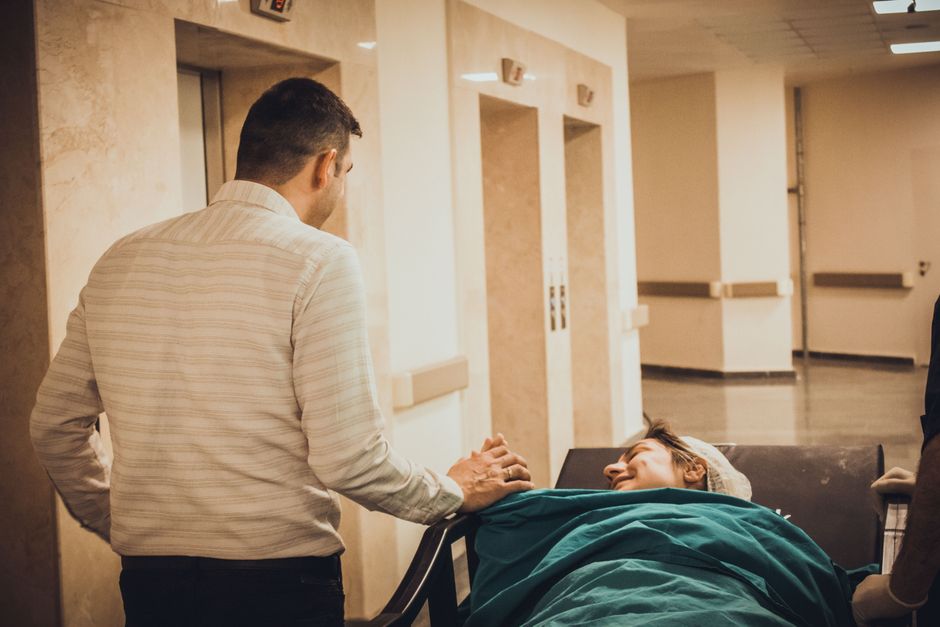
Recovery happens in stages for both the recipient and the donor. Immediately after surgery, the recipient is cared for in an intensive care unit, where breathing, blood flow to the new liver, and overall stability are watched continuously.
Immunosuppression medication, which prevents the body from rejecting the graft, begins right away and is adjusted frequently in these early days based on blood tests.
As the recipient stabilises, they move to a transplant ward where they gradually resume eating, walking, and self-care. The team continues frequent blood tests to track liver function and medication levels, and watches for signs of rejection or infection, both of which are more likely in the first weeks.
The donor typically recovers more quickly, moving from intensive observation to a regular ward and then toward discharge as their remaining liver regenerates and their strength returns.
Many pairs remain in Korea for several weeks after surgery so the team can monitor early recovery before long-distance travel.
Flying home is usually considered only once the recipient's liver function is stable, the surgical wounds have healed well, immunosuppression is settled into a reliable routine, and the team judges the journey safe. This timing is individual and the centre will advise when it is realistic for your case.
After returning home, the recipient needs ongoing follow-up, regular blood monitoring, and lifelong immunosuppression managed in coordination with local doctors. Arranging that local care before travel is strongly encouraged, and the Korean team can provide records to support it.
Cost Breakdown
The price range given for this procedure is an estimate, and the most important question to confirm with the centre is whether it includes the donor's surgery and care.
In many living-donor programmes the donor's operation, hospital stay, and follow-up are bundled into the overall transplant cost, but this is not universal, so ask for an itemised quotation that states clearly what is and is not covered for both donor and recipient.
A full estimate usually covers the recipient's surgery and hospital stay, anaesthesia, intensive care, pre-transplant evaluation for both people, and early post-operative monitoring.
Costs that may fall outside the headline figure include extended hospitalisation if recovery is complicated, treatment of any infection or rejection episode, accommodation during the weeks of follow-up in Korea, and travel for the donor-recipient pair.
One cost that continues well beyond surgery is immunosuppression medication, which the recipient takes for life. These medicines represent an ongoing monthly expense that should be factored into long-term planning, and their availability and price in your home country are worth checking before you travel.
Ask the transplant centre and your local pharmacy what to expect so there are no surprises after you return home.
| Item | Typical Cost in Korea (USD) |
|---|---|
| Recipient surgery, hospital stay, and ICU care | Confirm in itemised quote |
| Donor surgery, hospital stay, and follow-up | Confirm if bundled or billed separately |
| Pre-transplant evaluation — donor and recipient (bloods, imaging, tissue typing) | Often included; confirm |
| Extended hospitalisation for complications | Billed separately |
| Lifelong immunosuppression medication (ongoing, after discharge) | Not included; budget monthly |
Why Korea
Korea has built deep experience in living-donor liver transplantation, and several major transplant centres in Seoul perform this surgery regularly within an established system of safeguards.
The country's hepatobiliary and transplant services are concentrated in large university hospitals that bring together liver specialists, transplant surgeons, anaesthetists, and dedicated transplant coordinators who support international patients through evaluation, surgery, and follow-up.
Organ transplantation in Korea operates under a clear legal and ethical framework. The Ministry of Health and Welfare sets national policy, while KOIHA accredits hospitals and Medical Korea, supported by KHIDI, assists international patients.
KONOS, the Korean Network for Organ Sharing, oversees organ donation and transplantation nationally, including the documentation and ethics-committee approval that living donation requires. These bodies exist to protect donors and recipients and to keep the process transparent.
For patients travelling from Africa, the Middle East, and Asia, this combination of surgical experience and structured oversight offers reassurance that the donor-recipient pair will be assessed and cared for according to consistent national standards.
The centres are accustomed to coordinating with patients who are far from home and can help with the practical steps of planning a transplant abroad.
Key Takeaways
- Living donor liver transplant offers planned, scheduled surgery for a recipient with end-stage liver disease, using a partial graft from a healthy relative whose remaining liver regenerates; both people undergo major surgery on the same day.
- Korean transplant law requires documented family relationship and ethics-committee approval before living donation can proceed — prepare identity and relationship documents well ahead of the planned admission date.
- The recipient requires lifelong immunosuppression medication that must not be interrupted; confirm the availability and cost of these medicines in your home country before travelling, and arrange local follow-up to manage the handover.
- Request an itemised quote stating clearly whether the donor's surgery, hospital stay, and follow-up are included — practice varies between centres, and the total cost covers two people through a complex, multi-week process.
Frequently Asked Questions
Do the donor and recipient need to travel to Korea together, and what visas apply?
Yes. Because both operations are scheduled for the same admission, the donor and recipient travel and stay as a pair. Each person typically needs a medical-treatment visa, and the transplant centre usually issues an invitation or supporting letter for the application. Apply well ahead of the planned surgery date, since the workup and approvals take time, and confirm the exact visa category with the Korean embassy that serves your country.
How are my medical records transferred to the Korean transplant team?
Before travelling, you will be asked to send recent records, including imaging of the liver and its blood vessels, blood typing, infection screening, and reports on your overall health. The centre's international coordination office usually accepts these electronically and may request translations. Sending complete records early lets the team begin evaluating both donor and recipient and reduces delays once you arrive.
Can a family member stay with me during the intensive care period?
Intensive care units have stricter visiting rules than regular wards because the environment is closely controlled to prevent infection, which matters a great deal after a transplant. A companion can usually visit at set times rather than staying continuously, and access expands once you move to a transplant ward. Ask the centre about its specific ICU companion policy so your family can plan accommodation and visits realistically.
Why is approval from an ethics committee required before surgery?
Korean transplant law requires a documented relationship between living donor and recipient and approval from a hospital ethics committee before living donation can proceed. This step confirms that the donation is voluntary, unpaid, and made by a genuine relative, and it protects the donor's interests. It is a standard, expected part of every living-donor transplant rather than a sign of a problem, so prepare identity and relationship documents in advance.
When will I be able to fly home, and what about my immunosuppression?
Flying home is considered only once the recipient's liver function is stable, wounds have healed, and immunosuppression has settled into a reliable routine, which usually means staying in Korea for several weeks of follow-up. Immunosuppression is lifelong and must continue without interruption, so arrange local follow-up and a reliable medication supply at home before you travel. The transplant team will advise when the journey is safe for your case.
Related Topics
Ready to Begin Your Journey?
Get matched with KAHF-accredited hospitals and receive a personalized treatment plan.
Quick Facts
Typical Cost
$50000 - $100000
Duration
21 days
Accredited Hospitals
0+ Available
Top Hospitals
Medical Information Disclaimer
The information provided on this page about Living-Donor Liver Transplantation is for general educational and informational purposes only. It is not intended as, and should not be construed as, medical advice, diagnosis, or treatment recommendations.
Always seek the advice of a qualified healthcare professional regarding any medical condition or treatment. Never disregard professional medical advice or delay seeking it because of information found on this website. Individual treatment outcomes may vary. Costs shown are estimates and may differ based on individual circumstances.
KmedTour acts as a medical tourism facilitator and does not provide direct medical services. All treatments are performed by independently accredited healthcare providers in South Korea.