Orthopedic$25000 - $80000⭐ KAHF Accredited Hospitals
Limb Lengthening in Korea
Cosmetic and reconstructive height-increase surgery in Korea using internal magnetic nails (PRECICE) or external fixation, with structured rehabilitation.
Quick Answer
- Limb lengthening gradually stretches the femur or tibia through controlled bone-cutting and distraction osteogenesis, adding height or correcting length differences.
- Korean clinics commonly use internal magnetic nails (PRECICE) that lengthen the bone with an external remote controller, and external fixator methods such as Ilizarov or LON (lengthening over nail).
- Typical cost in Korea runs roughly $30,000–$60,000 per segment, varying by technique, number of segments, and rehabilitation needs.
- It is a major orthopedic operation with a long recovery measured in months — not a quick cosmetic fix — and demands committed physiotherapy.
At a Glance
| Procedure time | Roughly 2–4 hours per segment (both legs may be staged or same-session) |
|---|---|
| Anesthesia | General anesthesia |
| Hospital stay | About 3–7 days |
| Recommended stay in Korea | Often 2–3 months for the distraction phase and early rehab |
| Recovery | Walking aids for months; full bone consolidation and recovery typically 6–12 months or more |
| Typical cost in Korea | Approximately $30,000–$60,000 per segment (USD) |
Overview
Limb lengthening is a major orthopedic procedure that gradually increases the length of the femur (thigh) or tibia (lower leg).
A surgeon cuts the bone in a controlled way, then the two ends are slowly separated over weeks so new bone forms in the gap — a biological process called distraction osteogenesis.
The technique is used both reconstructively, to correct leg-length discrepancy or deformity, and cosmetically, to increase overall height. Because it reshapes load-bearing bone, it carries more weight than soft-tissue cosmetic surgery.
In Korea, clinics offer several approaches:
- Internal magnetic nails (PRECICE): a telescoping rod placed inside the bone, lengthened with an external remote controller.
- Ilizarov / external fixator: a frame around the limb that gradually distracts the bone.
- LON (lengthening over nail): an external fixator for distraction plus an internal nail for stability.
Each method differs in comfort, scarring, infection risk, and how long external hardware stays on the body.
Plan for a long stay
The distraction phase alone often takes weeks to a few months. Budget for an extended stay in Korea (commonly 2–3 months) plus continued physiotherapy after you return home.
This is major surgery, not a quick fix
Limb lengthening involves cutting load-bearing bone and carries real risks, including nerve, joint, and healing complications. Outcomes vary by individual — be wary of any clinic promising guaranteed height gains.
Am I a Candidate?
Limb lengthening suits adults who understand it is a months-long commitment, not a quick procedure. A surgeon assesses bone quality, general health, and realistic goals before approving anyone.
You may be a candidate if you:
- Have closed growth plates (skeletally mature) and healthy bone
- Seek correction of a leg-length discrepancy, deformity, or post-trauma shortening
- Are pursuing modest cosmetic height gain with realistic expectations
- Can commit to intensive daily physiotherapy and follow-up over many months
- Are in good cardiovascular and metabolic health for major surgery
It may be unsuitable if you:
- Have significant osteoporosis, active infection, or poorly controlled chronic disease
- Smoke heavily, which impairs bone healing
- Cannot dedicate the time and support needed for rehabilitation
- Expect a guaranteed outcome — results vary by individual
A candid consultation should cover the realistic length gain achievable per segment, the risks, and the alternatives, including non-surgical options where appropriate.
How the Procedure Works
Treatment unfolds in distinct phases over several months, not a single operation.
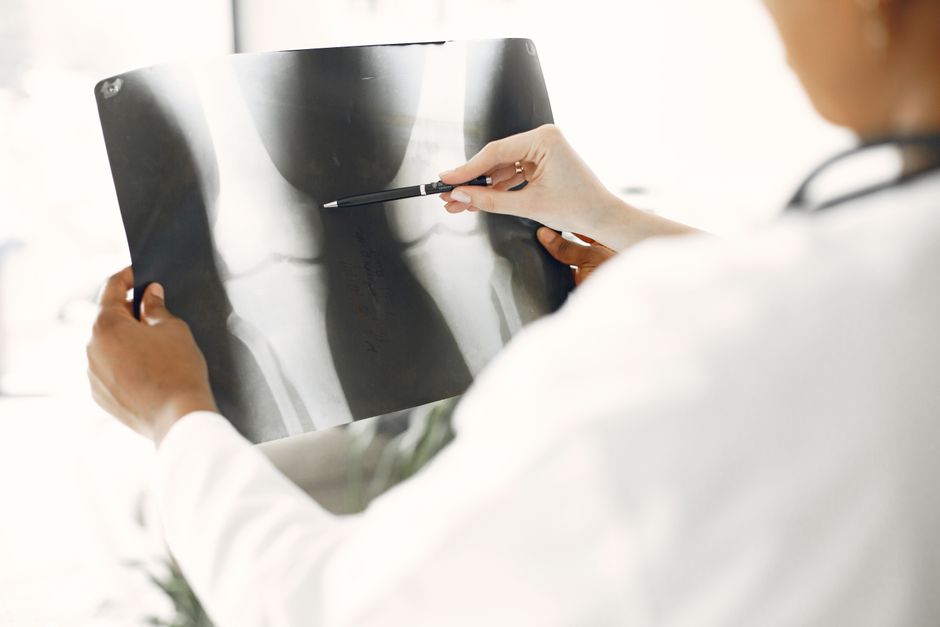
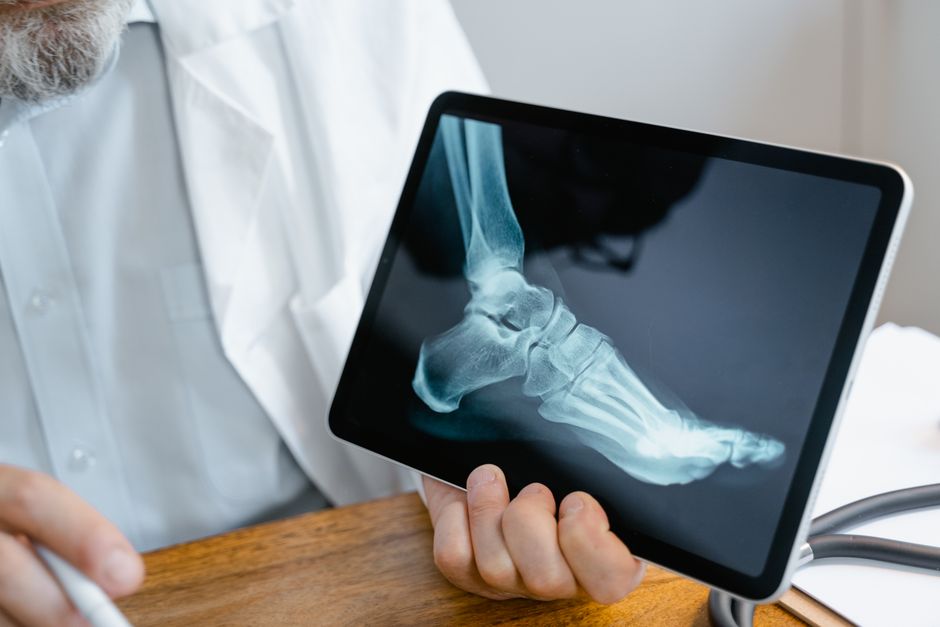
- Consultation and imaging: X-rays and CT scans map the bone, and the surgeon plans the cut site, target length, and technique.
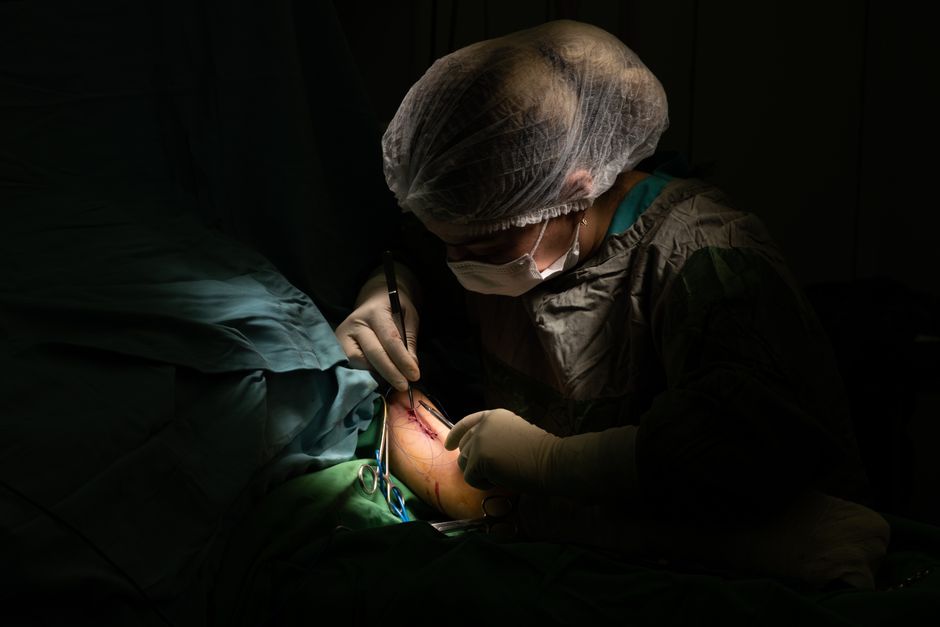
- Surgery (osteotomy): under general anesthesia, the surgeon makes a controlled cut in the bone and places the lengthening device — an internal PRECICE nail or an external fixator, depending on the chosen method.
- Latency: a short waiting period (often around a week) lets early healing begin before lengthening starts.
- Distraction (lengthening): the bone ends are separated a small fraction of a millimetre several times a day. With magnetic nails this is done via an external remote controller; with external fixators by adjusting the frame.
The distraction phase typically continues for weeks to a few months depending on the target gain. Throughout, the surgical team monitors nerves, soft tissue, and the forming bone with regular imaging, and physiotherapy begins early to preserve joint motion and muscle function.
Recovery Timeline
Recovery is gradual and demands patience and consistent rehabilitation.
- Days 1–7 (hospital): pain management, wound care, and the first physiotherapy sessions; hospital stay is roughly 3–7 days.
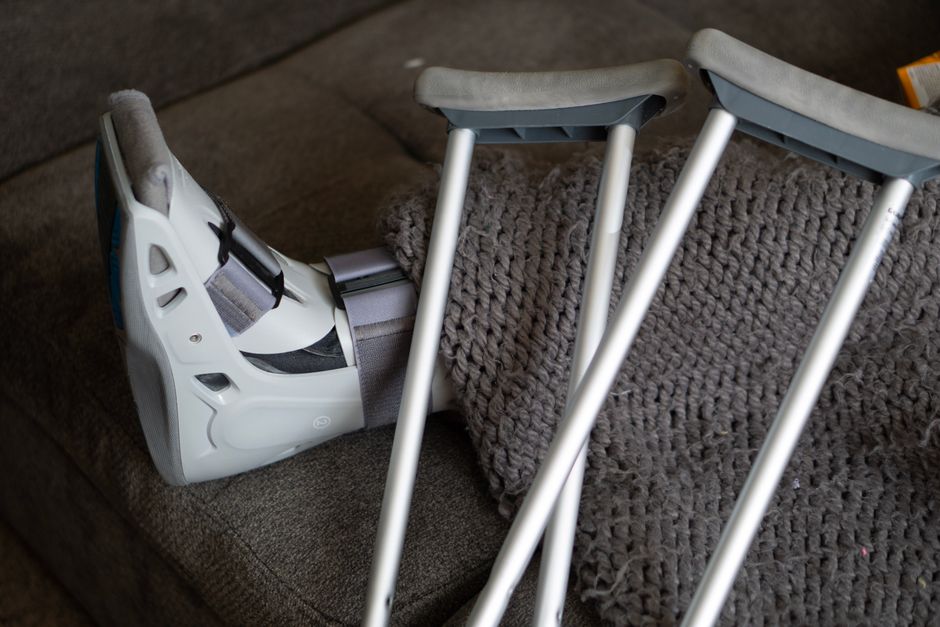
- Distraction phase (weeks to a few months): the bone is lengthened in tiny daily increments; you use crutches or a walker and attend frequent physiotherapy to keep joints mobile.
- Consolidation phase: lengthening stops and the new bone hardens. This usually takes 1.5–2 times longer than the distraction phase, during which weight-bearing is increased gradually under guidance.
- Return to activity: walking unaided returns as bone strengthens; full bone consolidation and recovery commonly takes 6–12 months or more.
Daily physiotherapy is the single biggest factor in a good outcome — it protects range of motion and rebuilds strength. Many patients stay in Korea for the distraction phase and early rehab, then continue structured exercises and follow-up imaging after returning home.
Cost Breakdown
Costs depend heavily on the technique, the number of bone segments treated, and the rehabilitation required. Internal magnetic nail (PRECICE) procedures generally sit at the higher end because of the implanted device, while external fixator methods are often lower.
As an approximate guide, limb lengthening in Korea ranges around $30,000–$60,000 per segment in USD. Treating both legs, or combining femur and tibia, increases the total accordingly.
Factors that move the price:
- Technique chosen (magnetic internal nail vs external fixator vs LON)
- Number of segments lengthened
- Length of hospital stay and intensity of physiotherapy
- Implant removal, if a later operation is needed
- Accommodation and extended stay during the distraction phase
Because this is typically an elective cosmetic procedure, it is usually not covered by insurance. Request a written quote that itemizes surgery, anesthesia, hospital stay, rehabilitation, follow-up imaging, and any future hardware removal so you can compare clinics on a like-for-like basis.
| Item | Typical Cost in Korea (USD) |
|---|---|
| Internal magnetic nail (PRECICE), per segment | $45,000–$60,000 |
| External fixator (Ilizarov), per segment | $30,000–$45,000 |
| Extended physiotherapy / rehabilitation | $2,000–$6,000 |
| Hospital stay (3–7 days) | $1,500–$5,000 |
| Implant removal (later, if needed) | $3,000–$8,000 |
Why Korea
South Korea is a major international medical-tourism destination, drawing over a million foreign patients in a recent year, and Seoul — including the Gangnam district — concentrates many of its specialist clinics and university hospitals.
Reasons patients consider Korea for orthopedic and cosmetic procedures include:
- Advanced surgical technology, including internal magnetic-nail systems and modern imaging for planning and monitoring.
- A regulated healthcare system, with medical devices and drugs overseen by the Ministry of Food and Drug Safety (MFDS).
- Government-backed medical-tourism support through the Korea Health Industry Development Institute (KHIDI) and its Medical Korea initiative, which helps foreign patients find licensed institutions and registered agencies.
- Established international-patient services at larger hospitals, including coordination and interpretation support.
When choosing a provider, verify it is a licensed institution and look for recognized accreditation. Confirm the surgeon's orthopedic experience with your specific technique, and insist on a clear plan for the long rehabilitation that limb lengthening requires.
Key Takeaways
- Korean clinics commonly offer internal magnetic nails (PRECICE) and external-fixator methods (Ilizarov, LON), differing in comfort, scarring, and infection risk.
- Costs run roughly $30,000–$60,000 per segment in USD, varying by technique and number of segments, and are usually not insured for cosmetic cases.
- Recovery is measured in months — distraction, then longer consolidation — with daily physiotherapy the key to a good outcome.
- Verify the institution is licensed (Medical Korea / KHIDI) and the surgeon is experienced with your specific lengthening technique.
Frequently Asked Questions
How much height can limb lengthening add?
The achievable gain varies by individual, technique, and which bone is lengthened, and is decided with your surgeon after imaging. Some patients pursue lengthening of more than one segment over separate stages. Discuss a realistic target during consultation rather than assuming a fixed number, since pushing too far raises the risk of nerve and soft-tissue complications.
Is the internal magnetic nail (PRECICE) better than an external fixator?
Each approach has trade-offs. Internal magnetic nails avoid an external frame, tend to be more comfortable, and can lower infection risk, but cost more. External fixators such as the Ilizarov method are often less expensive but involve a frame on the limb during lengthening. The best choice depends on your anatomy, goals, and your surgeon's recommendation.
How long do I need to stay in Korea?
Many patients remain in Korea for the distraction phase and early rehabilitation, commonly around 2–3 months, then continue structured physiotherapy and follow-up imaging after returning home. Your exact timeline depends on the technique, target length, and how your bone heals, so confirm the plan with your clinic before booking travel.
Is limb lengthening painful and risky?
It is a major operation, so discomfort during recovery and rehabilitation is expected and managed with medication and physiotherapy. Risks include nerve irritation, joint stiffness, delayed bone healing, and infection, especially with external fixators. A thorough consultation should explain these risks and the rehabilitation commitment so you can make an informed decision.
Is limb lengthening covered by insurance in Korea?
Cosmetic limb lengthening is an elective procedure and is generally not covered by insurance. Reconstructive cases for genuine length discrepancy or deformity may be handled differently, but you should assume out-of-pocket payment for cosmetic height increase and request a fully itemized quote covering surgery, hospital stay, rehabilitation, and any later hardware removal.
Sources
Ready to Begin Your Journey?
Get matched with KAHF-accredited hospitals and receive a personalized treatment plan.
Quick Facts
Typical Cost
$25000 - $80000
Duration
180 days
Accredited Hospitals
1+ Available
Available Cities
Medical Information Disclaimer
The information provided on this page about Limb Lengthening is for general educational and informational purposes only. It is not intended as, and should not be construed as, medical advice, diagnosis, or treatment recommendations.
Always seek the advice of a qualified healthcare professional regarding any medical condition or treatment. Never disregard professional medical advice or delay seeking it because of information found on this website. Individual treatment outcomes may vary. Costs shown are estimates and may differ based on individual circumstances.
KmedTour acts as a medical tourism facilitator and does not provide direct medical services. All treatments are performed by independently accredited healthcare providers in South Korea.