Eye Care$1500 - $4000⭐ KAHF Accredited Hospitals
LASIK Eye Surgery in Korea
Permanent laser vision correction in Korea — both eyes treated in one session, next-day follow-up, fly home in 3 days.
Quick Answer
- Femtosecond + excimer lasers reshape the cornea in under 1 minute of active laser time per eye
- Both eyes treated in one session — vision typically clears within hours of surgery
- 3-day Korea stay covers screening, surgery, and next-day healing confirmation before you fly
- $1,500–$4,000 USD for both eyes, including pre-op scans, surgery, initial medications, and early follow-up
At a Glance
| Procedure time | Under 15 minutes per eye (laser active < 1 minute) |
|---|---|
| Anesthesia | Topical anesthetic eye drops — no injections, no sedation |
| Hospital stay | Outpatient — discharged same day |
| Recommended stay in Korea | 3 days (surgery + next-day check + clearance to fly) |
| Recovery | Vision usable within hours; full stabilization over 1–3 months |
| Typical cost in Korea | $1,500–$4,000 USD (both eyes, all-inclusive) |
Overview
LASIK (Laser-Assisted In Situ Keratomileusis) corrects the way light focuses on the retina by precisely reshaping the cornea — the eye's clear front surface. The result is sharper vision with reduced or eliminated dependence on glasses and contact lenses.
The procedure addresses myopia (near-sightedness), hyperopia (far-sightedness), and astigmatism. A femtosecond laser creates a thin corneal flap; an excimer laser then reshapes the tissue beneath; the flap is repositioned and heals without stitches.
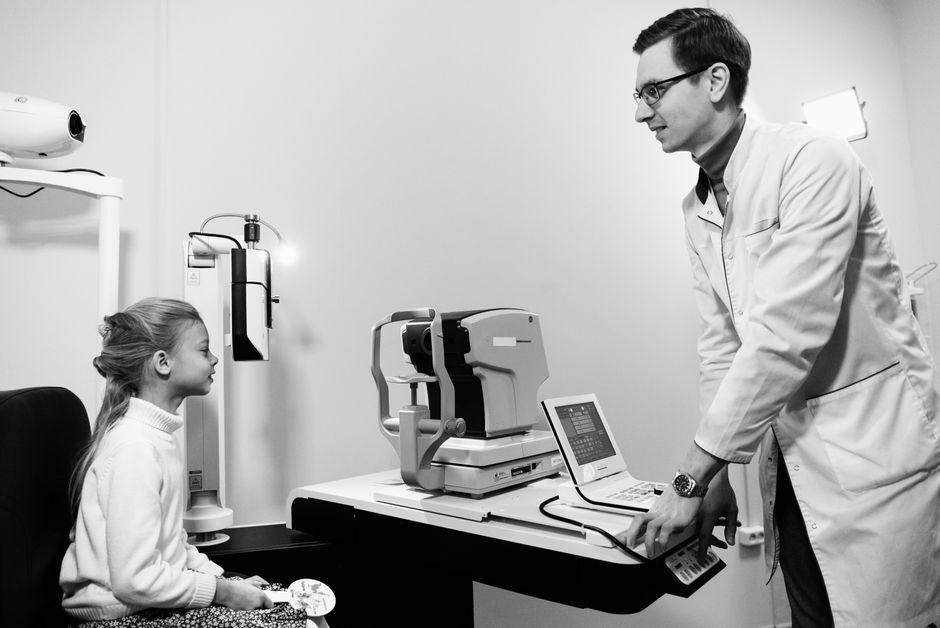
Korean clinics integrate corneal topography and wavefront scanning before treatment. These maps personalise the laser pattern to each eye's unique optical imperfections — going beyond a standard prescription.
The technology combination — femtosecond flap creation plus wavefront-guided excimer ablation — is the current international benchmark. Published outcomes consistently show 95%+ of patients achieving 20/20 or better visual acuity after treatment.
A typical medical visit for LASIK in Korea spans 3 days: pre-op screening on arrival, surgery early in the stay, next-day follow-up to confirm healing, then clearance to travel home.
Book your pre-op scan on arrival day
Korean clinics typically schedule the comprehensive corneal mapping on the same day you arrive, so screening results are ready before you commit to surgery the following morning. Confirm this sequence when arranging your visit.
Thin corneas don't disqualify you from laser correction
If LASIK is not suitable due to corneal thickness, ask your Korean ophthalmologist about PRK/LASEK or implantable collamer lenses (ICL) — both are widely available in accredited Korean facilities and can achieve similar visual outcomes.
Am I a Candidate?
LASIK suits adults whose refractive prescription has been stable for at least one year. Stable prescription means the correction needed for glasses or contacts has not changed significantly over that period — typically confirmed by comparing two consecutive annual eye exams.
Healthy eyes with no active infection are a prerequisite. Candidates should not have significant dry eye syndrome, as LASIK can temporarily reduce tear production. Keratoconus — a condition that progressively thins and distorts the cornea — is a contraindication.
Corneal thickness is the most critical physical factor. The laser removes corneal tissue, so sufficient thickness must remain after the procedure for structural integrity. Candidates with thin corneas are typically redirected to surface-based procedures (PRK/LASEK) or implantable lens options rather than LASIK.
Pregnancy and breastfeeding postpone treatment because hormonal changes can temporarily shift refractive error, making the outcome less predictable.
Very high refractive errors — extreme myopia or hyperopia beyond a certain dioptre range — may exceed what LASIK can safely correct. Korean clinics assess these cases individually, often proposing lens-based alternatives such as implantable collamer lenses (ICL).
A comprehensive pre-op assessment at your chosen Korean clinic will confirm suitability before any commitment is made.
How the Procedure Works
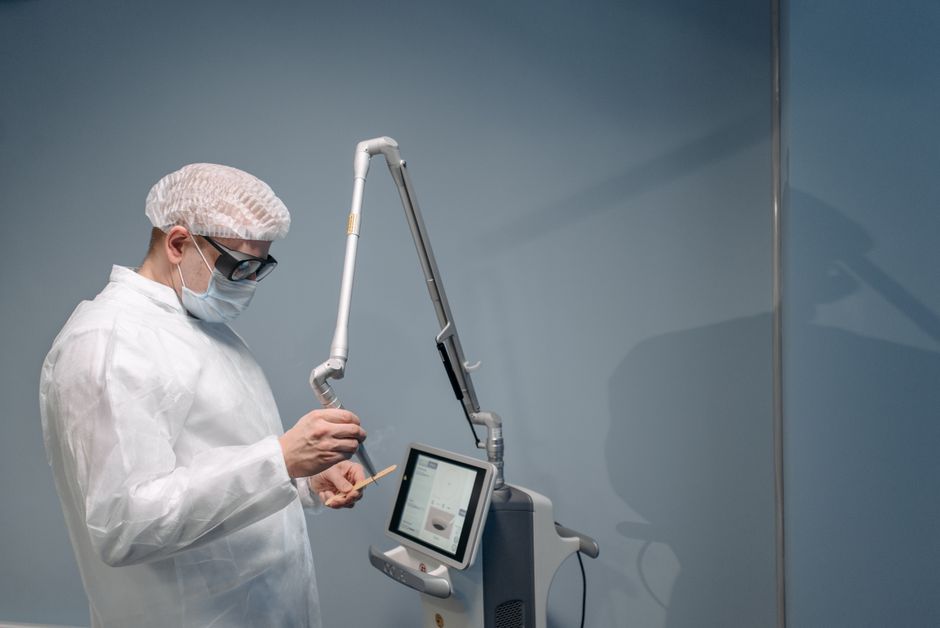
On the day of surgery, anesthetic eye drops are instilled — there are no injections. A lid speculum gently holds the eye open. The femtosecond laser (or, at some facilities, a precision mechanical microkeratome) creates a thin hinged flap in the outer cornea. The flap is carefully lifted aside.
The excimer laser is then positioned over the eye. Using the wavefront or topography-guided map created during pre-op scanning, it removes microscopic amounts of corneal tissue in a precise pattern calibrated to your individual refractive error. Active laser time is typically under 60 seconds per eye.
Once reshaping is complete, the surgeon repositions the flap. It adheres naturally through the cornea's own bonding mechanism — no sutures are needed. The procedure is then repeated for the second eye in the same session.
The entire appointment, from preparation to discharge, usually lasts one to two hours. Most patients note improved vision before they leave the clinic.
Recovery Timeline
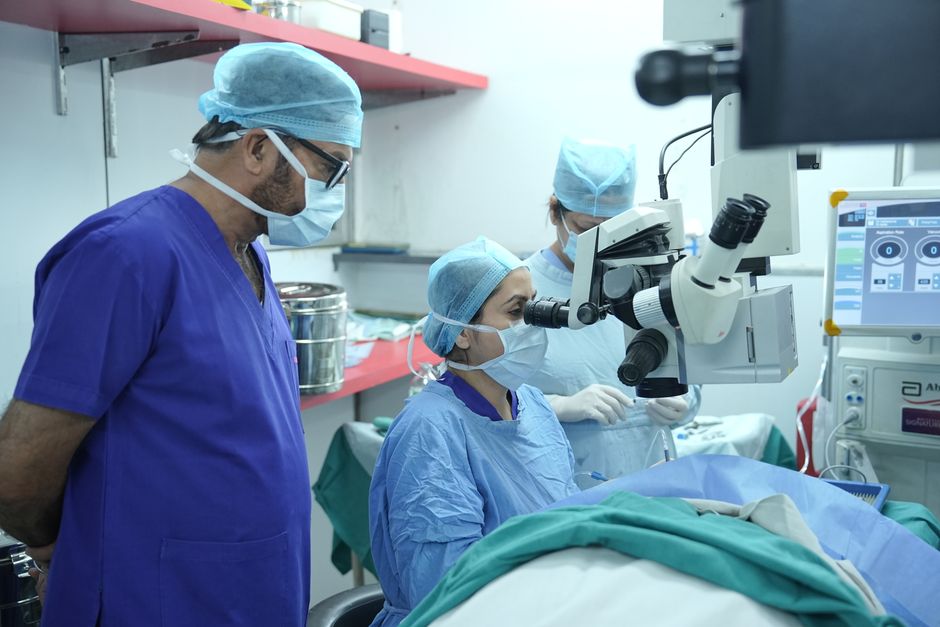
Vision begins clearing within hours of surgery. Most patients can see well enough to navigate independently by the evening of their procedure day.
Day 1 (the morning after): a follow-up appointment confirms the corneal flap has adhered correctly and healing is on track. This check is mandatory before flying is permitted. Mild grittiness, a watery sensation, and light sensitivity on this day are normal and expected.
Days 2–3: most patients are cleared to travel. Lubricating eye drops and a short course of antibiotic drops accompany recovery. These protect the healing cornea and maintain comfort during the drier conditions of long-haul flights.
Weeks 1–4: avoid rubbing the eyes, swimming, contact sports, and environments with dust or chemical fumes. Fluctuating vision during this window is common and resolves as the cornea stabilises.
Months 1–3: vision continues to sharpen as the cornea fully heals. Final visual outcome is typically assessed at the three-month mark. The structural reshaping achieved by LASIK is permanent — the corneal contour does not revert.
Cost Breakdown
LASIK in Korea is priced per treatment (both eyes) and typically includes several components in one quoted figure: pre-operative corneal topography and wavefront scanning, the surgical procedure itself, initial prescription eye drops (lubricants and antibiotics), and the next-day post-operative follow-up.
The quoted range — $1,500 to $4,000 USD — reflects variation in laser platform, clinic tier, and whether wavefront-guided (customised) or standard treatment is selected. Wavefront-guided procedures carry a modest premium but offer personalised correction.
This pricing is substantially below comparable procedures in the United States, United Kingdom, and Australia when equivalent technology is compared directly.
Budget separately for international travel costs: return flights, accommodation for the 3-day stay, daily expenses, and a contingency for any extended follow-up if recommended by your surgeon.
Note that LASIK is generally not covered by travel insurance as an elective procedure. Confirm your clinic's policy on enhancement procedures (touch-up corrections) should a small residual refractive error remain after healing.
| Item | Typical Cost in Korea (USD) |
|---|---|
| Standard LASIK (both eyes) | $1,500–$2,200 |
| Wavefront-guided LASIK (both eyes) | $2,200–$4,000 |
| Pre-op corneal topography + wavefront scan | Typically included |
| Prescription eye drops (lubricants + antibiotics) | Typically included |
| Next-day follow-up appointment | Typically included |
Why Korea
Korea's ophthalmology sector operates under oversight from the Ministry of Health and Welfare (MOHW), the Korea Health Industry Development Institute (KHIDI), and accreditation frameworks administered through KOIHA. These bodies set standards for facilities treating international patients.
Femtosecond and excimer laser systems are the default across accredited Korean eye clinics — not premium add-ons. High procedure volumes within specialised facilities mean surgeons accumulate experience at a pace uncommon in lower-volume markets.
Korean eye clinics catering to international patients maintain English-speaking coordination teams. Pre-operative assessments, surgical consultations, and discharge instructions are provided in English, with translation support for Arabic, Mandarin, and other languages at select centres.
Programmatic quality controls — mandatory pre-op scanning, standardised post-op protocols, and required follow-up before travel clearance — align Korean LASIK practice with the highest international benchmarks.
For patients travelling from Africa, the GCC, or Southeast Asia, Korea represents a reachable destination combining competitive pricing, verified facility standards, and tourism infrastructure that supports short medical stays.
Key Takeaways
- LASIK uses femtosecond + excimer lasers to permanently reshape the cornea — active laser time is under 1 minute per eye
- A 3-day Korea stay is standard: pre-op screening, surgery, next-day healing check, then cleared to fly
- Both eyes are corrected in a single outpatient session under anesthetic eye drops — no injections or overnight admission
- Corneal thickness determines suitability; thin-cornea candidates have alternative laser or lens-based options at Korean clinics
Frequently Asked Questions
Is LASIK painful?
No. Anesthetic eye drops numb the eye completely before the procedure begins. Patients typically report mild pressure during flap creation but no pain. A gritty, watery sensation on the day after surgery is normal and fades within 24–48 hours.
Can I fly home after LASIK in Korea?
Yes — after the mandatory next-day follow-up confirms the corneal flap has healed correctly. Korean clinics will not clear you to fly until this check is completed. The 3-day stay schedule is specifically designed to fit this requirement, including the return travel day.
Does corneal thickness affect whether I qualify?
Yes, it is the most critical physical factor. The excimer laser removes corneal tissue, and a safe minimum thickness must remain after surgery. If your corneas are too thin for LASIK, your surgeon will discuss PRK, LASEK, or ICL as alternatives — all are performed at accredited Korean clinics.
Are both eyes corrected on the same day?
Yes. Both eyes are treated in a single session in the same appointment. The procedure is performed sequentially — first one eye, then the other — with the total appointment typically lasting one to two hours.
Is the corneal reshaping permanent?
Yes. The laser permanently alters the corneal contour, and the tissue does not revert. Vision may shift slightly in later decades due to age-related changes unrelated to the LASIK procedure itself, such as presbyopia or cataract development.
What oversight do Korean eye clinics operate under?
Facilities treating international patients are regulated by South Korea's Ministry of Health and Welfare and the Korea Health Industry Development Institute (KHIDI). KOIHA accreditation applies additional quality standards specifically for internationally certified medical institutions.
Related Topics
Sources
Ready to Begin Your Journey?
Get matched with KAHF-accredited hospitals and receive a personalized treatment plan.
Quick Facts
Typical Cost
$1500 - $4000
Duration
3 days
Accredited Hospitals
2+ Available
Available Cities
Medical Information Disclaimer
The information provided on this page about LASIK Eye Surgery is for general educational and informational purposes only. It is not intended as, and should not be construed as, medical advice, diagnosis, or treatment recommendations.
Always seek the advice of a qualified healthcare professional regarding any medical condition or treatment. Never disregard professional medical advice or delay seeking it because of information found on this website. Individual treatment outcomes may vary. Costs shown are estimates and may differ based on individual circumstances.
KmedTour acts as a medical tourism facilitator and does not provide direct medical services. All treatments are performed by independently accredited healthcare providers in South Korea.