Cancer$15000 - $30000⭐ KAHF Accredited Hospitals
Laparoscopic Colorectal Cancer Surgery in Korea
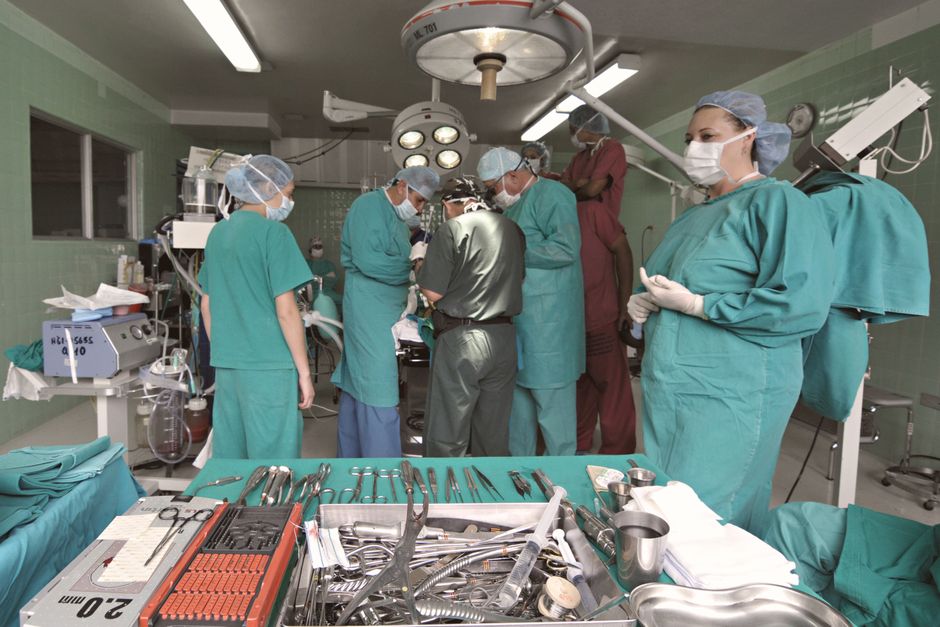
Minimally invasive colorectal cancer resection in South Korea, where over 84% of cases use minimally invasive techniques.
Quick Answer
- South Korea performs colorectal cancer surgery at world-leading minimally invasive adoption rates — over 84% of all cases used MIS techniques by 2023.
- Laparoscopic resection means 3–5 small incisions, shorter hospital stays (average ~11 days vs ~14 for open), and faster return to normal activity.
- Approximate cost range for international patients: $18,000–$45,000 USD depending on cancer stage, resection extent, and hospital tier.
- Korea's nationwide colorectal surgery volume exceeded 109,000 resections over five years (2019–2023), underpinning deep surgical specialization.
At a Glance
| Procedure time | 2–5 hours (varies by resection type and complexity) |
|---|---|
| Anesthesia | General anesthesia |
| Hospital stay | 8–14 days (average ~11 days for laparoscopic approach) |
| Recommended stay in Korea | 4–6 weeks (includes pre-op workup, surgery, initial recovery, and follow-up) |
| Recovery | Light activity in 3–4 weeks; full recovery 6–12 weeks depending on extent of resection |
| Typical cost in Korea | Approx. $18,000–$45,000 USD (see cost breakdown) |
Overview
Laparoscopic colorectal cancer surgery is a minimally invasive approach to removing cancerous sections of the colon or rectum.
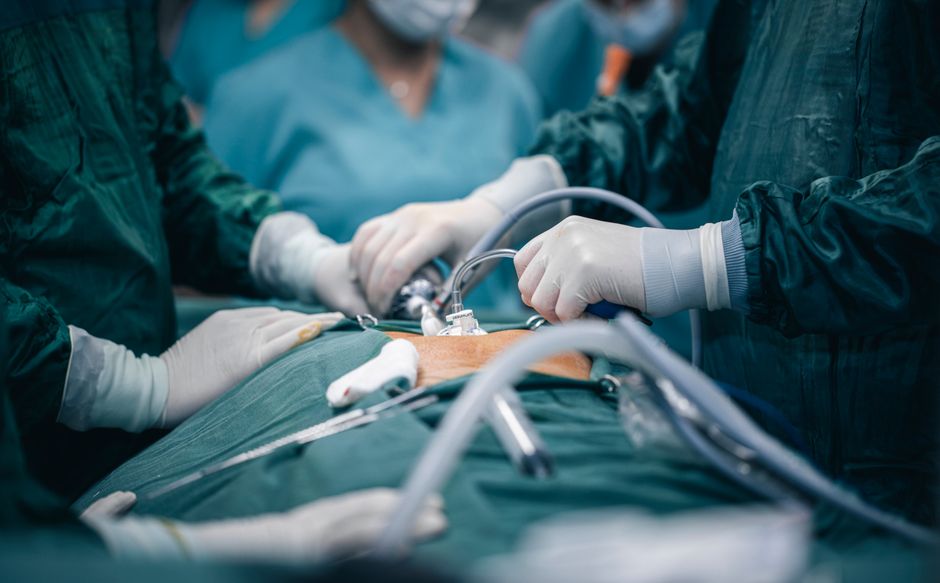
Instead of a large open incision, the surgeon works through 3–5 small ports using a high-definition camera and long-handled instruments. This reduces blood loss, lowers infection risk, and shortens the time a patient spends in hospital.
Robotic-assisted variants are also available at major Korean cancer centers, offering enhanced instrument articulation — particularly valuable for narrow-pelvis rectal surgery.
Korea is one of the global leaders in this field. By 2023, minimally invasive surgery accounted for over 84% of all colorectal cancer resections performed nationwide, according to a nationwide Korean health insurance database analysis covering 2019–2023. Laparoscopic techniques alone made up over 71% of all resections during that period.
The Korean Laparoscopic Colorectal Surgery Study Group — established in 2000 — has driven standardization of technique and training across the country for more than two decades.
Bring complete staging records from home
Arrive with your pathology report, colonoscopy images, CT/MRI/PET scans, and any prior surgical records. Korean hospitals can repeat staging if needed, but bringing complete records lets your care team triage faster and reduces pre-op costs.

Am I a Candidate?
Not every patient is an immediate candidate for the laparoscopic approach. Your care team will evaluate several factors before recommending the surgical route.
Typically suitable for: - Stage I–III colon or rectal cancer without extensive local invasion - Patients with adequate cardiopulmonary reserve for general anesthesia - BMI within a manageable range for laparoscopic access - Cases without extensive prior abdominal surgery (though prior surgery is not an automatic exclusion)
Factors that may favor open or robotic conversion: - T4 stage tumors with invasion into adjacent structures - Tumor-related bowel obstruction at presentation - Significant adhesions from prior pelvic or abdominal operations - Rectal cancers in a narrow bony pelvis (where robotic assistance is often preferred)
Korean research data identifies prior abdominal surgery, obstruction, and advanced T-stage as the main predictors of laparoscopic-to-open conversion. Your surgeon will discuss the realistic probability of conversion before the procedure.
How the Procedure Works
Before surgery
Your care team will complete staging scans (CT, MRI, and/or PET-CT), colonoscopy review, and anesthesia evaluation. Bowel preparation is typically performed the day before. Blood and cardiac tests are standard.
The operation
With general anesthesia established, the abdomen is inflated with carbon dioxide gas to create working space. A laparoscope (thin camera) is inserted through the first small incision.
The surgeon dissects the mesentery — the tissue carrying blood supply and lymph nodes — following Total Mesorectal Excision (TME) principles for rectal cancers, or complete mesocolic excision (CME) for colon tumors. These oncological dissection standards are central to Korean colorectal surgical practice.
The diseased bowel segment is removed through a small extraction incision, usually extended slightly from one port site. The healthy bowel ends are then reconnected (anastomosis), often using a stapling device.
Stoma considerations
Some patients — particularly those with low rectal cancers or those receiving neoadjuvant chemoradiation — may require a temporary protective stoma (loop ileostomy), which is typically reversed at a second operation 2–3 months later.
After surgery
Enhanced Recovery After Surgery (ERAS) protocols are standard at Korean cancer centers, encouraging early mobilization, optimized pain management, and early oral nutrition to shorten recovery.
Recovery Timeline
Recovery follows a predictable pattern for most patients, though individual experience varies with age, cancer stage, and fitness.
Hospital phase (Days 1–11 average) - Day 1–2: Intravenous fluids, pain management, first mobilization with nursing support - Day 2–3: Clear liquids begin; drain and catheter removal initiated - Day 4–6: Soft diet progresses; most patients walking the corridors - Day 7–11: Discharge planning; stoma education if applicable
Early post-discharge (Weeks 2–4) - Short walks daily; avoid lifting >5 kg - Bowel habits normalize gradually — irregular frequency is expected initially - Wound checks and staple/suture removal at outpatient clinic - This period is why a 4–6 week total stay in Korea is recommended for international patients
Return to normal activity (Weeks 4–12) - Light desk work: typically week 4–6 - Driving: once off prescription pain medication and cleared by your surgeon - Full physical activity: 8–12 weeks - Adjuvant chemotherapy (if recommended) usually starts 4–6 weeks post-surgery
Longer-term follow-up - Regular oncology surveillance (CT scans, CEA blood marker, colonoscopy) continues for 3–5 years - Your Korean care team will prepare a detailed follow-up plan with recommendations for your home-country oncologist
Cost Breakdown
Costs for international patients depend on cancer stage, type of resection, hospital tier, and whether robotic assistance is used.
Approximate total package range: $18,000–$45,000 USD
This range encompasses the full inpatient episode — surgery, anesthesia, hospital stay, pathology, and routine post-operative care. It does not include pre-operative staging scans if done in Korea, adjuvant chemotherapy, or return flights.
Domestic data anchors pricing. A 2025 Korean health insurance database study covering 34,779 patients found mean hospital costs of approximately $8,963 USD for laparoscopic colorectal resection at domestic insurance rates.
International patients pay a different (uninsured) rate, so the international range is higher but still substantially below comparable Western private rates.
Factors that push cost toward the upper range: - Robotic-assisted surgery (adds premium vs. standard laparoscopic) - Rectal cancer requiring TME (more complex, longer OR time) - Temporary stoma creation and subsequent reversal procedure - Extended hospital stay due to complications - Private ward vs. semi-private ward selection
Additional budget items to plan for: - Accommodation near the hospital: from ~$50 USD/day - Translation and coordination services: $500–$2,000 - Pre-op staging package (CT/MRI/PET if not brought from home): $800–$2,500 - Return visit for stoma reversal (if applicable): separate cost
| Item | Typical Cost in Korea (USD) |
|---|---|
| Laparoscopic colectomy (right or left hemicolectomy) | $18,000–$28,000 |
| Laparoscopic anterior resection (rectal cancer, high/mid rectum) | $22,000–$35,000 |
| Laparoscopic TME / low anterior resection (low rectal cancer) | $28,000–$42,000 |
| Robotic-assisted colorectal resection (premium add-on) | $32,000–$45,000 |
| Temporary ileostomy reversal (if needed, separate admission) | $5,000–$10,000 |
Why Korea
Korea has built one of the world's highest-volume and most technically advanced colorectal surgery programs.
Volume and standardization
From 2019 to 2023, over 109,000 patients underwent colorectal cancer resection in Korea — a volume that concentrates specialist expertise at major centers. Seoul alone accounted for roughly 43% of national cases in that period. High surgical volume is consistently associated with better outcomes in colorectal cancer surgery.
Early adoption of minimally invasive technique
The Korean Laparoscopic Colorectal Surgery Study Group was formed in 2000, giving Korean surgeons over two decades of experience with laparoscopic and, more recently, robotic approaches. By 2023, over 84% of colorectal resections nationwide used minimally invasive surgery — a penetration rate among the highest in the world.
Medical Korea program
The Korean government's Medical Korea initiative, supported by KHIDI (Korea Health Industry Development Institute), has established structured pathways for international patients — including coordinated visa support, case management, and multi-language patient services at accredited hospitals.
Cost relative to comparable care
Medical tourism research consistently finds Korean cancer surgery costs 30–70% below comparable private rates in the US, UK, or Japan, with equivalent or superior oncological infrastructure.
KOIHA and KAHF accreditation
Major Korean hospitals treating international patients operate under KOIHA (Korea Institute for Healthcare Accreditation) standards. This is the Korean national standard — distinct from but comparable in rigor to JCI accreditation used elsewhere.
Key Takeaways
- South Korea performs over 84% of colorectal cancer resections using minimally invasive surgery — among the world's highest adoption rates, backed by over two decades of specialized training.
- Laparoscopic resection reduces average hospital stay to roughly 11 days compared to 14 for open surgery, supporting faster recovery for international patients.
- Total costs for international patients typically range $18,000–$45,000 USD, substantially below private rates in the US or Western Europe for equivalent surgical complexity.
- The Medical Korea / KHIDI framework and KOIHA accreditation provide structured pathways for international patients at major Seoul cancer centers.
Frequently Asked Questions
What is the difference between laparoscopic and robotic colorectal surgery, and which is better?
Both are minimally invasive approaches using small incisions. Laparoscopic surgery uses rigid instruments controlled directly by the surgeon's hands; robotic surgery adds a computer-assisted platform that turns the surgeon's movements into more articulated, tremor-filtered motion inside the body. Neither is universally better: robotic assistance helps in confined spaces like the narrow pelvis for rectal cancer, while standard laparoscopy is highly effective for most colon resections. Your Korean team recommends the approach best suited to your anatomy and tumor location.
How long do I need to stay in South Korea after the surgery?
A total stay of 4–6 weeks is generally recommended for international patients. This covers the pre-operative workup (typically 3–5 days), the surgery itself, the inpatient recovery averaging around 11 days for laparoscopic cases, and a post-discharge observation period with outpatient follow-up before it is safe to fly long-haul. Patients who require a temporary stoma and return for reversal will need a second shorter trip 2–3 months later.
Is South Korea's colorectal cancer surgery accredited / internationally recognized?
Major Korean hospitals treating international cancer patients hold KOIHA (Korea Institute for Healthcare Accreditation) accreditation, which is the Korean national standard for hospital quality. The Medical Korea program — administered by KHIDI (Korea Health Industry Development Institute) — provides an additional framework that screened hospitals must meet to receive and support foreign patients, including coordinated case management and multi-language services.
What staging is needed before surgery, and can I do it at home?
Standard pre-operative workup includes colonoscopy with biopsy (already done at diagnosis), CT of chest/abdomen/pelvis, MRI of the rectum (for rectal cancers), and blood tests including CEA. You can and should bring all imaging and pathology from your home country. Korean hospitals will review these and may request repeat or supplementary scans, but arriving with complete records reduces time and pre-op costs significantly.
Will I need chemotherapy after laparoscopic colorectal surgery in Korea?
Adjuvant (post-surgery) chemotherapy is recommended for many Stage III colon cancers and may be advised for certain Stage II cases with high-risk features. For rectal cancer, neoadjuvant (pre-surgery) chemoradiation is often given before the operation. Your oncology team in Korea will define the full treatment plan based on pathology results; they will also prepare a treatment summary and recommendations for your oncologist at home to continue adjuvant therapy if you return before completing treatment.
What are the main risks of laparoscopic colorectal surgery?
All major abdominal surgery carries risks including bleeding, infection, and anesthesia complications. Colorectal-specific risks include anastomotic leak (where the reconnected bowel does not seal properly), which is the most serious complication and occurs in a minority of cases — risk is higher for low rectal anastomoses. There is also a small risk of conversion to open surgery if laparoscopic access is unsafe. Your care team will discuss your individual risk profile before obtaining informed consent.
Related Topics
Sources
- Laparoscopic and robotic surgery for colorectal cancer in Korea: nationwide data 2019–2023 — PubMed
- Cost-effectiveness and readmission rates: laparoscopic vs. open colorectal surgery in South Korea — Frontiers in Surgery 2025
- Laparoscopic Surgery for Colorectal Cancer in Korea: Nationwide Data 2013–2018 — PubMed
- Operative and survival outcomes of robotic-assisted surgery for colorectal cancer in elderly patients — PMC
Ready to Begin Your Journey?
Get matched with KAHF-accredited hospitals and receive a personalized treatment plan.
Quick Facts
Typical Cost
$15000 - $30000
Duration
10 days
Accredited Hospitals
0+ Available
Top Hospitals
Medical Information Disclaimer
The information provided on this page about Laparoscopic Colorectal Cancer Surgery is for general educational and informational purposes only. It is not intended as, and should not be construed as, medical advice, diagnosis, or treatment recommendations.
Always seek the advice of a qualified healthcare professional regarding any medical condition or treatment. Never disregard professional medical advice or delay seeking it because of information found on this website. Individual treatment outcomes may vary. Costs shown are estimates and may differ based on individual circumstances.
KmedTour acts as a medical tourism facilitator and does not provide direct medical services. All treatments are performed by independently accredited healthcare providers in South Korea.