
Urology$3000 - $8000⭐ KAHF Accredited Hospitals
Kidney Stone Removal in Korea
Minimally invasive kidney stone removal in South Korea — ESWL, ureteroscopy with laser lithotripsy, RIRS and PCNL at JCI-accredited Seoul hospitals.
Quick Answer
- Korean urology centers treat kidney stones with ESWL (shock-wave lithotripsy), ureteroscopy with holmium laser, RIRS and PCNL, choosing the method by stone size and location.
- Most procedures are minimally invasive — many ESWL sessions are outpatient, while laser ureteroscopy and RIRS are typically same-day or one-night stays.
- Costs in Korea are commonly 50–70% lower than the US or Europe for comparable, accredited care, roughly $1,500–$8,000 depending on the technique.
- Plan around 1–2 weeks in Korea to cover consultation, imaging, the procedure, possible stent placement, and a follow-up before flying home.
At a Glance
| Procedure time | About 30–90 minutes depending on technique (ESWL shorter, RIRS/PCNL longer) |
|---|---|
| Anesthesia | Sedation or spinal/general anesthesia depending on the method |
| Hospital stay | Outpatient or same-day for ESWL/URS; 1–3 nights for RIRS or PCNL |
| Recommended stay in Korea | Approximately 1–2 weeks including follow-up |
| Recovery | Days for ESWL/ureteroscopy; 1–2 weeks for PCNL |
| Typical cost in Korea | Approximately $1,500–$8,000 USD depending on technique and complexity |
Overview
Kidney stones are hardened mineral deposits that form in the kidney and can cause severe pain, blood in the urine, and blocked urine flow when they lodge in the ureter.
South Korean urology departments treat stones with a full range of modern techniques rather than a single approach. The method is matched to the size, location, and hardness of the stone.
Common options include:
- ESWL (extracorporeal shock-wave lithotripsy) — sound waves break stones from outside the body, no incision.
- Ureteroscopy with laser lithotripsy — a thin scope passed up the urinary tract fragments the stone with a holmium laser.
- RIRS (retrograde intrarenal surgery) — a flexible scope reaches stones inside the kidney.
- PCNL (percutaneous nephrolithotomy) — a small back incision for large or complex stones.
Many Seoul and Gangnam centers serve international patients and offer stone analysis with a tailored prevention plan afterward.
Bring your prior imaging
Carry any recent CT scans or ultrasound reports and details of past stone surgery. This lets the Korean urologist plan the right technique before you arrive and can avoid repeating tests.
Ask about the stent
A temporary ureteral stent is sometimes placed and must be removed at a later visit. Confirm whether removal is included in your quote and timed within your stay in Korea.

Am I a Candidate?
The right procedure depends on your stone and overall health, which a urologist confirms with a CT scan and urine and blood tests.
General guidance Korean urologists use:
- Small stones (under ~10 mm) that are causing symptoms may suit ESWL or ureteroscopy with laser.
- Stones inside the kidney are often treated with RIRS using a flexible scope and laser.
- Large or complex stones (commonly over ~2 cm) or staghorn stones usually need PCNL.
- Stones blocking the ureter with infection or kidney swelling may need urgent drainage or stenting first.
You may not be a candidate for elective travel if you have an active untreated urinary infection, uncontrolled bleeding risk, pregnancy, or unstable kidney function.
Share prior imaging and any history of stone surgery so the team can plan before you arrive. A temporary ureteral stent is sometimes placed and removed at a later visit.
How the Procedure Works
The exact steps depend on the chosen technique, but the pathway is broadly similar.
- Consultation and imaging — the urologist reviews symptoms, runs a CT scan and urine and blood tests, and confirms stone size and position.
- Anesthesia — ESWL often uses sedation; ureteroscopy, RIRS, and PCNL typically use spinal or general anesthesia.
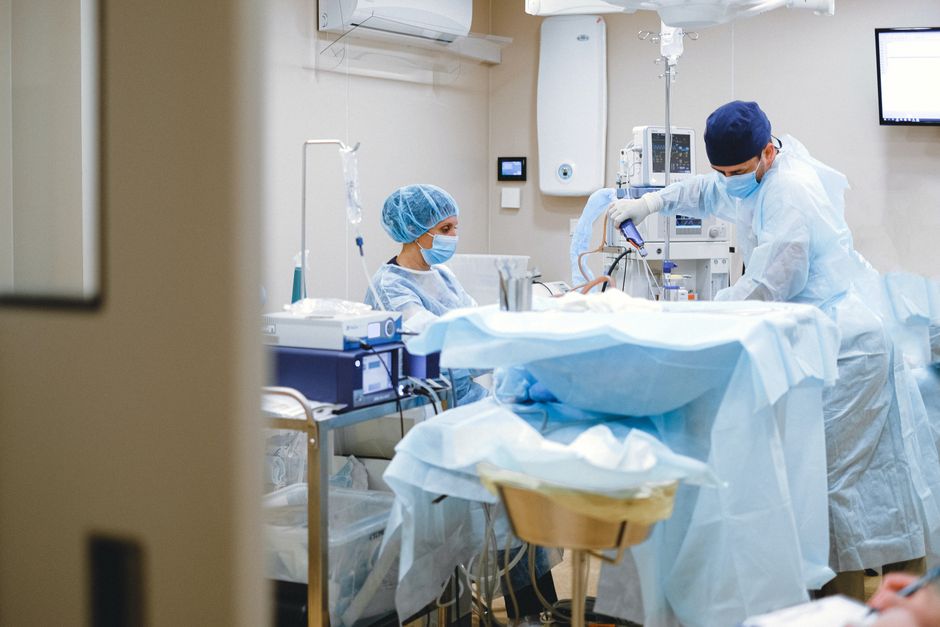
- Stone treatment — ESWL delivers focused shock waves from outside the body; ureteroscopy and RIRS pass a scope through the urinary tract and use a holmium laser to fragment or dust the stone; PCNL removes large stones through a small flank tract.
Fragments and stone dust are removed with a basket or pass naturally in the urine over the following days.
A temporary stent may be placed to keep the ureter open and is removed at a short follow-up. The retrieved stone is often analyzed to guide prevention.
Recovery Timeline
Recovery depends heavily on the technique, and the less invasive options let most patients return to normal activity quickly.
- First 24–48 hours — mild discomfort, possible blood-tinged urine, and increased fluid intake to flush fragments. ESWL and ureteroscopy are frequently outpatient or one-night stays.
- First week — passing small fragments may cause intermittent cramping; a stent, if placed, can cause urinary urgency until removed.
- 1–2 weeks — RIRS patients generally resume routine activity; PCNL involves a longer recovery of one to two weeks given the small incision.
Your team advises when it is safe to fly and arranges follow-up imaging or a stent removal visit before you leave Korea.
Drinking plenty of water and following the prescribed prevention plan reduces the chance of new stones forming.

Cost Breakdown
Prices vary with the technique, the number and size of stones, anesthesia, and the hospital, so the figures below are approximate USD ranges for planning.
Kidney stone treatment in Korea is commonly 50–70% lower than comparable care in the US or Europe while using the same modern equipment at accredited hospitals.
As a rough guide:
- ESWL sits at the lower end of the range.
- Ureteroscopy with laser and RIRS are mid-range.
- PCNL is at the higher end due to its complexity and longer stay.
Many international-patient packages bundle consultation, the procedure, hospital stay, post-operative care, and follow-up; some add airport transfers and accommodation.
Always request a written quote that lists imaging, anesthesia, any stent placement and later removal, and follow-up visits, since add-ons affect the final total.
| Item | Typical Cost in Korea (USD) |
|---|---|
| Consultation, CT imaging and lab tests | $150–$600 |
| ESWL (shock-wave lithotripsy) | $1,500–$3,500 |
| Ureteroscopy / RIRS with laser lithotripsy | $3,000–$6,500 |
| PCNL (large or complex stones) | $5,000–$8,000 |
| Ureteral stent placement and later removal | $300–$1,200 |
Why Korea
South Korea is one of the world's leading medical-tourism destinations, supported by government bodies and internationally accredited hospitals.
- Concentration of expertise — major centers in Seoul and the Gangnam district run high-volume urology departments offering ESWL, ureteroscopy, RIRS, and PCNL under one roof.
- Modern equipment — Korean urologists routinely use holmium laser lithotripsy, the established standard for endoscopic stone treatment.
- International support — many hospitals run dedicated international offices with interpreters and coordinated scheduling.
Korea's healthcare quality and patient-safety standards are promoted through KHIDI and the Medical Korea program, while medical products and devices are regulated by the Ministry of Food and Drug Safety (MFDS).
Combined with strong cost savings versus Western care, this makes Korea a practical option for patients traveling from Africa and elsewhere for stone treatment.
Key Takeaways
- Korea offers the full range of stone procedures — ESWL, ureteroscopy with laser, RIRS, and PCNL — matched to stone size and location.
- Most treatments are minimally invasive with short recovery; PCNL is the main exception, needing one to two weeks.
- Costs are commonly 50–70% lower than the US or Europe, roughly $1,500–$8,000 depending on the technique.
- Plan about one to two weeks in Korea to cover imaging, the procedure, any stent, and follow-up before flying home.
Frequently Asked Questions
Which kidney stone procedure will I need in Korea?
The urologist selects the method after a CT scan and tests. Small stones may suit ESWL or ureteroscopy with laser, kidney stones often suit RIRS, and large or complex stones usually need PCNL. The choice depends on stone size, location, and hardness.
How long should I stay in Korea for kidney stone treatment?
Plan roughly one to two weeks. This covers the consultation and imaging, the procedure, any temporary stent, and a follow-up visit. Your team will advise when it is safe to fly home based on the technique used.
How much does kidney stone removal cost in South Korea?
As an approximate guide, expect around $1,500–$8,000 USD depending on the technique, with ESWL at the lower end and PCNL at the higher end. Korean care is commonly 50–70% cheaper than the US or Europe. Always request a written, itemized quote.
Is kidney stone removal painful and what is recovery like?
Procedures are done under sedation or anesthesia, so they are not painful during treatment. Afterward, passing fragments and a stent can cause cramping or urgency for a few days. ESWL and ureteroscopy recover within days; PCNL takes one to two weeks.
Will the stone be analyzed to prevent future stones?
Many Korean urology centers analyze the retrieved stone and provide a tailored prevention plan, including fluid intake and dietary advice. Following this plan and drinking plenty of water reduces the chance of new stones forming.
Related Topics
Sources
Ready to Begin Your Journey?
Get matched with KAHF-accredited hospitals and receive a personalized treatment plan.
Quick Facts
Typical Cost
$3000 - $8000
Duration
3 days
Accredited Hospitals
3+ Available
Top Hospitals
Available Cities
Medical Information Disclaimer
The information provided on this page about Kidney Stone Removal is for general educational and informational purposes only. It is not intended as, and should not be construed as, medical advice, diagnosis, or treatment recommendations.
Always seek the advice of a qualified healthcare professional regarding any medical condition or treatment. Never disregard professional medical advice or delay seeking it because of information found on this website. Individual treatment outcomes may vary. Costs shown are estimates and may differ based on individual circumstances.
KmedTour acts as a medical tourism facilitator and does not provide direct medical services. All treatments are performed by independently accredited healthcare providers in South Korea.