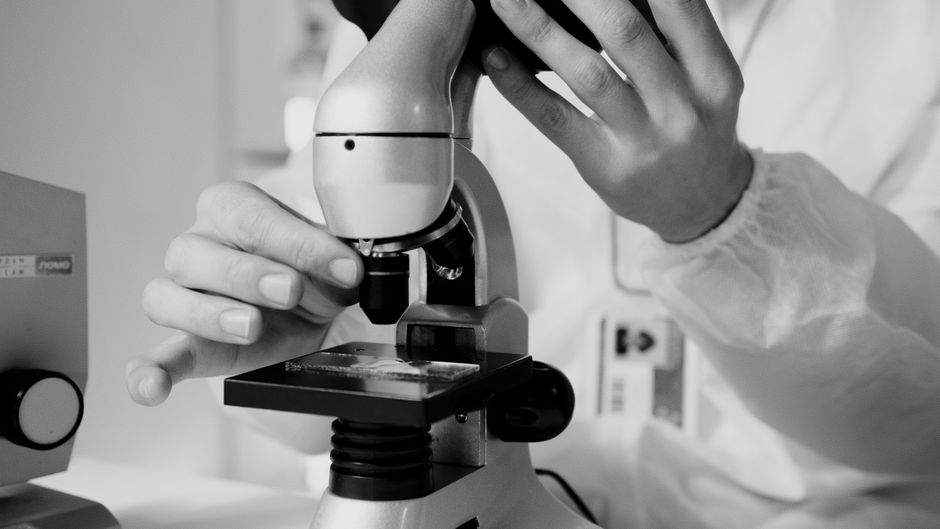
Fertility$8000 - $15000⭐ KAHF Accredited Hospitals
IVF Treatment in Korea
Assisted reproductive technology where eggs are fertilised outside the body and resulting embryos transferred to the uterus.
Quick Answer
- IVF (in vitro fertilisation) stimulates the ovaries to produce multiple eggs, retrieves them under sedation, fertilises them in a laboratory with sperm, and transfers one or more resulting embryos to the uterus to establish a pregnancy.
- Best candidates are individuals or couples with tubal factor infertility, unexplained infertility, male-factor infertility, endometriosis, ovulatory disorders, or previous failed intrauterine insemination (IUI) cycles.
- A full IVF cycle in Korea takes approximately 30 days from the start of ovarian stimulation through egg retrieval, fertilisation, embryo culture, and transfer — with monitoring appointments throughout.
- Typical cost in Korea: $8,000–$15,000 USD per cycle, depending on stimulation protocol, genetic testing of embryos, and whether donor eggs or sperm are used.
At a Glance
| Cycle duration | Approximately 30 days (stimulation through transfer) |
|---|---|
| Egg retrieval procedure | 15–30 minutes under sedation |
| Embryo transfer | 5–10 minutes (no anaesthesia required) |
| Recommended stay in Korea | Approximately 30 days for a fresh cycle |
| Pregnancy test | Blood test approximately 10–14 days after transfer |
| Typical cost in Korea | $8,000–$15,000 USD per cycle |
Overview
IVF (in vitro fertilisation) stimulates the ovaries to produce multiple mature eggs, retrieves them under sedation, fertilises them with sperm in a laboratory, cultures the resulting embryos, and transfers one or more back to the uterus to establish a pregnancy.
Patients from Africa, the Middle East, and Southeast Asia choose Korea for fertility treatment because accredited clinics combine experienced embryology teams, modern laboratory technology, and comprehensive cycle monitoring within structured international-patient pathways.
A full IVF cycle progresses through several overlapping stages:
- Ovarian stimulation (10–14 days of daily hormone injections) to grow multiple follicles
- Monitoring (multiple ultrasound and blood-hormone appointments during stimulation)
- Egg retrieval (a brief sedated procedure once follicles reach the target size)
- Fertilisation in the embryology laboratory — conventional insemination or ICSI (intracytoplasmic sperm injection, where a single sperm is injected directly into each egg)
- Embryo culture (5–6 days to blastocyst stage)
- Optional genetic testing (PGT-A or PGT-M) to assess embryo chromosomal status or inherited conditions before transfer
- Embryo transfer — a brief, typically pain-free procedure; surplus good-quality embryos are frozen for future use
KmedTour coordinates the full journey — clinic matching, appointment scheduling, interpreter support, and local accommodation guidance.

Am I a Candidate?
IVF may be recommended for:
- Tubal factor infertility — blocked, damaged, or absent fallopian tubes
- Male-factor infertility — low sperm count, poor motility, or abnormal morphology (ICSI is used in these cases)
- Unexplained infertility — a couple or individual who has not conceived after a defined period of trying without a clear cause identified
- Endometriosis affecting fertilisation or implantation
- Ovulatory disorders not resolved with simpler treatments
- Diminished ovarian reserve — lower egg number or quality, where stimulation aims to retrieve the best available eggs
- Prior failed IUI cycles
- Single parents or same-sex couples using donor gametes where legally permitted
Before starting a cycle, the clinic typically conducts:
- Day-2 or day-3 baseline blood tests (FSH, LH, AMH, oestradiol) and antral follicle count (AFC) ultrasound — to assess ovarian reserve and plan stimulation
- Semen analysis (if male partner involved)
- Uterine assessment (saline sonogram or hysteroscopy) to confirm the uterine cavity is clear
- General health screening including blood group, infection screening, and thyroid function
A pre-travel consultation with recent test results allows the reproductive specialist to propose a stimulation protocol and realistic success expectation before you travel.
How the Procedure Works
IVF is a multi-step process spanning approximately 30 days.
Ovarian stimulation (Days 1–10 to 14): Daily self-administered hormone injections (FSH, sometimes with LH) stimulate the ovaries to grow multiple follicles. Monitoring appointments — typically every 2–3 days — use transvaginal ultrasound and blood tests to track follicle growth and hormone levels and adjust the dose.
Trigger injection: When the lead follicles reach the target size, a trigger injection (hCG or GnRH agonist) matures the eggs ready for retrieval, timed precisely 36 hours before the procedure.
Egg retrieval: Performed under light intravenous sedation in the procedure room. Using transvaginal ultrasound guidance, the embryologist aspirates fluid and eggs from each mature follicle through a fine needle — typically taking 15–30 minutes. Recovery in a monitored area follows.
Laboratory: fertilisation and culture:
- Retrieved eggs are evaluated and mature eggs are fertilised — by conventional insemination or ICSI
- Fertilised eggs (zygotes) are cultured in the laboratory over 5–6 days to reach the blastocyst stage
- The embryologist grades each blastocyst for quality
Optional: PGT-A/PGT-M (genetic testing): A small cell sample (biopsy) from each blastocyst is sent for chromosomal or gene analysis. Results take about one week. Only chromosomally normal embryos are transferred.
Embryo transfer: A thin catheter passes through the cervix (no anaesthesia needed) and one embryo — selected for best quality — is placed into the uterus. Excess good-quality embryos are vitrified (flash-frozen) for future cycles. A short rest period follows; most clinics advise normal activity from the same day.
Pregnancy test: A blood beta-hCG test is performed approximately 10–14 days after transfer to confirm whether implantation has occurred.
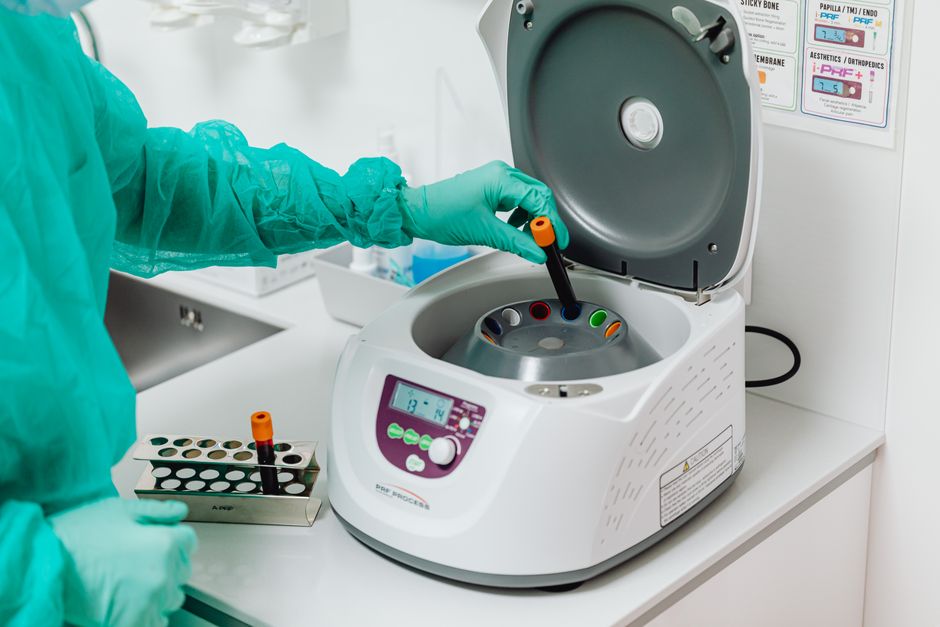
Recovery Timeline
IVF does not require surgical recovery in the conventional sense, but the stimulation phase and post-retrieval period involve rest and monitoring.
Stimulation phase (approximately Days 1–12):
- Daily injections — self-administered after instruction
- Clinic monitoring every 2–3 days; build appointments into your Korea schedule
- Mild bloating or pelvic heaviness is common as follicles grow
Egg retrieval day:
- Sedation means you will need an escort and should not drive
- Mild cramping and spotting are common and resolve within a day or two
- Ovarian hyperstimulation syndrome (OHSS) — significant bloating, pain, or rapid weight gain — should be reported promptly; severe OHSS is uncommon but requires monitoring
Embryo culture phase (Days 1–5 after retrieval):
- No procedure; the laboratory cultures the embryos and the team provides daily updates
Transfer day:
- A brief, typically comfortable procedure; most patients return to light activity the same day
- The two-week wait for the pregnancy test can be emotionally demanding — the clinic team is available for support
After the pregnancy test:
- If positive: early pregnancy monitoring begins; the clinic coordinates handover of records to your home obstetrician
- If negative: the team discusses the results, remaining frozen embryos, and options for a subsequent frozen embryo transfer (FET) cycle

Cost Breakdown
The estimated cost for one IVF cycle through KmedTour ranges from $8,000 to $15,000 USD. Where you fall in this range depends on:
- Stimulation protocol and medication cost (medications are often the single largest variable cost)
- Whether ICSI is needed (typically adds a fee to standard insemination)
- Optional genetic testing: PGT-A (chromosomal screening) or PGT-M (specific gene testing) significantly increases cost
- Whether donor eggs or donor sperm are used (donor cycles cost more and have different availability by clinic)
- Number of monitoring visits and ultrasounds during stimulation
What the quoted price generally covers:
- Reproductive specialist consultations
- Ultrasound monitoring during stimulation
- Egg retrieval procedure and sedation
- Embryology laboratory fees (fertilisation, culture, embryo grading)
- Embryo transfer procedure
- Vitrification and storage of surplus embryos (first year typically included)
What is typically not included:
- Stimulation medications (substantial cost — discuss with the clinic)
- PGT-A or PGT-M testing
- Donor egg or sperm fees
- Flights, accommodation, and living costs during the ~30-day stay
- Subsequent frozen embryo transfer (FET) cycles
KmedTour provides a written, itemised quotation so you understand the full cost breakdown before committing.
| Item | Typical Cost in Korea (USD) |
|---|---|
| IVF cycle — standard (without genetic testing) | $8,000–$11,000 |
| IVF with ICSI | $9,000–$12,000 |
| IVF with ICSI + PGT-A (chromosomal screening) | $11,000–$15,000 |
| Stimulation medications (estimated, varies) | $1,500–$3,500 additional |
| Frozen embryo transfer (FET) cycle — subsequent cycle | $2,000–$4,000 additional |
Why Korea
Korea has a well-developed fertility sector with clinics operating under regulatory frameworks overseen by the Ministry of Health and Welfare. Korea's healthcare system has fostered embryology laboratory standards and clinical practices that many international patients find competitive both in quality and cost.
Accreditation and oversight:
- KOIHA accreditation covers hospitals and clinics treating international patients and sets quality benchmarks
- KHIDI's Medical Korea programme supports foreign patient access to accredited fertility centres
Clinical and laboratory approach: Accredited Korean fertility clinics offer the full range of IVF technologies: standard insemination, ICSI, blastocyst culture, vitrification, and embryo genetic testing. Clinics typically offer high monitoring frequency during stimulation — important for adjusting protocols promptly and minimising OHSS risk.
International patient infrastructure: Dedicated international patient coordinators provide scheduling support across the 30-day cycle, interpreter services, and coordination with home-country obstetricians for ongoing pregnancy care.
KmedTour matches patients with an appropriate clinic based on diagnosis, test results, and clinical needs — and coordinates the full stay including accommodation guidance and appointment scheduling.
Key Takeaways
- A full IVF cycle spans approximately 30 days in Korea — stimulation, monitoring, egg retrieval, embryo culture, and transfer — and surplus good-quality embryos are vitrified for potential future frozen cycles.
- Stimulation medications are often the largest variable cost and are usually billed separately; ICSI, genetic testing (PGT-A/M), and donor gametes each add significant additional fees that should be confirmed in writing before committing.
- Korean fertility clinics accredited under KOIHA and the Medical Korea programme offer the full range of IVF technologies with dedicated international patient coordinators and high monitoring frequency during stimulation.
- Costs range from $8,000 to $15,000 USD per cycle depending on protocol, ICSI, and testing; an itemised quote is provided before you travel.
Frequently Asked Questions
What is the difference between IVF and ICSI?
In standard IVF, mature eggs are placed with a prepared sperm sample in a culture dish and fertilisation occurs naturally. In ICSI (intracytoplasmic sperm injection), the embryologist injects a single selected sperm directly into each mature egg under a microscope. ICSI is used when semen analysis shows significant problems in count, motility, or morphology, or when prior IVF had unexpectedly low fertilisation. It adds a lab fee but does not change retrieval or transfer.
How many embryos will be transferred?
Most accredited Korean clinics follow evidence-based guidance recommending single embryo transfer (SET) in appropriate patients — transferring one high-quality blastocyst at a time. This approach substantially reduces the risk of twin or higher-order pregnancy, which carries significant maternal and neonatal risks. Surplus good-quality blastocysts are vitrified for subsequent frozen embryo transfer (FET) cycles. The decision on how many to transfer is made with the reproductive specialist based on your age, embryo quality, and reproductive history.
What is ovarian hyperstimulation syndrome (OHSS) and how is it managed?
OHSS is a response to stimulation hormones in which the ovaries swell and fluid can leak into the abdomen. Mild OHSS, with bloating and pelvic discomfort, is common and resolves on its own. Severe OHSS, with very large ovaries, significant fluid accumulation, difficulty breathing, or reduced urine output, is uncommon and needs medical management. Risk is higher with polycystic ovarian morphology or very high antral follicle counts; frequent monitoring allows dose adjustment. If OHSS is suspected, contact the clinic immediately.
Can I do a frozen embryo transfer (FET) from Korea if I don't want to stay for the fresh transfer?
Yes. Some patients freeze all embryos after retrieval, a 'freeze-all' strategy, and return for a frozen embryo transfer in a later cycle. This is especially used when OHSS risk is elevated or when genetic testing (PGT-A/M) is planned, since embryo biopsy results take about a week and require a frozen cycle anyway. A frozen embryo transfer cycle is shorter and usually less expensive than a fresh IVF cycle. Discuss the freeze-all option with your specialist at the pre-travel consultation.
How do I continue care after returning home?
If the pregnancy test is positive, KmedTour coordinates transfer of all records — including your monitoring reports, embryology results, transfer details, and early scan images — to your home obstetrician. Early pregnancy monitoring (first trimester scans, beta-hCG follow-up) should be arranged in your home country promptly. If the cycle is unsuccessful, the team reviews the results with you, discusses any frozen embryos remaining, and helps plan whether a frozen embryo transfer cycle in Korea is appropriate.
Related Topics
Ready to Begin Your Journey?
Get matched with KAHF-accredited hospitals and receive a personalized treatment plan.
Quick Facts
Typical Cost
$8000 - $15000
Duration
30 days
Accredited Hospitals
3+ Available
Top Hospitals
Medical Information Disclaimer
The information provided on this page about IVF Treatment is for general educational and informational purposes only. It is not intended as, and should not be construed as, medical advice, diagnosis, or treatment recommendations.
Always seek the advice of a qualified healthcare professional regarding any medical condition or treatment. Never disregard professional medical advice or delay seeking it because of information found on this website. Individual treatment outcomes may vary. Costs shown are estimates and may differ based on individual circumstances.
KmedTour acts as a medical tourism facilitator and does not provide direct medical services. All treatments are performed by independently accredited healthcare providers in South Korea.