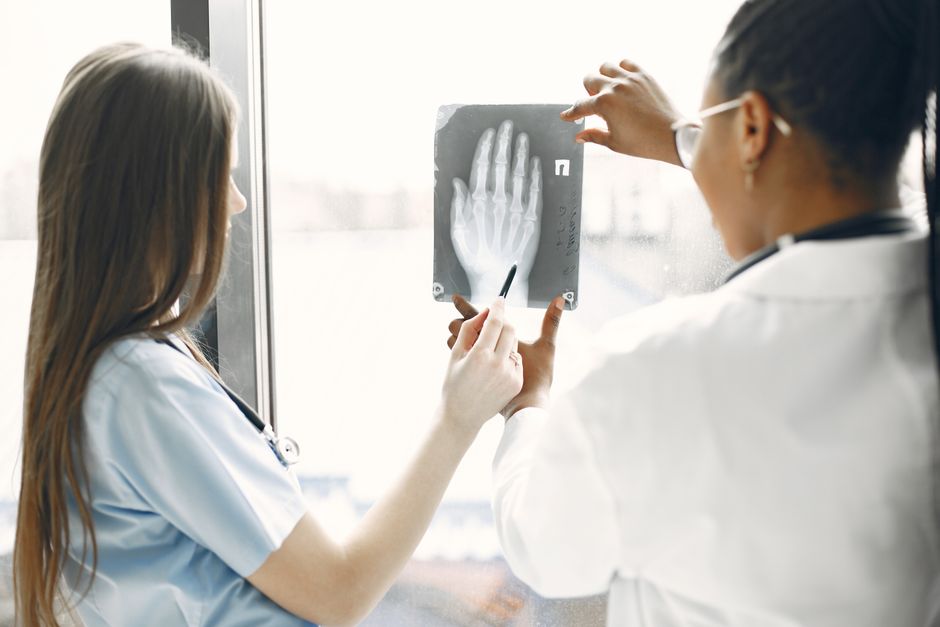
Orthopedic$15000 - $30000⭐ KAHF Accredited Hospitals
Hip Replacement in Korea
Surgery to replace a damaged hip joint with a prosthetic implant, relieving pain and restoring mobility.
Quick Answer
- Hip replacement (total hip arthroplasty) removes the damaged ball and socket and replaces them with components: typically a metal or ceramic ball on a titanium stem with a polyethylene or ceramic cup, restoring pain-free movement.
- Best candidates are adults with severe hip arthritis, avascular necrosis, or hip fracture causing persistent pain, significant mobility loss, or an inability to manage daily activities despite conservative treatment.
- Recovery in Korea spans 14 days: walking with an aid typically begins within a day of surgery; most patients return to independent indoor walking within weeks, with full functional recovery continuing over months.
- Typical cost in Korea: $15,000–$30,000 USD, depending on implant type and fixation method, bilateral versus unilateral surgery, and hospital tier.
At a Glance
| Procedure time | 1–2.5 hours |
|---|---|
| Anesthesia | General or spinal |
| Hospital stay | 3–5 days |
| Recommended stay in Korea | 14 days |
| Recovery | Walking with an aid within days; functional return to daily activities over weeks to months |
| Typical cost in Korea | $15,000–$30,000 USD |
Overview
Hip replacement removes the worn or damaged surfaces of the hip joint and replaces them with prosthetic components designed to restore smooth, pain-free movement.
Patients from Africa, the Middle East, and Southeast Asia choose Korea for this procedure because accredited hospitals combine experienced orthopaedic teams, modern implant options, and structured post-operative rehabilitation within one coordinated pathway.
The hip joint is a ball-and-socket joint where the rounded head of the femur (thigh bone) meets the acetabulum (socket) of the pelvis.
When cartilage covering these surfaces wears away — most often from osteoarthritis, avascular necrosis, or inflammatory arthritis — bone rubs on bone, causing pain, stiffness, and progressive loss of function.
Total hip replacement involves:
- Removing the worn femoral head and damaged socket lining
- Fixing a titanium or cobalt-chrome stem into the femur
- Attaching a ceramic or metal ball to the stem
- Placing a prosthetic cup into the cleaned acetabulum, usually lined with polyethylene or ceramic
Modern implants are designed to last many years under normal use, though outcomes depend on activity level, body weight, and implant selection.
KmedTour coordinates the full journey — pre-arrival imaging review, hospital admission, interpreter support, and a written rehabilitation plan — so that recovery continues safely once you return home.
Am I a Candidate?
You may be a candidate for hip replacement if you have confirmed hip joint damage causing:
- Persistent hip or groin pain not adequately controlled with medication or physiotherapy
- Significant stiffness limiting daily activities such as walking, climbing stairs, or putting on shoes
- Hip pain that disrupts sleep
- Mobility loss affecting independence or quality of life
Common underlying conditions:
- Osteoarthritis — progressive cartilage loss from wear
- Avascular necrosis — bone death due to disrupted blood supply
- Rheumatoid or inflammatory arthritis
- Post-traumatic arthritis following a prior fracture
- Hip dysplasia causing early joint damage
Before approving surgery, the team reviews:
- General cardiovascular fitness for anaesthesia
- Diabetes control and wound-healing capacity
- Body weight (very high BMI may affect implant longevity and anaesthetic risk)
- Active infection anywhere in the body (must be cleared before surgery)
- Bone quality (imaging and history of osteoporosis)
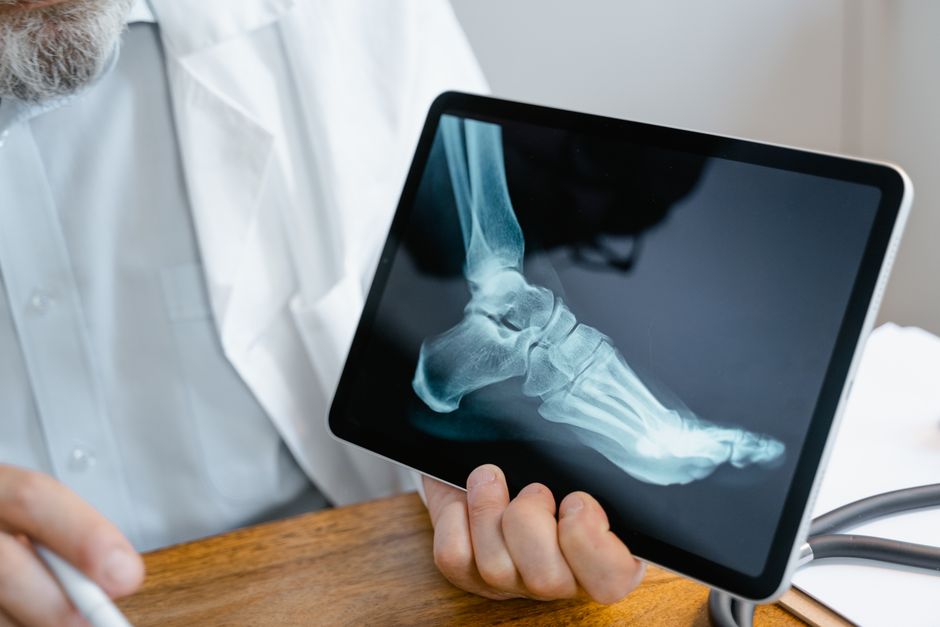
A pre-travel video consultation with your recent X-rays and MRI allows the surgeon to assess the joint, discuss implant options, and confirm suitability before you book travel.
How the Procedure Works
Hip replacement is performed under general or spinal anaesthesia and typically takes one to two and a half hours.
Surgical approach: The surgeon accesses the hip joint through an incision, most commonly via a posterior or anterolateral approach. Minimally invasive approaches use smaller incisions and aim to preserve surrounding muscles where anatomy allows.
Preparing the femur: The damaged femoral head is carefully removed. The femoral canal is shaped using specialised instruments, and a metal stem — cementless (press-fit) or cemented — is fixed into the canal. A ceramic or metal ball is attached to the top of the stem.
Preparing the acetabulum: The socket is cleared of damaged cartilage and shaped to accept the prosthetic cup. The cup is fixed into the pelvis — again cementless or cemented — and a liner (polyethylene or ceramic) is inserted.
Assembly and stability check: The ball is seated in the cup, the hip is moved through its full range, and leg length and stability are confirmed. The incision is closed in layers and dressed.
Blood-thinning medication and compression devices begin to reduce clot risk. Early physiotherapy — often starting the same day — focuses on moving the hip and getting you upright safely.
Recovery Timeline
Recovery begins within hours of surgery and continues for months. The structured 14-day Korea stay supports early progress before you fly home.
Day 1 (in hospital):
- Physiotherapy typically begins on the day of surgery or the morning after
- Standing and early walking with a frame or crutches under physiotherapist guidance
- Focus: weight-bearing as tolerated, hip precautions, preventing clots
Days 2–5 (inpatient):
- Progressing to walking greater distances
- Stair practice and sit-to-stand training before discharge from hospital
- Wound monitoring and pain management
Days 6–14 (pre-departure):
- Outpatient physiotherapy continues at the hospital or rehabilitation centre
- Walking distance and confidence increase
- Surgeon confirms wound healing and clearance for long-haul flight
- KmedTour provides a written rehabilitation plan and operative summary for your home physiotherapist
Months 1 and beyond (at home):
- Most patients progress from walking aids to independent walking over several weeks
- Full functional recovery — including return to low-impact activities — typically over months
- Hip precautions (avoiding extremes of rotation and flexion) apply in the early phase; your surgeon specifies duration
Arrange a local orthopaedic review after returning. Report fever, increasing wound redness, sudden severe pain, or calf swelling promptly.

Cost Breakdown
The estimated cost for hip replacement through KmedTour ranges from $15,000 to $30,000 USD. Where you fall in this range depends on:
- Implant type: material pairing (ceramic-on-polyethylene, ceramic-on-ceramic, metal-on-polyethylene) and brand tier
- Fixation method: cementless versus cemented
- Unilateral versus bilateral (both hips) surgery
- Hospital tier and room type
- Length of inpatient stay
What the quoted price generally covers:
- Surgeon, assistant, and anaesthesia fees
- Operating room and implant costs
- Inpatient hospital stay (typically 3–5 nights)
- Standard medications during admission
- Inpatient physiotherapy sessions
- Pre-operative blood tests and imaging on arrival
What is typically not included:
- International flights and visa fees
- Accommodation before and after the hospital stay
- Meals outside the hospital
- Walking aids for home use
- Extended rehabilitation and follow-up care at home
KmedTour provides a written, itemised quotation after the surgeon reviews your imaging, so you understand exactly what is covered before committing.
| Item | Typical Cost in Korea (USD) |
|---|---|
| Total hip replacement — standard implant | $15,000–$22,000 |
| Total hip replacement — premium ceramic-on-ceramic implant | $22,000–$30,000 |
| Bilateral hip replacement (both hips, same admission) | $25,000–$45,000 |
| Hospital stay (3–5 nights, standard room) | Typically included in package |
| Inpatient physiotherapy during admission | Typically included in package |
Why Korea
Korea is a well-established destination for orthopaedic surgery, with hospitals accredited under national and international standards and operating within a system regulated by the Ministry of Health and Welfare.
Accreditation and oversight:
- KOIHA (Korean Organisation for International Healthcare Accreditation) sets patient-safety and quality benchmarks for hospitals treating international patients
- KHIDI's Medical Korea programme supports access to accredited facilities for foreign patients
- These frameworks reflect country-level governance, not just individual hospital reputation
Clinical approach: Korean orthopaedic teams at accredited hospitals perform high volumes of hip replacements using modern implant systems and established fixation techniques. Integrated physiotherapy begins the day of surgery, shortening hospital stay while maintaining structured early rehabilitation.
International patient infrastructure: Dedicated international patient departments provide interpreter services in English, Arabic, and other languages, structured discharge planning, and coordination with the patient's home medical team.
KmedTour adds end-to-end coordination — from pre-arrival imaging review and hospital matching to a written rehabilitation handover — so care continues without interruption once you return home.
Key Takeaways
- Hip replacement removes worn joint surfaces and replaces them with prosthetic components; implant choice — material pairing, fixation method — is discussed with the surgeon before travel based on your imaging and activity goals.
- Early physiotherapy begins the day of or the day after surgery; the 14-day Korea stay supports early mobilisation before the long-haul flight, and KmedTour provides a written rehabilitation plan for your home physiotherapist.
- Korean hospitals accredited under KOIHA and the Medical Korea programme combine experienced orthopaedic teams, integrated rehabilitation, and dedicated international patient support.
- Costs range from $15,000 to $30,000 USD depending on implant type, fixation, and whether both hips are treated; an itemised quote is provided after the surgeon reviews your imaging.
Frequently Asked Questions
How long will the implant last?
Modern hip implants are designed for long service life under normal use, and registry data from multiple countries show the majority of implants functioning well many years after surgery. Longevity depends on factors including activity level, body weight, implant type, and fixation. High-impact activities — such as running or jumping — can accelerate wear and are generally discouraged after hip replacement. Your surgeon will discuss realistic expectations and activity guidelines based on your specific implant and health profile.
What are hip precautions, and how long do they apply?
Hip precautions are movement restrictions that prevent dislocation while the soft tissues heal around the new joint. Common ones include not bending the hip past a right angle, crossing the legs, or rotating the foot far inward or outward. They typically apply for the first several weeks, though the exact period depends on the surgical approach; some approaches carry lower dislocation risk and shorter restrictions. Your surgeon specifies what applies to you before discharge.
Is it safe to fly home after hip replacement?
Long-haul flights carry an elevated risk of deep-vein thrombosis (DVT) after lower-limb surgery. Most surgeons advise against flying until the immediate post-operative phase is complete and early mobilisation is well established. The 14-day Korea stay is structured in part to allow this clearance period. Before departure, you will receive guidance on compression stockings, hydration, and ankle exercises during the flight, as well as any prescribed blood-thinning medication. Always confirm flying clearance with your surgeon before booking your return flight.
Can both hips be replaced at the same time?
Yes, simultaneous bilateral hip replacement (both hips in one operation) is performed at some centers and may suit patients with significant disease in both hips who are fit for a longer procedure and anaesthetic. It cuts the number of admissions and travel trips but means longer surgery and a more demanding early recovery. Staged replacement, one hip then the other after full recovery, is more common. Your surgeon assesses the right approach from your imaging, health, and fitness for anesthesia.
What happens to rehabilitation after I return home?
Before leaving Korea, KmedTour provides a written, staged rehabilitation plan alongside your operative summary, implant details, and hip precaution instructions. This document is designed to be handed to a physiotherapist in your home country so the programme continues without interruption. You should arrange a local orthopaedic review as soon as possible after returning. If you develop fever, increasing wound redness, sudden severe hip pain, or swelling in the calf at any point, seek medical attention immediately.
Related Topics
Ready to Begin Your Journey?
Get matched with KAHF-accredited hospitals and receive a personalized treatment plan.
Quick Facts
Typical Cost
$15000 - $30000
Duration
14 days
Accredited Hospitals
6+ Available
Top Hospitals
Busan Adventist Hospital
Busan
View Details →
Busan ST. Mary's Hospital
Busan
View Details →
Donghoon Advanced Lengthening Reconstruction Institute
Gyeonggi-do
View Details →
Cheonan Chungmu Hospital
Chungcheongnam-do
View Details →
Design Hospital
Jeollabuk-do
View Details →
Available Cities
Medical Information Disclaimer
The information provided on this page about Hip Replacement is for general educational and informational purposes only. It is not intended as, and should not be construed as, medical advice, diagnosis, or treatment recommendations.
Always seek the advice of a qualified healthcare professional regarding any medical condition or treatment. Never disregard professional medical advice or delay seeking it because of information found on this website. Individual treatment outcomes may vary. Costs shown are estimates and may differ based on individual circumstances.
KmedTour acts as a medical tourism facilitator and does not provide direct medical services. All treatments are performed by independently accredited healthcare providers in South Korea.