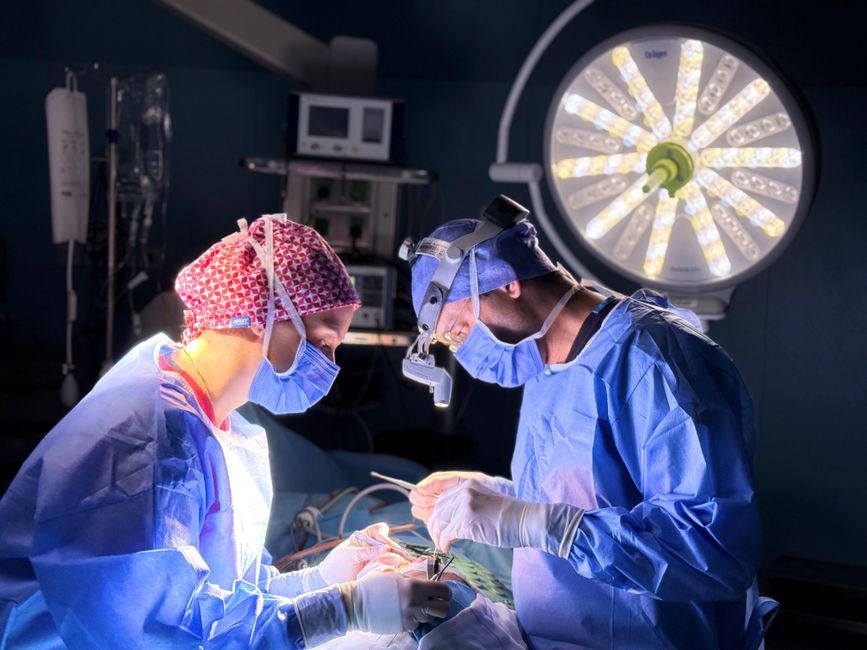
Bariatric$8000 - $15000⭐ KAHF Accredited Hospitals
Gastric Sleeve in Korea
Keyhole surgery that removes part of the stomach to reduce its size and support weight loss.
Quick Answer
- Gastric sleeve (laparoscopic sleeve gastrectomy) removes a large portion of the stomach, leaving a narrow banana-shaped tube that holds far less food and reduces hunger signals.
- Best candidates have a BMI of 40+, or 35+ with an obesity-related condition such as type 2 diabetes or high blood pressure, and have not achieved lasting results through supervised diet and lifestyle change.
- The procedure is irreversible — the removed stomach cannot be restored — so lifelong vitamin supplementation, permanent dietary change, and ongoing follow-up are essential commitments.
- Typical cost in Korea: $8,000–$15,000 USD, covering the laparoscopic operation, surgeon and anesthesia fees, and inpatient monitoring across an approximately ten-day stay.
At a Glance
| Procedure time | 1–2 hours (laparoscopic) |
|---|---|
| Anesthesia | General anesthesia |
| Hospital stay | Several days inpatient, within a ~10-day total stay |
| Recommended stay in Korea | 10 days |
| Recovery | Staged diet over weeks; full activity returns gradually over months; lifelong supplementation required |
| Typical cost in Korea | $8,000–$15,000 USD |
Overview
Gastric sleeve, or laparoscopic sleeve gastrectomy, is a weight-loss operation in which a large portion of the stomach is removed, leaving a narrow tube-shaped pouch.
Patients travel to Korea for this procedure because Korean hospitals offer the laparoscopic technique within accredited surgical units that provide structured inpatient monitoring during the early recovery period, supported by a stay of around ten days.
The smaller stomach holds far less food and reduces hunger signals, which together help patients eat less and lose weight over the months that follow.
It is most often considered for people living with severe obesity, particularly when weight has not responded to supervised diet, exercise, and lifestyle change, and when excess weight is affecting health.
An essential point to understand is that the sleeve is irreversible: the removed part of the stomach cannot be put back. Surgery is a tool, not a cure, and lasting results depend on permanent changes to eating and activity, along with lifelong follow-up and vitamin supplementation to prevent nutritional gaps.
The priced range of 8,000 to 15,000 US dollars reflects the operation together with its hospital stay and perioperative care. Clinics report a high rate of successful weight loss when patients commit to the post-surgery plan, though individual results vary with starting weight, health, and how closely guidance is followed.
Because part of the recovery involves watching for rare complications such as a leak along the staple line, the operation is performed in a hospital with several days of inpatient observation before discharge.
The procedure improves the conditions for weight loss; sustaining it is an ongoing partnership between patient and care team.
Plan lifelong supplementation before you travel
A smaller stomach absorbs fewer vitamins and minerals. Before surgery, confirm with your care team exactly which supplements you will need — typically including B12, iron, calcium, and vitamin D — and arrange a reliable supply at home. Starting this early prevents nutritional gaps from developing during the recovery period.

Am I a Candidate?
Gastric sleeve is generally considered for adults whose obesity is severe enough to threaten health and who have not achieved lasting results through supervised diet and lifestyle change.
Standard criteria used by most surgical teams are a body mass index of 40 or above, or a BMI of 35 or above when accompanied by an obesity-related condition such as type 2 diabetes, high blood pressure, or sleep apnea.
Beyond the numbers, candidacy depends on overall fitness for surgery and anesthesia, and on readiness to make permanent changes. Because the operation is irreversible and requires lifelong vitamin supplementation and follow-up, willingness to commit to that plan is as important as meeting the BMI threshold.
A pre-operative assessment checks heart, lung, and metabolic health, screens for conditions that need treatment first, and reviews medications. Certain situations may make surgery unsuitable or require it to be delayed, including untreated eating disorders, unstable medical conditions, or pregnancy.
Patients should also be prepared for the practical demands of recovery: a staged diet, smaller portions for life, and ongoing monitoring after returning home. A consultation confirms whether the sleeve is appropriate and whether another approach might suit your circumstances better.
How the Procedure Works
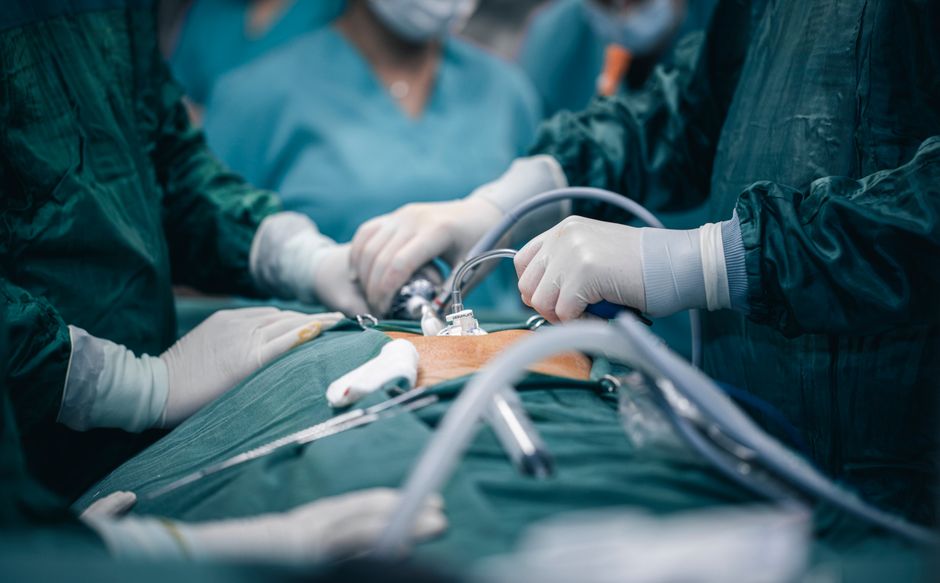
The sleeve is performed under general anesthesia using a laparoscopic, or keyhole, approach. The surgeon makes several small incisions in the abdomen and works through them with a camera and slender instruments, which avoids a large open wound and supports a smoother recovery.
During the operation, a large part of the stomach along its outer curve is separated and removed, leaving a narrow, banana-shaped tube. The new edge is sealed, typically with a row of surgical staples, and the surgeon checks that this staple line is secure before finishing.
Some teams reinforce or test the line for integrity as part of routine practice. The portion of stomach that is removed is taken out through one of the small incisions.
Because only the size of the stomach is changed and the intestines are not rerouted, the sleeve is a single-stage operation and is usually shorter than procedures that alter the digestive tract more extensively.
Variations exist mainly in instrument choice, staple-line handling, and the size of the sleeve created, which the surgeon tailors to the patient.
After surgery you are moved to a recovery area and then to a ward for monitoring. Early care focuses on pain control, gentle movement, and watching for any sign of bleeding or a leak along the staple line.
Imaging or other checks may be done before you progress from liquids to a staged diet under the team's guidance.
Recovery Timeline
Recovery is structured around the ten-day stay, which allows for inpatient observation during the period when rare complications are most likely to appear. The first day or two are spent in hospital with pain relief, gentle walking to reduce clot risk, and close monitoring of the staple line.
Many teams confirm there is no leak before advancing your diet.
Eating progresses in stages: clear liquids first, then thicker liquids and pureed foods, moving toward soft foods over the following weeks. Portions are small, and you will be taught to eat slowly and stop when comfortably full. Staying hydrated and starting vitamin supplements are part of the early routine.
Most patients remain in or near the hospital for the bulk of the ten days so the team can observe healing, manage any discomfort, and confirm you are tolerating the diet before discharge. This inpatient window is a key reason for the longer stay compared with smaller procedures.
Flying home is generally advised only after the team confirms your wounds are healing well, you are eating and drinking adequately, and the higher-risk early window has passed; the ten-day stay is planned with this in mind.
Long flights carry a clot risk, so movement and hydration on the journey matter.
Back home, recovery continues over weeks to months. Lifelong follow-up, ongoing vitamin supplementation, and gradual return to activity support steady weight loss and help catch any nutritional gaps early.

Cost Breakdown
Gastric sleeve is priced from 8,000 to 15,000 US dollars. This reflects a hospital-based operation with a substantial inpatient stay, so the figure typically covers more than the surgery alone.
A quote usually includes the surgeon's and anesthesia fees, the operating theater, the laparoscopic procedure, and several days of inpatient care and monitoring across the roughly ten-day stay.
Pre-operative assessment, standard tests, and early post-surgery diet guidance are often part of the package, but you should confirm exactly what is and is not included.
Factors that move the price within the range include the complexity of your case, any additional tests required, and the length of monitoring your situation calls for. Ask whether items such as imaging to check the staple line, take-home medications, and the initial supply of vitamins are covered.
Beyond the medical fee, budget for travel, accommodation for any nights spent outside the hospital, and the cost of ongoing follow-up and lifelong supplements once you return home.
Because the sleeve requires permanent dietary change and monitoring, the true cost is best viewed over the long term, not as a one-time figure. Treat any quote as an estimate until the team has completed your assessment and confirmed your plan.
| Item | Typical Cost in Korea (USD) |
|---|---|
| Gastric sleeve — laparoscopic, standard case | $8,000–$11,000 |
| Gastric sleeve — complex case or additional monitoring required | $11,000–$15,000 |
| Pre-operative assessment, bloods, and metabolic tests | Often included in package |
| Staple-line imaging post-surgery | Often included; confirm in quote |
| Initial vitamin and supplement supply on discharge | $50–$150 (confirm if included) |
Why Korea
Korea offers gastric sleeve surgery within accredited hospital settings that provide the laparoscopic technique alongside structured inpatient monitoring, which matters for an operation where the early recovery window calls for close observation. The planned stay of around ten days is built to keep patients under professional care through that period.
Korean healthcare operates under national oversight. The Ministry of Health and Welfare sets medical standards, while KHIDI and KOIHA support the international patient sector and the accreditation of facilities that treat overseas visitors.
Many hospitals provide coordination for international patients, including language assistance and help organizing assessment, surgery, and follow-up around the length of stay.
For bariatric care specifically, the appeal is the combination of established surgical units, multidisciplinary support before and after the operation, and the inpatient observation that a sleeve warrants.
For patients traveling from Africa, the Middle East, and Asia, this structure provides reassurance during the critical days after surgery, along with clear guidance on the lifelong follow-up and supplementation that lasting results depend on.
Key Takeaways
- Gastric sleeve permanently removes a large portion of the stomach; the operation is irreversible, so it requires genuine readiness for lifelong dietary change, vitamin supplementation, and ongoing follow-up.
- Standard candidacy criteria are a BMI of 40 or above, or 35 or above with an obesity-related condition such as type 2 diabetes or high blood pressure, alongside fitness for surgery and a commitment to the long-term plan.
- The ten-day Korea stay is designed to cover the highest-risk early recovery window, with inpatient monitoring of the staple line and staged diet progression under clinical supervision before discharge.
- Costs range from $8,000 to $15,000 USD; an itemised quote after the surgical team reviews your case shows exactly what is covered — confirm whether imaging, take-home medications, and initial supplements are included.
Frequently Asked Questions
Is the gastric sleeve reversible?
No. The procedure permanently removes a large part of the stomach, and that tissue cannot be restored. This is why the decision should be made carefully and only after other approaches have been tried. The sleeve is a tool to support weight loss, and lasting results depend on permanent changes to eating and activity, plus lifelong follow-up and vitamin supplementation.
Do I qualify for the procedure?
Standard criteria are a body mass index of 40 or above, or 35 or above with an obesity-related condition such as type 2 diabetes, high blood pressure, or sleep apnea. You also need to be fit for surgery and anesthesia and ready to commit to permanent dietary change and follow-up. A pre-operative assessment confirms whether the sleeve is appropriate for you.
Why is the hospital stay around ten days?
The longer stay allows inpatient monitoring through the period when rare complications, such as a leak along the staple line, are most likely to appear. The team manages pain, encourages gentle movement, advances your diet in stages, and confirms you are healing and tolerating food before discharge. This observation window is a key reason the sleeve needs more time than smaller procedures.
When can I fly home after surgery?
Flying is generally advised only once the team confirms your wounds are healing well, you are eating and drinking adequately, and the higher-risk early window has passed; the ten-day stay is planned around this. Long flights carry a clot risk, so moving regularly and staying hydrated during the journey is important. Your team will give specific clearance before you travel.
Will I need to take vitamins afterward?
Yes. A smaller stomach absorbs fewer nutrients, so lifelong vitamin and mineral supplementation is part of the plan to prevent nutritional gaps. Alongside this, you will follow a staged diet, eat smaller portions permanently, and attend ongoing follow-up so any deficiencies can be caught and corrected early. These habits are essential to staying healthy after the operation.
Related Topics
Ready to Begin Your Journey?
Get matched with KAHF-accredited hospitals and receive a personalized treatment plan.
Quick Facts
Typical Cost
$8000 - $15000
Duration
10 days
Accredited Hospitals
3+ Available
Top Hospitals
Available Cities
Medical Information Disclaimer
The information provided on this page about Gastric Sleeve is for general educational and informational purposes only. It is not intended as, and should not be construed as, medical advice, diagnosis, or treatment recommendations.
Always seek the advice of a qualified healthcare professional regarding any medical condition or treatment. Never disregard professional medical advice or delay seeking it because of information found on this website. Individual treatment outcomes may vary. Costs shown are estimates and may differ based on individual circumstances.
KmedTour acts as a medical tourism facilitator and does not provide direct medical services. All treatments are performed by independently accredited healthcare providers in South Korea.