Bariatric$12000 - $22000⭐ KAHF Accredited Hospitals
Gastric Bypass in Korea
Bariatric surgery that reduces stomach size and reroutes the digestive tract to achieve significant, sustained weight loss.
Quick Answer
- Roux-en-Y gastric bypass (RYGB) creates a small stomach pouch connected directly to the mid-small intestine, bypassing most of the stomach and upper small bowel, reducing intake and altering hunger hormones and absorption.
- Best candidates are adults with a BMI of 40 or above, or 35 and above with obesity-related conditions such as type 2 diabetes, hypertension, or sleep apnoea, after lifestyle and medical management fell short.
- The Korea stay is 10–14 days: surgery is performed laparoscopically (keyhole), hospital stay is typically 3–5 nights, and the programme includes structured dietary counselling before discharge.
- Typical cost in Korea: $12,000–$22,000 USD, depending on surgical approach, hospital tier, and the length of the all-inclusive care package.
At a Glance
| Procedure time | 2–3 hours |
|---|---|
| Anesthesia | General |
| Hospital stay | 3–5 days |
| Recommended stay in Korea | 10–14 days |
| Recovery | Light activity within days; return to desk work in several weeks; full activity over months |
| Typical cost in Korea | $12,000–$22,000 USD |
Overview
Roux-en-Y gastric bypass (RYGB) — the most widely performed form of gastric bypass — creates a small stomach pouch and connects it directly to a section of the small intestine, bypassing most of the stomach and the duodenum.
This restricts the volume of food you can eat and significantly alters the hormonal signals that regulate hunger and satiety, producing substantial and sustained weight loss.
Patients from Africa, the Middle East, and Southeast Asia travel to Korea for bariatric surgery because accredited hospitals combine experienced laparoscopic surgical teams, structured pre- and post-operative nutritional support, and competitive pricing within a coordinated international-patient pathway.
How gastric bypass produces weight loss:
- Volume restriction: the small stomach pouch holds only a small amount of food at a time
- Hormonal changes: bypassing the duodenum alters gut hormone signalling in ways that reduce hunger and improve insulin sensitivity — which is why type 2 diabetes often improves dramatically after the procedure
- Malabsorption: partial bypassing of the small bowel reduces calorie and nutrient absorption — this contributes to weight loss but also requires lifelong nutritional supplementation
KmedTour coordinates pre-arrival medical clearance, hospital matching, dietary counselling coordination, and a structured handover to your home medical team.

Am I a Candidate?
Gastric bypass is typically considered for adults who meet internationally recognised criteria:
- BMI of 40 or above (severe obesity)
- BMI of 35 or above with one or more significant obesity-related conditions:
- Type 2 diabetes
- Hypertension
- Obstructive sleep apnoea
- Obesity-related joint disease
- Non-alcoholic fatty liver disease
- Dyslipidaemia not controlled with medication
Who is usually not a candidate:
- Active or untreated substance misuse disorder
- Uncontrolled severe psychiatric illness
- Medical conditions making general anaesthesia or major abdominal surgery prohibitively high risk
- Inability to commit to lifelong nutritional supplementation and follow-up
Pre-operative evaluation typically includes:
- Comprehensive metabolic and cardiac workup
- Endoscopy to assess the upper GI tract before creating the pouch
- Nutritional assessment and pre-operative dietary counselling
- Psychological evaluation to confirm readiness and realistic expectations
- Sleep study if sleep apnoea is suspected
A pre-travel video consultation with recent blood work, BMI, and comorbidity history allows the bariatric team to review candidacy and plan the workup before you arrive.
How the Procedure Works
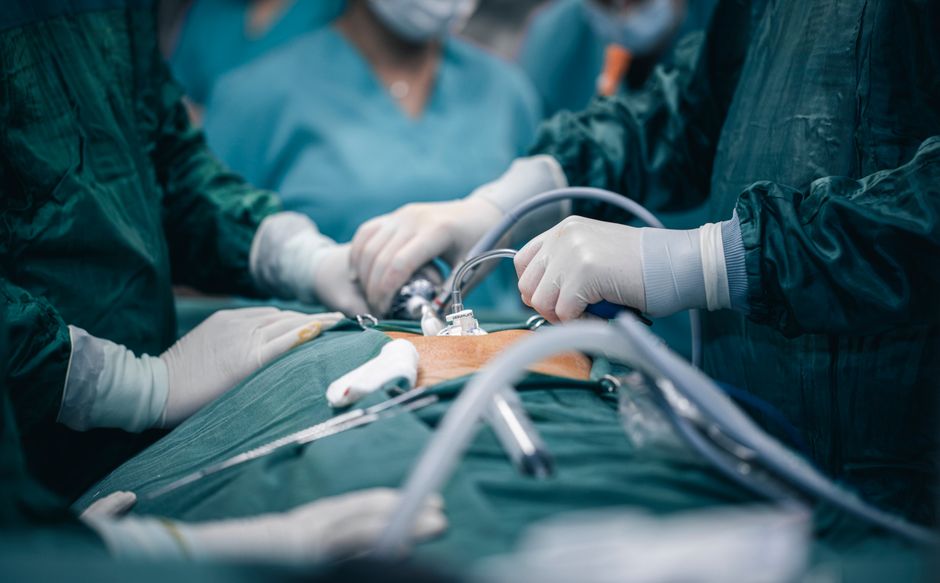
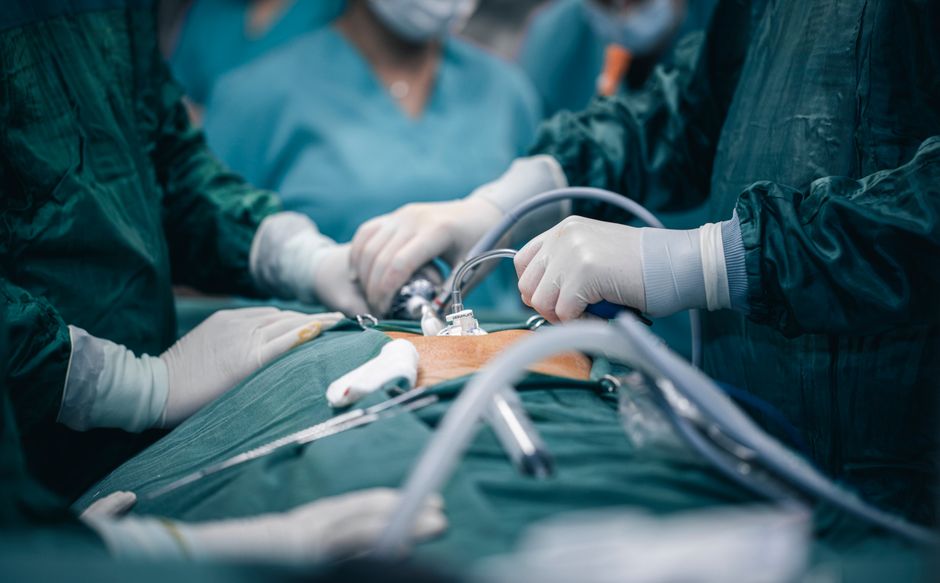
Gastric bypass is performed laparoscopically (keyhole surgery) under general anaesthesia and typically takes 2–3 hours.
Access: Several small incisions are made in the abdomen. A camera and instruments are inserted.
Creating the stomach pouch: Using surgical staplers, the surgeon divides and separates a small pouch from the upper stomach. This pouch holds only a small volume of food.
Roux limb creation: The small intestine is divided below the duodenum. The lower segment (the Roux limb or alimentary limb) is brought up and connected to the new stomach pouch.
Food now flows from the pouch directly into the Roux limb, bypassing most of the stomach, the duodenum, and the upper part of the small intestine.
Biliopancreatic limb: The upper portion of the small bowel (carrying bile and digestive enzymes from the stomach remnant and pancreas) is reconnected lower down the small bowel at the jejunojejunostomy — allowing digestion to occur when the two streams meet.
Leak testing: The connections are checked for leaks by passing coloured fluid through the pouch. Drains may be placed.
Post-operative monitoring: You are monitored in recovery and typically moved to a ward that day. Intravenous fluids, clot-prevention measures, and pain management begin immediately.
Recovery Timeline
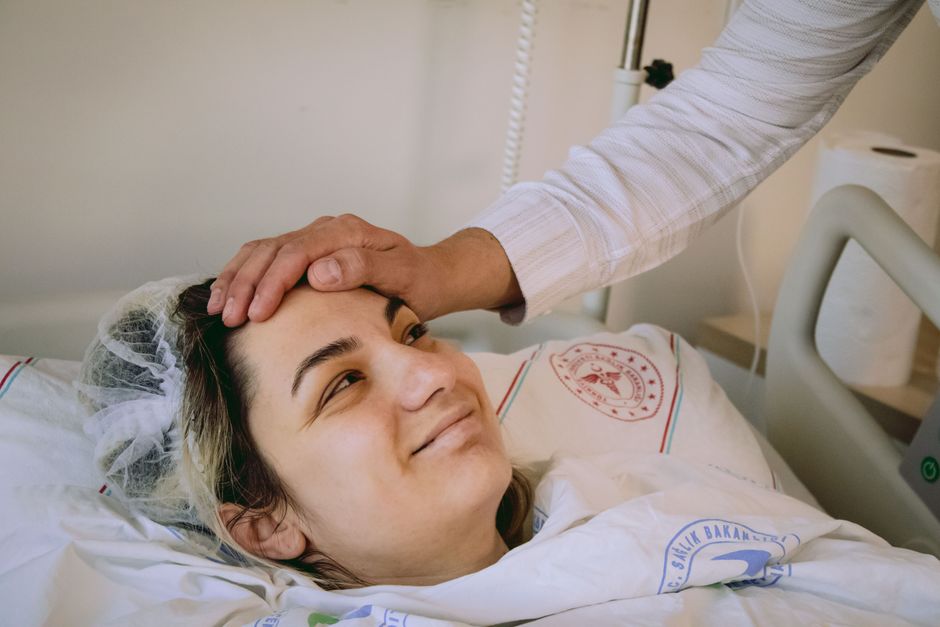
Recovery progresses through several clearly defined stages, with the Korea stay supporting the critical early phase.
Day 1–2 (in hospital):
- Recovery from general anaesthesia; intravenous fluids continue
- Sips of water begin within hours if the team is satisfied with progress
- First steps out of bed — early mobilisation is important for clot prevention
Days 2–5 (inpatient):
- Diet advances gradually: clear liquids → full liquids
- Pain, nausea, and fatigue are common and managed
- Drains removed if placed
- Physiotherapy supports breathing and mobility
- Clot-prevention injections and compression stockings
Days 5–14 (pre-departure):
- Transition to a puréed diet under dietitian guidance
- Walking distances increase significantly
- Surgeon confirms wound status and nutritional intake before clearing flight
- KmedTour provides a written dietary plan, supplement schedule, and operative summary for your home team
Weeks 3–6 (at home):
- Diet advances from purée to soft foods and then a modified solid diet over weeks
- Energy levels gradually improve
- Return to light desk work: typically several weeks after surgery
Long-term:
- Lifelong daily nutritional supplements are mandatory: multivitamin, iron, calcium, vitamin D, vitamin B12 minimum
- Annual blood tests to monitor for nutritional deficiencies
- Follow-up with a bariatric team, dietitian, and GP at home
Report severe abdominal pain, fever, inability to keep down fluids, or wound changes immediately.
Cost Breakdown
The estimated cost for gastric bypass through KmedTour ranges from $12,000 to $22,000 USD. Key factors affecting cost:
- Hospital tier and room type
- Length of inpatient stay
- Extent of pre-operative workup required on arrival
- Whether the programme includes extended dietitian support and psychological consultation
What the quoted price generally covers:
- Surgeon, assistant, and anaesthesia fees
- Laparoscopic procedure and operating room
- Surgical consumables (staplers, mesh if needed)
- Inpatient hospital stay (typically 3–5 nights)
- Standard medications during admission
- Pre-operative endoscopy and blood work on arrival
- Dietitian consultations during the inpatient stay
- Discharge dietary plan and supplement guidance
What is typically not included:
- International flights and visa fees
- Accommodation before and after hospital discharge
- Nutritional supplements for home use (lifelong requirement)
- Psychological evaluation (may be billed separately)
- Follow-up appointments and blood tests at home
KmedTour provides a written, itemised quotation so you understand the complete financial commitment before committing.
| Item | Typical Cost in Korea (USD) |
|---|---|
| Roux-en-Y gastric bypass — laparoscopic, standard | $12,000–$17,000 |
| Roux-en-Y gastric bypass — laparoscopic, premium hospital tier | $17,000–$22,000 |
| Pre-operative upper endoscopy (if not included) | $300–$600 additional |
| Hospital stay (3–5 nights, standard room) | Typically included in package |
| Extended dietitian and psychological consultation package | $500–$1,500 additional |
Why Korea
Korea is an established destination for minimally invasive abdominal surgery, with experienced laparoscopic surgical teams at accredited hospitals and a healthcare system regulated by the Ministry of Health and Welfare.
Accreditation and oversight:
- KOIHA (Korean Organisation for International Healthcare Accreditation) sets quality and patient-safety benchmarks for hospitals treating international patients
- KHIDI's Medical Korea programme supports foreign patient access to accredited facilities
Clinical approach: Korean hospitals offering bariatric surgery perform gastric bypass laparoscopically, integrating pre-operative dietary counselling and psychological evaluation into the care pathway. Dedicated dietitians support patients through the critical early dietary stages, and discharge planning includes a structured nutritional protocol for the home phase.
International patient infrastructure: Dedicated international patient departments provide interpreter services, comprehensive pre-operative workup coordination, and structured handover to the patient's home medical team — including the bariatric programme records, nutritional plan, and supplement guidance.
KmedTour adds end-to-end coordination from pre-arrival medical clearance to a written handover package for your home bariatric team, dietitian, and GP.
Key Takeaways
- Roux-en-Y gastric bypass restricts stomach volume, alters gut-hormone signalling that governs hunger and satiety, and partially bypasses the upper small bowel — producing significant and sustained weight loss and often dramatic improvement in type 2 diabetes.
- Lifelong daily nutritional supplementation (multivitamin, iron, calcium, vitamin D, B12) is mandatory after bypass — this is a permanent commitment, not an optional extra, and should factor into the long-term cost assessment.
- Korean hospitals accredited under KOIHA combine laparoscopic bariatric surgical teams, integrated pre-operative assessment, and dedicated dietitian support for the critical early dietary stages.
- Costs range from $12,000 to $22,000 USD depending on hospital tier and programme scope; an itemised quote is provided after pre-operative workup review.
Frequently Asked Questions
How much weight will I lose after gastric bypass?
Weight loss after gastric bypass is substantial but varies by individual. Most patients lose a significant proportion of their excess body weight over the first 12–18 months, with the fastest loss in the first several months. Long-term success depends on dietary adherence, physical activity, and follow-up with a bariatric team, and the procedure works best combined with ongoing lifestyle support rather than as a standalone fix. The team will discuss expected outcomes based on your starting BMI and comorbidities.
Will my type 2 diabetes improve after bypass?
Type 2 diabetes responds among the most dramatically to gastric bypass. Improvement is often seen very quickly, sometimes before significant weight is lost, suggesting the hormonal changes from bypassing the duodenum act directly beyond calorie restriction. Many patients see large drops in blood glucose and may reduce or stop diabetes medications under medical supervision. The degree of improvement depends on how long diabetes has been present and how much insulin-producing function remains. Discuss this with the bariatric team pre-operatively.
Why are nutritional supplements lifelong after bypass?
Gastric bypass routes food past the duodenum and upper small intestine, the primary sites of iron, calcium, vitamin D, and B12 absorption, so supplements are lifelong. Even with a balanced diet, absorbing enough of these nutrients through the altered anatomy is very difficult. Deficiencies in iron (anaemia), calcium and vitamin D (bone density loss), and B12 (neurological problems) are well-documented long-term risks without supplementation. Taking recommended supplements and checking blood levels annually are non-negotiable commitments.
Is gastric bypass reversible?
Gastric bypass is considered a permanent procedure. The stomach is divided and the intestine rerouted using surgical staples and sutures. While reversal is technically possible in specialised surgical centres, it is complex, high-risk, and rarely indicated — and the outcomes of reversal are generally poor. Before proceeding, candidates should approach bypass as a lifelong change in anatomy and nutrition, not a reversible intervention. This is why psychological evaluation and realistic expectation-setting are a standard part of the pre-operative assessment.
How do I manage nutritional follow-up after returning home?
Before leaving Korea, KmedTour provides a written dietary progression plan (clear liquids, full liquids, purée, soft foods, modified solids), a supplement schedule, and the bariatric team's operative summary and contacts. Arrange follow-up with a bariatric surgeon, dietitian, and your GP within the first weeks home. Annual blood tests for iron, ferritin, folate, B12, calcium, vitamin D, and zinc are the standard minimum for lifelong monitoring. If local bariatric services are limited, KmedTour can advise on telemedicine options.
Related Topics
Ready to Begin Your Journey?
Get matched with KAHF-accredited hospitals and receive a personalized treatment plan.
Quick Facts
Typical Cost
$12000 - $22000
Duration
14 days
Accredited Hospitals
3+ Available
Top Hospitals
Available Cities
Medical Information Disclaimer
The information provided on this page about Gastric Bypass is for general educational and informational purposes only. It is not intended as, and should not be construed as, medical advice, diagnosis, or treatment recommendations.
Always seek the advice of a qualified healthcare professional regarding any medical condition or treatment. Never disregard professional medical advice or delay seeking it because of information found on this website. Individual treatment outcomes may vary. Costs shown are estimates and may differ based on individual circumstances.
KmedTour acts as a medical tourism facilitator and does not provide direct medical services. All treatments are performed by independently accredited healthcare providers in South Korea.