Dental$12000 - $35000⭐ KAHF Accredited Hospitals
Full Mouth Reconstruction in Korea
Rebuild every tooth across both arches in Korea — implants, crowns, and bone grafting at 40–60% below Western prices.
Quick Answer
- Full mouth reconstruction restores nearly all teeth in both arches using implants, crowns, bridges, periodontal therapy, and bone grafting across staged trips
- Treatment spans 4 months to 1 year depending on complexity — first trip covers extractions, grafting, and implant posts; return trips deliver final restorations
- Complete two-arch reconstruction in Korea costs $15,000–$30,000+, significantly below comparable US or Western European treatment costs
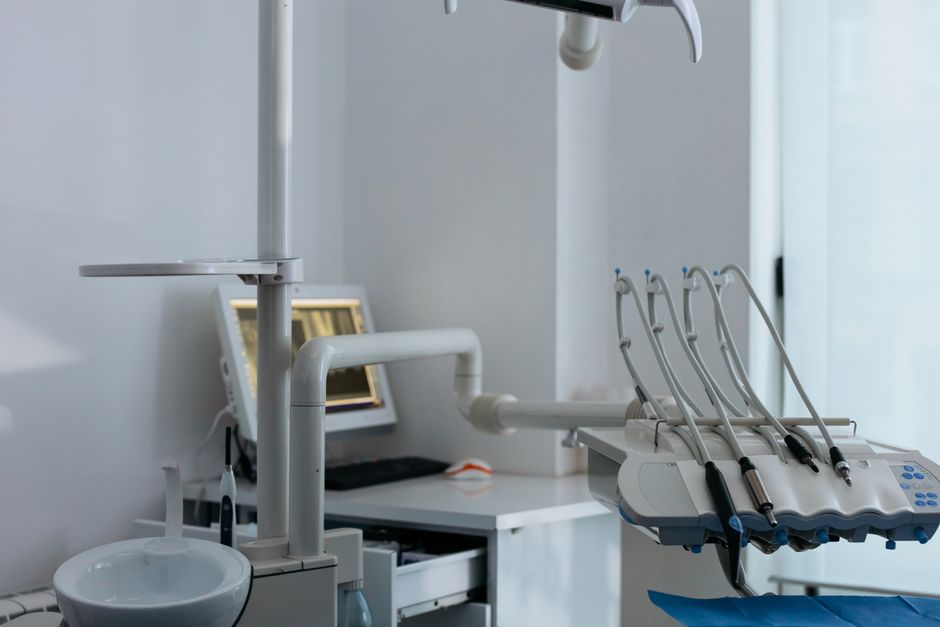
- KHIDI-verified clinics in Seoul's Gangnam district use computer-guided implant placement, CBCT imaging, and CAD/CAM milling for precision outcomes
At a Glance
| Procedure time | Multiple sessions across 2–3 trips over 4–12 months |
|---|---|
| Anesthesia | Local anesthesia standard; IV sedation available for complex surgical phases |
| Hospital stay | Outpatient for most sessions; no overnight admission required |
| Recommended stay in Korea | First trip 2–4 weeks; return trip 1–2 weeks for final fittings |
| Recovery | 4–6 months moderate cases; up to 12 months for complex full-arch reconstruction |
| Typical cost in Korea | $15,000–$30,000+ for complete two-arch treatment |
Overview
Full mouth reconstruction addresses severe, widespread dental damage across both the upper and lower arch simultaneously. It is not a single procedure but a coordinated treatment plan combining dental implants, porcelain crowns, fixed bridges, periodontal therapy, and bone grafting where needed.
Patients who require this level of care have typically exhausted simpler options. The goal is to restore full chewing function, correct bite alignment, and rebuild a natural-looking smile from the foundation up.
Seoul — particularly the Gangnam district — has become a global hub for complex dental rehabilitation.
The concentration of specialist clinics, advanced imaging technology, and competitive pricing makes Korea a practical destination for patients from Africa, the GCC, and Southeast Asia who face long wait times or prohibitive costs at home.
The Korean government's KHIDI Medical Korea program formally registers and verifies dental providers accepting international patients, adding a layer of accountability that distinguishes verified clinics from unlicensed operators.
CAD/CAM (computer-aided design and manufacturing) technology is standard in leading Seoul clinics. Restorations are milled to precise digital specifications, reducing chair time and improving the fit of crowns and bridges compared to traditional impressions.
Plan your trips around osseointegration
The healing gap between your first and second visit — typically 3 to 6 months — is not wasted time. Use it to complete remote check-ins with your Korean clinic, follow the soft-diet protocol, and confirm your return booking once your dentist clears you on video review. Rushing back before osseointegration is confirmed risks implant failure and restarts the entire surgical phase.
Am I a Candidate?
Full mouth reconstruction is appropriate when damage or loss affects most teeth across both arches — not just a few isolated teeth.
Common indicators include:
- Loss of many or all natural teeth due to decay, injury, or extraction
- Severe decay or fractures affecting multiple teeth simultaneously
- Advanced periodontal (gum) disease that has caused bone loss around tooth roots
- Significant tooth wear from chronic grinding (bruxism) leading to a collapsed bite
- A bite that has shifted so far that basic chewing and speaking are affected
Adequate jawbone volume is required to anchor implants. Where bone has deteriorated, grafting procedures can rebuild the foundation — though this adds time to the overall treatment plan.
Candidates must be willing to commit to a staged, multi-trip plan. Patients who need single-session results or cannot return to Korea for follow-up phases are not suitable for this treatment pathway. Good systemic health — particularly controlled diabetes and non-smoking status — improves implant success rates.
How the Procedure Works
Treatment follows three defined phases, each with a specific clinical purpose.
Phase 1 — Assessment and Planning
The first appointments focus entirely on diagnostics. The clinic takes CBCT (cone beam computed tomography) scans to map bone density and anatomy in three dimensions. Intraoral 3D scanners capture the current bite relationship.
A comprehensive written treatment plan is produced, specifying which teeth will be extracted, where grafts are needed, how many implants are required per arch, and the sequence of visits.
Phase 2 — Preparatory Treatment
This phase addresses underlying disease before any restorative work begins. Deep periodontal cleaning removes infection from gum pockets. Failing teeth are extracted. Bone grafting is performed at extraction sites or areas of significant resorption, then allowed to heal.
Temporary restorations are provided so patients are never without functional teeth during this stage.
Phase 3 — Restorative Work
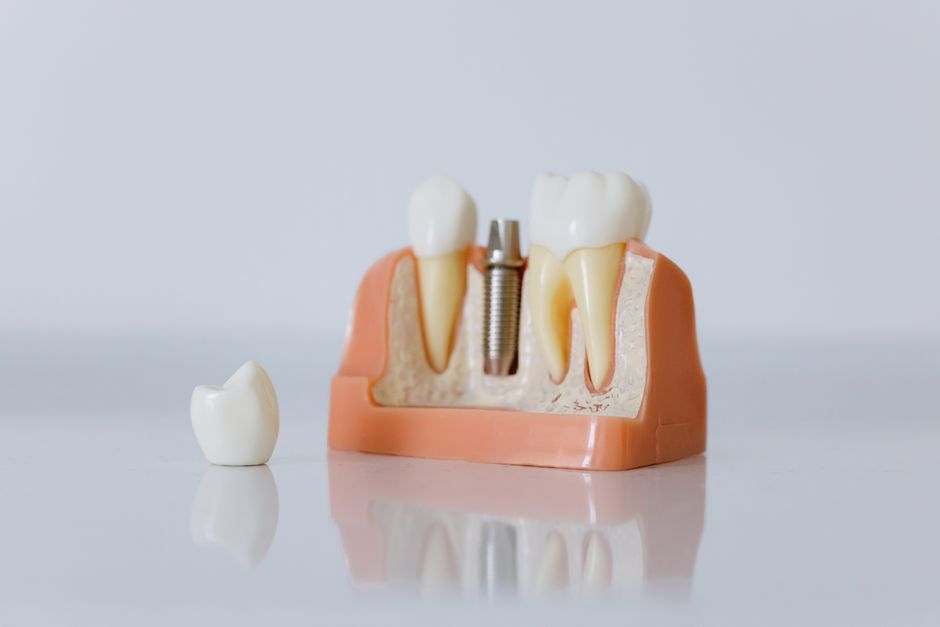
Once the bone and gum environment is healthy and stable, titanium implant posts are placed surgically into the jaw. Osseointegration — the process by which bone fuses to the implant surface — then takes place over several months, typically back in the patient's home country.
The patient returns to Korea when healing is confirmed, at which point permanent crowns, bridges, or implant-supported prosthetics are fitted and adjusted to final bite specification.
Recovery Timeline
Recovery from full mouth reconstruction is measured in months, not days, because osseointegration is a biological process that cannot be accelerated.
For moderate cases — partial reconstruction with adequate existing bone — total treatment time runs 4 to 6 months from first extraction to final crown placement.
For complex cases — full-arch reconstruction with significant bone grafting — the timeline extends to 10–12 months. Grafted bone needs 3–4 months to consolidate before implants can be placed, and implants then need a further 3–5 months to fully integrate.
The practical travel pattern for most international patients:
- First trip (2–4 weeks): Assessment, periodontal therapy, extractions, bone grafting, implant post placement, temporary restorations fitted
- Home healing phase (3–6 months): Osseointegration occurs; remote video consultations with the clinic monitor progress
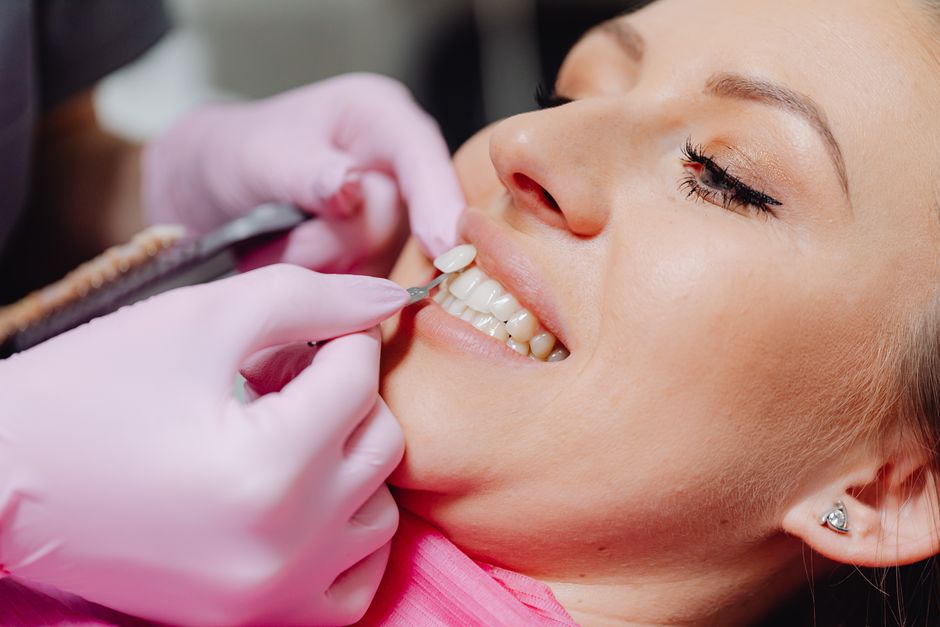
- Return trip (1–2 weeks): Osseointegration confirmed by new imaging; permanent crowns and bridges fitted and adjusted
Between trips, patients wear comfortable temporary restorations that restore basic function and appearance. Swelling and tenderness after surgical sessions typically resolve within 7–14 days. Dietary restrictions (soft foods) apply during healing phases.
Cost Breakdown
Korea's dental costs are substantially lower than equivalent treatment in the United States, United Kingdom, or Australia — typically 40–60% less — without a reduction in clinical standards at KHIDI-verified clinics.
Cost varies by the number of implants needed, whether bone grafting is required, the material grade of crowns selected (zirconia vs. porcelain-fused-to-metal), and the specific clinic.
Representative price ranges at Seoul clinics:
- Single implant (post + abutment + crown): $600–$1,500
- Individual porcelain crown: $200–$600
- Full-arch implant solution (4–6 implants supporting a fixed bridge): $9,000–$18,000 per arch
- Complete two-arch reconstruction: $15,000–$30,000+
Bone grafting adds $300–$1,500 per site depending on graft volume. Periodontal therapy, CBCT imaging, and temporary restorations are billed separately by most clinics.
Patients should budget for two round-trip flights, accommodation during both trips, and a modest reserve for additional grafting or extra appointments if healing is slower than projected. Even with travel factored in, total out-of-pocket costs typically remain below what the same treatment would cost at a US specialist practice.
| Item | Typical Cost in Korea (USD) |
|---|---|
| Single dental implant (post + abutment + crown) | $600–$1,500 |
| Individual porcelain/zirconia crown | $200–$600 |
| Full-arch implant solution (one arch) | $9,000–$18,000 |
| Complete two-arch reconstruction | $15,000–$30,000+ |
| Bone grafting (per site) | $300–$1,500 |
Why Korea
Korea has built one of the world's most competitive dental sectors through a combination of specialist density, technology adoption, and formal quality verification.
Provider concentration: Seoul's Gangnam district hosts a high concentration of maxillofacial surgeons, periodontists, prosthodontists, and implantologists within a small geographic area. Multi-disciplinary cases — which full mouth reconstruction always is — can be coordinated efficiently between specialists at a single facility or across closely located clinics.
Government verification: The KHIDI Medical Korea program, operated by the Korea Health Industry Development Institute, registers hospitals and clinics that meet defined standards for international patient care. Verified providers are listed publicly on the Medical Korea portal, giving overseas patients a starting point for due diligence.
Diagnostic and manufacturing technology: Leading clinics use CBCT imaging for three-dimensional bone assessment, intraoral 3D scanners for digital impressions, computer-guided implant placement jigs for accuracy, and in-house CAD/CAM milling units that fabricate crowns and bridges to precise digital specifications — often same-day or next-day.
Infection control standards: Korean dental facilities are subject to national healthcare infection control regulations, and internationally accredited clinics follow additional protocols for sterilization, disposable instrumentation, and cross-contamination prevention.
Key Takeaways
- Full mouth reconstruction is a staged, multi-trip process spanning 4–12 months — not a single procedure
- Korea's KHIDI-verified dental clinics offer CBCT, CAD/CAM, and computer-guided implant surgery at 40–60% below Western market rates
- Bone grafting and periodontal therapy must be completed before implants are placed — candidacy assessment on the first trip determines exactly what is needed
- Temporary restorations keep patients functional between trips; permanent crowns are fitted only after osseointegration is radiographically confirmed
Frequently Asked Questions
Do I really need to make more than one trip to Korea for full mouth reconstruction?
Yes — multiple trips are clinically necessary, not a scheduling inconvenience. The surgical phase (extractions, bone grafting, implant post placement) must heal completely before permanent restorations can be fitted. Osseointegration — the fusion of titanium implant posts with jawbone — takes 3 to 6 months and happens back in your home country. Attempting to compress the entire process into one trip would result in implants placed into unhealed or ungrafted bone, significantly increasing failure risk.
How much does full mouth reconstruction in Korea cost compared to the US or UK?
A complete two-arch reconstruction in Korea typically costs $15,000–$30,000+, depending on the number of implants, whether bone grafting is required, and the crown material selected. The equivalent treatment in the United States commonly exceeds $50,000–$80,000+ at specialist practices. UK and Australian costs are similarly high. Even after budgeting for two round-trip flights and accommodation across both visits, most patients achieve meaningful savings.
How long does osseointegration take, and what happens if it fails?
Osseointegration takes 3 to 5 months for standard implants in healthy, adequate bone. When bone grafting was required first, an added 3 to 4 months of graft consolidation precedes implant placement, so total healing from graft to integrated implant can reach 7–9 months. If an implant fails to integrate, which happens in a small percentage of cases and more often in smokers or patients with uncontrolled diabetes, it is removed, the site heals, and re-implantation is planned.
Will I have teeth throughout the entire treatment process?
Yes. Temporary restorations — provisional crowns, a temporary bridge, or a removable appliance depending on your case — are provided at each surgical stage so you are never without functional front and back teeth. These temporaries restore basic chewing ability and maintain normal appearance while the underlying tissues heal. They are not as durable as final restorations, so patients are advised to follow a modified soft diet and avoid hard or sticky foods during the healing phases.
How do I verify that a Korean dental clinic is legitimate before committing to treatment?
The primary verification resource is the Medical Korea portal, operated by KHIDI (Korea Health Industry Development Institute), which lists registered hospitals and dental clinics approved for international patient care. Confirm the clinic's registration number on the portal, ask for the credentials and specialist registrations of the dentists performing each phase, and request before-and-after documentation for full mouth reconstruction cases like yours. Avoid any clinic that gives firm price quotes without first reviewing diagnostic imaging.
Related Topics
Sources
Ready to Begin Your Journey?
Get matched with KAHF-accredited hospitals and receive a personalized treatment plan.
Quick Facts
Typical Cost
$12000 - $35000
Duration
14 days
Accredited Hospitals
0+ Available
Top Hospitals
Medical Information Disclaimer
The information provided on this page about Full Mouth Reconstruction is for general educational and informational purposes only. It is not intended as, and should not be construed as, medical advice, diagnosis, or treatment recommendations.
Always seek the advice of a qualified healthcare professional regarding any medical condition or treatment. Never disregard professional medical advice or delay seeking it because of information found on this website. Individual treatment outcomes may vary. Costs shown are estimates and may differ based on individual circumstances.
KmedTour acts as a medical tourism facilitator and does not provide direct medical services. All treatments are performed by independently accredited healthcare providers in South Korea.