Fertility$200 - $500⭐ KAHF Accredited Hospitals
Fertility Consultation in Korea
What a fertility consultation in South Korea involves — ovarian-reserve testing, semen analysis, ultrasound, and a personalized treatment plan for international patients.
Quick Answer
- A fertility consultation is a diagnostic visit, not surgery — it combines a medical history review, ultrasound, blood hormone tests, and (for couples) semen analysis to find the cause of difficulty conceiving.
- Core tests usually include AMH and day-3 FSH/estradiol for ovarian reserve, an antral follicle count by ultrasound, and a semen analysis for sperm count, motility, and morphology.
- Many Korean clinics review records digitally before you travel, then complete the in-person workup and plan over roughly 2–5 days in Seoul.
- An initial consultation with basic tests in Korea typically runs about $300–$1,500 USD, well below comparable US and European pricing.
At a Glance
| Procedure time | 30–90 minutes for the consultation; individual tests add 5–60 minutes each |
|---|---|
| Anesthesia | Not applicable — non-surgical diagnostic visit |
| Hospital stay | None — fully outpatient |
| Recommended stay in Korea | About 2–5 days to complete tests and review the plan |
| Recovery | None required — normal activity immediately |
| Typical cost in Korea | Approx. $300–$1,500 USD for consultation plus baseline tests |
Overview
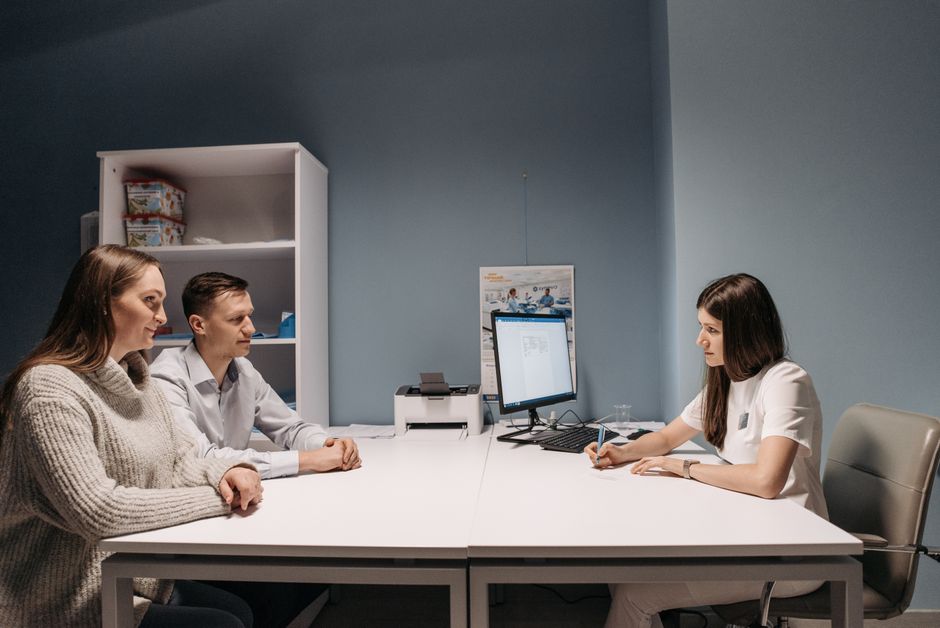
A fertility consultation is the diagnostic starting point for anyone struggling to conceive. It is a non-surgical outpatient visit, not a treatment, and it carries no recovery period.
The specialist takes a detailed medical and reproductive history, reviews any prior records, and orders targeted tests. The goal is to identify why conception has been difficult and to build a personalized plan.
For international patients in South Korea, the process is often streamlined:
- Records are frequently reviewed digitally before travel
- The in-person workup is condensed into a few days
- Results feed directly into a tailored treatment proposal
Typical tests include ovarian-reserve bloodwork (AMH, day-3 FSH and estradiol), an ultrasound antral follicle count, and a semen analysis for partners. Some patients also receive imaging such as an HSG to check the fallopian tubes.
The consultation clarifies next steps, which may range from timed intercourse or IUI to IVF, depending on findings.
Send records before you fly
Many Seoul clinics review your medical history and prior test results digitally before travel, then design a focused plan. This can shorten your in-person workup to just a few days.
Confirm documentation rules
Some Korean clinics ask international patients pursuing IVF for paperwork such as a marriage certificate and a specialist referral. Requirements vary by clinic, so verify them before booking.

Am I a Candidate?
A fertility consultation is appropriate for a wide range of people, and there are few barriers to simply being evaluated.
It is commonly recommended for:
- Couples who have tried to conceive for 12 months without success (or 6 months if the woman is over 35)
- Women with irregular or absent menstrual cycles
- Anyone with a history of pelvic infection, endometriosis, or prior reproductive surgery
- Men with known or suspected issues affecting sperm
- Individuals planning ahead who want to assess ovarian reserve or freeze eggs
A consultation is also useful before any assisted-reproduction cycle, since results shape the treatment plan.
Note on eligibility for treatment in Korea: some clinics ask international patients pursuing IVF to provide documentation such as a marriage certificate and a specialist referral. Requirements vary by clinic, so confirm them directly before booking.
The consultation itself has essentially no medical contraindications — it is information-gathering, and the findings guide what, if any, treatment follows.
How the Procedure Works
A fertility consultation unfolds as a sequence of low-burden steps rather than a single procedure.
1. History and discussion
The specialist reviews your menstrual, medical, surgical, and family history, plus lifestyle factors and any previous fertility records.
2. Hormone blood tests
- AMH can be drawn on any cycle day and reflects remaining egg supply
- Day-3 FSH and estradiol assess how the brain signals the ovaries
3. Ultrasound
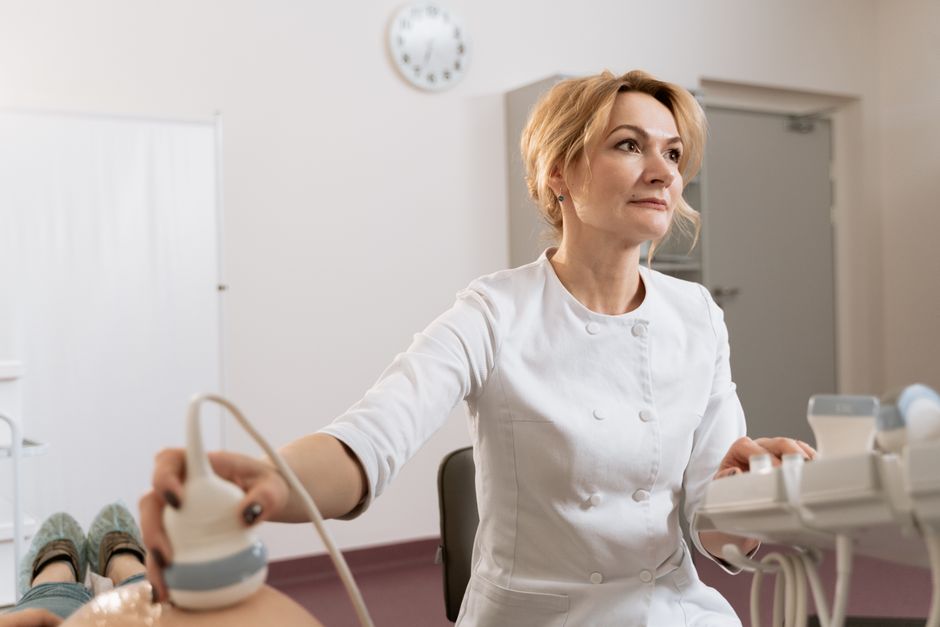
A transvaginal ultrasound estimates the antral follicle count and checks the uterus and ovaries. This usually takes 20–30 minutes.
4. Semen analysis (for partners)
A sample is evaluated for count, motility, and morphology.
5. Optional imaging
An HSG may be ordered to assess the fallopian tubes; it can take up to an hour.
6. Review and plan
The specialist discusses results and outlines options, which may include monitoring, IUI, or IVF.
Recovery Timeline
Because this is a diagnostic visit, there is no physical recovery. The relevant timeline is how quickly results turn into a plan.
Same day
- History, ultrasound, and most blood draws are completed
- Semen analysis is usually done the same day for partners
Within a few days
- Hormone and lab results return
- A comprehensive workup with multiple tests may span several days, which is why a short stay in Korea is sensible
At the review appointment
The specialist explains the findings and proposes next steps. Depending on results, options range from lifestyle guidance and timed cycles to IUI or a full IVF cycle.
Afterward
If treatment is recommended, the clinic schedules it around your menstrual cycle. International patients often coordinate this remotely and return for the treatment phase.
Throughout, you can resume normal activity immediately — there are no restrictions tied to the consultation or its tests.

Cost Breakdown
Costs for a fertility consultation in South Korea are modest compared with later treatment, and far below typical US and European pricing.
The main drivers are which tests are ordered and whether imaging like an HSG is included.
- A consultation plus baseline ovarian-reserve tests and semen analysis commonly falls in the $300–$1,500 USD range
- Adding tubal imaging or genetic screening raises the total
- If the plan proceeds to IVF, a full cycle in Korea is widely reported around $4,000–$13,000 USD, depending on medication and added testing
Many clinics bundle initial consultations, hormone tests, semen analysis, and ultrasounds into broader treatment packages, so itemized and package pricing can differ.
International-patient coordinators can usually provide a written estimate after a remote records review, which helps you budget before traveling.
Always confirm exactly what a quoted price covers — consultation only, or consultation plus a defined test panel.
| Item | Typical Cost in Korea (USD) |
|---|---|
| Initial specialist consultation | $80–$300 |
| Ovarian-reserve bloodwork (AMH, day-3 FSH/estradiol) | $100–$400 |
| Transvaginal ultrasound / antral follicle count | $80–$250 |
| Semen analysis | $50–$200 |
| HSG tubal imaging (optional) | $150–$500 |
Why Korea
South Korea has become a notable destination for fertility care, concentrated in Seoul and especially the Gangnam district, home to many specialized clinics and large hospital centers.
Reasons international patients consider Korea include:
- A highly regulated healthcare system overseen by the Ministry of Food and Drug Safety (MFDS)
- Several hospitals accredited by Joint Commission International (JCI), signaling adherence to international standards
- Internationally trained reproductive specialists and modern laboratory infrastructure
- Strong national support for medical tourism through KHIDI and the Medical Korea program, which help foreign patients connect with hospitals
Korean fertility centers are widely regarded for high-volume, technically advanced IVF programs, and reported success rates for younger patients are competitive with leading global centers — though outcomes always depend on individual factors such as age and diagnosis.
Practical advantages also matter: efficient scheduling, digital pre-travel record review, and bundled pricing make a short, focused trip feasible for patients traveling from abroad.
Key Takeaways
- A fertility consultation is a non-surgical diagnostic visit combining history review, hormone tests, ultrasound, and semen analysis — no anesthesia, hospital stay, or recovery.
- South Korea offers MFDS-regulated, often JCI-accredited fertility care concentrated in Seoul's Gangnam district, with KHIDI and Medical Korea supporting international patients.
- Plan a short 2–5 day stay; an initial consultation with baseline tests typically costs about $300–$1,500 USD, with full IVF cycles reported around $4,000–$13,000.
Frequently Asked Questions
Is a fertility consultation painful or invasive?
No. It is a non-surgical outpatient visit. The most involved parts are a transvaginal ultrasound and blood draws, both routine and brief. If an HSG is ordered to check the fallopian tubes, some patients feel mild cramping, but no anesthesia or recovery is needed.
What tests are usually done at a fertility consultation in Korea?
Typical tests include AMH and day-3 FSH/estradiol blood work to assess ovarian reserve, a transvaginal ultrasound for antral follicle count, and a semen analysis for partners. Some patients also receive HSG tubal imaging. The exact panel depends on your history and the clinic.
How long should I stay in Korea for the consultation?
Roughly 2–5 days is usually enough to complete the history, ultrasound, blood tests, and semen analysis, then review results and a plan. A comprehensive workup with multiple tests can span several days, so a short focused stay is recommended.
How much does a fertility consultation cost in South Korea?
An initial consultation plus baseline tests commonly costs about $300–$1,500 USD, depending on which tests are included. If treatment follows, a full IVF cycle in Korea is widely reported around $4,000–$13,000 USD, varying with medication and additional testing.
Can international patients get fertility treatment in Korea?
Yes. Korea welcomes international fertility patients, supported by KHIDI and the Medical Korea program. However, some clinics request documentation such as a marriage certificate and a specialist referral before starting IVF, so confirm each clinic's requirements in advance.
Will the consultation tell me whether I need IVF?
It is designed to. After reviewing your history and test results, the specialist outlines options that may range from lifestyle guidance or timed cycles to IUI or IVF. The recommendation depends on individual findings, and no outcome can be guaranteed.
Related Topics
Sources
Ready to Begin Your Journey?
Get matched with KAHF-accredited hospitals and receive a personalized treatment plan.
Quick Facts
Typical Cost
$200 - $500
Duration
1 days
Accredited Hospitals
3+ Available
Top Hospitals
Medical Information Disclaimer
The information provided on this page about Fertility Consultation is for general educational and informational purposes only. It is not intended as, and should not be construed as, medical advice, diagnosis, or treatment recommendations.
Always seek the advice of a qualified healthcare professional regarding any medical condition or treatment. Never disregard professional medical advice or delay seeking it because of information found on this website. Individual treatment outcomes may vary. Costs shown are estimates and may differ based on individual circumstances.
KmedTour acts as a medical tourism facilitator and does not provide direct medical services. All treatments are performed by independently accredited healthcare providers in South Korea.