Cosmetic$5000 - $15000⭐ KAHF Accredited Hospitals
Facelift in Korea
Surgery that lifts and repositions deeper facial tissue to soften sagging along the cheeks, jawline, and neck.
Quick Answer
- Korean surgeons specialize in SMAS and deep-plane techniques that lift deeper facial tissue rather than just tightening skin, producing natural-looking, longer-lasting results.
- Cost in Korea ranges from $5,000 to $15,000, covering surgeon's fee, general anesthesia, operating facility, inpatient night, and follow-up visits during your stay.
- Plan for approximately 10 days in Korea — enough time for consultation, surgery, the inpatient night, early healing, and suture removal before flying home.
- Light activity resumes around 2–4 weeks post-surgery, with the final refined contour emerging over several months as residual swelling fully settles.
At a Glance
| Procedure time | 3–5 hours (varies with add-ons) |
|---|---|
| Anesthesia | General anesthesia |
| Hospital stay | ~1 night inpatient |
| Recommended stay in Korea | ~10 days |
| Recovery | Light activity from ~2–4 weeks; final result over months |
| Typical cost in Korea | $5,000–$15,000 |
Overview
A facelift — formally a rhytidectomy — lifts and repositions the deeper tissues of the lower face and neck to soften sagging cheeks, jowls, and folds, restoring a firmer, more rested contour.
Patients travel to Korea because Korean surgeons perform a high volume of facial surgery and emphasize work on the deeper support layer rather than skin alone. This tends to produce a natural result that lasts, rather than a tight or pulled appearance.
The procedure addresses changes that creams and non-surgical treatments cannot fully correct: - A heavy jowl - A sagging midface - Loose tissue under the chin
It does not stop aging, but it resets the face to a fresher version of itself — results are designed to look like you, not a different person.
Modern facelifts work on the SMAS (superficial musculoaponeurotic system), the fibrous layer beneath the skin that gives the face its structural support. A SMAS or deep-plane technique lifts and secures this layer, then redrapes the skin without excess tension.
Depending on your needs, a neck lift can be combined to tighten loose tissue and muscle bands under the chin, and fat grafting can restore volume to areas that have hollowed with age.
Because this is a more involved operation, it is performed under general anesthesia. Small drains are often placed to prevent fluid collecting, and most patients spend about one night as an inpatient for monitoring.
The recommended 10-day stay covers consultation, surgery, the inpatient night, and the early healing and suture-removal phase before international patients fly home.
Stop smoking before travel
Surgeons typically require stopping smoking several weeks before a facelift. Nicotine impairs blood supply to lifted skin and significantly raises the risk of healing problems and poor scarring.
Disclose all medications before travel
Blood thinners, supplements, and herbal medications can increase bleeding risk during surgery. Share your full medication list with the clinic before your consultation — some require stopping weeks in advance.
Scope determines cost and recovery
A SMAS lift on the lower face and a combined deep-plane lift with neck lift and fat grafting sit at opposite ends of both the cost range and the recovery timeline. Confirm the exact scope in writing before committing to the trip.
Am I a Candidate?
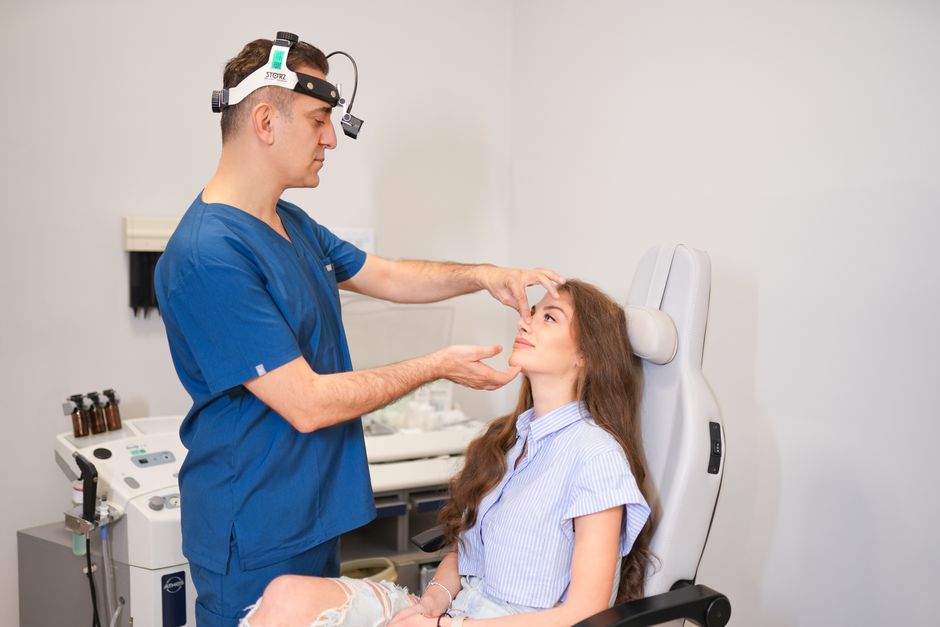
Good candidates are adults in reasonable general health who have noticeable sagging of the lower face, jowls, or neck, and who hold realistic expectations about a natural rejuvenation rather than a complete transformation.
Key factors that support a good outcome: - Skin that retains some elasticity redrapes well, supporting a smooth result - Non-smokers, or those willing to stop several weeks before and after surgery - No uncontrolled high blood pressure, bleeding or clotting disorders, or unstable chronic disease
A facelift is not advisable for people with: - Uncontrolled hypertension or heart disease - Active infection near the treatment area - Bleeding or clotting disorders - A strong tendency to keloid scarring
Smoking is a particular concern. It impairs blood supply to the lifted skin and can lead to serious healing problems — surgeons typically require stopping for several weeks before and after.
Patients whose main concern is fine surface wrinkles or skin texture rather than sagging may be better served by non-surgical treatments. A facelift addresses position and support, not skin quality.
Current blood thinners and significant unmanaged medical conditions must be disclosed before travel. Because this surgery requires general anesthesia and an inpatient night, fitness for anesthesia is assessed carefully, and a thorough consultation confirms suitability before you commit to the trip.
How the Procedure Works
Care begins with a consultation — often started remotely with photos, then completed in person.
The surgeon assesses your skin, degree of sagging, and facial structure, then agrees a plan: - SMAS or deep-plane lift - Whether to add a neck lift - Whether fat grafting is needed to restore volume
Pre-operative health checks confirm fitness for general anesthesia.
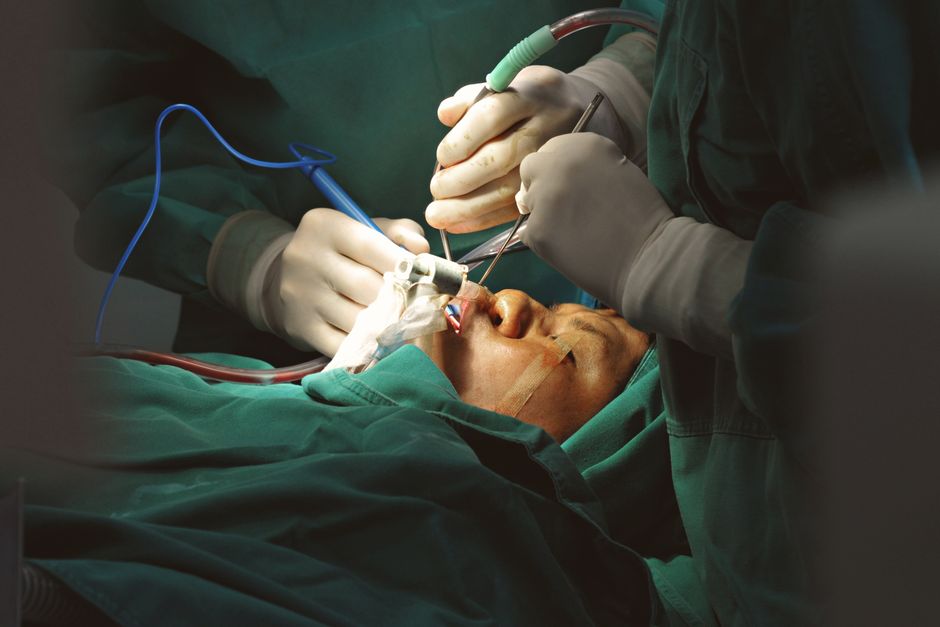
The operation is performed under general anesthesia. Incisions are placed discreetly — typically along the hairline, around the ear, and sometimes under the chin for neck work — so scars are concealed in natural creases and the hairline.
The surgeon lifts the skin, then works on the deeper SMAS layer: - A SMAS technique tightens or folds this layer - A deep-plane technique releases and lifts it more fully
The choice depends on your anatomy and goals.
If a neck lift is included, loose muscle bands and tissue under the chin are tightened. Fat grafting, when planned, harvests a small amount of your own fat and reinjects it to restore lost volume in the cheeks or hollowed areas.
Excess skin is then trimmed and redraped without excessive tension, and incisions are closed in layers.
Small drains are commonly placed to prevent fluid collecting under the skin, and a supportive dressing is applied. The operation typically takes 3–5 hours depending on whether neck lift and fat grafting are included.
Most patients spend about one night as an inpatient so the team can monitor recovery from anesthesia and check the drains.
Recovery Timeline
The first days bring the most swelling and bruising, along with a tight, numb feeling across the cheeks and neck — normal as the deeper tissues settle.
You spend about one night as an inpatient for monitoring. The dressing and drains are checked, and drains are usually removed within the first few days. Pain is generally moderate tightness and soreness rather than sharp pain, managed with prescribed medication.
Days 7–10: - Swelling and bruising begin to ease, though remain visible - Sutures are removed in stages at follow-up visits - Most international patients are cleared to fly home toward the end of this period, once healing is confirmed and key sutures are out
Weeks 2–4 bring visible progress. Most bruising fades, and you can return to light daily activity and gentle desk work, but avoid strenuous exercise, heavy lifting, and anything that raises blood pressure or risks a knock to the face.
Numbness around the ears and cheeks gradually resolves over weeks to months.
Months ahead: The contour continues to refine as residual swelling settles, with the natural final result emerging over several months.
KmedTour coordinators schedule staged suture-removal visits before departure and relay later questions to the clinic, so your longer healing is supported once you are back home.

Cost Breakdown
The range of $5,000 to $15,000 reflects the wide variation in facelift surgery — from a focused lower-face SMAS lift to an extended procedure combining a deep-plane lift, neck lift, and fat grafting.
What the quote typically covers: - Surgeon's fee - General anesthesia - Operating facility - Inpatient night - Drains and dressings - Standard pre-operative checks - Follow-up visits during your stay
What it generally excludes: - Flights and accommodation - Optional additions (neck lift, fat grafting) if not already in your plan - Any unrelated treatments
Because scope drives both cost and recovery, confirm in writing exactly what your personal quote covers before you travel.
Korea is competitive on price partly because of the high volume of facial surgery performed, which supports experienced surgeons and well-equipped facilities, and because facility, staffing, and overhead costs differ from those in the United States and parts of Europe.
For international patients the aim is accredited, experienced care — including the inpatient stay and follow-up — at a total cost that, with travel factored in, often compares favorably with equivalent surgery closer to home.
KmedTour provides an itemized quote so you can compare the same scope rather than headline numbers.
| Item | Typical Cost in Korea (USD) |
|---|---|
| SMAS facelift (lower face only) | $5,000–$8,000 |
| Deep-plane facelift | $7,000–$12,000 |
| Facelift + neck lift | $8,000–$13,000 |
| Facelift + neck lift + fat grafting | $10,000–$15,000 |
Why Korea
Korea performs a high volume of facial cosmetic surgery, and surgeons there place particular emphasis on the deeper SMAS and deep-plane techniques that support natural, lasting results rather than tightening skin alone.
This concentration of facial work builds broad experience across different face shapes and aging patterns — including patients traveling from Africa, the Middle East, and Asia.
Because a facelift involves general anesthesia, an inpatient night, and drains, the surrounding infrastructure matters. Korean clinics are typically well equipped with: - Established anesthesia and monitoring protocols - Proper sterilization and aftercare systems - Inpatient facilities suited to more involved procedures
The medical tourism sector is supported by the Ministry of Health and Welfare and promoted through KHIDI's Medical Korea program. Accreditation frameworks such as KOIHA exist to recognize facilities that meet defined standards for international patient care.
For patients coming from abroad, this combination of specialized surgical experience, proper inpatient facilities, and an established system for hosting international patients — including interpretation and coordinated scheduling — makes a more involved procedure feasible to plan around a single trip.
KmedTour connects you with accredited hospitals and helps verify a facility's credentials so your decision rests on real standards rather than marketing.
Key Takeaways
- Korean surgeons' emphasis on SMAS and deep-plane techniques targets the structural support layer beneath the skin, which is what produces natural, lasting results rather than a tight or operated look.
- Plan 10 days in Korea — this window covers consultation, surgery, the inpatient night, drain removal, and staged suture removal before international patients fly home.
- Cost ($5,000–$15,000) varies with scope — a focused lower-face SMAS lift and a combined deep-plane lift with neck lift and fat grafting are very different procedures; always compare itemized quotes, not headline numbers.
- Results continue to refine for several months after surgery as residual swelling settles — the contour you see at 10 days is not the final outcome.
Frequently Asked Questions
Will a facelift make me look like a different person?
No — the goal of modern facelift surgery, and the emphasis in Korea in particular, is to restore a fresher, more rested version of your own face. SMAS and deep-plane techniques reposition deeper tissue rather than pulling skin tight, which avoids the stretched or artificial appearance associated with older approaches. The result should look like you at an earlier point, not a different person.
How long do facelift results last?
Results are not permanent because aging continues, but a well-executed deep-tissue facelift typically provides a durable improvement over many years. Most patients find they still look younger than they would have without surgery even a decade later. Factors such as sun protection, skin care, lifestyle, and whether volume loss is addressed with fat grafting all influence how the result ages over time.
Can I combine a facelift with other procedures on the same trip?
Yes — it is common to combine a facelift with a neck lift, fat grafting, or eyelid surgery during the same operation, which avoids multiple trips and a single anesthesia event covers all areas. The combination is planned during consultation based on your goals and recovery tolerance. Adding procedures extends operating time and can add to the overall cost and recovery period, so your surgeon will discuss what is reasonable in a single session.
Why is one night in hospital required?
A facelift is performed under general anesthesia, drains are commonly placed, and the early post-operative period requires monitoring for bleeding, fluid accumulation, and anesthesia recovery. The inpatient night allows the surgical team to check the dressing and drains, manage any early swelling or discomfort, and confirm you are stable before discharge. This is standard practice for the procedure globally and is included in the quoted cost.
What happens to my follow-up care once I am back home?
KmedTour coordinators schedule your key follow-up visits, including staged suture removal, before departure so the critical early checkpoints are completed in Korea. Once home, questions and concerns are relayed to the clinic through your coordinator. For longer-term follow-up, your surgeon can review photographs and advise remotely, and your local doctor can help with general wound monitoring. You will receive clear written instructions on what to watch for and when to seek local medical attention.
Related Topics
Ready to Begin Your Journey?
Get matched with KAHF-accredited hospitals and receive a personalized treatment plan.
Quick Facts
Typical Cost
$5000 - $15000
Duration
10 days
Accredited Hospitals
3+ Available
Top Hospitals
Available Cities
Medical Information Disclaimer
The information provided on this page about Facelift is for general educational and informational purposes only. It is not intended as, and should not be construed as, medical advice, diagnosis, or treatment recommendations.
Always seek the advice of a qualified healthcare professional regarding any medical condition or treatment. Never disregard professional medical advice or delay seeking it because of information found on this website. Individual treatment outcomes may vary. Costs shown are estimates and may differ based on individual circumstances.
KmedTour acts as a medical tourism facilitator and does not provide direct medical services. All treatments are performed by independently accredited healthcare providers in South Korea.