Gastroenterology$400 - $1200⭐ KAHF Accredited Hospitals
Endoscopy in Korea
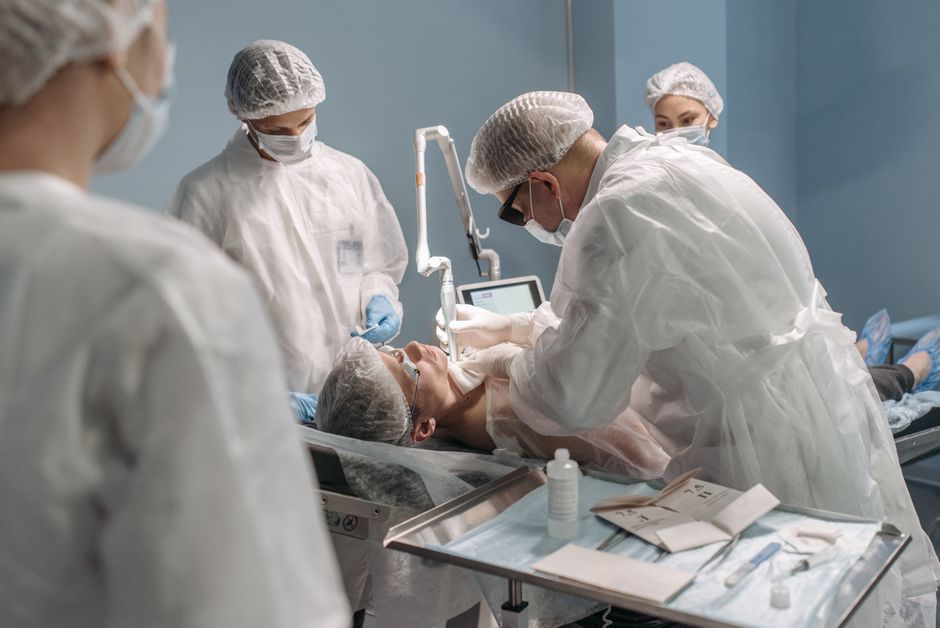
Upper GI endoscopy (gastroscopy) in South Korea — a fast outpatient camera exam of the esophagus, stomach and duodenum, often under sedation.
Quick Answer
- Upper GI endoscopy (gastroscopy) passes a thin flexible camera through the mouth to inspect the esophagus, stomach and duodenum, with biopsies taken when needed.
- In Korea it is usually a same-day outpatient exam, often with light sedation (commonly propofol-based) so most people feel little to nothing.
- Korea screens for gastric cancer at scale — biennial endoscopy is offered to its own population from age 40 — so the technique and turnaround are highly routine.
- A standalone gastroscopy or a screening package that includes it typically falls in the ~$100–$600 USD range depending on sedation and add-ons.
At a Glance
| Procedure time | About 10–30 minutes |
|---|---|
| Anesthesia | Optional light sedation (often propofol-based); also offered unsedated |
| Hospital stay | None — outpatient, same-day discharge |
| Recommended stay in Korea | 1–3 days (allows fasting prep, the exam, and a results review) |
| Recovery | Rest the day of sedation; most resume normal activity next day |
| Typical cost in Korea | Approx. $100–$600 USD (standalone exam vs. screening package) |
Overview
Upper GI endoscopy — also called gastroscopy or EGD (esophagogastroduodenoscopy) — uses a thin, flexible tube with a camera and light at its tip to directly view the lining of the esophagus, stomach and duodenum.
It is used to investigate symptoms such as persistent heartburn, indigestion, difficulty swallowing, nausea or upper-abdominal pain, and to check for ulcers, inflammation, bleeding and early growths.
During the exam the physician can take small tissue biopsies through the scope, which you cannot feel. These can confirm a diagnosis or test for Helicobacter pylori, a bacterium linked to ulcers and stomach cancer.
In Korea, gastroscopy is an everyday procedure: it sits at the center of the country's national gastric-cancer screening approach, so equipment, sedation protocols and same-visit reporting are well established.
Bundle it into a check-up
Many Seoul screening centers let you add gastroscopy — and sometimes a same-session colonoscopy under one sedation — to a broader health package, often with same-day visual results and English support. Ask exactly what sedation, biopsy and pathology fees are included before you book.
Plan for the sedation day
If you choose sedation, you cannot drive or travel solo right after, and important decisions should wait until the next day. Arrange a companion and a light schedule, and follow the fasting instructions exactly so the exam isn't postponed.

Am I a Candidate?
Upper GI endoscopy may be appropriate if you have:
- Ongoing heartburn, reflux or indigestion not responding to medication
- Difficulty or pain when swallowing, or a sensation of food sticking
- Unexplained nausea, vomiting or upper-abdominal pain
- Signs of GI bleeding, such as black stools or unexplained anemia
- A need to test for or confirm H. pylori, ulcers or gastritis
- A personal or family history that warrants gastric-cancer screening
Many travelers also add gastroscopy to a broader health check-up as a preventive step.
Tell your care team beforehand about blood thinners, diabetes medication, allergies, pregnancy, or heart and lung conditions, because these affect sedation and preparation. The physician will confirm whether sedated or unsedated examination suits you, and whether biopsies or H. pylori testing are planned.
How the Procedure Works
- Fasting: You stop eating and usually drinking for roughly 6 or more hours beforehand so the stomach is empty and clearly visible.
- Preparation: A throat spray numbs the gag reflex. If you choose sedation, a short-acting agent (often propofol-based) is given through an IV so you are relaxed and typically unaware during the exam.
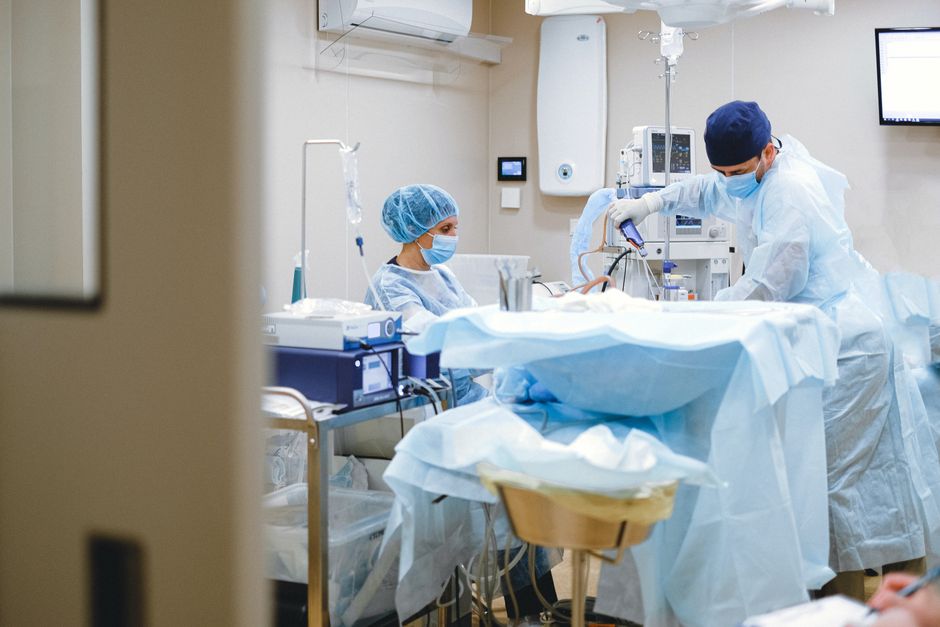
- The exam: Lying on your side, the thin scope is passed gently through the mouth. Air or gas may be used to expand the stomach for a clear view. The whole exam commonly takes 10–30 minutes.
- Biopsies: Small painless tissue samples may be taken, including to test for H. pylori, and any findings are photographed.
- Recovery area: You rest until sedation wears off, usually around 30 minutes, then review findings with the physician.
Recovery Timeline
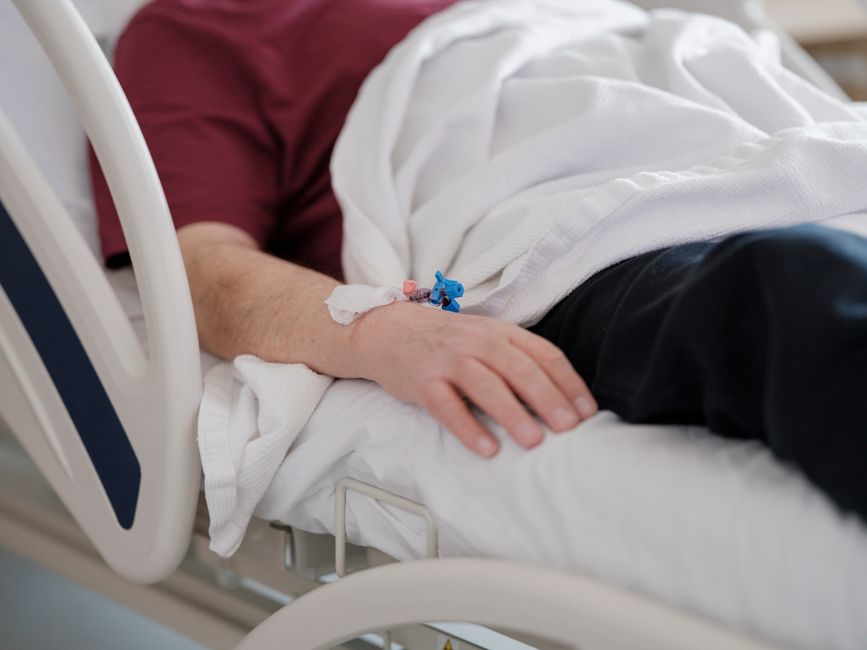
- First few hours: If sedated, you rest in recovery until alert. A mild sore throat, bloating or burping from the air used is common and settles quickly.
- Same day: Once fully awake you can usually eat lightly. Because sedation slows reaction time, you should not drive, operate machinery or sign important documents that day, and should have someone accompany you.
- Next day: Most people return to normal activity and diet. Throat discomfort typically resolves within a day.
- Results: Visual findings are often discussed the same day; biopsy or H. pylori results generally take several days to a week.
Seek prompt care for severe abdominal pain, persistent vomiting, black or bloody stools, fever, or trouble breathing — these are uncommon but warrant attention.
Cost Breakdown
In Korea, pricing depends mainly on whether you want sedation, whether biopsies or H. pylori testing are added, and whether the gastroscopy is standalone or bundled into a health-screening package.
A focused upper GI endoscopy is generally one of the more affordable diagnostic procedures. Comprehensive screening packages that include gastroscopy alongside other tests sit higher because of the added scope of work.
Reported ranges from Korean medical-tourism and screening sources put a standalone or package-inclusive gastroscopy broadly in the ~$100–$600 USD band, with combined gastroscopy-plus-colonoscopy in one sedation session adding to the total.
Many centers serving international patients offer English coordination, transparent package pricing and same-visit reporting. Always confirm exactly what is included — sedation, biopsy, pathology and follow-up consultation — before booking, as quotes are approximate and vary by clinic.
| Item | Typical Cost in Korea (USD) |
|---|---|
| Standalone gastroscopy (no sedation) | $100–$250 |
| Gastroscopy with light sedation | $200–$400 |
| Gastroscopy within a screening package | $300–$600 |
| Biopsy / H. pylori testing add-on | $50–$200 |
| Combined gastroscopy + colonoscopy (one sedation) | $400–$900 |
Why Korea
Korea performs upper GI endoscopy at exceptional volume. Gastroscopy is central to the country's national gastric-cancer screening approach, with biennial endoscopy offered to its own residents from age 40 — so the workflow, sedation handling and reporting are deeply routine.
Seoul, including the Gangnam district, has a dense cluster of dedicated health-screening centers that bundle gastroscopy into efficient same-day check-ups, frequently with English-speaking coordination for international visitors.
The sector is government-supported: the Korea Health Industry Development Institute (KHIDI) promotes medical travel under the Ministry of Health and Welfare via the Medical Korea program, and a national accreditation scheme recognizes hospitals serving foreign patients.
Medical devices are regulated by the Ministry of Food and Drug Safety (MFDS). Combined with modern equipment and competitive pricing, this makes Korea a practical destination for endoscopic screening.
Key Takeaways
- Upper GI endoscopy in Korea is a fast, same-day outpatient exam of the esophagus, stomach and duodenum, often with light sedation and optional biopsies.
- Korea's large-scale gastric-cancer screening culture makes gastroscopy highly routine, and Seoul/Gangnam screening centers commonly serve international patients with package pricing.
- Budget roughly $100–$600 USD depending on sedation and whether it's standalone or part of a health-screening package, and confirm inclusions before booking.
Frequently Asked Questions
Is upper GI endoscopy painful in Korea?
Most patients feel little to no pain. A throat spray numbs the gag reflex, and many people choose light sedation — often a short-acting propofol-based agent — so they are relaxed and usually unaware during the exam. An unsedated option is also available if you prefer to avoid sedation.
How long does the procedure and recovery take?
The exam itself commonly takes about 10–30 minutes. If sedated, you then rest in a recovery area for roughly 30 minutes until you are alert. It is an outpatient procedure with same-day discharge, and most people return to normal activity the next day.
How much does gastroscopy cost in South Korea?
Costs are approximate and vary by clinic, sedation choice and add-ons such as biopsies or H. pylori testing. A standalone exam or one bundled into a screening package broadly falls in the range of about $100–$600 USD. Always confirm exactly what the quoted price includes.
How long should I stay in Korea for an endoscopy?
For a focused gastroscopy, many travelers plan around 1–3 days. That allows time for fasting preparation, the exam itself, recovery from any sedation, and a results review. Note that biopsy or H. pylori results can take several days to a week to finalize.
Do I need to fast before the exam?
Yes. You typically need an empty stomach, with nothing to eat or usually drink for roughly six or more hours beforehand, so the stomach lining is clear and the exam is safe and thorough. Follow your clinic's specific instructions, as timing can vary.
Related Topics
Sources
Ready to Begin Your Journey?
Get matched with KAHF-accredited hospitals and receive a personalized treatment plan.
Quick Facts
Typical Cost
$400 - $1200
Duration
1 days
Accredited Hospitals
2+ Available
Top Hospitals
Available Cities
Medical Information Disclaimer
The information provided on this page about Endoscopy is for general educational and informational purposes only. It is not intended as, and should not be construed as, medical advice, diagnosis, or treatment recommendations.
Always seek the advice of a qualified healthcare professional regarding any medical condition or treatment. Never disregard professional medical advice or delay seeking it because of information found on this website. Individual treatment outcomes may vary. Costs shown are estimates and may differ based on individual circumstances.
KmedTour acts as a medical tourism facilitator and does not provide direct medical services. All treatments are performed by independently accredited healthcare providers in South Korea.