Fertility$3000 - $6000⭐ KAHF Accredited Hospitals
Egg Freezing in Korea
Oocyte cryopreservation — freezing mature eggs to preserve fertility for use at a future time.
Quick Answer
- Egg freezing (oocyte cryopreservation) uses ovarian stimulation and a brief egg-retrieval procedure to collect mature eggs, which are then vitrified (flash-frozen) and stored in liquid nitrogen — pausing their biological age for use in a future IVF cycle.
- Best candidates are women who wish to delay childbearing, those about to undergo chemotherapy or radiation that can damage ovarian function, or those with conditions linked to early ovarian decline.
- The Korea stay is approximately 14 days, covering stimulation, monitoring appointments, and the retrieval procedure — no transfer is performed during the egg-freezing cycle itself.
- Typical cost in Korea: $3,000–$6,000 USD per cycle, plus medication costs and annual storage fees.
At a Glance
| Cycle duration | Approximately 14 days (stimulation through retrieval) |
|---|---|
| Egg retrieval procedure | 15–30 minutes under sedation |
| Recommended stay in Korea | ~14 days |
| Storage | Vitrified eggs stored in liquid nitrogen; annual storage fee applies |
| Future use | Eggs thawed and used in a future IVF cycle |
| Typical cost in Korea | $3,000–$6,000 USD per cycle (plus medications and storage) |
Overview
Egg freezing (oocyte cryopreservation) collects mature eggs during a stimulated cycle, vitrifies them using rapid-freeze technology, and stores them in liquid nitrogen — pausing their biological age. When you are ready to attempt pregnancy, the eggs are thawed, fertilised, and transferred in an IVF cycle.
Patients from Africa, the Middle East, and Southeast Asia choose Korean fertility clinics for egg freezing because accredited centres offer vitrification (flash-freezing that avoids ice crystal formation and significantly improves egg survival rates compared to older slow-freeze methods), experienced embryology teams, and competitive pricing relative to Western clinics.
The egg-freezing process follows the same initial stages as a full IVF cycle:
- Ovarian stimulation (daily hormone injections for approximately 10–12 days)
- Monitoring appointments (ultrasound and blood tests every 2–3 days)
- Trigger injection to mature the eggs
- Egg retrieval under sedation
- Vitrification of mature eggs in the embryology laboratory
No embryo transfer occurs during the egg-freezing cycle. The eggs remain stored until you return for a future IVF attempt.
KmedTour coordinates clinic matching, appointment scheduling, interpreter support, and local accommodation guidance for the approximately 14-day stay.

Am I a Candidate?
Egg freezing may be appropriate for:
- Elective fertility preservation — women who wish to delay childbearing for personal, professional, or relationship reasons while protecting egg quality
- Medical fertility preservation before cancer treatment — chemotherapy, radiation, or surgery that may damage ovarian function; timing here is urgent and the clinic can prioritise scheduling
- Conditions associated with early ovarian decline — such as Turner syndrome (mosaic forms), BRCA gene mutations (when bilateral salpingo-oophorectomy is planned), or a family history of early menopause
- Prior to gender-affirming hormone treatment — to preserve fertility before hormonal changes affect egg quality
Ovarian reserve assessment is central to candidacy:
The clinic will review:
- AMH (anti-Müllerian hormone) blood test — a marker of ovarian reserve
- Antral follicle count (AFC) on baseline ultrasound — counts the small follicles visible at the start of the cycle
- Day-2/3 FSH and oestradiol — additional reserve markers
These results help the clinic predict how many eggs are likely to be retrieved. The number of mature eggs needed for a reasonable future chance of pregnancy depends on your age and goals — the reproductive specialist will discuss realistic expectations based on your reserve assessment.
A pre-travel video consultation with recent AMH results and an AFC ultrasound allows a personalised plan before you travel.
How the Procedure Works
The egg-freezing cycle follows the same first stages as an IVF cycle, with vitrification at the end instead of transfer.
Ovarian stimulation (approximately Days 1–12): Daily self-administered hormone injections stimulate the ovaries to grow multiple follicles. Monitoring appointments every 2–3 days track follicle growth and hormone levels.
Trigger injection: When follicles reach the target size, a trigger injection times final egg maturation precisely 36 hours before retrieval.
Egg retrieval (approximately Day 14): Under light intravenous sedation, the embryologist uses transvaginal ultrasound guidance to aspirate each mature follicle through a fine needle. The procedure typically takes 15–30 minutes.
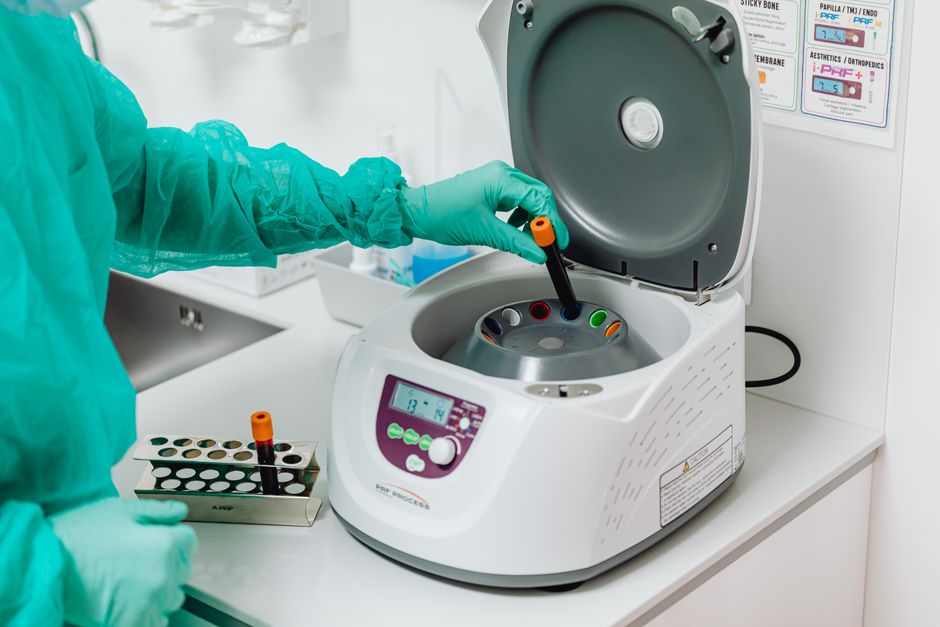
Vitrification: Mature eggs (MII stage) are identified in the laboratory and vitrified — flash-frozen using cryoprotectant solutions and stored in liquid nitrogen straws. Immature eggs cannot be vitrified and are not stored.
After retrieval: You receive a report of how many mature eggs were collected and vitrified. Mild cramping or bloating may follow retrieval and typically resolves within a day or two. A brief recovery observation period follows before discharge.
Future use: When you are ready to attempt pregnancy, a frozen embryo transfer (FET) cycle thaws the eggs, fertilises them (usually with ICSI), cultures the resulting embryos, and transfers one to the uterus.
Recovery Timeline
Egg freezing does not require surgical recovery in the conventional sense, but the stimulation phase has a structured monitoring schedule and the retrieval day involves sedation.
Stimulation phase (approximately Days 1–12):
- Daily injections — self-administered after clinic instruction on day one
- Monitoring appointments every 2–3 days — plan your Korea schedule to include these
- Increasing fullness or bloating as follicles grow is common and expected
- Report significant abdominal pain, rapid weight gain, or difficulty breathing promptly (these may indicate OHSS)
Retrieval day:
- You will need an escort; do not drive after sedation
- Mild cramping and light spotting are common and resolve quickly
- Most patients rest the retrieval day and resume normal activity the following day
After retrieval:
- Your normal menstrual cycle resumes after the next period
- Egg-freezing does not affect future natural fertility
- The clinic provides a written report of eggs retrieved and vitrified before you leave
Storage:
- Eggs are stored in the clinic's liquid nitrogen tanks under regulated conditions
- Annual storage fees apply — confirm the clinic's storage terms and what happens if you wish to transfer eggs internationally in the future
Cost Breakdown
The estimated cost for one egg-freezing cycle through KmedTour ranges from $3,000 to $6,000 USD. This covers the clinic procedure costs but excludes medication and storage fees, which are significant:
What the cycle fee generally covers:
- Reproductive specialist consultations
- Ultrasound monitoring during stimulation
- Egg retrieval procedure and sedation
- Embryology laboratory fees: egg identification, maturity assessment, and vitrification
- First-year egg storage (confirm with clinic)
Key additional costs:
- Stimulation medications: typically $1,500–$3,000 depending on protocol and ovarian reserve
- Annual egg storage fees after the first year
- Future FET cycle cost when you return to use the eggs (typically $2,000–$5,000 plus medications)
- International flights, accommodation, and living costs during the ~14-day stay
Multiple cycles are sometimes needed to collect enough eggs — the reproductive specialist will discuss realistic targets based on your ovarian reserve before you decide to travel.
KmedTour provides a written, itemised quotation so you understand the full financial picture.
| Item | Typical Cost in Korea (USD) |
|---|---|
| Egg-freezing cycle — clinic fee (monitoring, retrieval, vitrification) | $3,000–$6,000 |
| Stimulation medications (estimated — varies by protocol) | $1,500–$3,000 additional |
| Annual egg storage fee (after first year) | Clinic-specific; confirm in writing |
| Future FET cycle to use frozen eggs | $2,000–$5,000 additional |
| Second egg-freezing cycle (if needed for egg target) | $3,000–$6,000 additional |
Why Korea
Korean fertility clinics have adopted vitrification as the standard freezing method, replacing older slow-freeze techniques. Vitrification dramatically improves egg survival on thaw and is now standard at accredited international fertility centres.
Accreditation and oversight:
- KOIHA (Korean Organisation for International Healthcare Accreditation) sets quality and safety benchmarks for clinics treating international patients
- KHIDI's Medical Korea programme supports foreign patient access to accredited fertility centres
Clinical and laboratory approach: Accredited clinics offer individual stimulation protocol design based on ovarian reserve testing, frequent monitoring during stimulation to minimise OHSS risk, and experienced embryology teams for vitrification and future thaw procedures.
International patient infrastructure: Dedicated international patient coordinators handle scheduling across the monitoring-intensive 14-day cycle, provide interpreter services, and coordinate records transfer for future use in the patient's home country.
KmedTour matches patients to an appropriate clinic based on their reserve assessment, discusses realistic outcome expectations, and coordinates the full stay.
Key Takeaways
- Egg freezing uses vitrification — flash-freeze technology — to preserve mature eggs collected during a stimulated cycle; the Korea stay is approximately 14 days for stimulation, monitoring, and retrieval, with no transfer performed during this cycle.
- Stimulation medications add $1,500–$3,000 to the cycle fee, and annual storage costs apply; multiple cycles are sometimes needed to reach a meaningful egg number — discuss realistic targets based on your AMH and AFC at the pre-travel consultation.
- Korean fertility clinics accredited under KOIHA use vitrification as the standard method and offer individual protocol design with frequent monitoring to manage OHSS risk.
- Costs are $3,000–$6,000 per cycle for clinic fees, plus medications and storage; a future frozen embryo transfer cycle will incur additional costs when you return to use the eggs.
Frequently Asked Questions
How many eggs do I need to freeze?
The number of eggs needed depends on your age at freezing and your pregnancy goals, since younger women's eggs are more likely to lead to a successful pregnancy after thaw and fertilisation. The specialist uses your ovarian reserve markers, AMH, antral follicle count, and age, to estimate how many eggs one cycle should produce and how many you need for confidence. Some women feel satisfied after one cycle; others return for additional cycles if the first fell short.
Does egg freezing affect future natural fertility?
No. The stimulation cycle and retrieval do not deplete the overall ovarian reserve in a clinically meaningful way. Ovaries contain a large pool of follicles at birth; each stimulation cycle recruits follicles from the pool that would otherwise be lost in that natural cycle. Multiple stimulation cycles in a short time are generally safe but should be discussed with the reproductive specialist based on your reserve and response. Your normal menstrual cycle resumes after the next period following retrieval.
How long can eggs be stored?
Vitrified eggs can be stored for many years. Most regulatory frameworks permit storage for a defined period, commonly five to ten years, with options to extend. Because storage rules differ by country, understand the Korean clinic's specific storage policies and your options if you later wish to transport eggs to another country for use. Confirm all storage terms, annual fees, and international transport arrangements in writing before proceeding.
What happens when I want to use my frozen eggs?
When you are ready to attempt pregnancy, you return for a frozen embryo transfer (FET) cycle. The frozen eggs are thawed, typically one cohort at a time, and fertilised using ICSI. The resulting embryos are cultured for several days, and one blastocyst is selected for transfer. Unused fertilised eggs (embryos) can be re-frozen. The FET cycle is shorter and less intensive than a full stimulation cycle: the uterus is prepared with hormonal medications over about two weeks before transfer.
Is there an age limit for egg freezing?
Egg freezing is most effective at a younger age, when egg quality and ovarian reserve are higher. Most accredited clinics set an upper age limit for elective egg freezing, commonly in the early-to-mid forties, because egg quality and quantity decline significantly with age. At older ages the likelihood of retrieving viable eggs and achieving a future pregnancy drops substantially, so the clinic should give you a frank assessment of realistic outcomes based on your reserve markers before you proceed.
Related Topics
Ready to Begin Your Journey?
Get matched with KAHF-accredited hospitals and receive a personalized treatment plan.
Quick Facts
Typical Cost
$3000 - $6000
Duration
14 days
Accredited Hospitals
3+ Available
Top Hospitals
Medical Information Disclaimer
The information provided on this page about Egg Freezing is for general educational and informational purposes only. It is not intended as, and should not be construed as, medical advice, diagnosis, or treatment recommendations.
Always seek the advice of a qualified healthcare professional regarding any medical condition or treatment. Never disregard professional medical advice or delay seeking it because of information found on this website. Individual treatment outcomes may vary. Costs shown are estimates and may differ based on individual circumstances.
KmedTour acts as a medical tourism facilitator and does not provide direct medical services. All treatments are performed by independently accredited healthcare providers in South Korea.