
Cosmetic$1500 - $4000⭐ KAHF Accredited Hospitals
Double Eyelid Surgery in Korea
Surgery that creates or refines an upper-eyelid crease to make the eyes look larger and more open.
Quick Answer
- Double eyelid surgery creates a defined upper-eyelid crease — either from scratch for those born without one, or refined for a more balanced, open-eye look.
- Two main techniques: non-incisional (buried suture) for thinner lids with minimal skin excess, and incisional for heavier or more variable lids needing lasting definition.
- Korea is one of the highest-volume centres for this procedure globally, giving surgeons deep experience in matching crease height and shape to each patient's anatomy — including heavier lids common among African, Middle Eastern, and Asian patients.
- Typical cost in Korea runs $1,500–$4,000 USD; plan roughly 5 days in-country for consultation, surgery, and early healing before flying home.
At a Glance
| Procedure time | 1–2 hours |
|---|---|
| Anesthesia | Local with light sedation |
| Hospital stay | Same-day (outpatient) |
| Recommended stay in Korea | ~5 days |
| Recovery | Return to desk work in days; full crease settles in 2–3 months |
| Typical cost in Korea | $1,500–$4,000 USD |
Overview
Double eyelid surgery creates a defined crease in the upper eyelid for people born without one, or refines an existing crease to make the eyes appear larger and more rested.
Patients travel to Korea because the procedure is one of the most frequently performed cosmetic operations there — giving surgeons extensive experience in tailoring crease height and shape to suit each face naturally, rather than applying one fixed look.
The goal is a crease that fits your eye anatomy and proportions.
- Some patients want a subtle, low crease that simply opens the eye slightly
- Others prefer a more defined fold
- Many patients from regions where a natural crease is uncommon choose this surgery to reduce the heaviness of the upper lid and make applying makeup or simply looking awake easier
There are two main techniques:
- Non-incisional (buried suture) method — passes fine sutures through small punctures to anchor the crease without a long cut; suits patients with thinner lids and little excess skin
- Incisional method — uses a fine cut along the planned crease to remove a small amount of skin or fat and create a more durable, defined fold; suits heavier or more variable lids
An epicanthoplasty, which adjusts the small fold at the inner corner of the eye, is sometimes added to lengthen the eye's appearance, but it is a separate decision.
This surgery is distinct from ptosis correction, which addresses a drooping lid caused by weak muscle and changes how much the eye opens — not just the crease.
The ~5-day recommended stay allows for consultation, surgery, and early healing before you fly home.
Remote consultation
Many Korean clinics review your photos before travel to confirm technique and set realistic expectations — use this service to avoid surprises on arrival.
Non-incisional vs incisional: ask your surgeon
Lid thickness and the amount of excess skin or fat determine which method suits you. Request the surgeon's reasoning in writing during your remote consult so you understand why one technique was recommended over the other.
Crease looks higher at first
In the first weeks after surgery the crease will appear higher and tighter than the final result. This is normal — full settling takes 2–3 months. Do not judge the outcome too early.
Am I a Candidate?
Good candidates are healthy adults who want a more defined or symmetric eyelid crease, understand the difference between a cosmetic crease and a functional lid problem, and have realistic expectations about a natural-looking change.
Lid type guides technique:
- Thin lids with minimal excess skin — usually suited to the non-incisional (buried suture) method
- Heavier lids, excess skin, or excess fat — typically benefit more from the incisional approach
The surgery is not advisable for people with:
- Active eye infection
- Uncontrolled dry-eye disease
- Bleeding disorders or unstable chronic illness
If your main concern is a lid that droops and partly covers the pupil, that may be ptosis — which needs a separate assessment, because creating a crease alone will not lift a weak lid.
Patients who form keloid scars, take blood thinners, or have had previous eyelid surgery should mention this before travel, as it affects technique and healing.
Those seeking a dramatically Westernized eye that does not match their features are usually counseled toward a result that suits their face.
A careful consultation — with photos reviewed in advance — confirms which method fits your anatomy and whether any add-on such as epicanthoplasty is appropriate for you.
How the Procedure Works
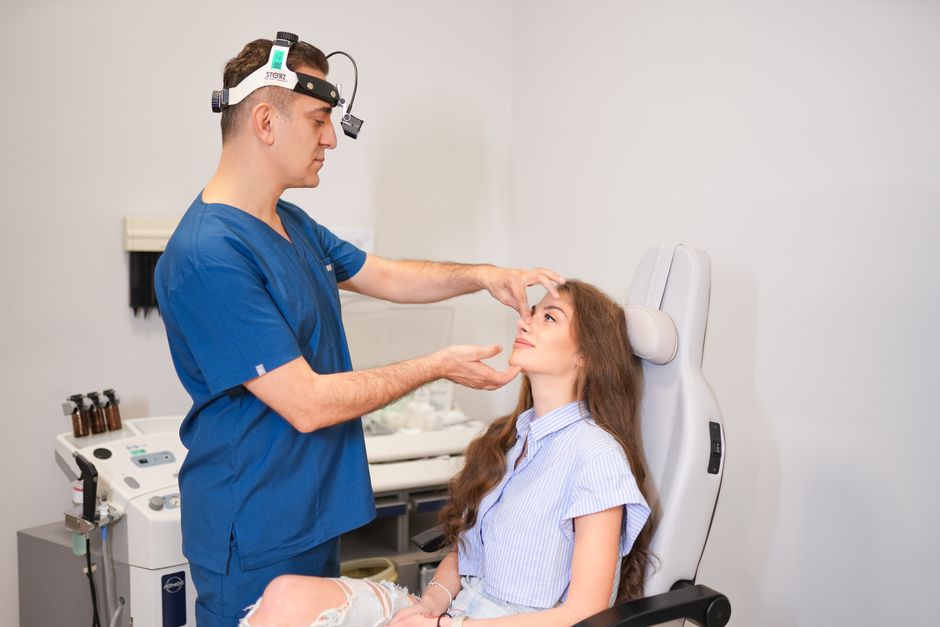
Care starts with a consultation, often begun remotely with photographs and completed in person.
The surgeon examines your lid thickness, skin, fat, and natural symmetry, then discusses crease height and which technique suits you.
The planned crease is marked precisely while you are sitting up, because lid position changes when lying down.
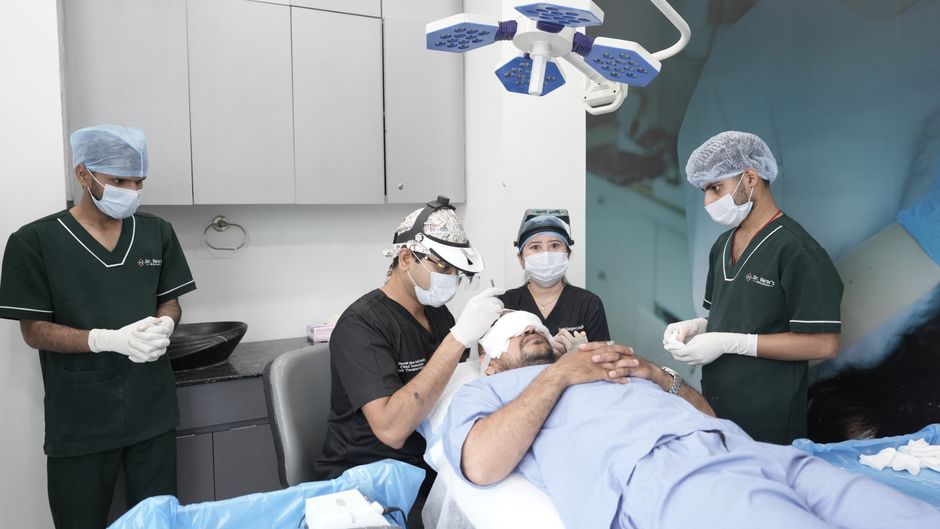
The procedure runs under local anesthesia with light sedation, so you remain comfortable and can sometimes open your eyes briefly to check symmetry.
For the non-incisional method:
- Several tiny punctures are made
- Fine sutures are passed to fold and anchor the crease
- No long external scar is left
For the incisional method:
- A fine cut is made along the marked crease line
- Small amounts of excess skin, muscle, or fat are removed as needed
- The crease is secured with sutures, producing a more defined and durable fold
If agreed in advance, an epicanthoplasty is performed at the inner corner to lengthen the eye's appearance, using a small, carefully placed incision.
Where a drooping lid is confirmed, ptosis correction adjusts the lid-lifting muscle — a distinct step from crease creation.
The operation typically takes 1–2 hours depending on method and whether add-ons are included.
Fine sutures are placed, cool compresses are started, and you receive detailed aftercare instructions. Most patients go home the same day rather than staying overnight.
Recovery Timeline
Swelling and mild bruising around the eyes are expected and peak in the first two to three days.
Cool compresses, keeping the head elevated, and resting the eyes help settle this. Discomfort is usually mild — described as tightness or a foreign-body sensation rather than significant pain — and is managed with simple prescribed medication.
Suture removal timing depends on technique:
- Incisional method — external sutures typically removed around day 4–7 at a follow-up visit, which fits the ~5-day stay
- Non-incisional method — no long suture line to remove
Most international patients are cleared to fly home toward the end of this window once the surgeon confirms early healing is on track.
At departure the eyes still look swollen, and the crease appears higher and tighter than it eventually will.
Weeks 2–3 milestones:
- Bulk of swelling subsides
- Crease begins to soften toward natural height
- Many patients return to desk work; glasses or rest as needed
- Avoid strenuous activity, rubbing the eyes, and eye makeup until cleared
The crease continues to settle and look more natural over 2–3 months as residual swelling resolves and any incision line fades.
KmedTour coordinators arrange your suture-removal visit before departure and relay later questions to the clinic, so your healing is supported after you return home.

Cost Breakdown
The range of $1,500–$4,000 USD reflects the difference between a straightforward non-incisional crease and a more involved incisional case — or one that adds epicanthoplasty or ptosis correction.
What a quote typically includes:
- Surgeon's fee
- Local anesthesia and sedation
- Facility fee
- Standard pre-operative checks
- Follow-up visits during your stay
What it generally excludes:
- Flights and accommodation
- Optional add-ons decided during or after consultation
- Any unrelated treatments
Add-ons such as epicanthoplasty or ptosis correction change both the price and the recovery — confirm in writing exactly what your personal quote covers before you travel.
Korea is competitive on price largely because of the sheer volume of eyelid surgery performed, which supports efficient, experienced clinics, and because facility and staffing costs differ from those in the United States and parts of Europe.
For international patients, the goal is accredited, experienced care at a total cost — including travel — that often compares favourably with equivalent work closer to home.
KmedTour provides an itemized quote so you can compare the same scope of work rather than headline figures alone.
| Item | Typical Cost in Korea (USD) |
|---|---|
| Non-incisional (buried suture) | $1,500–$2,500 |
| Incisional method | $2,000–$3,500 |
| Incisional + epicanthoplasty | $2,500–$4,000 |
| Add-on: ptosis correction | $500–$1,000 extra |
Why Korea
Double eyelid surgery is among the most commonly performed cosmetic procedures in Korea, so surgeons accumulate deep experience in matching crease height and method to each patient's anatomy.
This includes the heavier lids common among patients from Africa, the Middle East, and Asia who have no natural crease — a population well represented in Korean clinics. This volume supports refined, conservative techniques aimed at natural results.
Korean clinics are typically well equipped, with established protocols for anesthesia, sterilization, and aftercare.
The medical tourism sector is supported by:
- The Ministry of Health and Welfare
- KHIDI's Medical Korea program, which promotes Korea internationally as a medical travel destination
- KOIHA accreditation frameworks that recognise facilities meeting defined standards for international patient care
For patients travelling from abroad, this combination of focused surgical experience, modern facilities, and an established system for hosting international patients — including interpretation and coordinated scheduling — is what makes the trip practical.
KmedTour connects you with accredited hospitals and helps verify a facility's credentials so your choice rests on real standards rather than marketing.
Key Takeaways
- Korea's high surgical volume in double eyelid surgery gives surgeons experience with a wide range of lid types, including heavier lids common among patients from Africa, the GCC, and Asia — the result is natural-looking creases tailored to your anatomy, not a one-size look.
- Choose technique based on lid anatomy: non-incisional suits thin lids with minimal excess skin; incisional suits heavier or more variable lids needing a durable, defined fold.
- Plan ~5 days in-country for consultation, surgery, suture removal (incisional cases), and clearance to fly; cost runs $1,500–$4,000 USD depending on method and any add-ons.
- The crease continues to settle for 2–3 months after surgery — do not assess the final result during your immediate recovery.
Frequently Asked Questions
What is the difference between the non-incisional and incisional methods?
The non-incisional (buried suture) method anchors the crease with fine sutures through tiny punctures, leaving no long external scar, and suits thinner lids with little excess skin. The incisional method makes a fine cut along the crease, removes a small amount of excess skin, muscle, or fat, and produces a more durable, defined fold, suiting heavier lids. Your surgeon recommends a technique based on lid thickness, skin amount, and the result you want.
Is double eyelid surgery painful?
The procedure is performed under local anesthesia with light sedation, so discomfort during surgery is minimal. Afterwards, most patients describe the sensation as mild tightness or a foreign-body feeling rather than significant pain, managed well with simple prescribed medication. Swelling and bruising peak in the first two to three days and gradually resolve over the following weeks.
How long do the results last?
Results from the incisional method are generally considered permanent, as the crease is structurally secured and excess skin is removed. The non-incisional method is long-lasting but carries a small chance the sutures can loosen over many years, particularly in patients whose lids change with age or weight. Your surgeon will discuss expected longevity based on your lid type and chosen technique.
Can I combine double eyelid surgery with epicanthoplasty or ptosis correction?
Yes, but these are distinct procedures with their own surgical steps, recovery considerations, and cost implications. An epicanthoplasty adjusts the inner-corner fold to lengthen the eye's appearance. Ptosis correction addresses a drooping lid by adjusting the lid-lifting muscle — it changes how wide the eye opens, not just the crease. Combining procedures is common in Korean clinics, but must be agreed in advance and will affect total recovery time and price.
How long should I stay in Korea for double eyelid surgery?
A stay of approximately 5 days is typically recommended. This allows time for an in-person consultation, the procedure itself, a day or two of early recovery, suture removal for incisional cases (usually day 4–7), and surgical clearance before flying home. The non-incisional method has no long suture line to remove, so clearance may come earlier, but 5 days provides a comfortable buffer for most patients.
Related Topics
Ready to Begin Your Journey?
Get matched with KAHF-accredited hospitals and receive a personalized treatment plan.
Quick Facts
Typical Cost
$1500 - $4000
Duration
5 days
Accredited Hospitals
3+ Available
Top Hospitals
Available Cities
Medical Information Disclaimer
The information provided on this page about Double Eyelid Surgery is for general educational and informational purposes only. It is not intended as, and should not be construed as, medical advice, diagnosis, or treatment recommendations.
Always seek the advice of a qualified healthcare professional regarding any medical condition or treatment. Never disregard professional medical advice or delay seeking it because of information found on this website. Individual treatment outcomes may vary. Costs shown are estimates and may differ based on individual circumstances.
KmedTour acts as a medical tourism facilitator and does not provide direct medical services. All treatments are performed by independently accredited healthcare providers in South Korea.