
Dental$1200 - $3500⭐ KAHF Accredited Hospitals
Dental Implants in Korea
Titanium posts placed in the jaw to support fixed replacement teeth that look and function naturally.
Quick Answer
- Dental implants in Korea cost USD 1,200–2,500 per implant — 40–60% less than US or UK prices — using osseointegrated titanium fixtures from established implant systems
- Korean dental clinics hold ISO certification and follow KOIHA accreditation standards; many top clinics in Seoul use 3D CBCT imaging and computer-guided implant placement
- A single implant requires at least two visits: placement and crown fitting after 3–6 months of osseointegration — plan your Korea stay and follow-up trip accordingly
At a Glance
| Procedure Duration | 60–120 minutes (implant placement) |
|---|---|
| Anesthesia | Local anesthesia; sedation available |
| Recovery Time | 3–6 months osseointegration before crown placement |
| Hospital Stay | None — outpatient dental clinic |
| Results Duration | 10–25 years with proper care |
| Cost Range | USD 1,200–2,500 per implant (crown included) |
Overview
Dental implants replace missing teeth with small titanium posts placed in the jawbone, which act as artificial roots for crowns, bridges, or dentures. Patients choose Korea because its clinics combine digital dentistry, guided surgical planning, and transparent pricing with care pathways arranged for international visitors.
Each implant is anchored in the bone and, over time, fuses with it through a natural process called osseointegration, which typically takes three to six months. Once the post is stable, a custom crown is attached to restore the appearance and function of the tooth.
The result is a fixed replacement that looks natural and lets patients chew and speak with confidence.
Because integration unfolds over several months, implant treatment is often arranged as a two-trip plan: the first visit places the posts and any preparatory work, and a later visit fits the final crowns once the bone has healed around them.
Some cases allow immediate loading, where a temporary tooth is placed sooner, while others follow a staged approach for the most stable foundation.
Korean clinics commonly use CBCT three-dimensional imaging and computer-guided planning to position implants precisely, and digital impressions to design crowns that fit well. Where bone is insufficient, procedures such as a bone graft or sinus lift may be recommended to build a secure base.
With a stated success rate of 95 percent or higher, implants are a well-established option, though outcomes depend on bone quality, oral health, and aftercare. A full consultation confirms the right plan for each patient.
Most Korean clinics use established implant systems with long-term clinical data. Ask your clinic which implant brand is being used and whether international follow-up support is available if needed at home.
Important
Osseointegration (the implant bonding to bone) takes 3–6 months. You will need at least two trips to Korea — or arrange final crown fitting with a dentist in your home country.
Am I a Candidate?
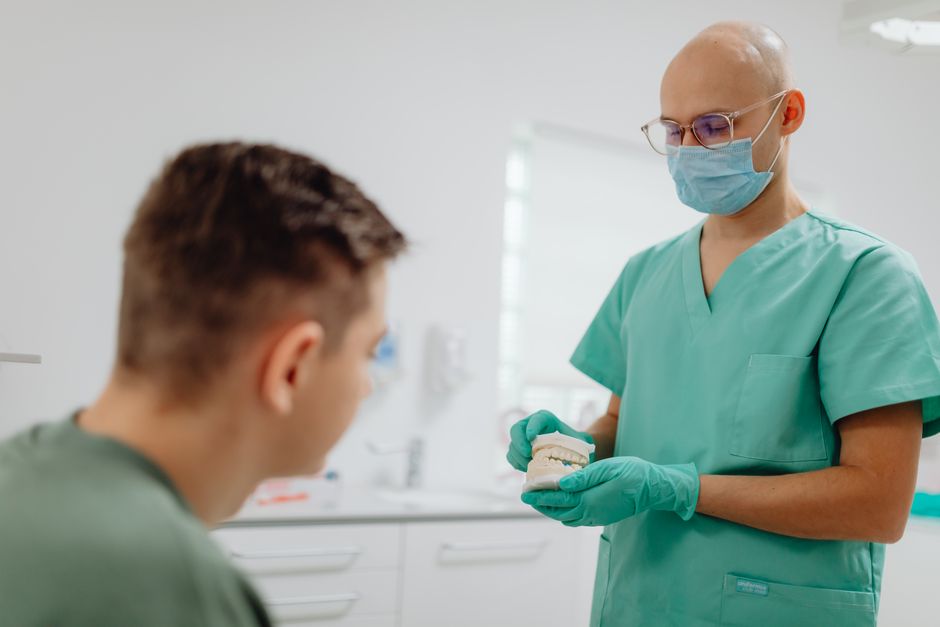
Good candidates are adults with one or more missing teeth, healthy gums, and enough jawbone to support an implant, or who are suitable for procedures that build up the bone first.
General health matters, since conditions that affect healing, along with smoking, can influence how well an implant integrates, so these are reviewed during the consultation.
A key part of candidacy is bone volume and density at the implant site.
Where bone has been lost after a tooth was missing for some time, a bone graft or, in the upper back jaw, a sinus lift may be needed to create a stable foundation before or alongside placement.
Three-dimensional imaging during screening shows exactly how much bone is available and guides the plan.
Active gum disease or untreated decay is usually addressed first, because a healthy mouth supports better integration. Patients committed to good oral hygiene and regular check-ups tend to do best.
As suitability depends on imaging and an oral examination, the consultation is the deciding step, and the care team will explain clearly which approach fits each case.
How the Procedure Works
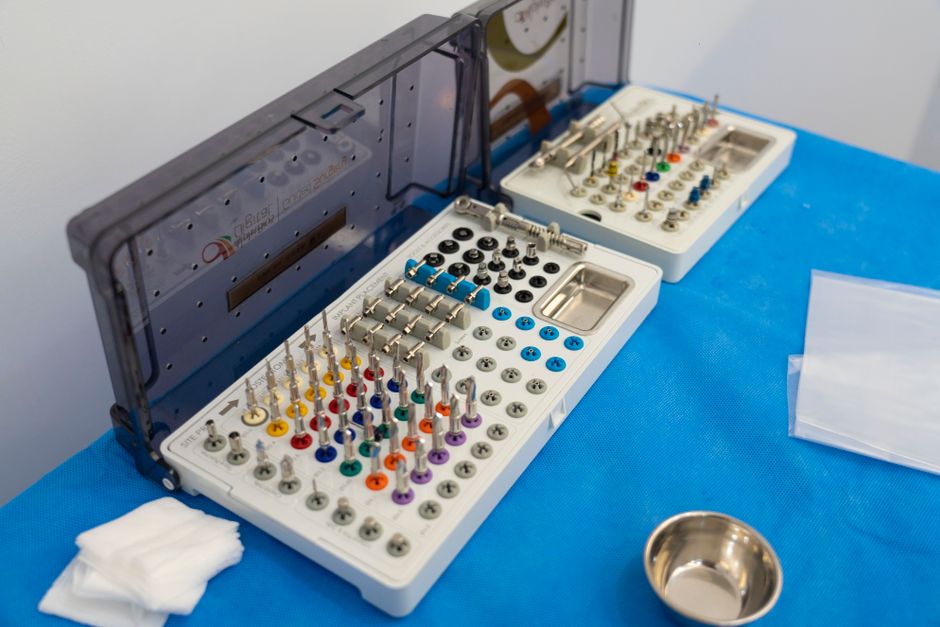
Treatment starts with a detailed assessment, including CBCT three-dimensional imaging and digital scans, to plan the exact position and angle of each implant. Many Korean clinics use computer-guided surgery, where a custom guide helps place the post precisely according to this plan.
Placement is carried out under local anesthesia so the area is numb and comfortable. The gum is opened, the bone is prepared, and the titanium post is set into the jaw.
If bone is insufficient, a bone graft may be added to reinforce the site, or a sinus lift may be performed in the upper back jaw to create room and support. The gum is then closed around or over the implant.
From here the approach varies. In immediate loading, a temporary crown can sometimes be attached soon after placement when stability allows, giving an early functional tooth. In staged loading, the implant is left to integrate with the bone over three to six months before the final restoration is added.
Once osseointegration is confirmed, a digital impression is taken and a custom crown, bridge, or denture is fitted onto the implant to complete the restoration. Each step is checked to confirm fit, bite, and comfort.
Recovery Timeline
After implant placement, some swelling, mild bruising, and tenderness around the site are normal for a few days and are managed with prescribed medication and cold compresses. Soft foods, gentle oral hygiene, and avoiding pressure on the area protect healing in the early period.
Most everyday activities can resume within a day or two as comfort allows.
With a seven day stay, the visit typically covers the surgical placement, initial recovery, and a follow-up to confirm the gums are healing well before traveling home. Many patients are comfortable flying after this review, once the clinician confirms the site is settling as expected.
Because the implant then needs three to six months to integrate with the bone, the final crown is usually fitted on a later trip, which is why a two-trip plan is common.
During the integration months at home, the implant fuses quietly with the bone while the patient maintains careful hygiene and attends any local check-ups advised. Where a temporary tooth was placed, gentle use protects it. On the return visit, the permanent restoration is fitted and the bite adjusted.
Good long-term care, including cleaning and routine dental reviews, supports the lasting stability of the implant.

Cost Breakdown
Dental implant pricing in Korea generally ranges from 1200 to 3500 US dollars per implant, since implants are quoted per individual post and tooth rather than as a single flat fee.
Where a case falls within that range depends on the implant system chosen, the crown material, and whether additional procedures are involved.
Procedures such as a bone graft or a sinus lift, when needed to build a stable foundation, are typically priced separately and added to the per-implant cost.
A full quote usually covers the imaging and planning, the implant placement, the abutment, and the final crown, but patients should confirm exactly what is included and how preparatory work is billed.
Because integration takes several months and treatment is often split across two trips, it is wise to budget for two sets of flights and accommodation alongside the dental fees.
Asking for an itemized written estimate, including any grafting and the number of implants planned, makes it easier to compare clinics and understand the full cost before committing.
| Item | Typical Cost in Korea (USD) |
|---|---|
| Single implant + crown (standard) | |
| Single implant + crown (premium system) | |
| All-on-4 (full arch, per arch) | |
| Bone graft (if needed) | |
| 3D CBCT planning scan |
Why Korea
Korea is a well-regarded destination for implant dentistry, supported by a national framework in which the Ministry of Health and Welfare, KHIDI, and KOIHA promote standards and accreditation for clinics serving international patients. This gives visitors a clearer way to identify centers that meet recognized benchmarks for safety and care.
Korea is also a major manufacturer of dental implant systems, and locally produced implants are used widely both at home and internationally, which gives clinics deep familiarity with the components they place.
Digital dentistry is standard, with CBCT three-dimensional imaging, computer-guided surgery, and digital impressions used routinely to plan placement precisely and design well-fitting restorations.
For patients traveling from Africa, the combination of accredited facilities, established implant systems, digital planning, and transparent itemized pricing makes Korea a practical choice, even when treatment spans two trips. Many clinics organize their services around overseas patients, including coordinated scheduling and English-speaking support.
A thorough consultation, grounded in imaging and an oral examination, remains the foundation for choosing the right plan before any treatment proceeds.
Key Takeaways
- Dental implants are a two-stage process requiring months of healing between placement and crown fitting — plan for either two Korea visits or a hybrid approach with a local dentist for the crown
- Korean clinics use titanium implant systems with global clinical track records, not unbranded alternatives, ensuring long-term reliability
- Cost savings of 40–60% versus Western markets are significant, especially for multiple implants or full-arch restorations
Frequently Asked Questions
Why are dental implants often a two-trip plan?
After the titanium post is placed, it needs to fuse with the jawbone through osseointegration, which typically takes three to six months. Rather than waiting in Korea for that whole period, many patients have the implant placed on a first visit, let it integrate at home, and return for the final crown on a second trip. This split keeps each stay practical.
What is the difference between immediate and staged loading?
With immediate loading, a temporary tooth can sometimes be attached soon after placement when the implant is stable enough, giving an early functional tooth. With staged loading, the implant is left undisturbed to integrate with the bone for several months before the final crown is fitted. The clinician recommends the approach that gives the most stable foundation for your case.
What if I do not have enough bone for an implant?
Where bone has been lost, procedures such as a bone graft, or a sinus lift in the upper back jaw, can build a stable base to support an implant. Three-dimensional imaging during screening shows how much bone is available and whether such a step is needed. These procedures are usually planned and priced separately from the implant itself.
How are implants planned so precisely?
Korean clinics commonly use CBCT three-dimensional imaging to assess the bone and computer-guided planning to position each implant at the right angle and depth. Digital impressions are then used to design crowns that fit the bite well. This digital workflow supports accurate placement and well-fitting restorations, and is standard at established centers.
How long do dental implants last?
Implants are designed as a long-term tooth replacement, and many remain stable for years with good care. Their longevity depends on bone quality, oral hygiene, and avoiding habits that strain healing, such as smoking. Cleaning around the implant daily and attending routine dental reviews help protect it. Your clinician will explain the maintenance that supports lasting results.
Related Topics
Sources
Ready to Begin Your Journey?
Get matched with KAHF-accredited hospitals and receive a personalized treatment plan.
Quick Facts
Typical Cost
$1200 - $3500
Duration
7 days
Accredited Hospitals
0+ Available
Top Hospitals
Medical Information Disclaimer
The information provided on this page about Dental Implants is for general educational and informational purposes only. It is not intended as, and should not be construed as, medical advice, diagnosis, or treatment recommendations.
Always seek the advice of a qualified healthcare professional regarding any medical condition or treatment. Never disregard professional medical advice or delay seeking it because of information found on this website. Individual treatment outcomes may vary. Costs shown are estimates and may differ based on individual circumstances.
KmedTour acts as a medical tourism facilitator and does not provide direct medical services. All treatments are performed by independently accredited healthcare providers in South Korea.