Dentistry$1000 - $3000⭐ KAHF Accredited Hospitals
Dental Implant Surgery in Korea
Permanent tooth replacement using titanium implants — Korea offers specialist-led surgery, domestic implant brands, and costs 60–75% below US prices.
Quick Answer
- Single implant + crown in Seoul typically costs $800–$2,000 USD, versus $3,000–$6,000 in the US.
- Korean manufacturers Osstem and Dentium produce implants that meet CE and FDA standards and are exported worldwide.
- Most patients need an initial visit of 5–10 days plus a return trip of 3–7 days after 3–6 months for the final crown.
- 3D CT-guided navigation surgery is standard at Gangnam-area implant clinics — not always the case at Western practices.
At a Glance
| Procedure time | 1–2 hours per implant (surgical placement); crown fitting 30–60 min at follow-up |
|---|---|
| Anesthesia | Local anesthesia; IV sedation available on request |
| Hospital stay | Outpatient — no overnight stay required |
| Recommended stay in Korea | 5–10 days for initial surgery; return trip of 3–7 days after 3–6 months |
| Recovery | Mild swelling 3–5 days; normal activity within 48 hours; full osseointegration 3–6 months |
| Typical cost in Korea | $800–$2,000 USD per implant (single tooth, crown included); All-on-4 per arch $7,000–$12,000 USD |
Overview
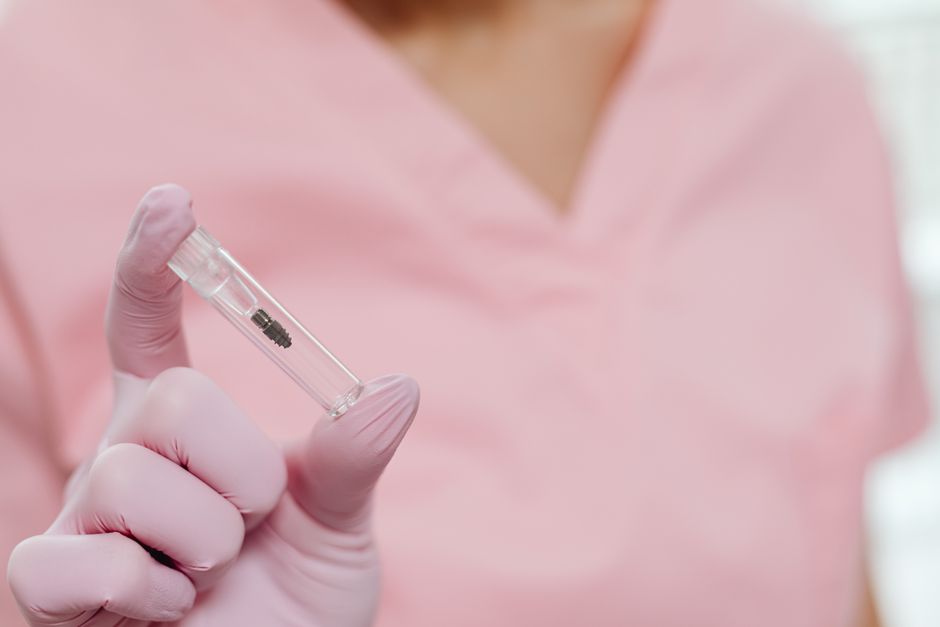
Dental implant surgery replaces a missing tooth root with a small titanium post anchored directly into the jawbone.
Once the post integrates with living bone — a process called osseointegration — a custom ceramic or zirconia crown is attached, restoring both function and appearance in a way that bridges or dentures cannot match.
The implant acts as a permanent prosthetic root. Because it stimulates the jawbone the way a natural tooth does, it prevents the bone resorption that typically follows tooth loss. A well-placed implant can last decades with routine dental hygiene.
Korea has become a significant destination for implant surgery because the country manufactures leading-brand titanium implant systems domestically, trains a large proportion of dentists to implantology specialist level, and maintains government-backed oversight of dental facilities treating international patients through bodies such as KHIDI and the Korea Dental Association (KDA).
Single-tooth implants, multiple-tooth cases, and full-arch restorations (All-on-4 or All-on-6) are all routinely performed at Seoul clinics, with English-speaking patient coordinators available at many Gangnam-district facilities.
Two-trip planning is standard
Budget for two separate visits to Korea: an initial 5–10 day trip for implant placement, then a 3–7 day return after 3–6 months for crown fitting. Some clinics offer provisional crowns on the first visit, but confirm eligibility based on your bone density assessment before booking flights.
Am I a Candidate?
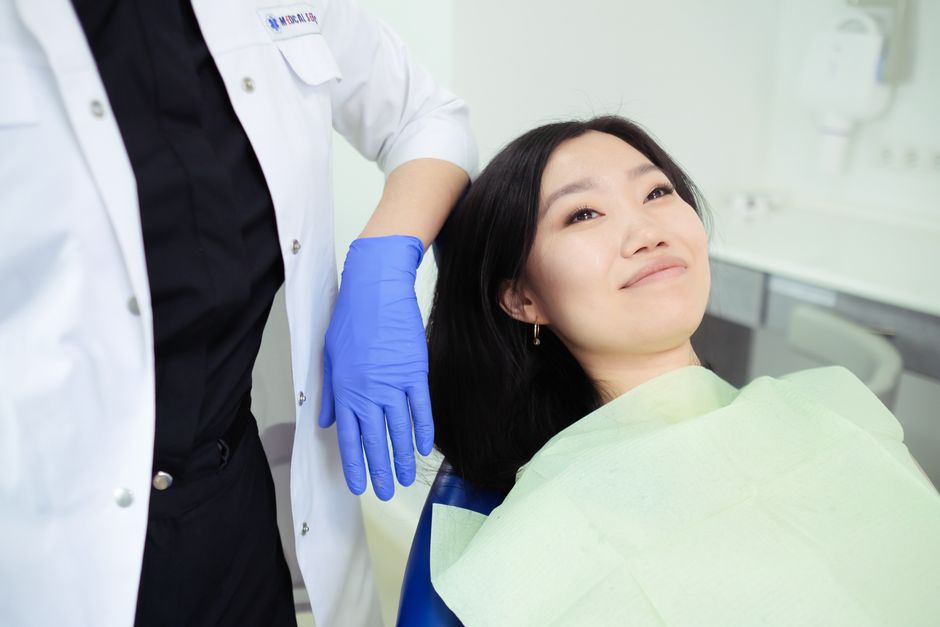
Dental implants are suitable for most healthy adults who have lost one or more permanent teeth. A thorough clinical evaluation — including 3D CT scanning to assess jawbone volume and density — determines whether a patient is a candidate before any surgical planning begins.
General candidacy factors include:
- Sufficient jawbone height and width to anchor the implant post securely
- Healthy gum tissue free from active periodontal disease
- No uncontrolled systemic conditions that impair healing (well-managed diabetes is generally acceptable)
- Non-smoking or willingness to stop smoking during osseointegration, as tobacco significantly raises failure risk
- Completed facial bone growth (typically age 18+)
Patients with insufficient bone are not automatically excluded. Bone grafting or a sinus lift procedure can rebuild the site before implant placement, adding 3–6 months to the overall timeline but making implants possible for many who were initially turned away.
Korean clinics typically conduct pre-surgical digital planning using the CT data, allowing the surgeon to simulate implant placement virtually and identify anatomical structures — such as the inferior alveolar nerve — before making the first incision. This step is standard at specialist implant clinics in Gangnam and reduces intraoperative risk.
How the Procedure Works
The implant journey unfolds in two broad phases separated by a healing period.
Phase 1 — Implant Placement (Day 1 of your Korea visit)
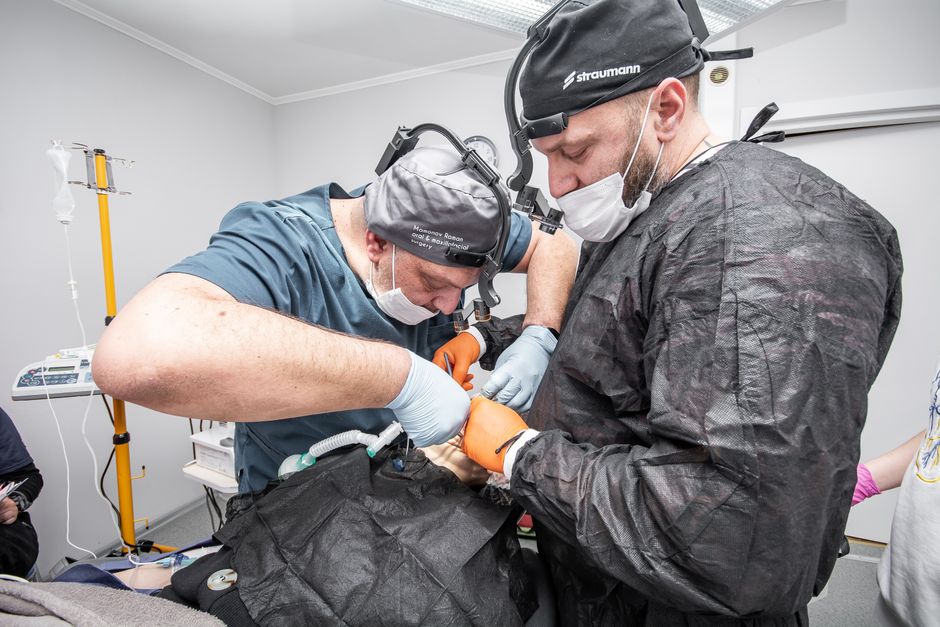
After local anaesthesia, the surgeon makes a small incision in the gum to expose the jawbone. A series of precision drills — guided by either a surgical template or real-time navigation technology — create a channel in the bone sized to accept the titanium implant post.
The post is threaded into place, the gum is sutured closed, and a healing cap or temporary crown may be placed the same day if bone density supports it.
The entire surgical appointment for a single implant typically takes one to two hours. Multiple implants placed in the same session extend the time proportionally.
Navigation-guided surgery, widely used at Seoul specialist clinics, uses pre-operative 3D imaging to generate a digital surgical guide. This constrains the drill to the planned angle, depth, and axis — reducing soft-tissue trauma and shortening recovery.
Phase 2 — Crown Placement (Return visit after osseointegration)
Once the titanium post has integrated with the jawbone — typically 3 to 6 months later — a second, much shorter appointment removes the healing cap, takes a digital impression, and attaches the permanent crown.
Some clinics use in-house CAD/CAM milling to fabricate the crown on the same day, eliminating a laboratory wait.
The two-visit structure means international patients plan two separate trips to Korea: the initial surgical visit (5–10 days) and a shorter crown-fitting visit (3–7 days).
Recovery Timeline
Recovery from implant surgery is generally well tolerated. The post-operative period breaks into predictable phases:
Days 1–3: Swelling, mild bruising, and localised discomfort are normal. Cold compresses, prescribed analgesics, and a soft diet manage symptoms. Most patients can walk, sightsee, and use public transport the day after surgery — strenuous activity should wait.
Days 4–7: Swelling resolves for most patients. Sutures remain in place; clinic staff provide instructions for rinsing with antiseptic solution.
Days 7–10: Suture removal appointment. Patients flying home after this point are generally safe to travel.
Weeks 2–8: The implant post begins bonding with surrounding bone. No outward symptoms are typical during this phase. Diet gradually expands from soft to normal foods.
Months 3–6: Full osseointegration. The bone has remodelled around the titanium surface. This is when the return visit for crown placement is scheduled.
Dental implants placed in bone of adequate density can sometimes receive a provisional crown within 48 hours of surgery (immediate loading). Korean specialist clinics evaluate insertion torque at the time of placement to determine whether immediate loading is appropriate — it is not suitable for every case.
Long-term maintenance mirrors natural tooth care: twice-daily brushing, interdental cleaning, and annual dental check-ups.
Cost Breakdown
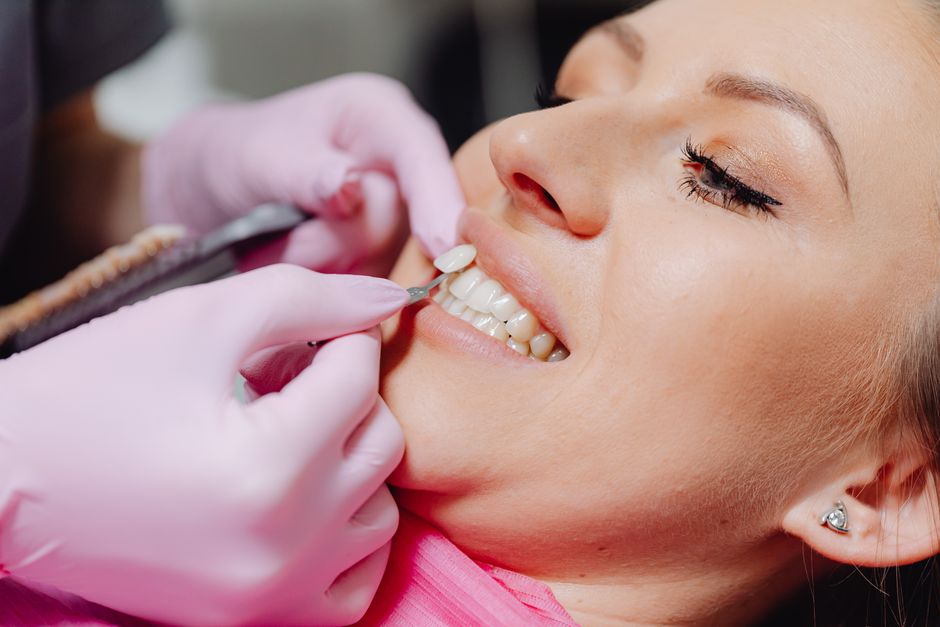
Korea's dental implant pricing is substantially lower than North American or Western European rates, primarily because domestic manufacturing keeps material costs low and clinic overhead in Seoul — while high by regional standards — remains below comparable Western cities.
Typical price bands (approximate USD, single tooth unless stated):
- Standard titanium implant post + ceramic crown: $800–$1,500
- Premium implant brands or zirconia crown upgrades: $1,500–$2,000
- Bone graft (if required): $300–$800 per site
- Sinus lift (if required): $500–$1,200
- All-on-4 full-arch restoration (per arch): $7,000–$12,000
- 3D CT scan (diagnostic, pre-surgical): $50–$150
For comparison, a single implant in the United States averages $3,000–$6,000 before any supplementary procedures. The Korea cost advantage on a multi-implant case can offset return flights and accommodation, making medical travel economically rational for patients needing several implants.
Prices at Gangnam-district clinics targeting international patients tend to sit in the mid-to-upper end of the ranges above, partly reflecting English-language coordination services and premium equipment. Clinics in other Seoul districts or outside the capital may price lower.
Patients should request itemised quotes before committing, confirming which components — implant post, abutment, crown, anaesthesia, follow-up appointments — are included. Supplementary procedures such as bone grafting are almost always quoted separately.
| Item | Typical Cost in Korea (USD) |
|---|---|
| Single implant + standard crown (per tooth) | $800–$1,500 |
| Premium implant + zirconia crown (per tooth) | $1,500–$2,000 |
| Bone graft (per site, if required) | $300–$800 |
| Sinus lift (if required) | $500–$1,200 |
| All-on-4 full-arch restoration (per arch) | $7,000–$12,000 |
| Pre-surgical 3D CT scan | $50–$150 |
Why Korea
South Korea occupies an unusual position in global dentistry: it is both a major manufacturing hub for implant systems and a high-volume clinical destination for international patients.
Domestic implant manufacturing. Korean companies Osstem and Dentium rank among the world's leading implant manufacturers by volume. Their products meet CE (European) and FDA (US) standards and are distributed to clinics across more than 80 countries.
Korean patients — and medical tourists — routinely receive these same implants at the source, without the import mark-up that adds cost elsewhere.
Regulatory oversight. All implant systems used in licensed Korean dental clinics must be approved by the Ministry of Food and Drug Safety (MFDS), the national regulator equivalent to the US FDA. Facilities are subject to inspection and practitioners must maintain licensure through national dental boards.
The Korea Health Industry Development Institute (KHIDI) operates the Medical Korea programme, which vets hospitals and clinics authorised to treat international patients and publishes official certified provider lists.
Technology infrastructure. 3D cone-beam CT scanning, digital implant planning software, and computer-navigation systems for guided surgery are standard equipment at specialist implant clinics in the Gangnam district of Seoul — one of the highest concentrations of dental specialists anywhere in the world.
In-house CAD/CAM crown milling allows same-day or next-day crown fabrication at many facilities.
Specialist training. Many Seoul implant surgeons completed advanced postgraduate training in implantology rather than offering implants as part of general dentistry. The Korea Dental Association (KDA) oversees practitioner licensing and continuing education requirements.
International patient infrastructure. Gangnam and surrounding Seoul districts have developed a mature ecosystem for foreign dental patients: English-speaking coordinators, accommodation guidance, post-procedure monitoring apps, and tele-consultation for follow-up questions after patients return home are offered by many clinics as standard.
Key Takeaways
- Korea's domestic implant manufacturers Osstem and Dentium produce systems that meet CE and FDA standards — the same implants used in Western clinics, at a fraction of the cost.
- Single-implant costs in Seoul ($800–$2,000) are 60–75% below US averages, making multi-implant cases economically viable as medical travel even after flights and accommodation.
- 3D CT-guided navigation surgery is standard at Gangnam specialist clinics, reducing soft-tissue trauma and improving placement precision.
- All clinics legally treating international patients must be registered through the KHIDI Medical Korea programme — verifying this listing before booking protects patients.
Frequently Asked Questions
How many trips to Korea do I need for dental implants?
Most patients need two trips. The first visit (5–10 days) covers the surgical placement of the titanium post. After 3–6 months of osseointegration at home, a second visit (3–7 days) is needed for crown fitting and final adjustments. In cases where bone density and insertion torque support immediate loading, a provisional crown can sometimes be placed within 48 hours of surgery, potentially reducing the second trip to a shorter check-up.
Are the implant brands used in Korea the same quality as in Western countries?
Yes. Korean manufacturers Osstem and Dentium are among the world's largest implant producers by volume and hold both CE (Europe) and FDA (US) approvals. Their systems are exported to clinics across more than 80 countries. Korean dental facilities also use international brands such as Straumann and Nobel Biocare. All implant systems must be approved by South Korea's Ministry of Food and Drug Safety (MFDS) before clinical use.
What happens if I have a problem with my implant after returning home?
Reputable Korean implant clinics provide post-treatment documentation that any licensed dentist worldwide can use to manage follow-up care or complications. Many Gangnam-area clinics offer tele-consultation and written treatment summaries in English. It is advisable to register with a local dentist before travelling to Korea, so you have an established relationship for any post-operative concerns. The implant brand and model number on your documentation will allow a home-country dentist to order compatible components if needed.
Is dental implant surgery in Korea safe for foreign patients?
Dental implant surgery is a well-established procedure, and in South Korea clinics are licensed and inspected by national dental authorities, with all implant hardware required to carry MFDS approval. The KHIDI Medical Korea program publishes a certified list of facilities authorised to treat international patients; checking it before booking is the recommended first step. Disclose your full medical history, current medications, and any blood-thinning drugs in advance, since these affect surgical planning and healing.
Do I need a bone graft before getting implants in Korea?
Not always. Whether a bone graft is needed depends on the volume and density of your remaining jawbone at the extraction site, which Korean clinics assess with a pre-surgical 3D CT scan. If bone volume is insufficient, a graft is performed, often in the same session, and implant placement is delayed 3–6 months while the grafted material consolidates. Bone grafts add $300–$800 per site. Your clinic advises whether this step is required during the initial consultation.
Related Topics
Ready to Begin Your Journey?
Get matched with KAHF-accredited hospitals and receive a personalized treatment plan.
Quick Facts
Typical Cost
$1000 - $3000
Duration
7 days
Accredited Hospitals
0+ Available
Top Hospitals
Medical Information Disclaimer
The information provided on this page about Dental Implant Surgery is for general educational and informational purposes only. It is not intended as, and should not be construed as, medical advice, diagnosis, or treatment recommendations.
Always seek the advice of a qualified healthcare professional regarding any medical condition or treatment. Never disregard professional medical advice or delay seeking it because of information found on this website. Individual treatment outcomes may vary. Costs shown are estimates and may differ based on individual circumstances.
KmedTour acts as a medical tourism facilitator and does not provide direct medical services. All treatments are performed by independently accredited healthcare providers in South Korea.