Cancer$10000 - $25000⭐ KAHF Accredited Hospitals
CyberKnife Treatment in Korea
Robotic stereotactic radiosurgery delivering focused high-dose radiation to small targets in a few sessions
Quick Answer
- CyberKnife is a form of stereotactic radiosurgery using a robotic arm to deliver focused radiation from many angles onto a precisely defined target, continuously tracking the target and adjusting for movement — including the natural motion of breathing.
- Best candidates have small, well-defined lesions, commonly in the brain, spine, or lung, with a limited number of lesions; suitability is assessed after the oncology team reviews imaging and pathology.
- Treatment involves no incision and no general anaesthesia, typically delivered in a single session or a small number of sessions over a few days, making the Korea stay short compared with conventional radiation courses.
- Acceptance follows a remote records review: the Korean oncology team examines your case before travel is arranged and can recommend a different approach; cost is set only after the treatment plan is designed.
At a Glance
| Procedure type | Robotic stereotactic radiosurgery (single or few sessions) |
|---|---|
| Anesthesia | None; patients remain awake throughout each session |
| Sessions | Usually 1–5 sessions over a few days; no incision |
| Recommended stay in Korea | Short — typically days to one week (simulation, sessions, brief review) |
| Recovery | No surgical recovery; effects depend on area treated; follow-up imaging weeks to months later |
| Cost | Set after planning; driven by session count and complexity |
Overview
CyberKnife is a form of stereotactic radiosurgery that uses a robotic arm to deliver focused beams of radiation from many angles onto a precisely defined target.
Patients consider Korea for this treatment because it is offered at major cancer centers with experienced radiation oncology teams and the imaging and tracking systems the technique relies on.
Despite the name, CyberKnife involves no incision. It delivers high doses of radiation to small, well-defined lesions while the system continuously tracks the target and adjusts for movement, including the natural motion of breathing.
This tracking allows tight focus on the lesion, with the aim of limiting dose to nearby tissue. The benefit in any individual situation depends on the size, number, and location of the lesions and is assessed case by case.
CyberKnife is commonly considered for small lesions in the brain, spine, and lung, among other sites, where a focused high-dose approach is appropriate.
Treatment is typically delivered in a single session or a small number of sessions, rather than over many weeks, which is one reason the stay in Korea is short.
For international patients, the process starts with a remote review of medical records before travel is arranged. The Korean oncology team uses this review to determine whether CyberKnife suits the diagnosis and to explain what the treatment would involve.
The emphasis throughout is on careful planning and a clear, honest account of what the treatment can offer in each individual case, depending on your situation.
Send records before booking travel
The Korean oncology team reviews your imaging and pathology remotely before confirming whether CyberKnife suits your case. Because the review takes time — and may recommend a different approach — start this process before making any flight or accommodation commitments.
Am I a Candidate?
CyberKnife is most often considered for small, well-defined lesions where a focused high-dose approach is suitable.
This commonly includes certain lesions in the brain, the spine and the region around the spinal cord, and the lung, as well as some other sites where the target can be clearly delineated and tracked.
It is frequently discussed when the number of lesions is limited and each is relatively small.
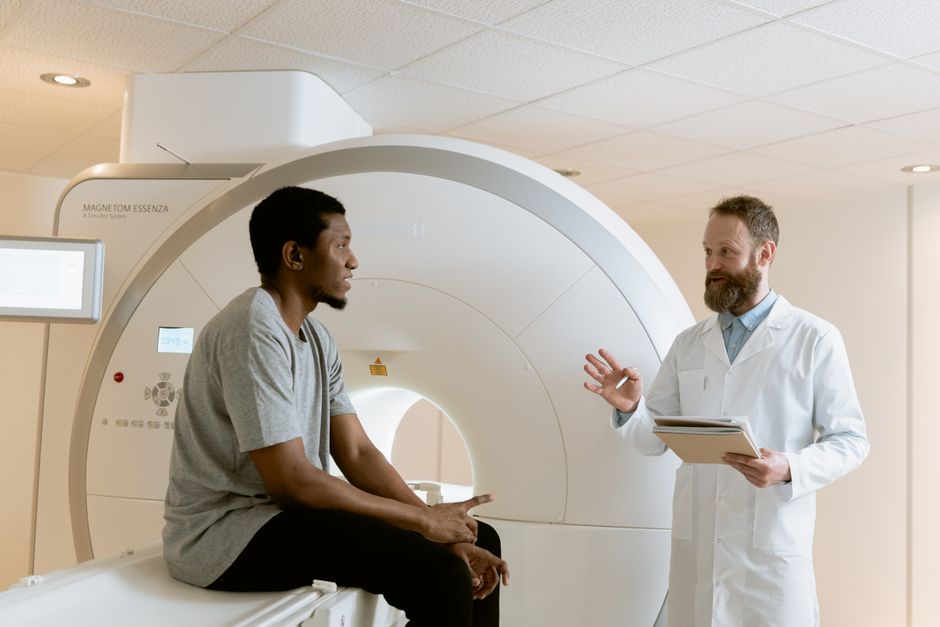
Suitability is not decided from the diagnosis alone. The Korean oncology team reviews your full records first, including diagnostic imaging, pathology, and the history of any prior surgery, chemotherapy, or radiation. They assess the size, number, and position of the lesions, their relationship to nearby structures, and your overall condition.
For some patients another approach is more appropriate, and an honest review may conclude that CyberKnife is not the right fit. Acceptance follows this assessment rather than preceding it.
The purpose is to match the treatment to the clinical situation, depending on your case, and to set realistic expectations before any travel is arranged.
How the Procedure Works
CyberKnife treatment begins with planning rather than the procedure itself. After your records are reviewed and treatment is agreed, you attend a simulation appointment. Imaging such as CT, and often MRI, is taken to map the target precisely.
For some sites a custom immobilization device or mask is made so your position is steady and reproducible. For lesions that move with breathing, the system may use markers or imaging to enable real-time tracking.
Using these images, the radiation oncology and medical physics team designs a plan. Because the technique delivers a high dose to a small target, this planning step is done carefully and checked before treatment begins. It often takes a short period between simulation and the first session.
Treatment is then delivered, usually in a single session or a small number of sessions over a few days. During a session you lie still while the robotic arm moves around you, delivering focused beams from many angles.
The system tracks the target throughout and adjusts for movement, so you can breathe normally. Sessions can take from part of an hour to longer depending on the plan.
You remain awake and the treatment itself is not felt. The number of sessions and their length depend on the lesions being treated and the plan designed for your case. The team monitors you between and after sessions.
Recovery Timeline
CyberKnife follows a short session schedule rather than a lengthy recovery. After simulation and planning, treatment is delivered in a single session or a small number of sessions across a few days, which is why the planned stay in Korea is brief.
There is no incision and no general anesthesia, so most patients are up and about immediately after each session.
Side effects, when they occur, depend on the area treated and often appear gradually rather than at once. The care team reviews you around the sessions and provides supportive measures to manage any effects. Many patients feel well enough to continue ordinary activities between and shortly after sessions.
The decision on when you can fly home is made by the treating team based on your case. Because the course is short, travel home is often possible soon after the final session, once the team is satisfied with how you are tolerating treatment.
Some patients are advised to stay a short additional period for a brief review before departing.
The effects of radiation can continue to settle over the following weeks and months, so follow-up imaging and assessments are usually scheduled for later rather than immediately. These can often be arranged with your home medical team, with results shared back to the Korean center.
Any response is individual and is discussed honestly rather than promised, depending on your case.

Cost Breakdown
The price range for CyberKnife reflects that cost depends on the number of sessions, or fractions, in your plan and the complexity of the target.
A single-session treatment differs in cost from a plan delivered across a few sessions, so the figure for any individual is set after the plan is designed.
The quoted range typically covers the planning steps, including simulation and any immobilization, and the delivery of the planned sessions. Some items usually fall outside this.
Diagnostic imaging performed before acceptance, biopsies, chemotherapy or other systemic treatments, hospital stays for unrelated care, and management of complications are generally separate from the radiosurgery price.
Travel, accommodation for the short stay, interpreter support, and follow-up imaging arranged later are also normally not included. Because the number of sessions depends on your case, the care team provides an itemized estimate after the records review and planning, rather than a fixed figure in advance.
Requesting a written breakdown of what each figure covers, and what is excluded, is encouraged before you arrange travel.
| Item | Typical Cost in Korea (USD) |
|---|---|
| Single-session CyberKnife treatment | Lower end of range; confirm with centre |
| Multi-session course (2–5 fractions) | Higher end of range; confirm with centre |
| Planning and simulation (imaging, immobilisation, plan design) | Typically included in treatment price |
| Diagnostic imaging or biopsy before acceptance | Billed separately |
| Follow-up imaging after treatment (weeks to months later) | Arrange with home team or confirm if included |
Why Korea
CyberKnife stereotactic radiosurgery is offered at major Korean cancer centers with experienced radiation oncology and medical physics teams and the imaging and tracking systems the technique depends on. This availability at established centers is one reason international patients consider Korea for focused radiosurgery.
Korea's care for international patients is supported by national bodies, with the Ministry of Health and Welfare setting policy and organizations such as KHIDI and KOIHA involved in promotion and accreditation.
Many centers run dedicated international patient offices that coordinate records review, scheduling, interpretation, and the logistics of a short stay.
Because CyberKnife is often delivered in a single session or a few sessions, this coordinated support helps compress planning, treatment, and an initial review into a brief, well-organized visit for a patient traveling from abroad.
Whether CyberKnife is the right choice still depends on your individual diagnosis and is determined by the treating team. The infrastructure available in Korea is built to support international patients through a short, focused course of care, depending on your case.
Key Takeaways
- CyberKnife delivers focused high-dose radiation without incision or general anaesthesia, using a robotic arm that tracks the target throughout delivery — allowing patients to breathe normally during treatment.
- Treatment is typically completed in a single session or a small number of sessions over a few days, which keeps the Korea stay short; the planning and simulation phase before the first session adds a short additional period.
- Suitability is determined after a remote review of imaging, pathology, and prior treatment history — the oncology team may conclude that another approach is more appropriate, and acceptance follows that honest assessment.
- Follow-up imaging to assess response is usually scheduled weeks to months after the final session, can often be done with your home medical team, and results are shared back to the Korean centre.
Frequently Asked Questions
How are my medical records transferred and reviewed before I travel?
You send your diagnostic imaging, pathology reports, and treatment history to the international patient office, usually as digital files. The Korean oncology team reviews these remotely to judge whether CyberKnife fits your case. This happens before travel is arranged, so you receive guidance on suitability and an outline of the treatment before committing to the trip.
If treatment is only a few sessions, how long should I plan to stay?
Although CyberKnife is delivered in one session or a small number over a few days, you should allow time for the simulation and planning phase beforehand and a brief review afterward. The planned stay is short compared with multi-week radiation courses, but the exact length depends on your plan and is confirmed by the team.
Can a family member or companion travel and stay with me?
Yes. Most centers welcome a companion, and the international patient office can advise on visa documentation, accommodation, and interpreter support. Because the stay is short, companion logistics are usually simpler than for longer courses, but planning travel and lodging together with your treatment schedule still helps the visit go smoothly.
What does the acceptance review actually involve?
The treating oncology team examines your imaging, pathology, and prior treatment history to judge whether CyberKnife suits the size, number, and location of your lesions. They consider the relationship to nearby structures and your overall condition. The outcome may be acceptance, a recommendation for a different approach, or a request for further tests, depending on your case.
How is follow-up handled after I return home?
Follow-up imaging and assessments are usually scheduled for weeks or months after treatment, since effects continue to settle over time. These can often be arranged with your home medical team, with results shared back to the Korean center. The care team explains the planned follow-up schedule before you depart so you know what to expect.
Related Topics
Ready to Begin Your Journey?
Get matched with KAHF-accredited hospitals and receive a personalized treatment plan.
Quick Facts
Typical Cost
$10000 - $25000
Duration
3 days
Accredited Hospitals
0+ Available
Top Hospitals
Medical Information Disclaimer
The information provided on this page about CyberKnife Treatment is for general educational and informational purposes only. It is not intended as, and should not be construed as, medical advice, diagnosis, or treatment recommendations.
Always seek the advice of a qualified healthcare professional regarding any medical condition or treatment. Never disregard professional medical advice or delay seeking it because of information found on this website. Individual treatment outcomes may vary. Costs shown are estimates and may differ based on individual circumstances.
KmedTour acts as a medical tourism facilitator and does not provide direct medical services. All treatments are performed by independently accredited healthcare providers in South Korea.