Traditional$100 - $500⭐ KAHF Accredited Hospitals
Cupping Therapy in Korea
Traditional Korean cupping therapy (buhang) in Seoul — dry and wet cupping by licensed Korean medicine doctors for pain, circulation and recovery.
Quick Answer
- Cupping therapy (Korean buhang, 부항) uses suction cups on the skin to ease muscle tension, improve local circulation and relieve pain.
- Korea offers both dry cupping (suction only) and wet cupping (a tiny scratch draws a few drops of blood), performed at licensed Korean medicine clinics.
- A single session is very affordable in Korea — roughly $3–$15, or about $15–$40 when bundled with acupuncture.
- It is non-surgical and outpatient: no anesthesia, no hospital stay, and the only after-effect is temporary circular skin marks that fade within days.
At a Glance
| Procedure time | About 10–25 minutes per session |
|---|---|
| Anesthesia | None |
| Hospital stay | None (outpatient) |
| Recommended stay in Korea | None required for the therapy itself; same-day walk-in |
| Recovery | Minimal — temporary circular skin marks that typically fade in 3–10 days |
| Typical cost in Korea | Approximately $3–$15 per session; ~$15–$40 combined with acupuncture |
Overview
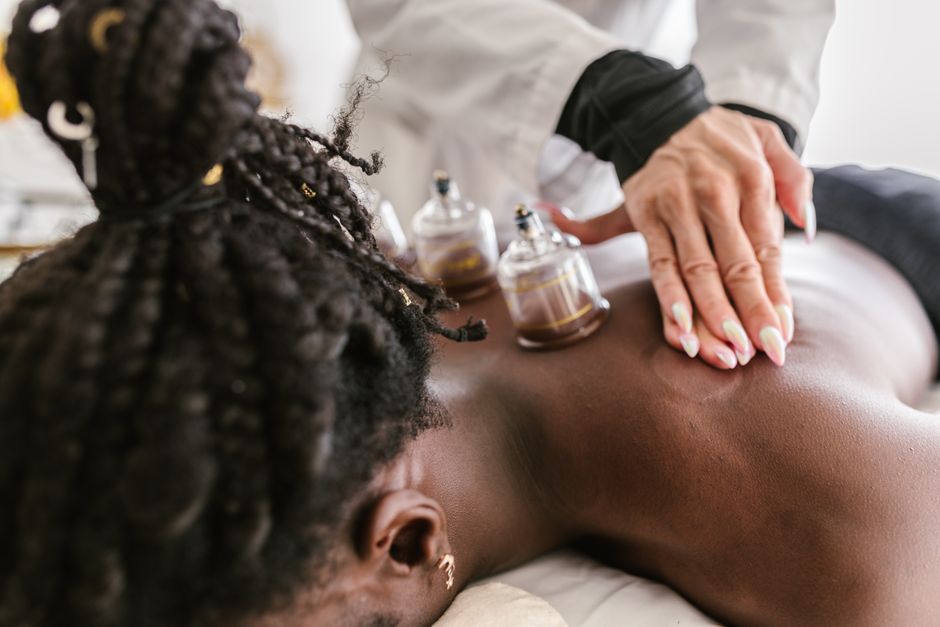
Cupping therapy is a traditional treatment known in Korea as buhang (부항). A therapist places cups on the skin and creates a vacuum, drawing the skin and surface tissue gently upward.
The suction is intended to increase local blood flow, ease muscle tightness and relieve aches. It is one of the oldest tools in traditional Korean medicine (Hanbang) and remains in everyday clinical use.
There are two main forms:
- Dry cupping — cups create suction on intact skin to boost circulation.
- Wet cupping (Korean *buhang* bloodletting) — the practitioner makes a small superficial scratch so a few drops of blood are drawn during suction.
Cupping is widely recognized within complementary medicine across Asia, and you may recognize the round marks it leaves from athletes and performers. In Korea it is most often used for back, neck and shoulder tension, and is frequently combined with acupuncture in a single visit.
The marks are normal
The round red or purple marks after cupping are expected, not bruising injuries, and usually fade within 3 to 10 days. Avoid heat, alcohol and hard exercise for the first 24 hours to help them clear faster.
Am I a Candidate?
Cupping is a gentle, non-surgical therapy suited to many people seeking relief from muscular tension and stiffness.
It is commonly chosen by those with:
- Neck, shoulder and back tightness
- General muscle soreness or fatigue
- Stress-related tension
- Interest in traditional Korean medicine alongside acupuncture
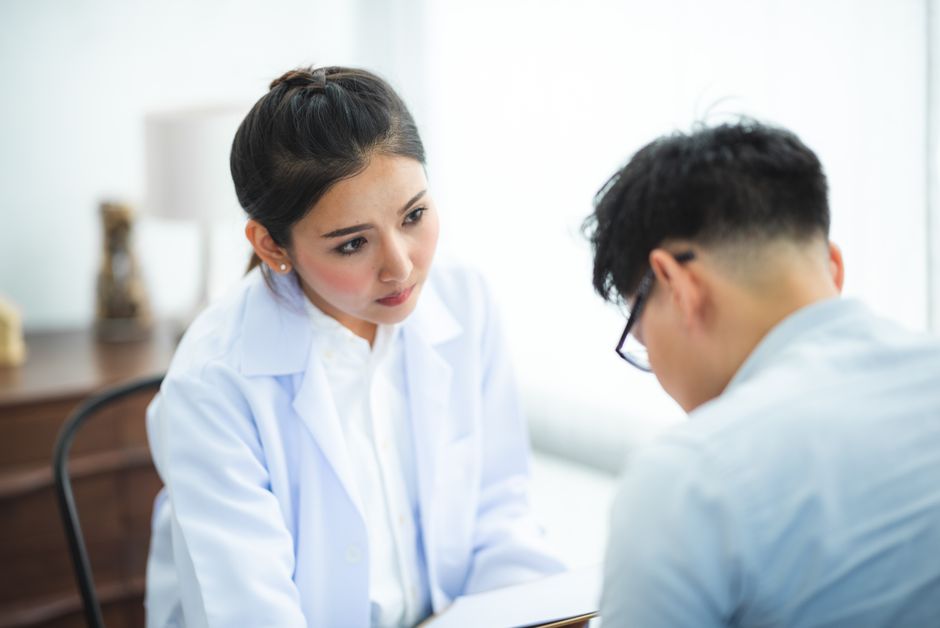
A licensed Korean medicine doctor will assess suitability first. Wet cupping involves breaking the skin, so it is approached more cautiously.
Cupping is generally not recommended without professional guidance for people who:
- Bruise very easily or take blood-thinning medication
- Have a bleeding disorder
- Have broken, inflamed or sunburned skin in the treatment area
- Are pregnant (certain areas are avoided)
Always disclose your full medical history and current medications. The marks cupping leaves are normal and expected, not injuries, but your practitioner should confirm the approach is right for you before treatment.
How the Procedure Works
A cupping session in a Korean medicine clinic is quick and straightforward.
- Consultation — the Korean medicine doctor reviews your concerns, checks the treatment area and decides between dry or wet cupping.
- Placement — cups are positioned on the back, shoulders or other targeted muscles.
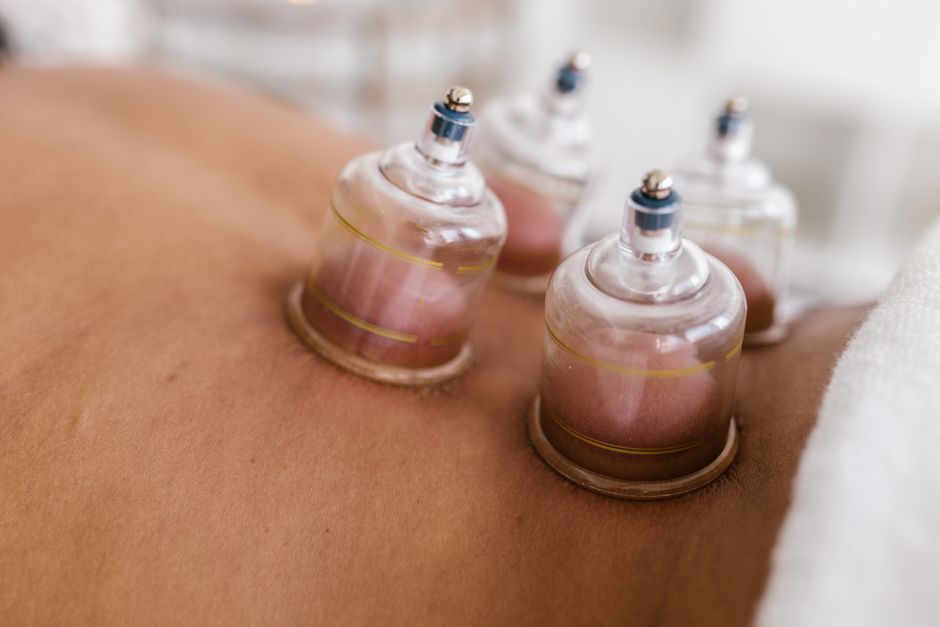
- Suction — air is removed from each cup (by pump or heat) to create a vacuum that gently lifts the skin.
- Rest — for dry cupping, cups usually stay in place for several minutes; sliding cups may be moved along the muscles.
- Wet cupping (if chosen) — a tiny superficial scratch is made so the suction draws out a small amount of blood, then the area is cleaned and dressed.
- Removal and finish — cups are removed, the skin is wiped, and aftercare advice is given.
Most sessions take roughly 10 to 25 minutes. There is no anesthesia and no incision in dry cupping, so you can leave and resume your day right away.
Recovery Timeline
Recovery from cupping is minimal because nothing is surgically altered.
What to expect:
- Immediately after — round purple, red or pink marks where the cups sat. These are not true bruises; they reflect drawn-up circulation and are expected.
- First 24 hours — keep the area clean, stay hydrated and avoid heat, alcohol and strenuous exercise.
- Days 3 to 7 — marks usually begin fading as surface capillaries settle.
- Up to about 10 days — stronger marks fully clear; darker marks from intense suction can occasionally linger a little longer.
Gentle movement and warm compresses can help the marks fade. With wet cupping, the small scratch is kept clean and dry until it closes.
Mild tenderness or fatigue afterward is normal. Because there is no downtime, the therapy fits easily into a Seoul itinerary — though you may prefer to avoid sleeveless or backless clothing while the marks are visible.
Cost Breakdown
Cupping is among the most affordable treatments in Korean medicine, especially compared with Western prices.
Approximate ranges in Korea:
- Standalone cupping session — roughly $3 to $15, depending on the clinic and whether dry or wet cupping is used.
- Cupping combined with acupuncture — commonly $15 to $40 for a single visit.
- Course of sessions — several visits may be advised for ongoing tension; per-session cost stays low.
Final pricing varies by clinic location, reputation and whether cupping is done alone or as part of a broader Korean medicine consultation.
For context, comparable sessions in the United States typically run far higher, which is part of why visitors find Korean clinics appealing. Confirm the exact fee and what is included before your appointment, as foreign-patient pricing and consultation charges can differ between clinics.
| Item | Typical Cost in Korea (USD) |
|---|---|
| Standalone cupping session (dry) | $3–$10 |
| Wet cupping session | $7–$15 |
| Cupping combined with acupuncture | $15–$40 |
| Korean medicine consultation | $15–$40 |
Why Korea
Korea is a natural place to experience cupping because the therapy is part of a fully recognized medical tradition, not a fringe service.
- Licensed practitioners — Korean medicine doctors complete a six-year program, pass a national examination and hold a license from the Ministry of Health and Welfare.
- Integrated system — traditional Korean medicine is an official branch of the national healthcare system, with ongoing government-supported research toward evidence-based practice.
- Accessibility — clinics offering cupping, acupuncture and herbal medicine are widespread, including many around Seoul and the Gangnam district.
- Patient support — agencies such as KHIDI and the Medical Korea program support international patients seeking care in Korea.
For visitors, this means low cost, short sessions and treatment from qualified Korean medicine doctors in a regulated setting. Cupping is often the easiest entry point into Hanbang, and can be tried in a single same-day visit alongside other traditional therapies.
Key Takeaways
- Korean cupping (buhang) is a low-cost, non-surgical therapy using suction to ease muscle tension and improve local circulation, available as dry or wet cupping.
- Sessions are short and outpatient — no anesthesia, no hospital stay, and only temporary skin marks that fade in days.
- Korea offers cupping through licensed Korean medicine doctors within a recognized national medical system, often around Seoul and Gangnam.
- Expect roughly $3–$15 per session, or about $15–$40 when combined with acupuncture.
Frequently Asked Questions
What is the difference between dry and wet cupping in Korea?
Dry cupping uses suction alone on intact skin to draw up the tissue and boost circulation. Wet cupping (a form of buhang) adds a tiny superficial scratch so the suction also draws out a small amount of blood. A licensed Korean medicine doctor will recommend which is appropriate for you.
Does cupping therapy hurt?
Most people feel a tight pulling or pressure sensation rather than pain during dry cupping. Wet cupping involves a very small scratch, which is brief. Mild tenderness afterward is normal and usually settles within a day or two.
How long do cupping marks last?
The round marks are expected and not true bruises. They typically begin fading within 3 to 7 days and usually clear by about 10 days. Stronger suction can leave darker marks that occasionally linger a little longer.
How much does cupping therapy cost in Korea?
A single cupping session in Korea is very affordable, roughly $3 to $15 depending on the clinic and whether dry or wet cupping is used. Combined with acupuncture, a visit commonly runs about $15 to $40. Confirm pricing with the clinic in advance.
Do I need a long stay in Korea for cupping therapy?
No. Cupping is an outpatient therapy that can be done in a single same-day visit lasting only about 10 to 25 minutes, with no downtime afterward. It fits easily into a normal trip to Seoul.
Is cupping therapy safe and who performs it in Korea?
In Korea, cupping is provided by Korean medicine doctors who complete a six-year program, pass a national exam and are licensed by the Ministry of Health and Welfare. As with any therapy, disclose your medications and medical history; wet cupping is approached cautiously for people who bleed or bruise easily.
Related Topics
Sources
Ready to Begin Your Journey?
Get matched with KAHF-accredited hospitals and receive a personalized treatment plan.
Quick Facts
Typical Cost
$100 - $500
Duration
3 days
Accredited Hospitals
1+ Available
Available Cities
Medical Information Disclaimer
The information provided on this page about Cupping Therapy is for general educational and informational purposes only. It is not intended as, and should not be construed as, medical advice, diagnosis, or treatment recommendations.
Always seek the advice of a qualified healthcare professional regarding any medical condition or treatment. Never disregard professional medical advice or delay seeking it because of information found on this website. Individual treatment outcomes may vary. Costs shown are estimates and may differ based on individual circumstances.
KmedTour acts as a medical tourism facilitator and does not provide direct medical services. All treatments are performed by independently accredited healthcare providers in South Korea.