Cardiac$20000 - $45000⭐ KAHF Accredited Hospitals
Coronary Bypass Surgery in Korea
Coronary artery bypass grafting (CABG) in South Korea: world-class cardiac teams, OPCAB expertise, and costs a fraction of Western prices.
Quick Answer
- CABG in South Korea costs approximately $10,000–$20,000 USD, compared to $70,000–$150,000+ in the United States.
- South Korean cardiac centers have a strong track record with off-pump CABG (OPCAB) — the heart continues beating during surgery, reducing bypass-machine risks.
- Hospital stay averages 5–10 days; most international patients plan a total Korea stay of 3–4 weeks for safe recovery before flying home.
- Hospitals serving foreign cardiac patients are registered through KHIDI (Korea Health Industry Development Institute) under the Ministry of Health and Welfare.
At a Glance
| Procedure time | 3–6 hours (depending on number of grafts) |
|---|---|
| Anesthesia | General anesthesia |
| Hospital stay | 5–10 days (ICU 1–2 days, ward 4–8 days) |
| Recommended stay in Korea | 3–4 weeks minimum before long-haul flight |
| Recovery | 6–12 weeks for full sternal healing; light activity from week 4–6 |
| Typical cost in Korea | $10,000–$20,000 USD (all-in surgical package) |
Overview
Coronary artery bypass grafting (CABG) is open-heart surgery that restores blood flow to the heart muscle by routing a new vessel around one or more blocked coronary arteries.
A healthy blood vessel — typically the internal mammary artery from the chest wall, or the saphenous vein from the leg — is harvested and attached above and below the blockage, creating a detour.
South Korea has developed particular expertise in off-pump CABG (OPCAB), a technique in which the heart continues beating throughout the procedure. This avoids the need for a heart-lung bypass machine and is associated with reduced risk of neurological complications and shorter ICU stays.
Korean cardiac teams are also researching minimally invasive approaches and complete arterial grafting, where arteries (rather than veins) are used for all grafts, which may improve long-term graft patency.
CABG is distinct from coronary stenting (PCI). Stents place a small scaffold inside the artery; bypass surgery creates an entirely new route.
For patients with multivessel disease or left main artery involvement, cardiac guidelines in many countries — including Korea — favour surgical bypass over stenting for more durable long-term outcomes.
Bring all cardiac imaging before you travel
Korean hospitals can conduct a remote pre-operative review if you send your coronary angiogram report, echocardiogram, and current medication list in advance. This avoids repeating expensive diagnostics on arrival and lets the surgical team confirm candidacy before you book flights.
Am I a Candidate?
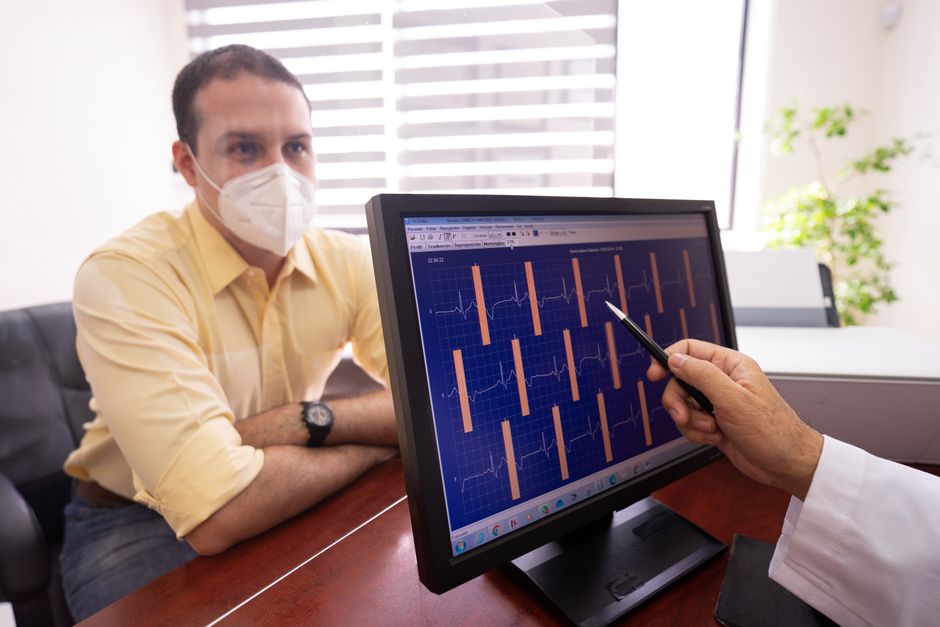
CABG is typically considered when:
- Multivessel coronary artery disease is present (two or more major arteries significantly blocked)
- The left main coronary artery is narrowed (high-risk anatomy)
- Previous stenting (PCI) has failed or restenosed
- Diabetes is present alongside multivessel disease, where bypass tends to outperform stenting over time
- Symptoms (angina, breathlessness) persist despite maximum medical therapy
Patients who are not suitable candidates generally include those with severely impaired kidney function, active infection, very poor left ventricular function below a safe surgical threshold, or those who cannot tolerate general anaesthesia. A cardiac team in Seoul will review echocardiogram, coronary angiogram, and full blood panel before confirming candidacy.
International patients are strongly advised to bring all prior cardiac imaging, catheterisation reports, and medication lists. Korean hospitals can arrange pre-operative consultations remotely before travel is confirmed.
How the Procedure Works
The surgical sequence for a standard CABG in Korea follows international cardiac surgery protocols:
Pre-operative day: Full workup including ECG, echocardiogram, chest X-ray, blood tests, and anaesthetic review. Medications such as blood thinners may be paused.
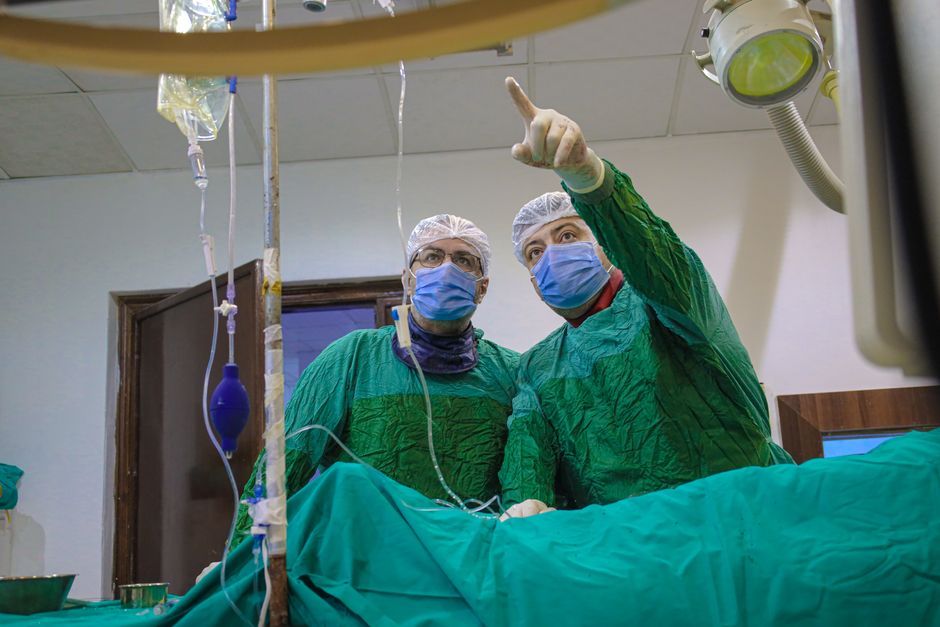
Day of surgery: General anaesthesia is administered. For conventional CABG, the sternum (breastbone) is divided to expose the heart, and a heart-lung machine takes over circulation while the surgeon works on a still heart.
For OPCAB, stabilising devices hold a small section of the beating heart steady while the graft is sewn in place — no bypass machine required.
Graft harvest: The internal mammary artery (IMA) is the preferred conduit because it stays open longer. The saphenous vein from the leg or the radial artery from the wrist may also be used for additional grafts.
Anastomosis: The graft is sewn to the coronary artery beyond the blockage and connected above it to the aorta (or left to its natural origin for IMA grafts).
Closure and ICU transfer: The sternum is closed with sternal wires, and the patient moves to the cardiac ICU for 24–48 hours of close monitoring.
Recovery Timeline
Recovery from CABG follows a predictable progression:
Days 1–2 (ICU): Ventilator support weaned within hours in most cases; chest drains removed by day 2; early mobilisation begins.
Days 3–5 (Cardiac ward): Short walks in the corridor; pain managed with oral medication; cardiac rehabilitation education starts.
Days 5–10 (Pre-discharge): Wound checks, pacing wires removed, echocardiogram to confirm graft function; discharge planning with the international patient coordinator.
Weeks 2–3 (In-Korea recovery): Resting at a serviced apartment or recovery accommodation near the hospital; daily wound checks if needed; short walks increasing gradually.
Week 4 onward: Many patients are cleared for a long-haul flight home after a cardiologist review confirms stable status. Sternal bone healing takes 6–12 weeks — lifting, driving, and strenuous activity remain restricted.
- No heavy lifting (>5 kg) for 8–12 weeks
- Driving: typically 6–8 weeks post-surgery
- Return to desk work: 4–6 weeks for most patients
- Cardiac rehab programme: strongly recommended on return home
Cost Breakdown
CABG in South Korea is priced significantly below comparable procedures in the United States, United Kingdom, or Western Europe, while matching or exceeding those countries in procedural volume and outcomes at leading centres.
The all-in surgical package at major Seoul hospitals for international patients typically covers surgeon fees, anaesthesia, operating theatre, ICU stay, and the standard ward stay. The indicative range is $10,000–$20,000 USD for the core procedure, with variation based on the number of grafts, choice of conduit, and facility tier.
Additional costs to budget:
- Pre-operative workup (coronary angiogram if not brought from home): $1,500–$3,000 USD
- Extended hospital stay (if complications require it): $300–$600 USD per additional day
- Accommodation in Korea during recovery: $50–$150 USD per day depending on type
- International medical escort or coordination fee: variable
- Flights and travel insurance: patients should carry cardiac-specific travel insurance
For comparison, the same procedure in the United States typically exceeds $70,000–$150,000 USD out-of-pocket for uninsured or international patients. Korea's costs are typically 70–85% lower.
| Item | Typical Cost in Korea (USD) |
|---|---|
| CABG surgical package (surgeon, anaesthesia, OR, ICU, standard ward stay) | $10,000–$20,000 |
| Pre-operative coronary angiogram (if required) | $1,500–$3,000 |
| Additional hospital day (if needed beyond package) | $300–$600 |
| Recovery accommodation in Seoul (per day) | $50–$150 |
| Post-discharge follow-up consultations | $100–$300 |
Why Korea
South Korea's cardiac surgery reputation is built on genuine clinical strengths, not marketing.
Surgical volume and OPCAB expertise: Korean cardiac teams perform substantial annual CABG caseloads and have developed particular skill in off-pump techniques. Research on complete arterial grafting, aorta no-touch techniques to reduce stroke risk, and graft patency is actively published from Korean centres.
Regulatory oversight: The Ministry of Food and Drug Safety (MFDS) governs medical device and pharmaceutical standards used in cardiac procedures. The Korea Health Industry Development Institute (KHIDI), an agency under the Ministry of Health and Welfare, registers and monitors hospitals that attract international patients — providing a government-backed quality signal.
Medical Korea portal: The official government-run Medical Korea platform lists accredited facilities for foreign patients, and cardiac care is one of its highlighted specialties alongside oncology and transplantation.
Seoul and Gangnam: Most major cardiac surgery centres are concentrated in Seoul. The Gangnam district hosts several large university-affiliated tertiary hospitals with dedicated international patient departments offering translation, visa support letters, and care coordination.
Foreign patient growth: KHIDI reported that South Korea surpassed one million foreign patient visits for the first time in 2024, with cardiac and oncology referrals representing a growing portion of complex care cases.
Cost without compromise: Korea's national health infrastructure keeps baseline costs lower than Western markets without reducing surgical standards — the same cardiac team that treats Korean nationals treats international patients.
Key Takeaways
- CABG in South Korea costs approximately $10,000–$20,000 USD — 70–85% less than equivalent US pricing — at hospitals with significant surgical volume.
- Off-pump CABG (OPCAB) is a particular strength of Korean cardiac surgery, reducing reliance on the heart-lung machine and associated complications.
- KHIDI-registered hospitals offer government-backed quality assurance for international patients; the Medical Korea portal lists accredited cardiac facilities.
- Plan a minimum 3–4 weeks in Korea after surgery before attempting a long-haul return flight; sternal healing takes 6–12 weeks total.
Frequently Asked Questions
How long must I stay in South Korea after coronary bypass surgery?
Most cardiac surgeons recommend a minimum of 3–4 weeks in-country before a long-haul flight. The first 5–10 days are spent in hospital; the remaining time is for early recovery monitoring. Your surgical team will confirm clearance for travel based on wound healing and cardiac stability before you book your return flight.
Is off-pump CABG (OPCAB) available at Korean hospitals, and is it safer?
Yes — Korean cardiac centres have developed strong OPCAB capability. In OPCAB the heart continues beating and a heart-lung bypass machine is not used, which can reduce the risk of kidney injury, stroke, and blood transfusion in suitable patients. Not every patient is an OPCAB candidate; the surgical team assesses anatomy and overall condition to decide the best approach.
How do I verify that a Korean hospital is legitimate for international cardiac patients?
Check the Medical Korea portal (medicalkorea.or.kr) and the KHIDI-registered institution list. These government databases list hospitals that have been approved to treat foreign patients. You can also look for KAHF (Korean Accreditation Program for Hospitals Serving Foreign Patients) certification, which signals dedicated international patient services.
What documents should I bring or send ahead before travelling to Korea for CABG?
Bring your most recent coronary angiogram images and report, echocardiogram results, full blood panel, current medication list with dosages, any prior cardiac procedure records (stents, previous surgery), and your GP or cardiologist's referral letter. Many hospitals accept scanned copies for a remote pre-operative review before you book travel.
Does the quoted surgical cost cover everything?
Package pricing at Korean hospitals for international patients typically covers the surgeon fee, anaesthesia, operating theatre time, ICU stay (1–2 days), and a standard ward admission of around 5–7 days. It generally does not include pre-operative diagnostics conducted on arrival, extended stays due to complications, accommodation outside hospital, or flights. Always ask the international patient office for a written itemised quote.
Can I have a remote consultation with a Korean cardiac surgeon before travelling?
Most major Seoul hospitals with international departments offer telemedicine pre-consultations. You submit imaging and records; a cardiologist or cardiac surgeon reviews them and confirms surgical candidacy, preferred technique, and estimated cost. This step is strongly recommended before committing to travel for a major cardiac procedure.
Related Topics
Sources
Ready to Begin Your Journey?
Get matched with KAHF-accredited hospitals and receive a personalized treatment plan.
Quick Facts
Typical Cost
$20000 - $45000
Duration
21 days
Accredited Hospitals
4+ Available
Top Hospitals
Medical Information Disclaimer
The information provided on this page about Coronary Bypass Surgery is for general educational and informational purposes only. It is not intended as, and should not be construed as, medical advice, diagnosis, or treatment recommendations.
Always seek the advice of a qualified healthcare professional regarding any medical condition or treatment. Never disregard professional medical advice or delay seeking it because of information found on this website. Individual treatment outcomes may vary. Costs shown are estimates and may differ based on individual circumstances.
KmedTour acts as a medical tourism facilitator and does not provide direct medical services. All treatments are performed by independently accredited healthcare providers in South Korea.