Cardiac$25000 - $50000⭐ KAHF Accredited Hospitals
Coronary Artery Bypass Grafting in Korea
Open-heart surgery that reroutes blood around blocked coronary arteries using grafts taken from your own body.
Quick Answer
- Coronary artery bypass grafting (CABG) is open-heart surgery that restores blood flow by routing it around blocked coronary arteries using grafts, typically an internal mammary artery, a radial artery, or a saphenous vein.
- Best candidates have multi-vessel coronary disease, significant left-main artery narrowing, or blockages whose pattern makes stenting unlikely to give a durable result — confirmed on angiogram by a cardiology and cardiac-surgery team.
- Surgery is performed under general anaesthesia, usually with a heart-lung machine; recovery involves a cardiac intensive care unit stay followed by a ward stay, with the breastbone needing several weeks to heal.
- Typical cost in Korea: $25,000–$50,000 USD, reflecting the complexity of open-heart surgery and a two-week inpatient stay; international patients should budget additional time for wound healing, medication adjustment, and early rehabilitation before flying home.
At a Glance
| Procedure time | 3–6 hours depending on number of grafts |
|---|---|
| Anesthesia | General anaesthesia; heart-lung machine usually used |
| Hospital stay | ~2 weeks inpatient (ICU then ward); extended Korea stay needed before flying |
| Recommended stay in Korea | Several weeks total |
| Recovery | Breastbone heals over weeks; cardiac rehabilitation begins in hospital; structured programme continues at home |
| Typical cost in Korea | $25,000–$50,000 USD |
Overview
Coronary artery bypass grafting (CABG) is open-heart surgery that restores blood flow to the heart muscle by routing blood around narrowed or blocked coronary arteries with grafts harvested from elsewhere in your body.
Patients travel to Korea for CABG because its tertiary cardiac centers combine accredited surgical teams, hybrid operating rooms, and structured post-operative care within a coordinated medical-tourism pathway.
The procedure is typically recommended when imaging shows multi-vessel disease, significant left-main narrowing, or blockages unsuitable for stenting. A graft, taken from a chest-wall artery, an arm artery, or a leg vein, is sewn beyond the blockage so oxygen-rich blood again reaches the affected region of muscle.
One or several grafts may be placed in a single operation, depending on how many vessels are involved.
CABG is a major intervention carried out under general anesthesia, often with the support of a heart-lung machine.
It is most relevant for people whose angina persists despite medication, whose disease pattern raises the risk of a future heart attack, or for whom less invasive options have been ruled out by a cardiology team.
The aim is to relieve symptoms, reduce strain on the heart, and lower the likelihood of further cardiac events.
For international patients, Korean cardiac centers coordinate the angiogram review, surgical planning, inpatient stay, and early rehabilitation as a continuous process, with interpretation and logistics handled alongside the clinical care so that families can focus on recovery.
Plan cardiac rehabilitation before you travel
Korean hospitals typically begin a structured rehabilitation programme during the inpatient stay. Before you go, identify a cardiac rehabilitation service at home that can continue the programme after discharge — continuity significantly supports recovery and long-term heart health.
Am I a Candidate?
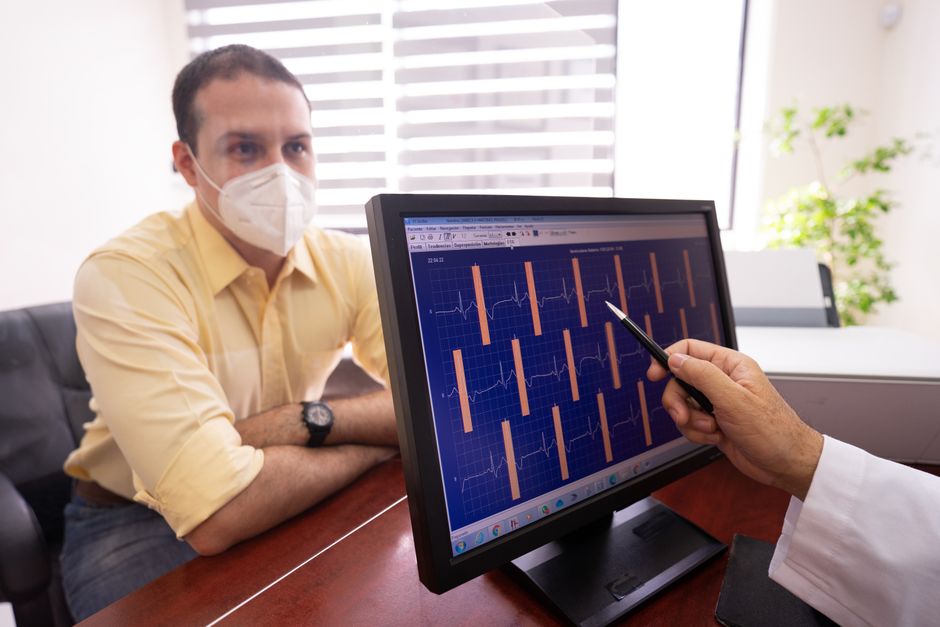
Candidacy for CABG is decided by a cardiology and cardiac-surgery team after reviewing your coronary anatomy, usually on a recent angiogram, along with heart function and overall health.
The procedure is generally considered for people with disease in several coronary vessels, with a significant narrowing of the left-main artery, or with blockages whose location or pattern makes stenting unlikely to give a durable result.
It is also weighed for patients whose angina continues despite optimal medication, and for those in whom diabetes or reduced pumping function shifts the balance toward surgery. Your team considers kidney function, lung capacity, prior strokes, and the condition of the vessels available for grafting.
Certain factors call for caution or further preparation rather than outright exclusion: active infection, uncontrolled bleeding tendencies, severe frailty, or other organ disease that raises operative risk. Smoking, blood-sugar control, and dental health are often addressed before surgery.
International patients should expect Korean centers to request existing records and imaging so the team can confirm that bypass, rather than stenting or continued medical therapy, is the most appropriate path before any travel is finalized.
How the Procedure Works
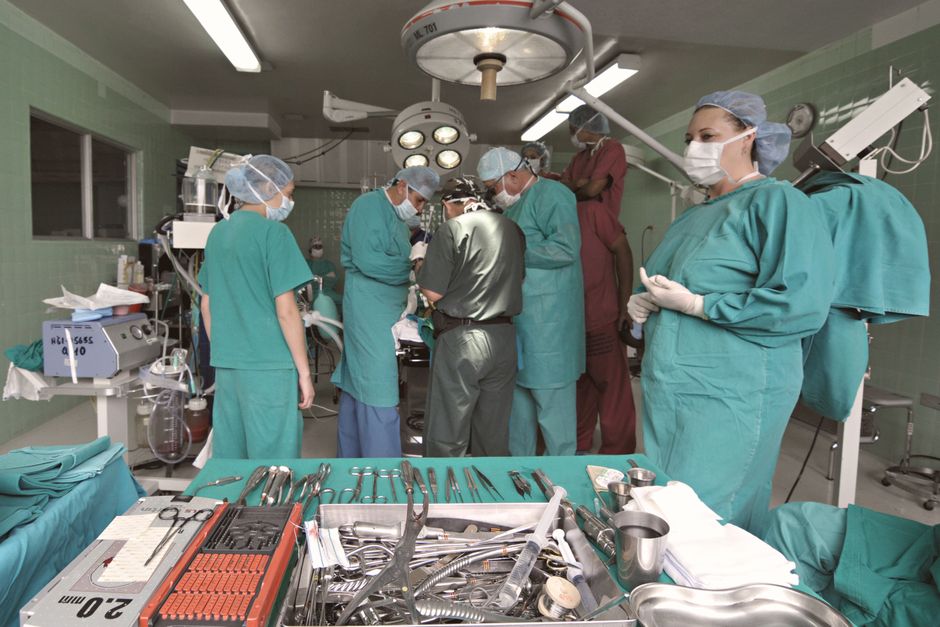
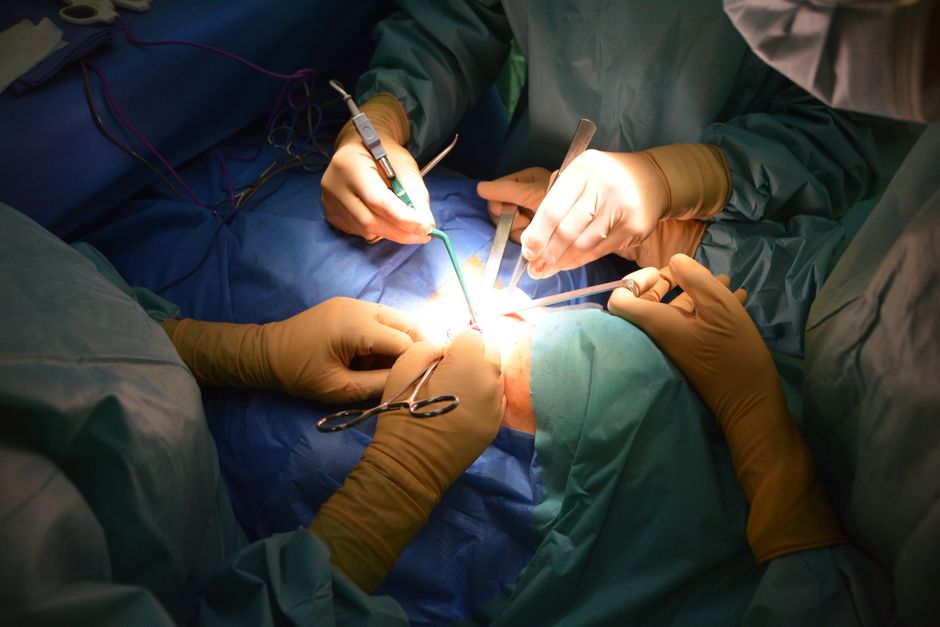
After anesthesia, the surgeon most often reaches the heart through the breastbone, though some teams use smaller incisions in selected cases.
Grafts are prepared first: an internal mammary artery from the chest wall is a common choice, sometimes combined with a radial artery from the forearm or a saphenous vein from the leg. Arterial grafts are often favored where they are suitable.
The operation may be performed on-pump or off-pump. In the on-pump approach, a heart-lung machine takes over circulation while the heart is stopped, giving a still field for the fine suturing.
In off-pump surgery, the heart keeps beating and a stabilizing device steadies the small area being worked on; this avoids the bypass machine in suitable patients. The choice depends on your anatomy and the surgeon's assessment.
Each graft is sewn to the coronary artery beyond the blockage and connected to a blood supply so that flow bypasses the narrowed segment. The number of grafts reflects how many vessels need treatment.
Once flow is confirmed and the heart is supporting circulation on its own, temporary pacing wires and chest drains are placed and the breastbone is closed, typically with wires, before the skin is sutured.
Recovery Timeline
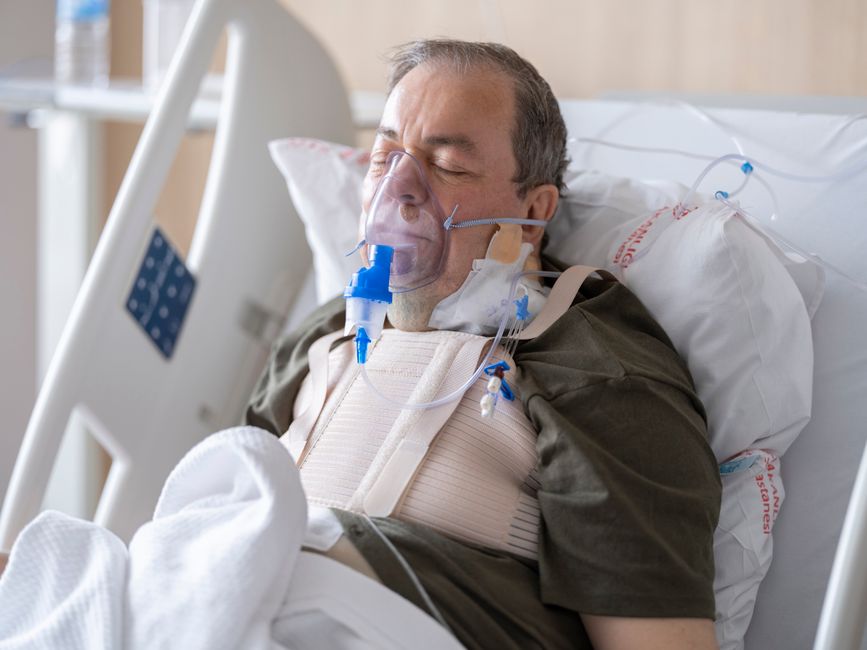
Most patients wake in a cardiac intensive care unit, where breathing support, drains, and monitoring lines are gradually removed over roughly the first day or two as the heart and lungs stabilize. A move to a step-down ward usually follows, with walking encouraged early to protect the lungs and circulation.
The typical inpatient stay is in the region of two weeks, though this varies with how each person recovers.
The breastbone needs time to knit, so lifting, pushing, and driving are restricted for several weeks, and the leg or arm graft site may be sore or swollen for a while.
A structured cardiac rehabilitation program, beginning with gentle activity and progressing under guidance, helps rebuild stamina and supports longer-term heart health.
Long-haul flying is generally not advised in the immediate post-operative period because of the strain of travel and the risk of clots and pressure changes. Many teams suggest waiting until the early healing phase is well established, often several weeks, and confirming fitness to fly individually before booking return travel.
International patients should plan an extended stay in Korea so that wound healing, medication adjustment, and early rehabilitation can be reviewed before departure, with a clear handover for follow-up at home.
Cost Breakdown
The quoted range of roughly $25,000 to $50,000 reflects the complexity of open-heart surgery and the resources it requires. The figure usually covers the surgical team, anesthesia, operating-room and heart-lung machine use, the intensive care and ward stay across about two weeks, and routine post-operative monitoring and medication during admission.
Where a case sits within that range depends on the number of grafts, whether an on-pump or off-pump approach is used, the length of intensive care, and any additional cardiac procedures performed at the same time.
Pre-operative tests such as angiography, echocardiography, and bloodwork may be billed separately, as may imaging repeated during the stay.
For international patients, costs outside the hospital bill, accommodation for a companion, local transport, interpretation, and the extended stay needed before flying home, should be budgeted alongside the medical estimate.
Korean centers serving medical travelers generally provide an itemized estimate after reviewing your records, so you can see what is and is not included before committing. Confirming the scope of the quote in writing helps avoid surprises and supports planning for the full length of the trip.
| Item | Typical Cost in Korea (USD) |
|---|---|
| CABG — single or double graft, standard case | $25,000–$35,000 |
| CABG — triple or quadruple graft, or combined procedure | $35,000–$50,000 |
| Pre-operative angiogram, echocardiogram, and bloodwork | Often billed separately; confirm |
| Cardiac intensive care unit stay beyond routine length | May be billed separately if extended |
| Cardiac rehabilitation programme during inpatient stay | Confirm if included in package |
Why Korea
Korea's tertiary hospitals run high-volume cardiac surgery programs supported by hybrid operating rooms, where surgical and catheter-based techniques can be combined in one suite, and by intensive care units staffed for complex post-operative recovery. This infrastructure suits the range of CABG cases, including those needing several grafts or combined procedures.
Many leading centers hold international accreditation and operate within a national framework overseen by the Ministry of Health and Welfare, with support from KHIDI and hospital recognition through KOIHA, which together set expectations for safety and quality.
For families traveling from abroad, this regulatory backdrop offers a measure of reassurance about standards of care.
Korean centers serving medical travelers typically provide coordinated international patient services: review of records and imaging before arrival, interpretation during consultations and the inpatient stay, and help arranging the extended logistics that cardiac surgery requires.
The combination of structured surgical pathways, organized rehabilitation, and dedicated coordination makes Korea a considered option for people seeking bypass surgery away from home, without implying any particular result for an individual case.
Key Takeaways
- CABG is recommended when coronary disease involves several vessels, the left-main artery, or blockages unsuitable for stenting — the choice between bypass and stenting is made by a cardiology and cardiac-surgery team after reviewing your angiogram.
- Surgery uses grafts from your own body to reroute blood around blocked segments; arterial grafts from the chest wall are preferred where suitable, as they tend to remain open longer than vein grafts.
- Recovery involves a cardiac ICU stay, breastbone healing over several weeks, and a structured rehabilitation programme; international patients should plan a stay of several weeks in Korea before flying home.
- Costs range from $25,000 to $50,000 USD; pre-operative testing, extended ICU care, and the costs of an extended stay in Korea before flying should be budgeted separately.
Frequently Asked Questions
How do I transfer my angiogram and medical records before treatment?
Korean cardiac centers ask for your recent angiogram images and report, echocardiogram, and relevant bloodwork before confirming a plan. These are usually shared as digital files or disc images through the hospital's international patient office. Sending them early lets the surgical team confirm whether bypass is appropriate and prepare before you travel, avoiding repeated tests on arrival where the existing studies are sufficient.
I take anticoagulants. How does that affect surgery and flying?
Blood-thinning medication is reviewed carefully, since some agents must be paused or adjusted before surgery to reduce bleeding and restarted afterward on a schedule set by your team. Do not change any medication yourself; share your full drug list early. For the return flight, your team will advise on timing and clot-prevention measures, as travel and altered clotting both influence when long-haul flying becomes reasonable.
Can a family member stay with me, including in intensive care?
A companion is generally welcomed and often helpful for international patients. Visiting arrangements in the cardiac intensive care unit are more limited because of the monitoring environment, so access there is usually restricted to set times. On the regular ward, family presence is typically easier. The international patient office can explain each hospital's specific visiting and accommodation policies before you arrive.
How long should I plan to stay in Korea for CABG?
Beyond the inpatient stay of around two weeks, you should plan additional time for wound healing, medication adjustment, and early rehabilitation before traveling home. Many patients remain in Korea for several weeks in total so the team can confirm recovery is progressing and judge fitness to fly. Your final stay length is confirmed individually based on how you heal.
Will I receive documents for follow-up care at home?
Yes. Before departure, the team prepares a summary of the surgery, the grafts used, your medications, and recommendations for ongoing care and cardiac rehabilitation. This handover is intended for your cardiologist or physician at home so that monitoring continues smoothly. Translation support is commonly available, and you can request copies of operative notes and discharge documents for your own records.
Related Topics
Ready to Begin Your Journey?
Get matched with KAHF-accredited hospitals and receive a personalized treatment plan.
Quick Facts
Typical Cost
$25000 - $50000
Duration
14 days
Accredited Hospitals
0+ Available
Top Hospitals
Medical Information Disclaimer
The information provided on this page about Coronary Artery Bypass Grafting is for general educational and informational purposes only. It is not intended as, and should not be construed as, medical advice, diagnosis, or treatment recommendations.
Always seek the advice of a qualified healthcare professional regarding any medical condition or treatment. Never disregard professional medical advice or delay seeking it because of information found on this website. Individual treatment outcomes may vary. Costs shown are estimates and may differ based on individual circumstances.
KmedTour acts as a medical tourism facilitator and does not provide direct medical services. All treatments are performed by independently accredited healthcare providers in South Korea.