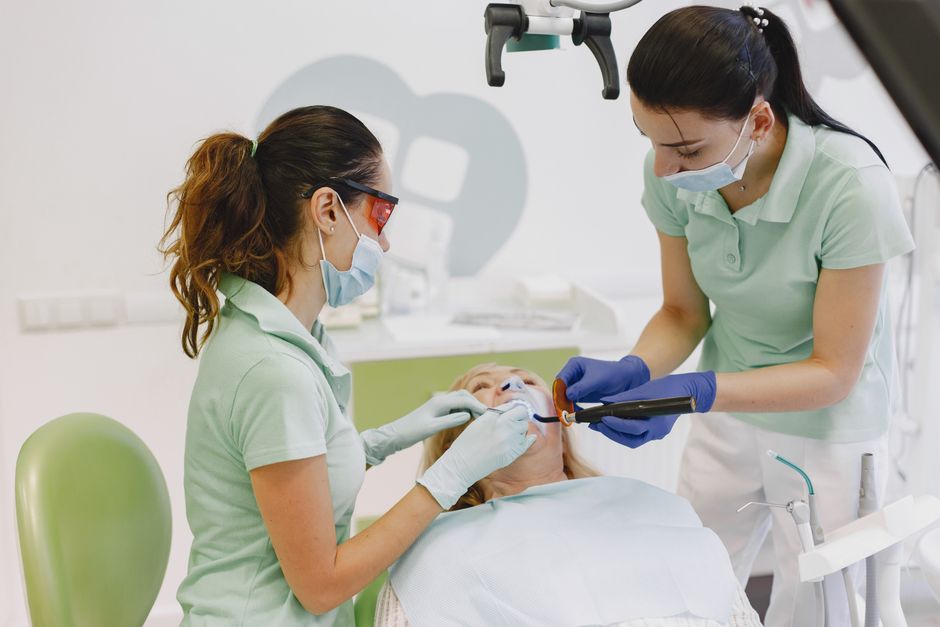
Dentistry$200 - $1000⭐ KAHF Accredited Hospitals
Conservative Dentistry in Korea
Preserve natural teeth in South Korea with tooth-colored fillings, inlays, onlays, and root canal treatment at a fraction of Western prices.
Quick Answer
- Conservative dentistry covers composite resin fillings, ceramic inlays/onlays, dental bonding, and root canal treatment (endodontics) — all designed to save natural tooth structure.
- Cost advantage: A ceramic inlay costs roughly $110–$300 per tooth in Korea vs. $800–$1,200 in the USA.
- Korean clinics use CAD/CAM same-day fabrication, operating microscopes, and rotary endodontic instruments, cutting multi-visit treatment to a single appointment for many restorations.
- The Korean Academy of Conservative Dentistry (KACD), founded in 1959, sets national clinical standards; all dentists must complete continuing education to maintain licensure.
At a Glance
| Procedure time | 30–90 min per tooth (fillings/inlays); 60–120 min per tooth per session (root canal) |
|---|---|
| Anesthesia | Local anesthesia; sedation available on request |
| Hospital stay | Outpatient — no overnight stay required |
| Recommended stay in Korea | 3–5 days (inlays/onlays); 5–10 days if root canal + crown required |
| Recovery | Mild sensitivity for 24–72 hrs; normal diet resumes within 1–3 days |
| Typical cost in Korea | Composite filling $60–$190 | Inlay/onlay $110–$600 | Root canal $150–$700 per tooth |
Overview
Conservative dentistry is the branch of dentistry focused on preserving as much natural tooth structure as possible while restoring form, function, and aesthetics. It encompasses a spectrum of restorative and endodontic procedures rather than extraction or full-coverage crowns.
The main treatments include composite resin fillings (tooth-colored direct restorations), ceramic or composite inlays and onlays (lab-fabricated partial restorations bonded into the tooth), dental bonding (resin applied to repair chips, gaps, or discoloration), and root canal treatment (endodontic therapy to save an infected or inflamed pulp).
In South Korea, this field is overseen by the Korean Academy of Conservative Dentistry (KACD), established in 1959, which publishes evidence-based clinical guidelines and runs the peer-reviewed journal Restorative Dentistry and Endodontics.
Korean dental schools train specialists in restorative dentistry and endodontics as separate disciplines, with board certification required for specialists.
For international patients, conservative dentistry in Korea represents compelling value: procedures that cost $800–$1,200 per tooth in the United States can be completed for $110–$600 in Seoul, with no compromise on materials quality or clinical standards.
Many patients combine multiple teeth in a single trip, achieving comprehensive smile rehabilitation at a total cost still well below single-procedure pricing at home.
Same-Day Ceramics Are Common
Many Seoul clinics use in-house CAD/CAM milling systems that fabricate ceramic inlays or onlays within the same appointment, eliminating the need for a temporary filling and a return visit — a major advantage for international travelers with a short itinerary.
Am I a Candidate?
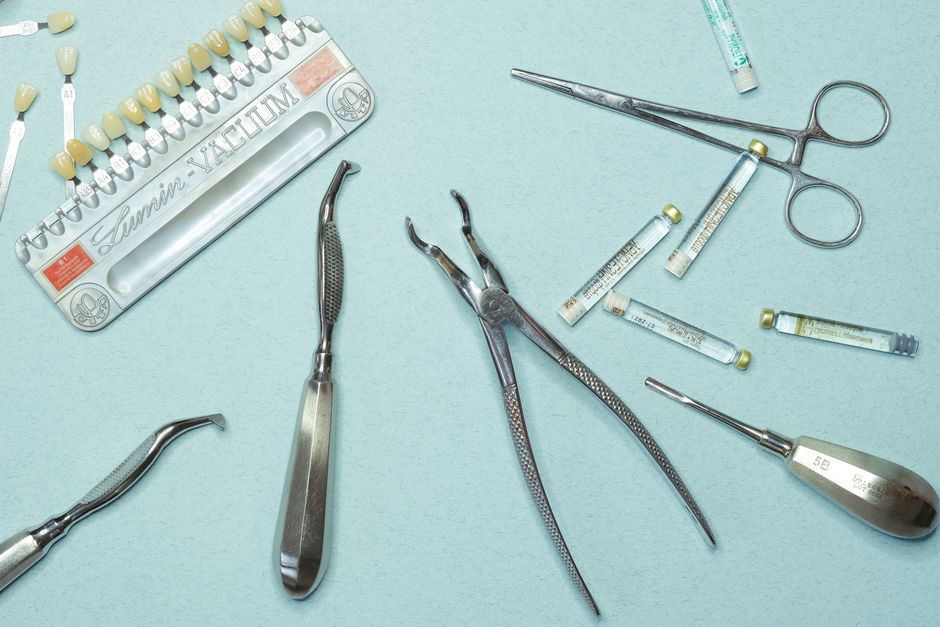
Conservative dentistry is appropriate for a wide range of patients. Candidacy assessment is made during an initial clinical examination with digital X-rays or CBCT imaging.
Ideal candidates include patients who:
- Have one or more cavities (caries) at any stage from early enamel lesion to deep dentin involvement
- Have cracked, chipped, or fractured teeth that still retain a viable root and sufficient tooth structure
- Have worn or discolored teeth unsuitable for whitening alone
- Have an infected or inflamed dental pulp causing pain, sensitivity, or abscess, where the root is structurally sound
- Need replacement of old amalgam (silver) fillings with tooth-colored alternatives
- Have gaps, minor misalignments, or surface imperfections addressable with bonding
Patients who may NOT be candidates for conservative restoration alone include those with:
- Teeth with insufficient remaining structure to support an indirect restoration
- Severely compromised roots or advanced periodontal bone loss
- Uncontrolled systemic conditions affecting healing (coordinated care required)
The Korean dentist will review panoramic X-rays, intraoral scans, and vitality testing before recommending a specific conservative treatment path. The guiding principle used in Korean clinics is minimally invasive dentistry: remove only what is diseased, preserve everything healthy.
How the Procedure Works
The exact steps depend on the type of conservative procedure. Below is an outline of the main pathways.
Composite resin filling (direct restoration)
- Local anesthetic is administered
- Decayed or damaged tissue is removed with a dental handpiece or air abrasion
- The cavity is etched, primed, and bonded
- Tooth-colored composite resin is placed in incremental layers
- Each layer is light-cured and shaped
- The restoration is polished to match surrounding enamel
- Completed in a single visit (30–60 min per tooth)
Ceramic or composite inlay/onlay (indirect restoration)
- Local anesthetic and cavity preparation as above
- An intraoral digital scan is taken (replacing traditional impressions at most modern Korean clinics)
- If CAD/CAM milling is available on-site, the ceramic restoration is fabricated within 60–90 minutes and bonded the same day
- If sent to a dental lab, a temporary filling is placed and the final restoration is bonded at a second appointment (2–7 days later)
- Adhesive cementation ensures a strong, smooth seal
Root canal treatment (endodontics)
- Local anesthetic (often supplemented with articaine for deep pulpal anaesthesia)
- Rubber dam isolation for infection control — standard practice in Korean specialist clinics
- Access opening through the crown of the tooth
- Canal length measured with an electronic apex locator and confirmed by digital X-ray
- Canals shaped with rotary nickel-titanium instruments under operating microscope magnification (10–25x)
- Thorough irrigation with sodium hypochlorite and EDTA
- Canals filled with gutta-percha and sealer (warm vertical condensation technique)
- Temporary or permanent coronal seal placed
- Crown typically recommended after root canal on posterior teeth (second appointment or same-day if CAD/CAM available)
All procedures use MFDS (Ministry of Food and Drug Safety)-approved dental materials, including biocompatible composite resins, adhesive systems, and ceramic blocks.
Recovery Timeline
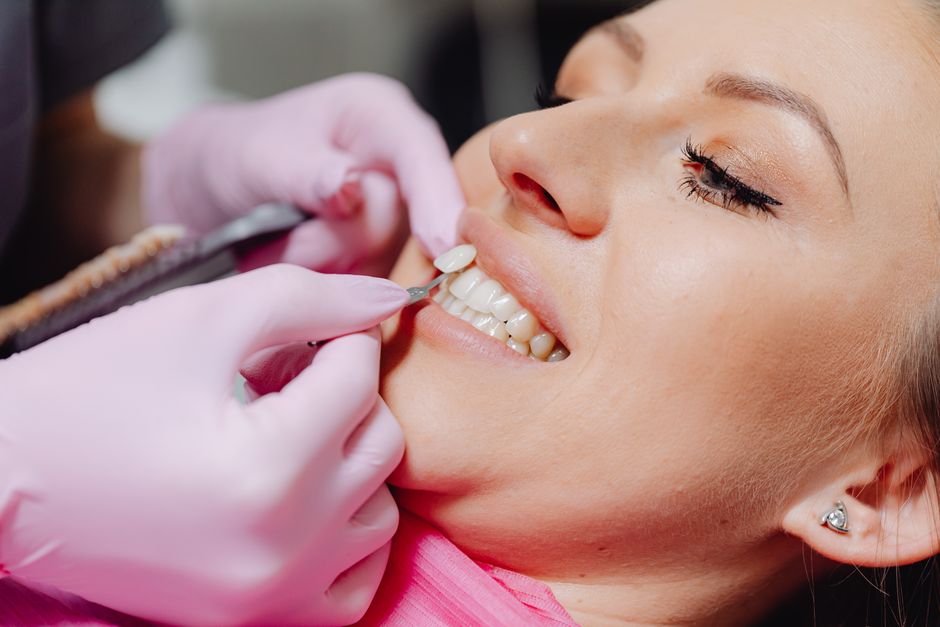
Recovery from conservative dental procedures is straightforward. Most patients return to normal activities on the same day.
First 24 hours
- Mild sensitivity to temperature or biting pressure is normal after fillings and inlays
- Avoid very hard, sticky, or extremely hot/cold foods until sensitivity subsides
- Numbness from local anesthetic typically resolves within 2–4 hours
Days 2–3
- Sensitivity largely resolves for composite fillings
- Light aching around a newly bonded inlay is common and expected
- Over-the-counter pain relief (ibuprofen or acetaminophen) is usually sufficient
After root canal treatment
- Mild soreness around the treated tooth for 3–7 days
- Pain that increases significantly beyond day 3 should be reported to the treating dentist
- Root canal-treated teeth are functional but fragile until a crown is placed — avoid chewing hard food on that side
Longer-term expectations
- Composite fillings: average lifespan 5–10 years with proper oral hygiene
- Ceramic inlays/onlays: 10–25 years or more with good home care
- Root canal-treated teeth with crown: long-term survival comparable to natural teeth in most cases
Patients traveling internationally should plan their return flight no earlier than 24–48 hours after final cementation of an inlay or completion of root canal treatment. Most Korean clinics provide written post-op instructions in English and a WhatsApp or email contact for questions after return home.
Cost Breakdown
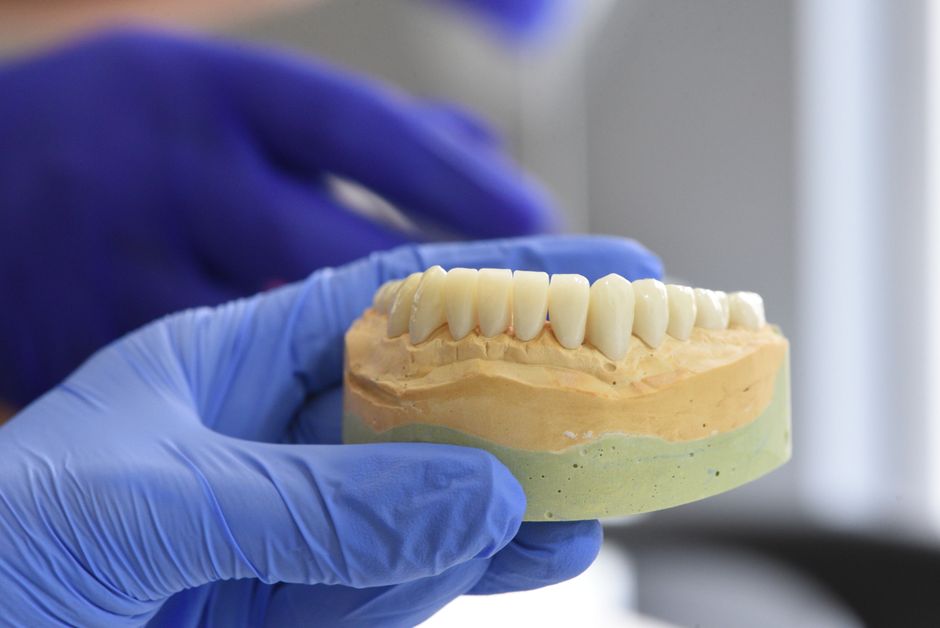
Conservative dentistry in Korea is priced well below Western benchmarks, and the gap widens significantly for multi-tooth cases.
Composite resin fillings
Small to medium fillings (one or two surfaces) cost approximately $60–$130 per tooth. Larger, multi-surface restorations may reach $130–$190. These are direct procedures completed in one visit with no lab fee.
Ceramic inlays and onlays
Ceramic inlays typically range from $110–$300 per tooth. Onlays, which cover one or more cusps, generally run $185–$460. Premium materials (e-max lithium disilicate, zirconia) sit at the higher end of that range. CAD/CAM same-day cases are priced similarly but eliminate the lab surcharge and second-visit consultation fee.
Root canal treatment
Endodontic fees depend on the number of canals (typically 1–4 per tooth):
- Anterior teeth (1–2 canals): $150–$350
- Premolars (2 canals): $200–$450
- Molars (3–4 canals): $350–$700
Additional costs to plan for
- Initial examination + digital X-rays: $40–$90
- CBCT (3D cone-beam scan, used for complex root canals): $60–$120
- Post-root-canal crown (ceramic or zirconia): $300–$700
- International patient coordination fee (some clinics): $0–$80
For reference, the equivalent composite filling in the United States typically costs $200–$400, and a molar root canal with crown exceeds $2,000–$3,500 at US out-of-pocket rates. The total savings on a multi-tooth trip — even after airfare and accommodation — are frequently substantial.
| Item | Typical Cost in Korea (USD) |
|---|---|
| Composite resin filling (per tooth) | $60–$190 |
| Ceramic inlay or onlay (per tooth) | $110–$460 |
| Root canal treatment — molar (per tooth) | $350–$700 |
| Post-root-canal zirconia crown (per tooth) | $300–$700 |
Why Korea
South Korea has built a genuinely strong reputation for conservative dentistry, driven by a combination of professional culture, regulation, technology adoption, and price structure.
Professional standards and specialist training
The Korean Academy of Conservative Dentistry (KACD), founded in 1959, is one of Asia's oldest professional dental societies. Specialist training in restorative dentistry and endodontics requires an additional 3-year residency after dental school.
All practicing dentists must complete mandated continuing education to maintain licensure under the Ministry of Health and Welfare.
Regulatory quality assurance
All dental materials used in Korean clinics — composite resins, ceramic blocks, adhesive systems, root canal sealers — must receive MFDS (Ministry of Food and Drug Safety) approval before clinical use.
South Korea is also a major manufacturer and exporter of dental materials; domestic brands supply markets globally, including the US and EU.
Technology infrastructure
Leading clinics in Seoul and other major cities routinely deploy intraoral 3D scanners, in-house CAD/CAM milling units (same-day ceramic restorations), digital periapical and panoramic X-ray, cone-beam computed tomography (CBCT), and operating microscopes for endodontics.
Many of these technologies are still considered premium options in Western private practice but are standard equipment at mid-to-upper-tier Korean dental clinics.
Minimally invasive philosophy
Korea's dental education system has strongly adopted the minimally invasive dentistry (MID) paradigm — detecting caries early, remineralizing where possible, and removing only what is truly diseased. This approach extends the lifespan of natural teeth and reduces the total lifetime cost of dental care for patients.
Medical Korea and international patient infrastructure
The government's Medical Korea program, coordinated partly through the Korea Health Industry Development Institute (KHIDI), promotes inbound dental tourism and requires participating clinics to meet defined standards for international patient services, including English-language communication and transparent fee disclosure. This gives visiting patients a baseline of assurance about clinic quality.
Key Takeaways
- Conservative dentistry in Korea is priced roughly 50–75% below US and UK out-of-pocket rates, with composite fillings at $60–$190 and ceramic inlays at $110–$460 per tooth.
- Korean clinics follow MFDS-approved material standards and KACD clinical guidelines; specialist endodontists use operating microscopes and rotary NiTi instruments as routine practice.
- CAD/CAM technology available at many Seoul clinics enables same-day ceramic inlay fabrication, reducing required visit days for international patients.
- Most conservative dental procedures are outpatient with 24–72 hour sensitivity; a realistic trip itinerary for multi-tooth treatment is 5–10 days.
Frequently Asked Questions
How many visits will I need for a ceramic inlay or onlay in Korea?
At clinics with in-house CAD/CAM milling, a ceramic inlay or onlay can often be completed in a single appointment of 2–3 hours. At clinics that use an external dental lab, two visits are required: one for tooth preparation and digital impression, and a second appointment 3–7 days later for bonding. Confirm which workflow a clinic uses before booking your travel dates.
Is root canal treatment in Korea as reliable as in my home country?
Korean specialist endodontists train for a minimum of 3 years after dental school and routinely use operating microscopes (10–25x magnification), electronic apex locators, and rotary nickel-titanium instruments — equipment and techniques that meet or exceed international endodontic standards. All participating clinics under the Medical Korea program must meet defined quality benchmarks. That said, no dental procedure carries a guarantee; post-treatment follow-up with your home dentist is advisable.
Will my travel insurance or home dental insurance cover treatment done in Korea?
Most standard travel insurance policies do not cover elective dental treatment abroad. Some international health plans and dental indemnity policies do reimburse for emergency or planned care overseas — check your policy documents for 'dental treatment abroad' or 'international dental benefits.' Carry itemized Korean clinic invoices and radiographs, as these are typically required for reimbursement claims.
Are the composite resin and ceramic materials used in Korea the same quality as at home?
Korea's Ministry of Food and Drug Safety (MFDS) regulates all dental materials before market approval, and South Korea is itself a major exporter of dental materials to the US, EU, and Asia. International patients can request material data sheets for specific composite resins or ceramic blocks used in their treatment. The same brands available in Korean clinics are often sold in North America and Europe under identical formulations.
How do I find a conservative dentistry specialist rather than a general dentist in Korea?
Look for clinics with a board-certified specialist in restorative dentistry or endodontics. The Medical Korea portal lists government-approved clinics for international patients. For root canal treatment specifically, requesting an endodontist (rather than a general dentist) and confirming they use an operating microscope is a reasonable baseline quality check.
Related Topics
Ready to Begin Your Journey?
Get matched with KAHF-accredited hospitals and receive a personalized treatment plan.
Quick Facts
Typical Cost
$200 - $1000
Duration
3 days
Accredited Hospitals
0+ Available
Top Hospitals
Medical Information Disclaimer
The information provided on this page about Conservative Dentistry is for general educational and informational purposes only. It is not intended as, and should not be construed as, medical advice, diagnosis, or treatment recommendations.
Always seek the advice of a qualified healthcare professional regarding any medical condition or treatment. Never disregard professional medical advice or delay seeking it because of information found on this website. Individual treatment outcomes may vary. Costs shown are estimates and may differ based on individual circumstances.
KmedTour acts as a medical tourism facilitator and does not provide direct medical services. All treatments are performed by independently accredited healthcare providers in South Korea.