Cardiac$20000 - $50000⭐ KAHF Accredited Hospitals
Congenital Heart Defect Surgery in Korea
Open and minimally invasive surgical repair of structural heart defects, performed in South Korea at world-class cardiac centers.
Quick Answer
- Korea performs over 41,000 CHD surgeries in its national database (2002–2018), reflecting deep institutional experience.
- Cost in Korea ranges approximately $18,000–$55,000 USD depending on defect complexity — a fraction of comparable US pricing.
- Hospital stay is typically 7–14 days; most international patients plan a 3–5 week total stay in Korea.
- KAHF-accredited hospitals (certified by KHIDI) meet international patient-safety standards aligned with WHO and JCI frameworks.
At a Glance
| Procedure time | 3–8 hours (varies by defect complexity and surgical approach) |
|---|---|
| Anesthesia | General anesthesia with cardiopulmonary bypass (open repair) or sedation (catheter-based closure) |
| Hospital stay | 7–14 days (ICU observation typically 1–3 days post-surgery) |
| Recommended stay in Korea | 3–5 weeks for monitoring, wound review, and clearance to fly |
| Recovery | 4–8 weeks for return to light activity; full recovery 3–6 months depending on defect type |
| Typical cost in Korea | Approximately $18,000–$55,000 USD (simple ASD/VSD repair to complex multi-stage correction) |
Overview
Congenital heart defects (CHDs) are structural abnormalities of the heart present from birth — ranging from small holes between chambers to missing or malformed valves and vessels.
Surgical repair corrects the defect to restore normal blood flow. Approaches include open-heart surgery using cardiopulmonary bypass, minimally invasive surgery through smaller chest incisions, and catheter-based procedures (such as device closure) that avoid open incisions entirely.
The choice of technique depends on the specific defect — for example, atrial septal defects (ASD) and ventricular septal defects (VSD) are often amenable to catheter-based closure, while complex lesions such as Tetralogy of Fallot or transposition of the great arteries typically require open surgical repair.
CHD surgery is performed on both pediatric and adult patients. Adults born with unrepaired or partially repaired defects form a growing population requiring specialized adult congenital heart disease (ACHD) programs.
Korea's cardiac surgery centers manage the full spectrum of CHD complexity, including high-risk corrections in very low-birth-weight infants — an area where Korean teams have built documented institutional experience.
Request an itemized cost estimate before traveling
Ask your Korean hospital's international patient office for a line-item estimate covering surgery, ICU, ward stay, and follow-up echo — then budget separately for diagnostics, accommodation, and flights. KAHF-accredited hospitals are required to provide transparent pricing to international patients.
Am I a Candidate?
Good candidates for CHD surgery include:
- Infants and children with symptomatic defects causing cyanosis, poor growth, or heart failure
- Adults with unrepaired or residual CHD causing arrhythmia, reduced exercise tolerance, or pulmonary hypertension risk
- Patients with defects identified incidentally on imaging who meet size or hemodynamic thresholds for repair
- Patients who have failed or are not suitable for catheter-based closure
Not all CHDs require surgery. Small VSDs may close spontaneously in childhood. Patent foramen ovale (PFO) closure depends on symptom history and neurological risk assessment.
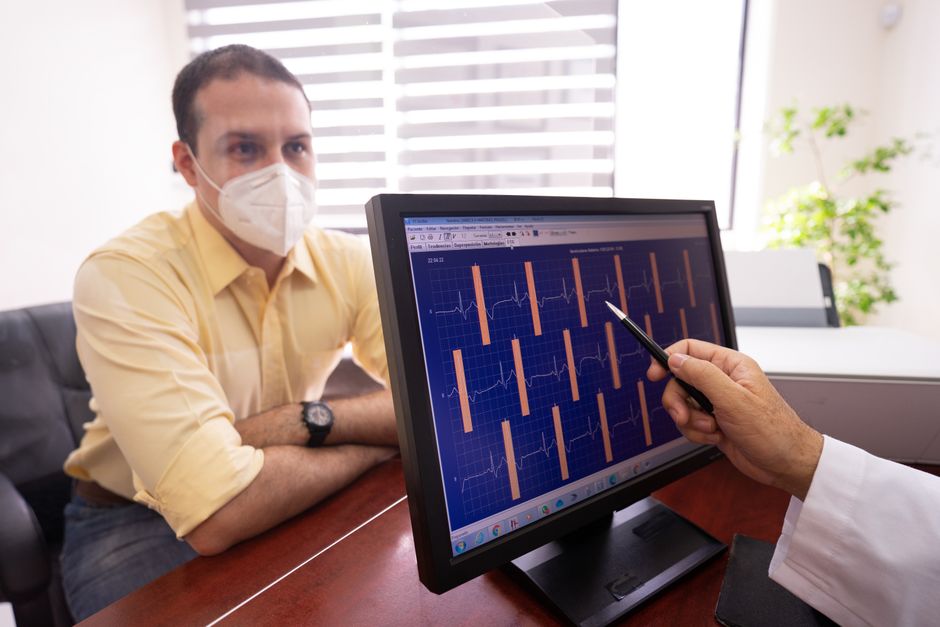
Pre-operative evaluation typically includes echocardiography, cardiac MRI or CT angiography, cardiac catheterization for hemodynamic assessment in complex cases, and pulmonary function testing. International patients traveling to Korea for evaluation should plan for a multi-day diagnostic workup before a final surgical plan is confirmed.
Patients with severe pulmonary arterial hypertension (Eisenmenger syndrome) may not be surgical candidates — this assessment is part of the Korean team's pre-operative protocol.
How the Procedure Works
The surgical approach is tailored to the specific defect. For open-heart repair:
- General anesthesia is administered and the patient is connected to a cardiopulmonary bypass (heart-lung) machine, which takes over circulation while the heart is stopped.
- The surgeon accesses the heart through a median sternotomy (mid-chest incision) or, in selected cases, a smaller lateral thoracotomy.
- The structural defect is directly repaired — holes are closed with sutures or a patch (often pericardium or synthetic material), valves are repaired or replaced, and abnormal vessels are reconstructed.
- The heart is restarted, bypass is discontinued, and the chest is closed in layers.
For catheter-based closure (ASD, VSD, PDA):
- A catheter is inserted through a vein (usually the femoral vein) and guided to the heart under fluoroscopy and echocardiographic guidance.
- A closure device (such as an Amplatzer-type occluder) is deployed across the defect.
- No chest incision is required; the procedure is typically performed under conscious sedation or light general anesthesia.
In complex multi-stage repairs (e.g., single-ventricle palliation with Glenn and Fontan procedures), multiple operations are planned over months or years.
Recovery Timeline
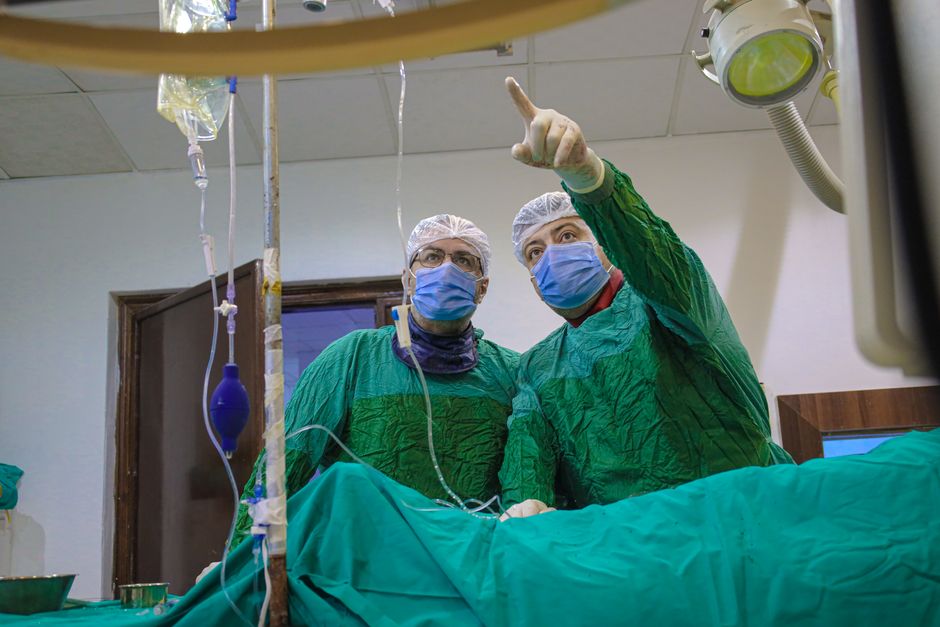
Immediate post-operative (Days 1–3): Patients wake in the cardiac ICU. Monitoring focuses on hemodynamic stability, rhythm, and early mobilization once extubated.
Hospital phase (Days 3–14): Transfer to a step-down cardiac ward. Drain removal, wound care, and introduction of oral medications. Pediatric patients are monitored for feeding tolerance and weight gain.
Early recovery in Korea (Weeks 2–5): International patients typically remain in Korea for follow-up echocardiography, wound review, and physician clearance before long-haul travel. Most Korean cardiac centers have international patient coordinators who arrange outpatient follow-up appointments during this window.
Home recovery (Weeks 4–12): Gradual return to light activity. Sternal precautions apply for 6–8 weeks following sternotomy (no heavy lifting, restricted arm movements). Children typically resume school in 4–6 weeks; adults return to sedentary work in 4–8 weeks.
Full recovery: Most patients reach full activity clearance at 3–6 months. Complex repairs or those requiring valve replacement involve longer follow-up with a cardiologist. Patients with residual hemodynamic issues may need repeat imaging at 6 and 12 months.
Cost Breakdown
Costs in Korea for CHD surgery are substantially lower than equivalent procedures in the United States, Western Europe, or Australia, with comparable or superior outcomes at top-tier centers.
Approximate USD ranges (all-inclusive hospital estimates):
- Simple defect closure (ASD/VSD, catheter-based): $8,000–$18,000
- Open repair of simple defects (ASD/VSD, open surgical): $18,000–$28,000
- Moderate complexity repair (Tetralogy of Fallot, partial AV canal): $28,000–$45,000
- Complex/multi-stage repair: $45,000–$65,000+
For comparison, open-heart surgery in the US can range from $100,000–$200,000 for equivalent procedures.
Cost components typically include surgeon fees, anesthesiology, operating room, ICU stay, standard ward stay, post-operative medications, and one follow-up echo before discharge. Not typically included: pre-operative diagnostic workup (add $1,500–$4,000), international patient coordination fees, accommodation outside the hospital, flights, and translation services.
Hospitals in Seoul — particularly in the Gangnam district — tend to price at the upper end due to facility infrastructure and international patient service departments. Costs can vary; always request an itemized estimate before committing.
| Item | Typical Cost in Korea (USD) |
|---|---|
| Catheter-based closure (ASD/VSD/PDA) | $8,000–$18,000 |
| Open surgical repair (simple ASD/VSD) | $18,000–$28,000 |
| Tetralogy of Fallot repair | $28,000–$45,000 |
| Complex multi-stage repair | $45,000–$65,000 |
| Pre-operative diagnostic workup | $1,500–$4,000 |
Why Korea
Korea's cardiac surgery infrastructure has been built over decades, and CHD surgery is one of its recognized specialties within the national health system.
Volume and experience: A nationwide Korean health insurance database recorded over 41,000 CHD surgeries between 2002 and 2018 — a volume that concentrates expertise in a relatively small number of major centers. High surgical volume is consistently associated with better outcomes in complex cardiac procedures.
Regulatory oversight: The Ministry of Food and Drug Safety (MFDS) regulates medical devices and pharmaceutical use in Korean hospitals. The Korea Health Industry Development Institute (KHIDI) administers the Korean Accreditation for Hospitals treating Foreign patients (KAHF) program, which certifies facilities against international patient-safety benchmarks aligned with WHO safety goals.
Medical Korea brand: Established in 2009, the government-backed Medical Korea initiative (medicalkorea.or.kr) lists KAHF-accredited hospitals and registered facilitators, providing a vetted entry point for international patients planning cardiac care.
Seoul and Gangnam: Major cardiac centers are concentrated in Seoul, with several in the Gangnam district — well-served by international transport links, English-speaking staff, and dedicated international patient service offices.
Cost advantage without quality compromise: A heart bypass procedure costing $100,000–$200,000 in the US is performed for approximately $30,000–$40,000 in Korea. CHD repair follows a similar pricing differential.
Infant and pediatric expertise: Korean cardiac teams have documented experience with surgical correction in very low-birth-weight infants — a technically demanding area that reflects the depth of the country's CHD surgical capability.
Key Takeaways
- Korea's national database documents over 41,000 CHD surgeries, giving major centers deep procedural experience across the full spectrum of defect complexity.
- KAHF accreditation (administered by KHIDI) provides an independently verified quality benchmark for international patients choosing Korean cardiac facilities.
- Plan for a 3–5 week total stay: post-operative monitoring and physician clearance before long-haul travel is standard practice at Korean cardiac centers.
- Cost in Korea is typically 60–80% lower than equivalent procedures in the United States, with comparable outcomes at high-volume accredited centers.
Frequently Asked Questions
Can adults with unrepaired congenital heart defects get surgery in Korea?
Yes. Korean cardiac centers treat both pediatric and adult patients with CHD, including adults who were never repaired or had partial repair in childhood. Adult congenital heart disease (ACHD) requires specialized assessment — a pre-operative workup including echocardiography, cardiac MRI, and sometimes cardiac catheterization is standard before a surgical plan is confirmed.
Is catheter-based closure available for ASD and VSD in Korea?
Catheter-based device closure is available for eligible ASD, VSD, and PDA cases at major Korean cardiac centers. Suitability depends on defect size, anatomy, and rim characteristics assessed by echocardiography. Not all defects are anatomically suitable; your Korean cardiac team will advise on open versus catheter approach after diagnostic imaging.
How do I verify a Korean hospital is accredited for international patients?
The KAHF (Korean Accreditation for Hospitals treating Foreign patients) registry is maintained by KHIDI and listed on the Medical Korea official portal (medicalkorea.or.kr). Search the accredited hospital directory on that site — it is the government-verified list of facilities certified to treat international patients.
What documents should I bring for a CHD surgical evaluation in Korea?
Bring all prior cardiac imaging (echocardiography reports and images on disc if possible, cardiac MRI or CT reports), operative notes from any previous cardiac surgeries, a complete medication list, recent ECG, and your referring cardiologist's summary letter. Having imaging on a USB drive or shareable digital format speeds up the Korean team's pre-operative assessment significantly.
How long after surgery before I can fly home?
Most Korean cardiac centers require a minimum 3–5 weeks in-country after open-heart surgery before clearing a patient for long-haul flight. The timeline depends on wound healing, rhythm stability, and a discharge echocardiogram. Catheter-based procedures may allow earlier travel (1–2 weeks), subject to physician assessment. Never book a fixed return flight before receiving surgical clearance.
Does Korea handle very complex or rare congenital defects?
Major Korean cardiac centers have experience with complex multi-stage CHD repair, including single-ventricle palliation pathways (Blalock-Taussig shunt, Glenn, Fontan). Very rare or ultra-complex cases benefit from a multi-disciplinary team review before travel — request a virtual pre-consultation with the Korean surgical team to confirm they have experience with your specific anatomy before committing to travel.
Related Topics
Sources
Ready to Begin Your Journey?
Get matched with KAHF-accredited hospitals and receive a personalized treatment plan.
Quick Facts
Typical Cost
$20000 - $50000
Duration
14 days
Accredited Hospitals
0+ Available
Top Hospitals
Medical Information Disclaimer
The information provided on this page about Congenital Heart Defect Surgery is for general educational and informational purposes only. It is not intended as, and should not be construed as, medical advice, diagnosis, or treatment recommendations.
Always seek the advice of a qualified healthcare professional regarding any medical condition or treatment. Never disregard professional medical advice or delay seeking it because of information found on this website. Individual treatment outcomes may vary. Costs shown are estimates and may differ based on individual circumstances.
KmedTour acts as a medical tourism facilitator and does not provide direct medical services. All treatments are performed by independently accredited healthcare providers in South Korea.