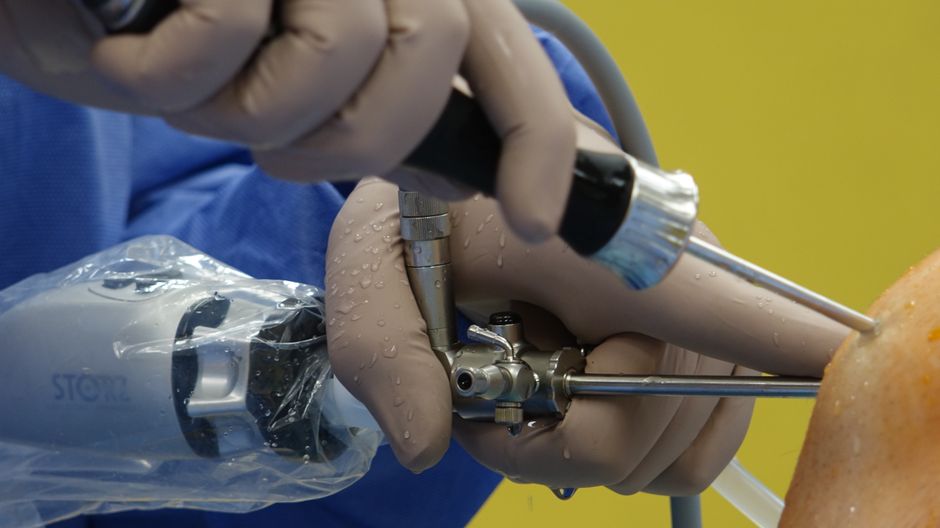
Gastroenterology$500 - $1500⭐ KAHF Accredited Hospitals
Colonoscopy Screening in Korea
Sedated colonoscopy in Korea with same-session gastroscopy, on-the-spot polyp removal, and same-day results at Seoul screening centers.
Quick Answer
- A colonoscopy is an outpatient exam where an endoscope inspects the entire colon and rectum, usually under sedation, to detect and remove polyps before they can become cancer.
- In Korea it is typically bundled into a comprehensive health screening, often with a same-session gastroscopy, and polyps are removed on the spot when found.
- Self-pay cost in Seoul is roughly $300–$600 within a screening package, with polypectomy and pathology adding to the total.
- Plan a short stay in Korea: most results are same-day, but if polyps are removed you should not fly for at least 7 days.
At a Glance
| Procedure time | About 20–45 minutes for the scope itself; longer if polyps are removed |
|---|---|
| Anesthesia | Conscious sedation (commonly propofol and/or a benzodiazepine); unsedated is an option |
| Hospital stay | Outpatient — 2–3 hours of monitored recovery, no overnight admission |
| Recommended stay in Korea | 3–5 days; longer if polyps are removed (no flying for ~7 days) |
| Recovery | Same-day rest; normal activity within 24 hours, longer if a polyp was removed |
| Typical cost in Korea | Approximately $300–$600 within a screening package; polypectomy and pathology extra |
Overview
A colonoscopy is an outpatient endoscopic exam in which a thin, flexible camera is passed through the rectum to inspect the lining of the entire large intestine.
It is the reference test for colorectal cancer screening because it both detects and removes polyps — small growths that can develop into cancer over years.
In Korea, colonoscopy is most often performed as part of a comprehensive health screening rather than a standalone visit.
Because sedation is used, many Korean centers perform a gastroscopy (upper-GI scope) in the same sedation session, covering stomach and colon in one appointment.
Korea runs colorectal cancer screening at a national scale, and screening centers in Seoul handle high volumes with standardized, English-supported workflows for international visitors.
Bundle the upper scope
Because colonoscopy already requires sedation, adding a gastroscopy in the same session is efficient and low-cost — you cover stomach and colon in one appointment with a single sedation and one recovery.
Do not fly too soon after polyp removal
If a polyp is removed, avoid air travel for at least 7 days due to the small risk of delayed bleeding or perforation. Build buffer days into your itinerary in case polypectomy is needed.
Good prep drives good results
The accuracy of a colonoscopy depends on how clean your colon is. Follow the bowel-prep and diet instructions exactly the day before, or the exam may need to be repeated.

Am I a Candidate?
Colonoscopy is generally considered for adults due for colorectal cancer screening or those with specific symptoms or risk factors. You may be a candidate if you:
- Are at or above the usual screening age and have never been screened, or are due for a repeat exam
- Have a family history of colorectal cancer or polyps
- Have symptoms such as rectal bleeding, persistent change in bowel habits, unexplained anemia, or abdominal pain
- Had a positive stool-based test and need a confirmatory exam
- Have a personal history of polyps requiring surveillance
A Korean physician reviews your history, medications (especially blood thinners), and prep tolerance before booking.
Sedation suitability is assessed separately; people with certain heart, lung, or anesthesia-risk conditions may need extra evaluation or an unsedated approach. Pregnancy and acute severe colitis are typical reasons to defer.
How the Procedure Works
The day before, you follow a low-residue diet and drink a bowel-prep laxative solution so the colon is clean enough to see clearly. Clear results depend heavily on good prep.
On the day, you arrive fasting. Staff place an IV and administer sedation so you are relaxed and usually unaware during the exam.
The endoscopist advances the colonoscope to the cecum (the start of the colon) and slowly withdraws, examining the lining.
- Suspicious polyps are typically removed during the same exam (polypectomy)
- Removed tissue is sent for pathology
- If a gastroscopy is bundled, it is done in the same sedation
The scope portion usually takes 20–45 minutes. You then move to a recovery area until the sedation wears off.
Recovery Timeline
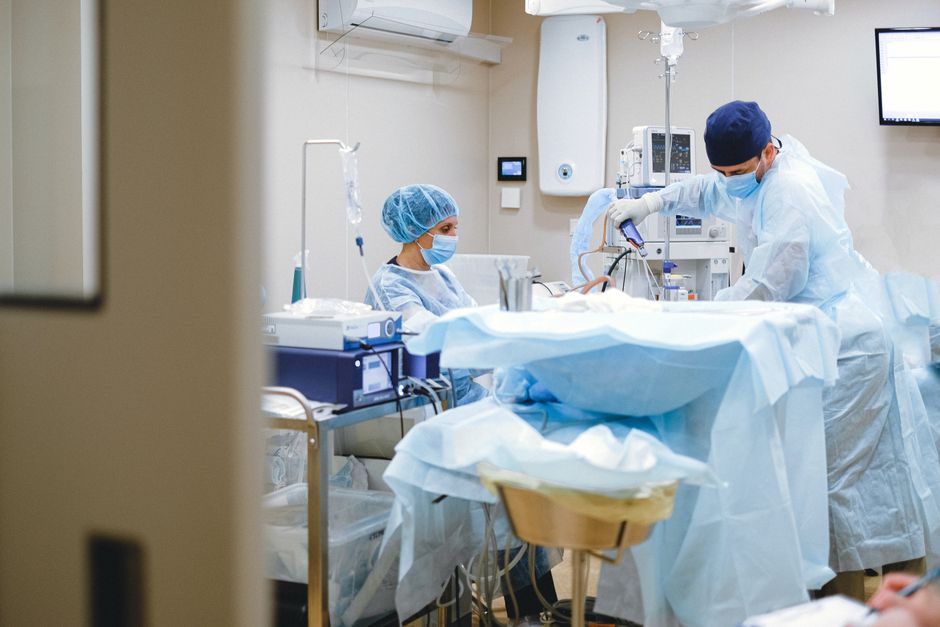
Recovery from a screening colonoscopy is quick because it is outpatient and minimally invasive.
- First 2–3 hours: monitored recovery at the center as sedation wears off; mild bloating or gas is normal
- Same day: light meals, plenty of fluids, no driving or important decisions because of sedation
- Within 24 hours: most people return to normal activity
- After polypectomy: avoid heavy lifting, alcohol, and blood thinners as advised, and watch for bleeding for several days
Because of a small bleeding and perforation risk after polyp removal, you should not fly for at least 7 days if a polyp was taken.
Report heavy rectal bleeding, severe abdominal pain, or fever promptly. Pathology results for removed tissue may take a few days, and your physician will advise on any future surveillance interval.
Cost Breakdown
Pricing in Korea is usually structured around screening packages rather than a single line item, which keeps colonoscopy affordable for self-pay international patients.
A comprehensive checkup that includes colonoscopy commonly runs about $300–$600.
Adding a gastroscopy in the same sedation session is often only a modest extra charge because one sedation covers both scopes.
- Polypectomy adds a procedure fee that can scale with the number of polyps removed
- Pathology of removed tissue is billed separately
- Sedation may be included or itemized depending on the center
Quotes typically cover the consultation, the scope, facility, and basic monitoring. Always confirm in writing what is and is not included, since the final bill depends on findings — a clean screening costs less than one where polyps are found and removed.
| Item | Typical Cost in Korea (USD) |
|---|---|
| Comprehensive screening package including colonoscopy | $300–$600 |
| Add gastroscopy in same sedation session | $150–$300 |
| Polypectomy (polyp removal) | $200–$500+ |
| Pathology of removed tissue | $50–$200 |
| Sedation (if itemized separately) | $50–$150 |
Why Korea
Korea has built one of the world's most developed gastrointestinal screening ecosystems, driven by a strong domestic health check-up culture centered on Seoul and the Gangnam district.
High-volume screening centers run standardized, protocol-driven endoscopy with quality measures such as bowel-prep adequacy, cecal intubation, withdrawal time, and adenoma detection.
The national colorectal cancer screening framework means colonoscopy is routine, widely practiced, and supported by experienced endoscopists.
For international visitors, leading Seoul centers offer English-language coordination, efficient same-day workflows, and the convenience of pairing colonoscopy with a broader checkup.
Korea's medical system is regulated by the Ministry of Food and Drug Safety, and the government promotes inbound care through Medical Korea and the Korea Health Industry Development Institute, giving patients a transparent, well-organized pathway.
Key Takeaways
- Korea performs colonoscopy as a high-volume, standardized screening procedure, usually under sedation and often paired with a same-session gastroscopy.
- Self-pay cost in Seoul is moderate — roughly $300–$600 within a checkup package — with polypectomy and pathology billed on top when polyps are found.
- Plan a short stay and add buffer days: results are often same-day, but if polyps are removed you should not fly for at least a week.
Frequently Asked Questions
Is the colonoscopy painful, and will I be asleep?
Most patients in Korea have the exam under conscious sedation (often propofol and/or a benzodiazepine), so they are relaxed and usually unaware during the procedure. You may feel mild bloating or gas afterward. Unsedated colonoscopy is also available if you prefer to avoid sedation, though it can be less comfortable.
Can I get a gastroscopy at the same time?
Yes. Because colonoscopy already requires sedation, many Korean centers perform an upper-GI gastroscopy in the same sedation session. This covers both your stomach and colon in one appointment, with a single recovery period and often only a modest additional cost.
What happens if a polyp is found during my colonoscopy?
Polyps are typically removed during the same exam (polypectomy) and sent for pathology. This adds to the cost and means you should avoid heavy activity, alcohol, and blood thinners as advised, and should not fly for at least 7 days because of a small bleeding and perforation risk.
How many days should I stay in Korea for a colonoscopy?
A typical visit is about 3–5 days, allowing time for consultation, bowel prep, the procedure, and same-day results. If polyps are removed, plan to stay longer, since air travel should be delayed for at least a week after polypectomy.
How much does a colonoscopy cost in Korea for foreigners?
Self-pay colonoscopy in Seoul commonly falls within a comprehensive screening package costing roughly $300–$600. Polyp removal, pathology, and sometimes sedation are billed separately, so a screening where polyps are found and removed costs more than a clean exam. Always confirm inclusions in writing.
Related Topics
Sources
Ready to Begin Your Journey?
Get matched with KAHF-accredited hospitals and receive a personalized treatment plan.
Quick Facts
Typical Cost
$500 - $1500
Duration
1 days
Accredited Hospitals
2+ Available
Top Hospitals
Available Cities
Medical Information Disclaimer
The information provided on this page about Colonoscopy Screening is for general educational and informational purposes only. It is not intended as, and should not be construed as, medical advice, diagnosis, or treatment recommendations.
Always seek the advice of a qualified healthcare professional regarding any medical condition or treatment. Never disregard professional medical advice or delay seeking it because of information found on this website. Individual treatment outcomes may vary. Costs shown are estimates and may differ based on individual circumstances.
KmedTour acts as a medical tourism facilitator and does not provide direct medical services. All treatments are performed by independently accredited healthcare providers in South Korea.