Cosmetic$300 - $1500⭐ KAHF Accredited Hospitals
Chemical Peel in Korea
Glycolic, salicylic, and TCA peels at Seoul dermatology clinics to clear acne, fade pigmentation, and smooth texture for darker skin tones.
Quick Answer
- Chemical peels in Korea cost USD 60–400 depending on depth — superficial peels are same-day outpatient; deep peels need more recovery time in-country
- Korean dermatology clinics offer TCA, glycolic, salicylic, and combination peels calibrated for Asian skin phototypes
- Mild redness and peeling last 3–7 days for medium peels; plan your Korea trip with enough downtime after the procedure
At a Glance
| Procedure Duration | 20–60 minutes |
|---|---|
| Anesthesia | Topical numbing cream (deep peels may need more) |
| Recovery Time | 3–7 days (medium peel); up to 2 weeks (deep peel) |
| Hospital Stay | None — outpatient |
| Results Duration | 3–6 months maintenance; cumulative improvement with a series |
| Cost Range | USD 60–400 per session |
Overview
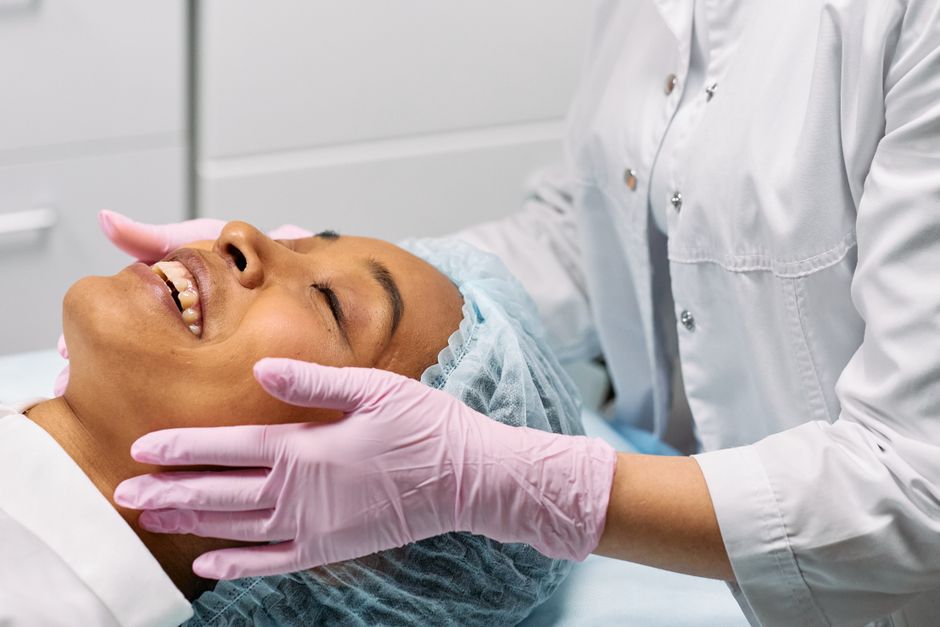
A chemical peel is a controlled skin-resurfacing treatment in which a dermatologist applies an acid solution that loosens and removes outer layers of skin, prompting fresh, more even skin to regenerate.
In South Korea, peels are a core part of the country's dermatology and K-beauty tradition, performed widely across Seoul clinics in the Gangnam, Apgujeong, Cheongdam, and Myeongdong districts. Korean clinics typically offer three depths.
Superficial peels, often using glycolic, lactic, or salicylic acid, exfoliate the outermost layer to brighten dull tone, unclog pores, and calm mild acne with little downtime. Medium peels, commonly based on trichloroacetic acid (TCA), reach deeper to address fine lines, acne scars, and stubborn pigmentation.
Deep peels treat more pronounced sun damage and texture concerns and require careful planning and recovery. Many Korean dermatologists favor lighter, layered peel protocols combined with hydration and barrier care, an approach popular for sensitive and combination skin.
For patients from African countries with richer melanin content, the depth, acid choice, and pre-treatment plan matter significantly, because deeper peels carry a higher risk of post-inflammatory hyperpigmentation. A reputable clinic assesses skin type, history, and goals before recommending a specific peel rather than applying a one-size-fits-all formula.
Peels are frequently done as a course of sessions rather than a single visit, particularly for acne scarring or melasma.
Important
Deep chemical peels require more downtime and close follow-up. If you are traveling from abroad, discuss timing with your doctor before booking flights.
Korean dermatologists are experienced with Fitzpatrick Type III–V skin and select peel strengths and combinations accordingly to minimize post-inflammatory hyperpigmentation risk.
Am I a Candidate?
Good candidates for a chemical peel are generally healthy adults seeking to improve acne, enlarged or congested pores, uneven skin tone, dullness, mild-to-moderate acne scarring, sun damage, or pigmentation concerns such as melasma. The most important factor for patients from Africa is skin tone and reactivity.
Higher-melanin skin can respond beautifully to peels but is more prone to post-inflammatory hyperpigmentation if a peel is too aggressive or aftercare is poor, so Korean dermatologists often start conservative with superficial acids and build gradually.
During consultation, the clinician reviews your skin type, any history of cold sores, keloid or abnormal scarring tendency, eczema or rosacea, recent isotretinoin (Accutane) use, and current skincare such as retinoids or other actives.
People who are pregnant or breastfeeding, who have active skin infections or open wounds in the treatment area, or who have recently had certain laser or resurfacing procedures may be advised to wait.
Those with very recent or heavy sun exposure are usually asked to reschedule, since tanned skin raises pigmentation risk. Realistic expectations matter: peels improve and maintain skin quality over a series of sessions rather than delivering a single dramatic transformation.
A thorough consultation, including an honest discussion of your usual sun exposure and home routine, is essential to confirm you are a suitable candidate and to choose the safest depth.
How the Procedure Works
The process begins with a consultation and skin assessment, where the dermatologist examines your concerns, determines your skin type, and selects the peel type, acid, and concentration.
For many patients, especially those with deeper skin tones, the clinic may recommend a priming period of a few weeks beforehand using prescribed brightening or barrier-support products to reduce pigmentation risk. On the day of treatment, the skin is cleansed and degreased so the solution can penetrate evenly.
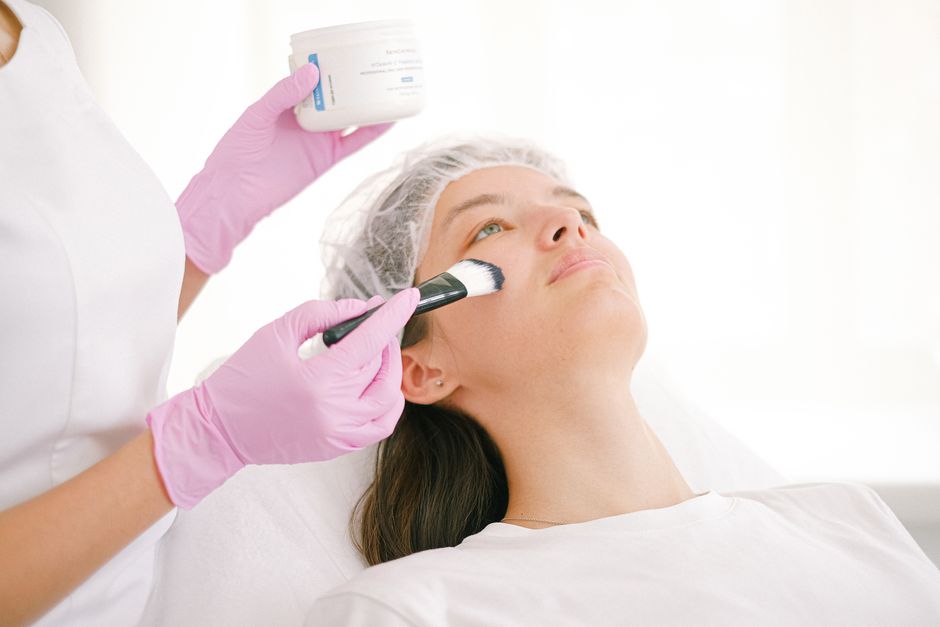
Eyes and sensitive areas are protected. The dermatologist then applies the chemical solution, usually with a brush or applicator, working in layers and watching the skin's reaction closely.
You may feel tingling, warmth, or mild stinging during application; superficial peels are generally well tolerated, while medium and deep peels can be more intense and may involve cooling or numbing measures. The acid is left on for a controlled time and then neutralized or rinsed, depending on the formulation.
Afterward, a soothing, hydrating product and broad-spectrum sunscreen are applied. A superficial peel session is typically brief, often completed within about thirty minutes to an hour including preparation. Medium and deep peels take longer and require more aftercare guidance.
Before you leave, the clinic explains home care, sun protection, and when to return for the next session if a course is planned.
Recovery Timeline
Recovery depends heavily on peel depth. After a superficial peel, you may notice mild redness, tightness, and light flaking for one to several days, and most people resume normal activities and even makeup quickly with proper sunscreen.
Medium peels involve more visible peeling and redness, with skin commonly flaking and shedding over roughly five to seven days and some lingering pinkness afterward; many people take a day or two of downtime around such a peel.
Deep peels require the longest recovery, often with significant peeling and redness, skin generally healing over about ten to fourteen days, and residual redness that can persist for several weeks.
Across all depths, the cardinal rules are gentle care and strict sun protection: avoid picking or peeling flaking skin, keep the skin moisturized, skip harsh actives such as retinoids and scrubs until cleared by your clinician, and apply broad-spectrum sunscreen diligently.
For higher-melanin skin, disciplined sun avoidance is especially important to prevent post-inflammatory hyperpigmentation during healing. Because peels are often done as a series, clinics typically space sessions several weeks apart to let the skin fully recover between treatments.
If you are traveling to Korea specifically for a peel, plan your itinerary so that any visible peeling or redness has settled before key events, and discuss timelines with the clinic so your recovery window fits your stay.
Cost Breakdown
Chemical peel pricing in Korea varies by depth, the specific acid or blend used, the clinic's district and reputation, and whether you buy a single session or a package.
Prices scale with peel depth. Superficial peels in Seoul commonly cost about 40 to 120 US dollars per session, while medium-depth peels such as TCA-based treatments run roughly 120 to 250 US dollars per session.
Deeper or specialized peels can run higher, often several hundred dollars and sometimes more depending on extent.
Premium clinics in central districts like Gangnam, Cheongdam, and Apgujeong tend to price toward the higher end, often noticeably above clinics in less central areas.
Many clinics sell multi-session packages, for example courses of five or ten sessions, which usually lower the effective per-session cost for ongoing acne or pigmentation programs.
Some clinics charge a modest consultation fee, sometimes in the range of roughly 10 to 40 US dollars, which is frequently waived if you proceed with treatment. When budgeting, factor in any prescribed pre-treatment or aftercare products and sunscreen, plus the cost of additional sessions if a series is recommended.
Treat all figures as estimates that shift with exchange rates and individual clinic pricing, and always request a written quote during consultation. Overall, aesthetic dermatology in Korea is often considerably more affordable than equivalent care in many Western countries, which is part of its appeal for international patients.
| Item | Typical Cost in Korea (USD) |
|---|---|
| Superficial peel (glycolic/salicylic) | |
| Medium-depth peel (TCA 20–35%) | |
| Deep peel (TCA >35% / phenol) | |
| Combination peel package (series of 3) |
Why Korea
South Korea is one of the world's most established destinations for dermatology and aesthetic skin care, anchored by Seoul's dense cluster of clinics in Gangnam, Apgujeong, Cheongdam, and Myeongdong and supported by the country's globally recognized K-beauty culture.
The government actively promotes medical tourism through the Korea Health Industry Development Institute (KHIDI) and its Medical Korea program, which helps international patients verify that a clinic is legally registered to treat foreign patients.
Quality and safety are reinforced by accreditation frameworks, including the KAHF mark (Korea Accreditation Program for Hospitals Serving Foreign Patients), and many leading clinics pursue international recognition such as Joint Commission International accreditation.
Devices and products used in Korean clinics are regulated by the Ministry of Food and Drug Safety (MFDS), and many practitioners work with both MFDS-approved and internationally cleared technologies.
Korea draws hundreds of thousands of international medical visitors annually from across the Americas, Asia, the Middle East, and increasingly Africa, with dermatology and aesthetics among the most sought-after specialties.
For patients traveling from African countries, the combination of experienced dermatologists, layered and barrier-focused peel protocols, broad availability of foreigner-friendly clinics with translation support, and competitive pricing makes Korea an attractive option.
As with any destination, choosing a registered, accredited clinic and confirming the dermatologist's experience with your skin tone is the most important step.
Key Takeaways
- Peel depth determines both the results and the recovery window — superficial peels fit easily into a short trip, while deep peels need extra days in-country
- Korean clinics have extensive experience with Asian and darker skin phototypes, which matters for safe acid concentration selection
- A series of superficial peels can be more effective for even-toning than a single deep peel, with less downtime per session
Frequently Asked Questions
Are chemical peels safe for darker, African skin tones?
Yes, when performed appropriately. Higher-melanin skin can respond very well to peels, but it is more prone to post-inflammatory hyperpigmentation if a peel is too deep or aftercare is poor. Korean dermatologists experienced with diverse skin often start with superficial acids, may recommend a priming period, and emphasize strict sun protection. Choose a clinic that assesses your skin type and explains its plan for your specific tone.
How many chemical peel sessions will I need?
It depends on your concern and the peel depth. Brightening or mild acne maintenance may use a series of superficial peels spaced several weeks apart, while acne scarring or pigmentation such as melasma often needs a longer course. A single peel can refresh the skin, but most lasting improvement comes from a planned series. Your dermatologist will recommend a schedule during consultation.
What is the downtime and can I plan my trip around it?
Superficial peels usually involve mild redness and light flaking for a few days. Medium peels typically shed over about five to seven days with some lingering pinkness, and deep peels can take roughly ten to fourteen days to heal with redness lasting longer. If traveling to Korea, plan so any visible peeling settles before important events and discuss timing with the clinic to fit your stay.
How much does a chemical peel cost in Korea?
Approximate ranges are about 40 to 120 US dollars for superficial peels, 120 to 250 US dollars for medium TCA-based peels, and higher for deeper or specialized peels. Gangnam and other central districts trend higher, and many clinics offer multi-session packages that lower the per-session cost. Always request a written quote, since prices vary by clinic and exchange rate.
How do I know a Korean clinic is legitimate for foreign patients?
International patients can use the Medical Korea program run by KHIDI to confirm a clinic is legally registered to treat foreign patients, as only registered institutions are authorized. Look for accreditation such as the KAHF mark, devices and products regulated by the MFDS, and a dermatologist experienced with your skin tone. Many Seoul clinics also offer translation and foreigner-friendly coordination.
Sources
Ready to Begin Your Journey?
Get matched with KAHF-accredited hospitals and receive a personalized treatment plan.
Quick Facts
Typical Cost
$300 - $1500
Duration
3 days
Accredited Hospitals
2+ Available
Medical Information Disclaimer
The information provided on this page about Chemical Peel is for general educational and informational purposes only. It is not intended as, and should not be construed as, medical advice, diagnosis, or treatment recommendations.
Always seek the advice of a qualified healthcare professional regarding any medical condition or treatment. Never disregard professional medical advice or delay seeking it because of information found on this website. Individual treatment outcomes may vary. Costs shown are estimates and may differ based on individual circumstances.
KmedTour acts as a medical tourism facilitator and does not provide direct medical services. All treatments are performed by independently accredited healthcare providers in South Korea.